
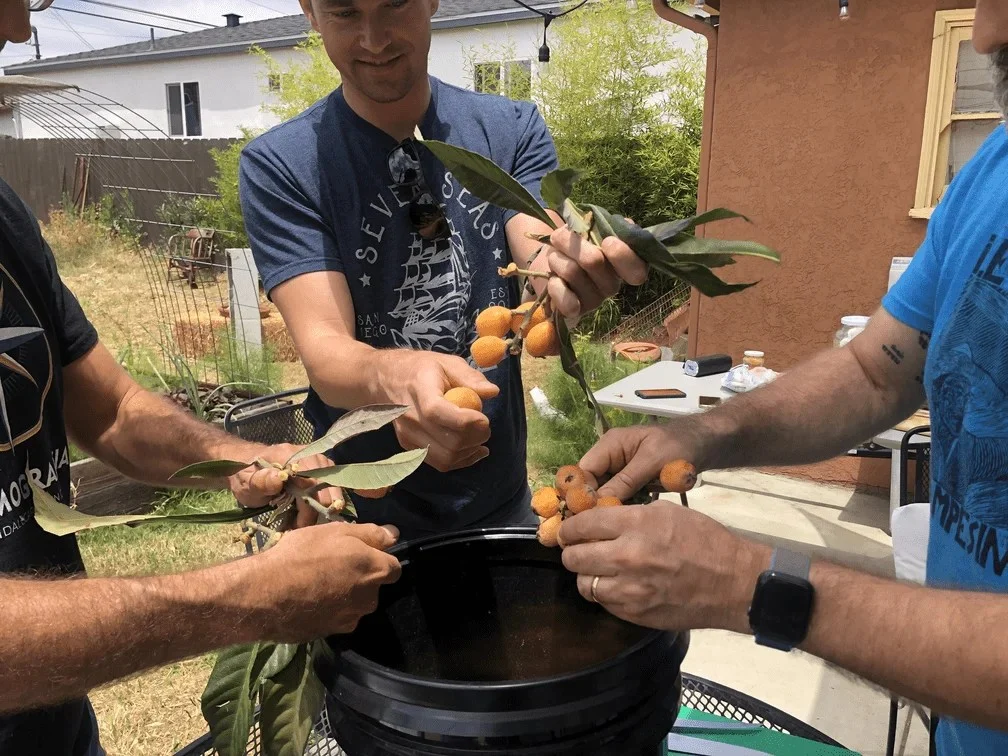
The loquat tree, scientifically known as Eriobotrya japonica, stands as a testament to nature’s generosity, offering a seasonal bounty of unique, pear-like fruit that ripens from mid-March through mid-May. Beyond its delectable produce, this robust tree provides significant ecological and health benefits, making it a valuable asset in both urban landscapes and specialized horticulture. Its prolific foliage contributes rich carbon material to compost systems year-round, while its leaves are increasingly recognized for their medicinal properties, often brewed into a health-promoting tea.
Botanical Profile and Historical Origins
Native to the cooler hill regions of south-central China, the loquat has a long and storied history, cultivated in East Asia for over a thousand years before its introduction to Japan, where it became widely naturalized and is often mistakenly believed to originate. From Japan, it spread globally, arriving in Europe in the late 18th century and subsequently making its way to the Americas, Australia, and various other subtropical and mild-temperate regions. Belonging to the Rosaceae family, which also includes apples, pears, and peaches, the loquat is an evergreen tree that can reach heights of 20 to 30 feet, with some specimens exceeding 25 feet. It features large, dark green, leathery leaves with a serrated margin, covered with a fuzzy underside. These aesthetic qualities make it a popular ornamental tree in many landscapes. The tree’s distinct characteristics, from its year-round foliage to its seasonal fruit production, underscore its adaptability and multi-faceted utility.
The Annual Spring Harvest: A Seasonal Ritual
Every spring, the loquat tree transforms, its branches laden with clusters of small, oval to round fruits. These fruits, typically 1 to 2 inches in length, are characterized by a soft, fuzzy, yellowish-orange skin that blushes with hues of pink and red as it ripens, much like a stone fruit. Internally, each loquat contains between one and five shiny, dark brown seeds, surrounded by a juicy, sweet-tart flesh. The flavor profile is often described as a delicate blend of apricot, plum, and cherry, offering a refreshing and subtly aromatic experience.
For many homeowners and local communities fortunate enough to cultivate Eriobotrya japonica, the harvesting season becomes an anticipated annual event. From late March through mid-May, branches hang heavy, presenting a substantial yield that can often amount to dozens, if not hundreds, of pounds of fruit from a single mature tree. This abundance necessitates prompt action due to the fruit’s inherent perishability. Unlike many commercial fruits bred for extended shelf life, loquats ripen rapidly and have a relatively short window of freshness once picked, making immediate consumption or preservation essential to prevent waste. This characteristic has historically driven the development of various traditional preservation methods, a practice that continues to thrive among modern enthusiasts.
Culinary Versatility: Transforming the Transient Bounty
The perishable nature of the loquat fruit has spurred significant culinary innovation, extending its use far beyond fresh consumption. Its unique flavor profile lends itself to a wide array of applications, transforming the seasonal glut into enduring gastronomic delights. Among the most popular preservation methods is the creation of loquat jam, a sweet and tangy spread that captures the essence of spring in a jar. The fruit’s natural pectin content facilitates the gelling process, making it an ideal candidate for jams, jellies, and marmalades.
Beyond sweet preserves, the loquat’s balanced sweetness and acidity make it an excellent ingredient for savory preparations. One particularly intriguing application is fermented loquat chutney. This condiment, often drawing inspiration from South Asian culinary traditions, combines the fruit with spices, vinegar, and sometimes other fruits or vegetables, undergoing a fermentation process that deepens its flavors and extends its shelf life significantly. Similar to well-known peach-mango chutneys, a fermented loquat chutney offers a complex interplay of sweet, sour, and savory notes, making it a versatile accompaniment to various dishes, from roasted meats and cheeses to curries and sandwiches.
Further culinary explorations include loquat pies, tarts, and crumbles, where the fruit’s texture and flavor shine. It can also be incorporated into salads for a fresh, sweet counterpoint, blended into smoothies, or used to infuse spirits and vinegars. The seeds, while inedible, are sometimes roasted and used as a coffee substitute in some regions, demonstrating the plant’s full utilization. This expansive culinary adaptability underscores the loquat’s potential as a staple ingredient in kitchens seeking to utilize seasonal produce creatively and sustainably.
The Art of Loquat Chutney: A Fermented Delicacy
The creation of fermented loquat chutney represents a sophisticated approach to fruit preservation, blending traditional techniques with modern culinary appreciation. Fermentation, a metabolic process where microorganisms convert carbohydrates into alcohol or acids, not only preserves food but also enhances its flavor profile and nutritional value. For loquat chutney, this process typically involves combining pitted and chopped loquats with a mixture of aromatic spices such as ginger, garlic, mustard seeds, and chili, along with a touch of sugar or other sweeteners, and a brine solution or a starter culture.
The preparation typically involves a "prep time" of approximately 30 minutes, during which the fruit is cleaned, pitted, and diced, and the other ingredients are assembled. Following this, the mixture is placed in an airtight container, allowing beneficial bacteria to begin the fermentation process. This "fermentation time" can range from a few days, often around four days, depending on environmental conditions and desired flavor intensity. During this period, lactic acid bacteria, naturally present on the fruit or introduced via a starter, convert sugars into lactic acid, creating a tangy, complex flavor and a stable, acidic environment that inhibits the growth of spoilage microorganisms.
The resulting fermented loquat chutney is a vibrant condiment, characterized by its deep, savory-sweet flavor with a discernible tang, and often a subtle spice kick. Its versatility allows it to elevate a wide range of dishes, from enhancing the flavor of a simple cheese platter to complementing the richness of grilled poultry or pork. The fermentation process also introduces beneficial probiotics, contributing to gut health, an aspect increasingly valued in contemporary nutritional science. This method not only tackles the challenge of the loquat’s short shelf life but also transforms it into a gourmet product with enhanced flavors and potential health benefits.
Nutritional and Medicinal Attributes: A Holistic Perspective
Beyond its culinary appeal, the loquat fruit and its leaves are recognized for a range of nutritional and medicinal benefits. The fruit itself is a good source of dietary fiber, which aids in digestion and contributes to satiety. It is also rich in essential vitamins, particularly Vitamin A (in the form of beta-carotene), which is crucial for vision and immune function, and Vitamin C, a powerful antioxidant. Minerals such as potassium, manganese, and copper are also present, supporting various bodily functions, including blood pressure regulation and bone health.
However, it is the leaves of the Eriobotrya japonica that have garnered significant attention in traditional medicine, particularly in East Asian cultures. Loquat leaves contain a variety of bioactive compounds, including triterpenes, polyphenols, and flavonoids. These compounds are associated with anti-inflammatory, antioxidant, and antiviral properties. Traditionally, loquat leaf tea has been used to alleviate respiratory ailments such as coughs, bronchitis, and sore throats. Modern scientific research is exploring these traditional uses, with studies investigating the potential of loquat leaf extracts in managing chronic conditions, including diabetes, by helping to regulate blood sugar levels, and in providing hepatoprotective effects.
The widespread use of loquat leaves as a natural remedy underscores the plant’s holistic value. The ease with which a potent tea can be prepared from readily available leaves makes it an accessible health supplement for many. This dual benefit—nutritious fruit and medicinal leaves—positions the loquat as a truly valuable botanical resource, integrating seamlessly into both dietary and wellness practices.
Cultivation Practices and Environmental Contributions
The loquat tree is relatively easy to cultivate, thriving in subtropical and warm-temperate climates where it can enjoy full sun and well-drained soil. It exhibits remarkable drought tolerance once established, making it a resilient choice for regions experiencing water scarcity. This hardiness contributes to its increasing popularity in permaculture gardening and sustainable landscape design. Horticultural experts widely acknowledge the tree’s low maintenance requirements and its ability to flourish without extensive chemical intervention, aligning with contemporary ecological gardening principles.
Furthermore, the loquat’s prolific leaf production offers a significant environmental advantage, as noted by home gardeners. The constant shedding of leaves throughout the year provides a continuous supply of carbon-rich material, which is invaluable for compost piles. This natural resource helps enrich soil, reduce waste, and promote healthy plant growth, forming a closed-loop system within the garden. For those committed to sustainable practices, the loquat tree serves as a living, productive component of a balanced ecosystem, contributing to soil health and biodiversity. Its evergreen nature also provides year-round aesthetic appeal and shade, further enhancing its environmental utility.
Economic and Cultural Significance
While not a globally dominant commercial fruit, the loquat holds significant economic and cultural importance in specific regions. In its native China, as well as in Japan, India, and parts of the Mediterranean, loquats are cultivated commercially, with specific varieties developed for larger fruit size and improved flavor. These fruits are sold fresh in local markets and also processed into juices, preserves, and canned goods. The commercial market for loquats, though niche, is stable in these areas, reflecting a consistent demand for its unique taste.
Culturally, the loquat often symbolizes prosperity and good fortune in East Asian traditions, particularly due to its early spring fruiting, which heralds the arrival of a new season. It features in poetry, art, and traditional festivals, cementing its place not just as a food source but as a cultural icon. The increasing interest in exotic and healthful fruits in Western markets presents an opportunity for broader commercialization and appreciation of the loquat, potentially expanding its economic footprint beyond its traditional strongholds.
Challenges and Future Opportunities
The primary challenge associated with the loquat, as highlighted by growers and consumers, remains its short post-harvest shelf life. This characteristic limits its long-distance transport and widespread fresh market distribution, often confining its availability to local markets and direct-from-farm sales. However, this very challenge has spurred innovation in preservation techniques, driving interest in artisanal jams, chutneys, and dried loquat products.
The growing trend towards local food systems, home gardening, and fermented foods offers significant opportunities for the loquat. As consumers increasingly seek out unique, healthy, and sustainably grown produce, the loquat is well-positioned to gain wider recognition. Proponents of home fermentation and sustainable living recognize the loquat as an ideal candidate for their endeavors, providing a substantial, naturally occurring harvest that encourages creative culinary exploration and self-sufficiency. Educational initiatives promoting the cultivation and diverse uses of loquats could further elevate its status from a regional delicacy to a more universally appreciated fruit.
In conclusion, the loquat tree (Eriobotrya japonica) is far more than just a source of sweet fruit. It is a resilient, multi-purpose plant offering a wealth of benefits, from its significant contribution to home composting systems to its recognized nutritional and medicinal properties. Its seasonal bounty provides a focal point for culinary creativity, particularly in the realm of jams and fermented chutneys, addressing the challenge of its perishability while enriching diverse palates. As interest in sustainable living, traditional remedies, and unique culinary experiences continues to grow, the humble loquat stands poised to receive the broader appreciation it richly deserves, cementing its role as a valuable resource for both individuals and the environment.


