

The challenge, however, extends beyond the bin. Food waste has emerged as a parallel crisis, occurring at both the retail and individual levels. In the United States, an estimated 40% of the total food supply is wasted, often due to stringent aesthetic standards maintained by retailers or improper storage and over-purchasing by consumers. As the United States Department of Agriculture (USDA) predicts a 3.6% increase in food prices for 2026, the economic necessity of waste reduction is becoming as urgent as the environmental imperative.
The Global Crisis: Plastic and Food Waste Data
The environmental impact of current grocery practices is quantified by staggering statistics from international monitoring bodies. According to Our World in Data, packaging is the single largest contributor to global plastic waste. The persistence of these materials in the environment is a primary driver of microplastic pollution and marine habitat destruction. While recycling programs exist, many soft plastics and multi-layered films used in food packaging are not compatible with standard curbside recycling infrastructure, leading to low recovery rates.
Simultaneously, the Environmental Protection Agency (EPA) reports that food is the most common material found in U.S. landfills, accounting for 24% of municipal solid waste. When food decomposes in the anaerobic conditions of a landfill, it produces methane, a greenhouse gas significantly more potent than carbon dioxide. The retail sector contributes to this by discarding "imperfect" produce—items that are nutritionally sound but fail to meet arbitrary size, shape, or color standards. This "beauty standard" results in tons of edible produce being diverted to landfills before even reaching a consumer’s cart.
A Chronology of the Zero Waste Movement in Retail
The transition toward zero-waste grocery shopping is a response to decades of increasing "convenience" packaging.
- Mid-20th Century: The rise of supermarkets led to the standardization of plastic packaging to extend shelf life and facilitate self-service shopping.
- 1970s–1990s: The introduction of the plastic grocery bag and the expansion of the "frozen dinner" market solidified plastic as the dominant medium for food distribution.
- Early 2000s: The "Zero Waste" concept, initially coined for industrial chemistry, began to permeate consumer consciousness, led by grassroots environmental movements.
- 2010s: The emergence of dedicated "refilleries" and bulk-only stores in urban centers across Europe and North America marked a shift in retail architecture.
- 2020–Present: Legislative actions, such as plastic bag bans in various U.S. states and European Union directives on single-use plastics, have forced mainstream retailers to adopt low-waste alternatives.
Economic Implications and the 2026 Forecast
The USDA’s Food Price Outlook suggests that inflationary pressures will continue to affect the grocery sector through 2026. A predicted 3.6% rise in costs means that the average household can no longer afford the financial loss associated with food waste. Zero-waste shopping is increasingly viewed not just as an ethical choice, but as a strategic budgeting tool. By purchasing only what is needed from bulk bins and utilizing every part of the ingredient—including peels and tops—consumers can effectively lower their per-meal costs.
Industry analysts suggest that as prices rise, consumer behavior will likely shift toward "lonely" produce (individual bananas or slightly bruised apples) and discounted "wonky" vegetable sections, which many retailers are now introducing to recoup potential losses from discarded stock.
Strategic Implementation: How Consumers Navigate the Market
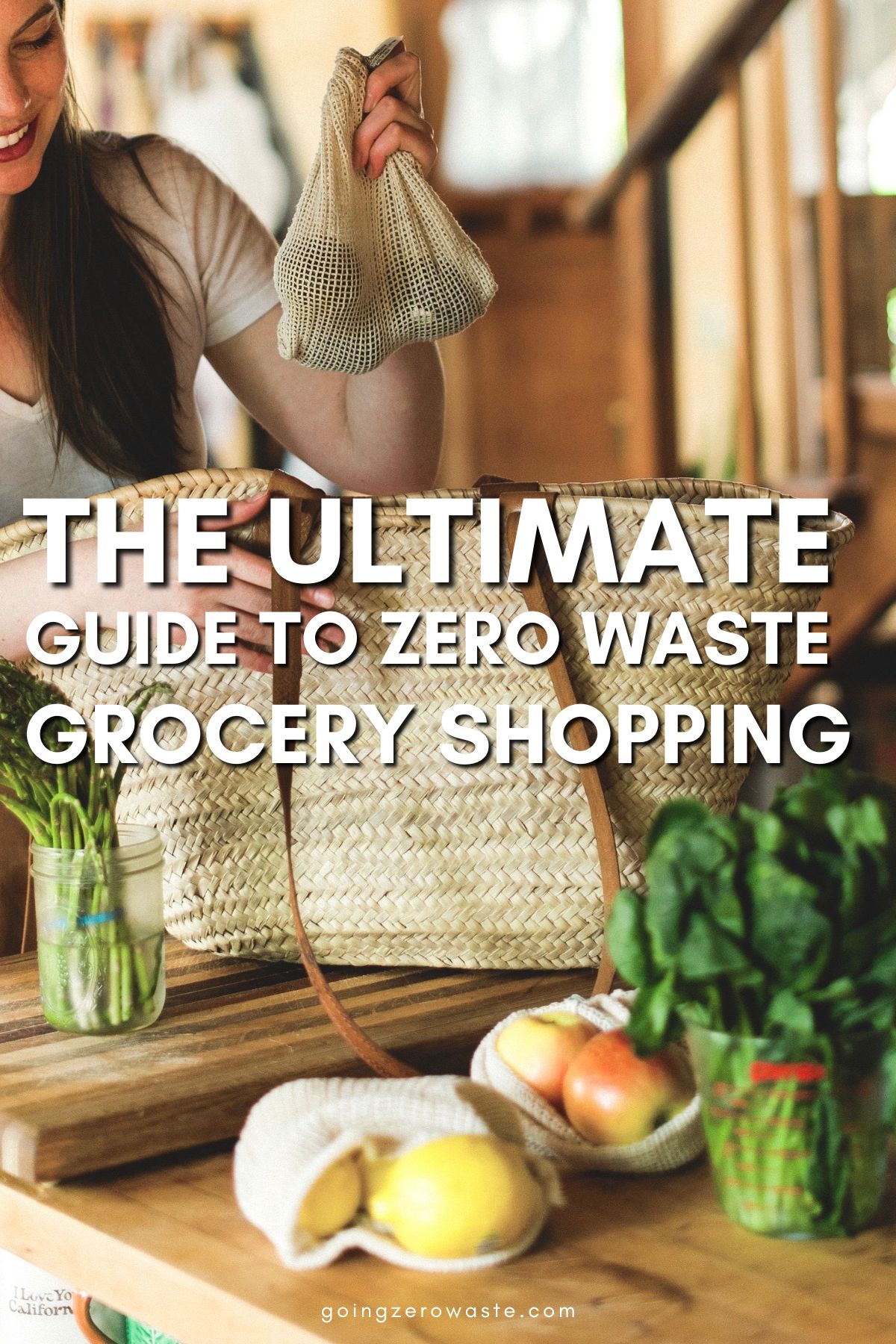
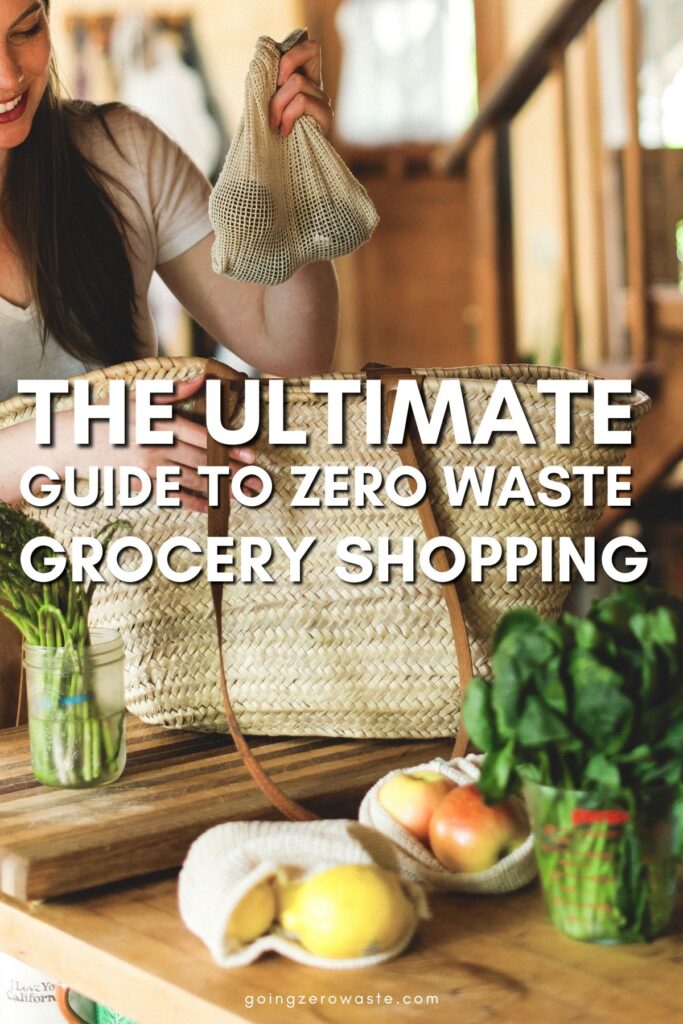
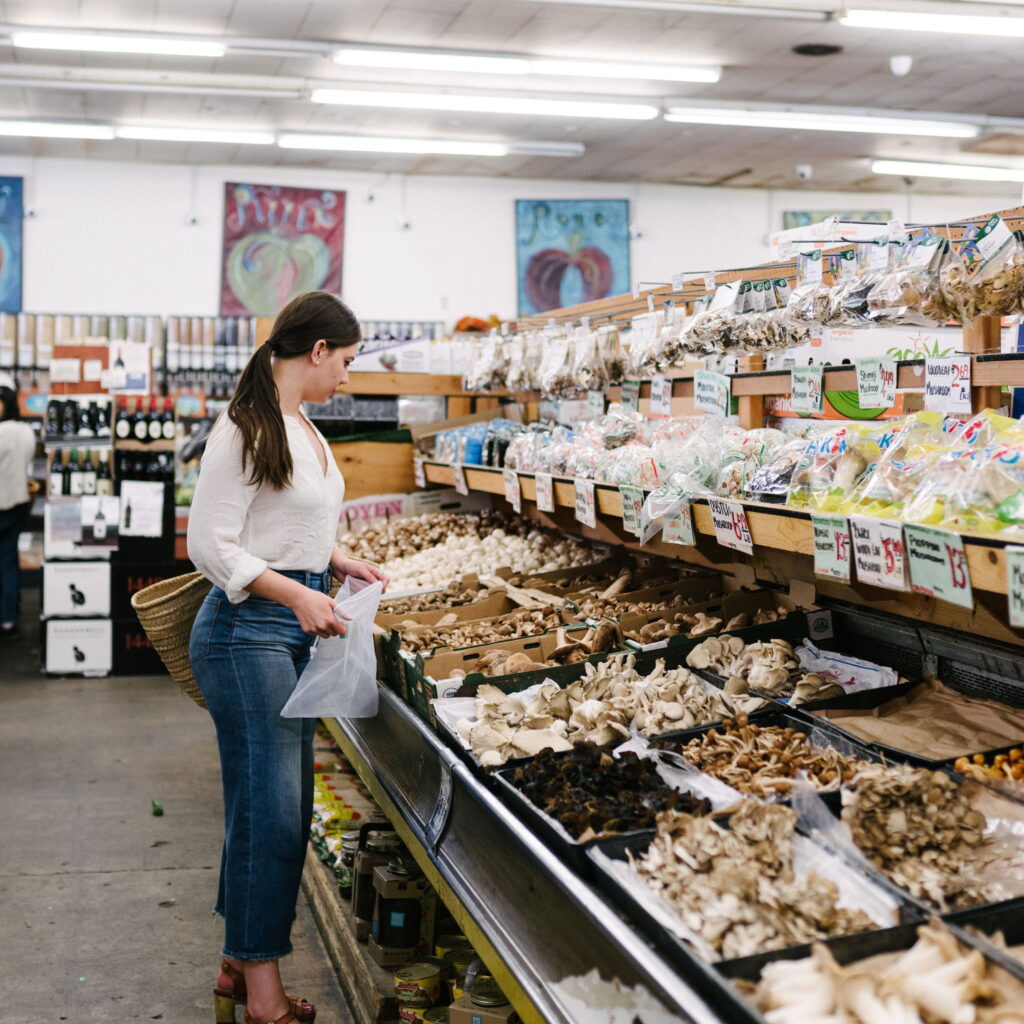
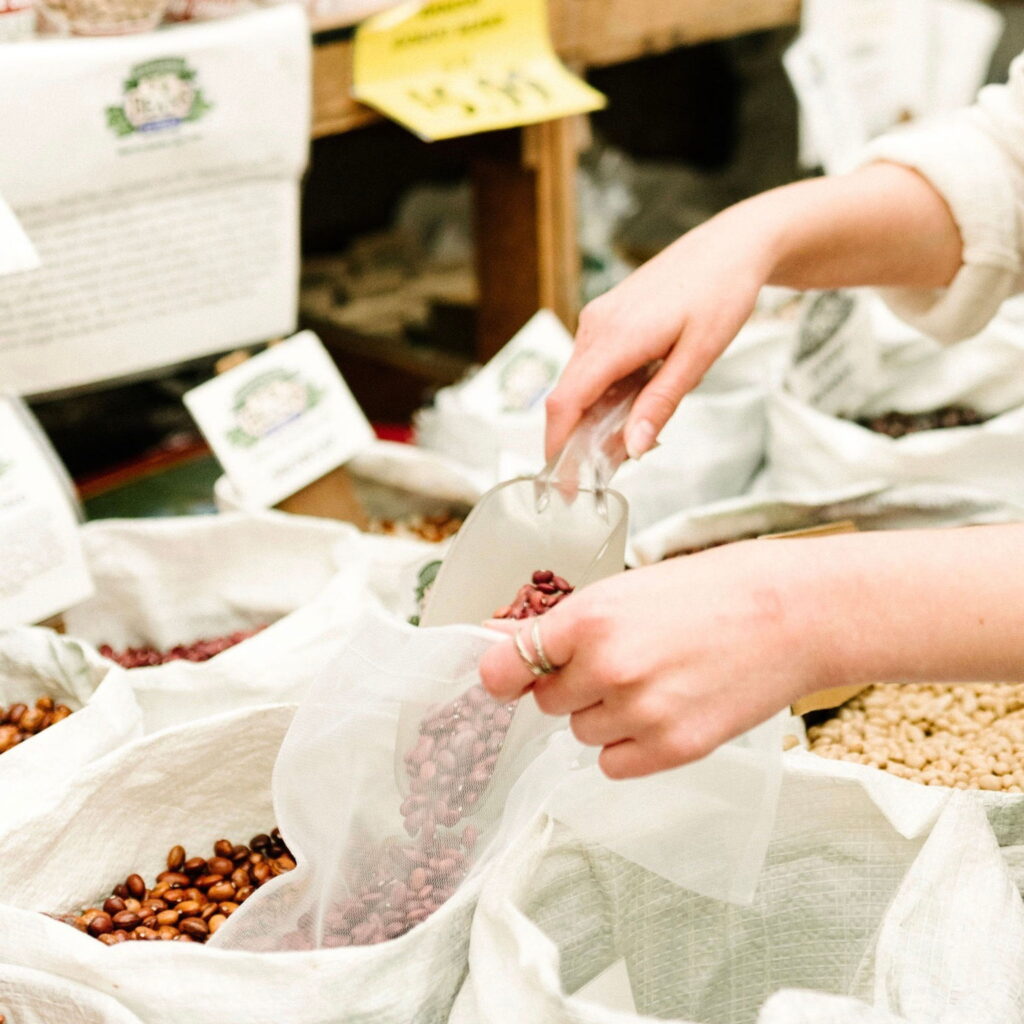
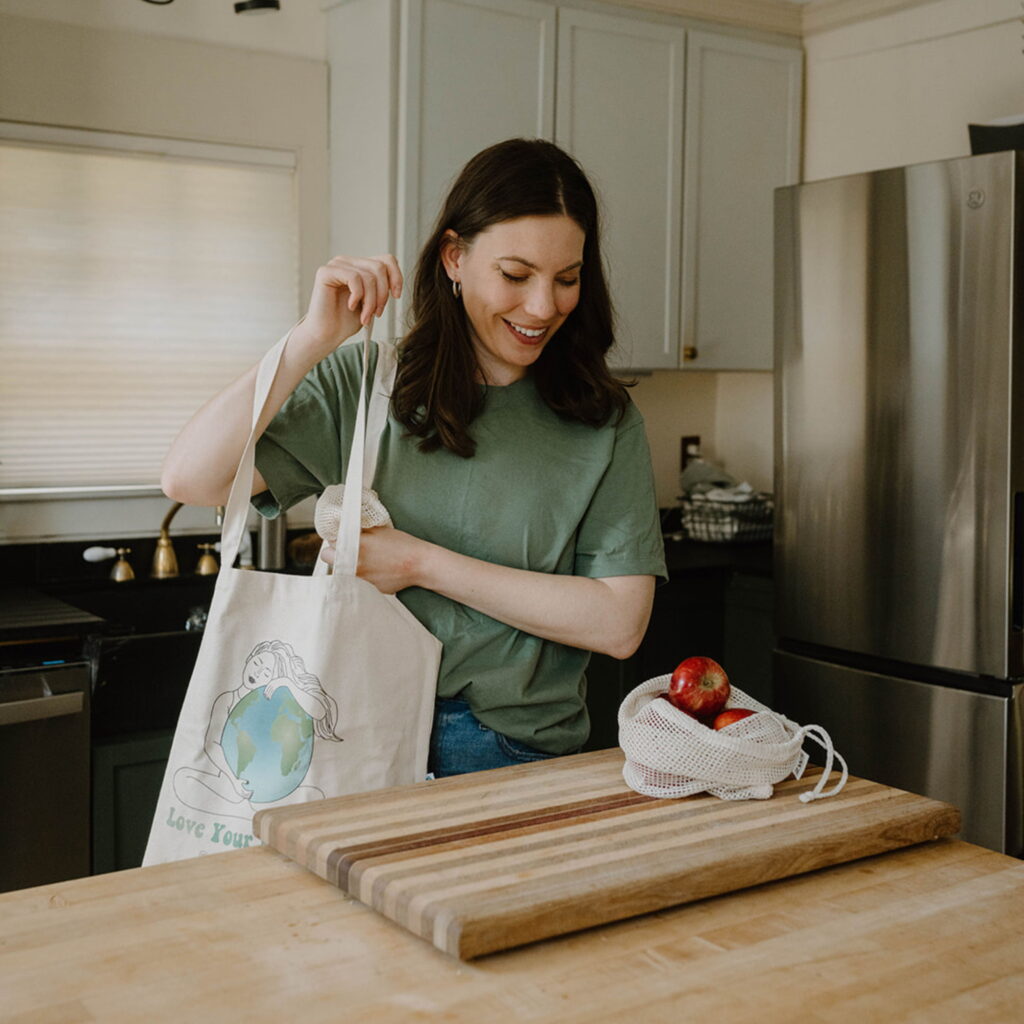
Transitioning to a zero-waste shopping model requires a shift in logistics and household management. The process begins with infrastructure: replacing single-use bags with mesh cotton produce bags and durable totes. For those with access to bulk bins or refilleries, the use of tare-weighted glass jars or upcycled containers allows for the purchase of dry goods like grains, spices, and legumes without any secondary packaging.
Farmers markets represent a vital component of the zero-waste ecosystem. These venues typically offer produce without stickers or plastic wraps, and vendors are often more amenable to selling "imperfect" items. Furthermore, produce at farmers markets often comes in compostable paper cartons or can be placed directly into a shopper’s bag, bypassing the industrial packaging chain entirely.
For consumers without access to specialized stores, the strategy shifts to "material preference." Choosing products packaged in glass, metal, or cardboard is preferred over plastic, as these materials have higher recycling rates and can often be repurposed within the home.
The Science of Food Preservation and Storage
A critical, yet often overlooked, aspect of zero waste is post-purchase management. Extending the life of produce through scientific storage methods is essential to preventing household food waste.
- Hydration Stalling: Carrots and celery, when chopped and stored in containers of water in the refrigerator, maintain cellular turgidity, remaining crisp for weeks.
- Ethylene Management: Understanding the role of ethylene—a natural gas that accelerates ripening—is crucial. Storing ethylene-producing fruits (like apples and bananas) away from ethylene-sensitive vegetables (like leafy greens) prevents premature spoilage.
- Humidity Control: High-humidity drawers in modern refrigerators are designed for wilting-prone greens, while low-humidity drawers are intended for thick-skinned fruits.
- Plastic-Free Barriers: Utilizing glass snapware, silicone bags, and metal tiffins provides airtight seals without the chemical leaching or environmental impact of plastic wraps.
The Circular Kitchen: Upcycling and Scraptastic Cooking
The zero-waste philosophy advocates for a "circular" approach to ingredients. This involves recognizing the nutritional and culinary value in parts of vegetables typically discarded. Carrot tops, rich in potassium and Vitamin C, can be processed into pestos; strawberry tops can infuse flavor into water or smoothies; and vegetable peels can be frozen and boiled to create nutrient-dense stocks.
This approach effectively turns "waste" into a secondary resource, further reducing the frequency of grocery trips and the volume of municipal waste. Retailers and culinary influencers have begun promoting "scraptastic" recipes as a way to engage younger, environmentally conscious demographics.
Composting: The Final Tier of Waste Management
When food scraps cannot be repurposed, composting serves as the final safeguard against landfill diversion. Food scraps do not break down efficiently in landfills due to the lack of oxygen; instead, they mummify and release methane. Composting—whether through curbside collection, backyard tumblers, or indoor Bokashi systems—returns nutrients to the soil, completing the biological cycle.
Many municipalities are now implementing mandatory organic waste collection to meet climate goals. For urban dwellers, countertop compost pails with charcoal filters allow for the odorless collection of scraps, which can then be delivered to community gardens or farmers market drop-off points.
Official Responses and Broader Impacts
Governmental bodies have begun to take formal stances on the necessity of these shifts. The EPA recently updated its "Wasted Food Scale," which prioritizes source reduction and feeding hungry people over composting and landfilling. Major retail chains are also responding to consumer demand for transparency; some have committed to 100% recyclable or compostable packaging by 2030, though critics argue that the pace of change remains insufficient given the scale of the plastic crisis.
The broader impact of a widespread shift toward zero-waste shopping is significant. Beyond the immediate reduction in litter and carbon emissions, it fosters a more resilient food system. By reducing demand for over-packaged goods, consumers signal to manufacturers that the "convenience-at-all-costs" model is no longer viable.
Analysis of Implications
The move toward zero-waste grocery shopping signifies a fundamental change in the relationship between the consumer and the commodity. It requires a move away from impulse-driven, convenience-heavy consumption toward a more intentional, planned, and resource-aware lifestyle. While the burden of change has historically been placed on the individual, the growing intersection of economic inflation and environmental degradation is forcing a systemic re-evaluation of how food is packaged, sold, and consumed.

As we look toward 2026, the success of the zero-waste movement will likely depend on the scaling of refill infrastructure and the elimination of "beauty standards" in the global produce market. For the individual, the transition is a journey of incremental changes—bringing a bag, choosing the lonely banana, and understanding that in a world of finite resources, there is no such thing as "away" when we throw something out.


