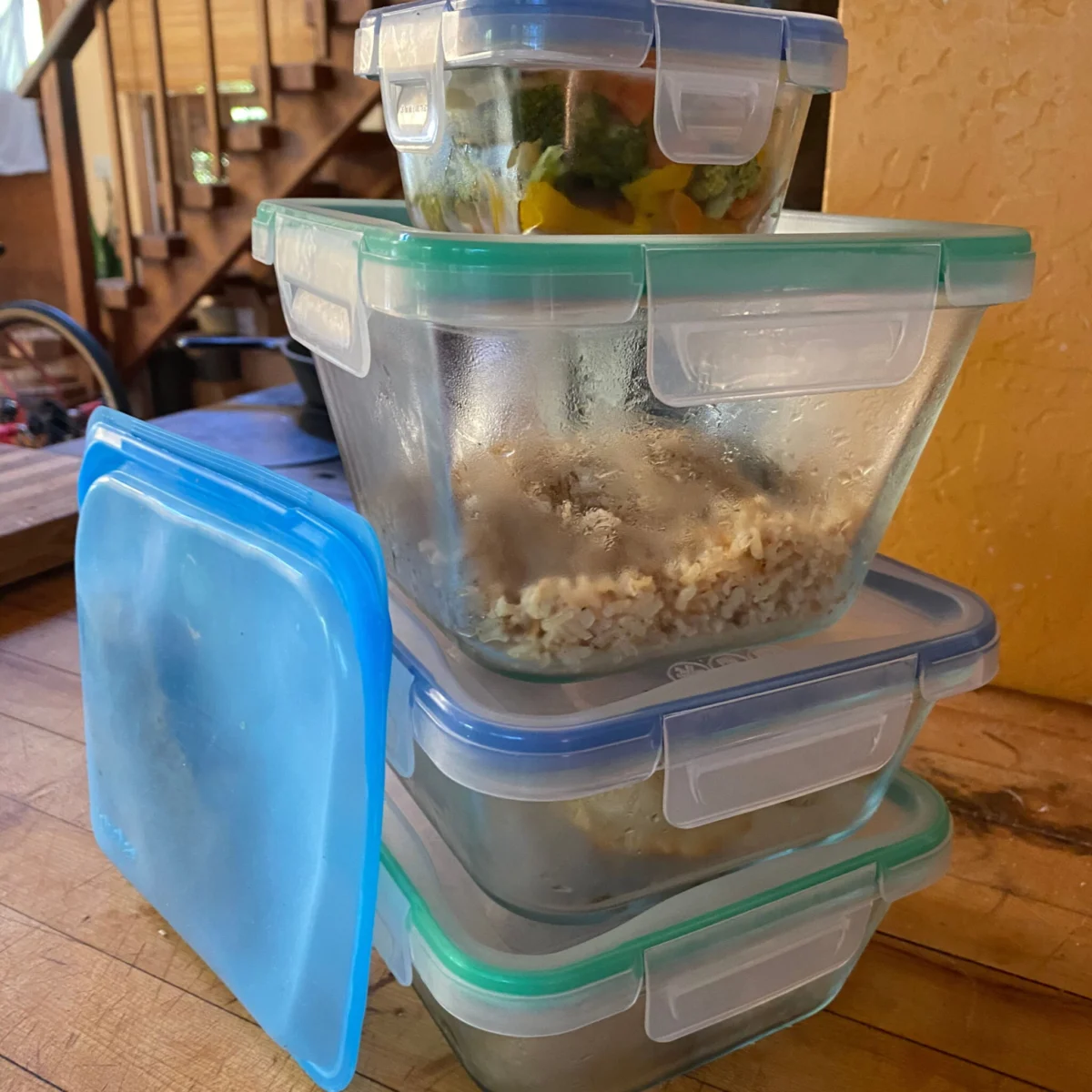
The average American household is currently losing approximately $2,913 annually due to food waste, a figure that underscores a significant economic and environmental crisis within the United States domestic infrastructure. According to data from the Environmental Protection Agency (EPA) and the United States Department of Agriculture (USDA), nearly 40 percent of the total food supply in the U.S. is discarded, never reaching a consumer’s plate. While systemic issues exist within the supply chain, a substantial portion of this waste occurs at the residential level, often driven by improper storage techniques and an over-reliance on materials that inadvertently accelerate decomposition. As food prices continue to fluctuate due to global inflationary pressures and supply chain disruptions, the imperative to optimize food longevity has shifted from a niche environmental concern to a critical financial strategy for the modern household.
The Magnitude of the Food Waste Crisis
The financial impact of food waste is only one facet of a multi-dimensional problem. When food is discarded, the resources used to produce it—including water, land, energy, and labor—are also effectively wasted. From a climate perspective, food waste that ends up in landfills decomposes anaerobically, producing methane, a greenhouse gas significantly more potent than carbon dioxide in the short term. The EPA estimates that food waste is the single most common material found in U.S. landfills, accounting for 24 percent of municipal solid waste.
The transition toward more effective storage is not merely about "saving leftovers" but about understanding the biological and chemical processes that govern food spoilage. Most modern consumers have inherited storage habits dictated by the convenience of the plastic era, which, while revolutionary for transport, often fails to provide the specific micro-climates required for different types of produce and perishables.
The Role of Plastic in Accelerated Decomposition
For decades, thin-film plastics and airtight plastic containers have been the standard for food storage. However, food scientists point out that these materials can often be counterproductive. Plastic is non-porous; it traps moisture and ethylene gas—a natural ripening agent emitted by many fruits and vegetables. When ethylene is trapped in a confined space, it creates a feedback loop that causes produce to ripen and rot at an accelerated pace. This is most visible in leafy greens, which often become "slimy" within days when kept in their original plastic packaging.
Furthermore, there is a growing body of public health research regarding the chemical composition of plastic storage. Many plastics contain endocrine disruptors, such as bisphenol A (BPA) and phthalates, which can leach into food, particularly when subjected to temperature changes in the microwave or freezer. The shift toward glass, stainless steel, and natural fibers is therefore driven by both a desire for food longevity and a reduction in chemical exposure.
A Chronology of Food Storage Evolution
To understand the current movement toward sustainable storage, it is helpful to view the historical timeline of how humans have preserved perishables:
- Pre-Industrial Era: Storage relied on natural ventilation, root cellars, and clay vessels. Methods like pickling, salting, and drying were primary.
- The Early 20th Century: The advent of the "icebox" and early refrigeration allowed for short-term fresh storage, though natural wraps (waxed paper, cloth) remained the norm.
- The Post-War Plastic Boom (1950s–1990s): Polyethylene and PVC became the dominant materials. The "Tupperware" era revolutionized the kitchen but shifted the focus from breathability to airtight sealing.
- The Modern Sustainability Pivot (2010–Present): A resurgence in traditional materials—glass, beeswax, and natural fibers—enhanced by modern design. This era is defined by "Zero Waste" philosophies and a focus on circular economies.
Scientific Strategies for Produce Longevity
Proper storage begins with the realization that different biological structures require different environments. Most produce can be categorized by its relationship with moisture and ethylene gas.
The Hydroponic Method for Herbs and Asparagus
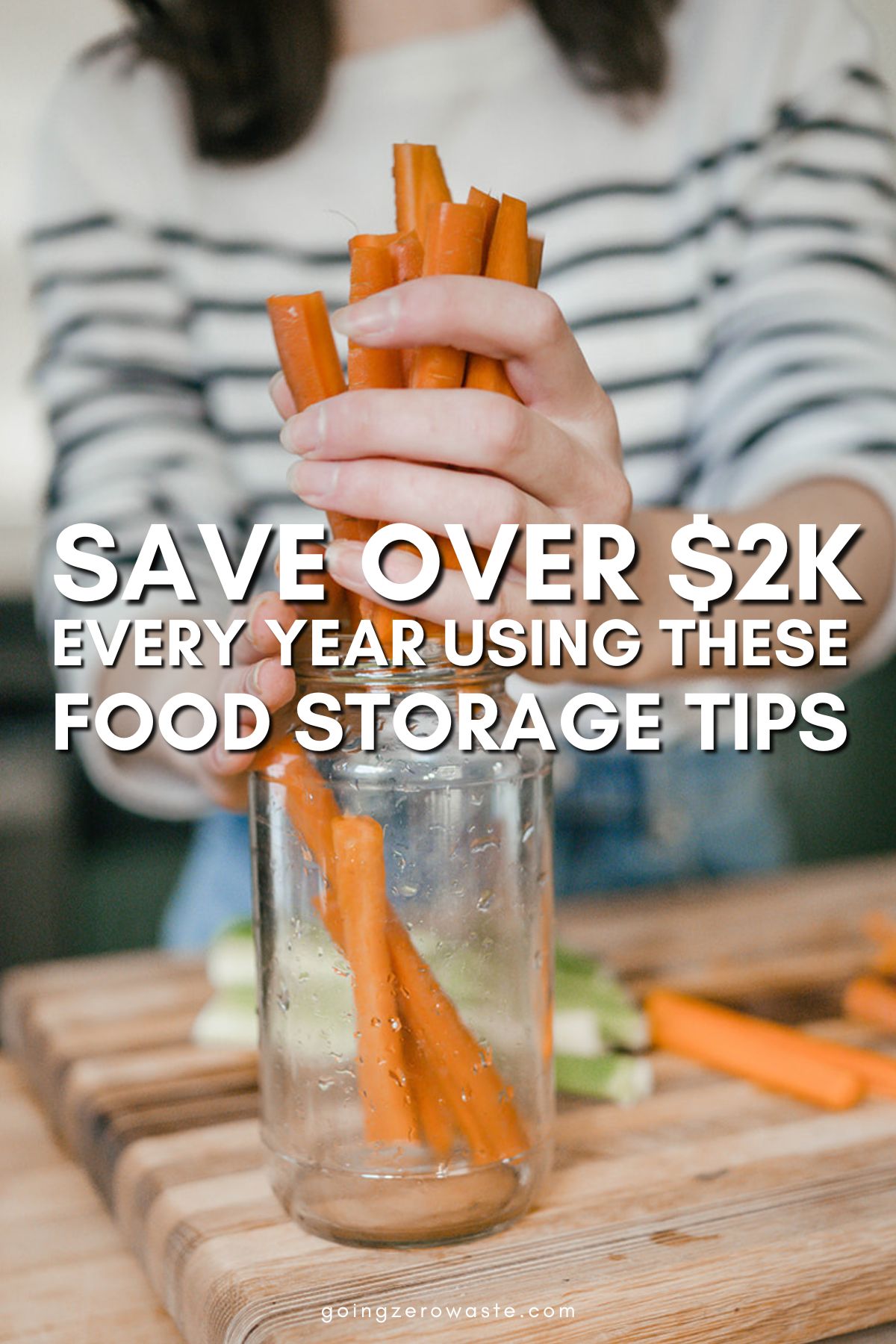
Hardy herbs like rosemary and thyme can be stored dry, but soft herbs like cilantro, parsley, and mint, as well as asparagus, should be treated like floral bouquets. Placing the stems in a jar of fresh water and storing them in the refrigerator can extend their lifespan from days to weeks. This allows the plant to continue drawing moisture, preventing the wilting associated with dehydration.
Moisture Management for Leafy Greens
Leafy greens and cruciferous vegetables like broccoli and cauliflower thrive in high-humidity environments but are sensitive to standing water. The use of breathable cotton bags—specifically those designed with multiple layers—allows for a "wicking" effect. By dampening the outer layer of a cotton bag, a high-humidity micro-climate is created that allows the produce to "breathe" without drying out or becoming waterlogged.
Ethylene Segregation
Understanding which items are "emitters" and which are "sensitive" is crucial. Apples, bananas, and tomatoes are high ethylene emitters. If stored in close proximity to sensitive items like cucumbers, carrots, or leafy greens, they will cause the latter to spoil prematurely. Potatoes and onions, while often stored together in traditional bins, should actually be kept apart; onions emit gases that cause potatoes to sprout faster.
Material Analysis: Plastic-Free Alternatives
The market for sustainable storage has expanded significantly, offering various materials that outperform plastic in specific categories.
Borosilicate Glass and Snapware
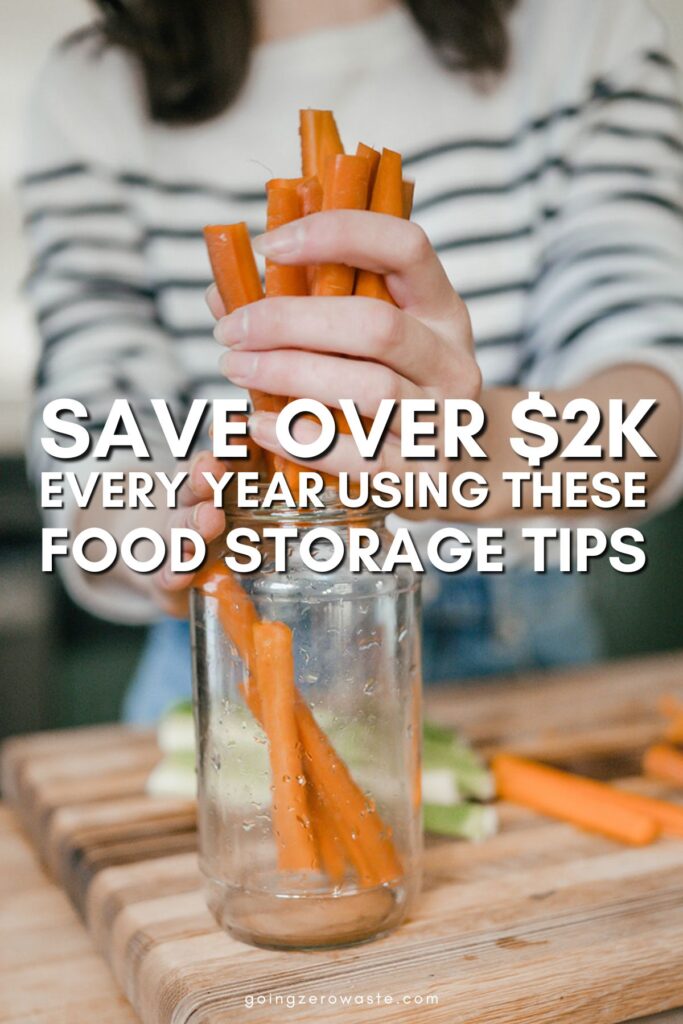
Glass is chemically inert, meaning it does not react with acidic foods or leach chemicals. Borosilicate glass, in particular, is engineered to withstand thermal shock, allowing it to move from the freezer to the oven. High-quality glass containers with silicone-sealed lids provide an airtight environment for leftovers while remaining easy to sanitize in high-heat dishwashers.
Silicone Storage Solutions
While often confused with plastic, food-grade silicone is derived from silica (sand) and is more durable and temperature-resistant. Silicone bags have become a staple for marinating and freezing. Their ability to be boiled or baked makes them a versatile tool for "sous-vide" cooking and long-term freezer storage without the risk of plasticizer migration.
Beeswax Wraps
A modern take on ancient waxed cloths, beeswax wraps are made from organic cotton infused with beeswax, jojoba oil, and tree resin. These wraps are slightly porous, allowing food to breathe while providing a protective, antibacterial barrier. They are particularly effective for wrapping hard cheeses, bread, and covering bowls of fermenting dough.
Stainless Steel Tiffins and Bentos
For transport and dry storage, stainless steel remains the gold standard. It is lightweight, virtually indestructible, and does not retain odors or stains. Multi-tiered "tiffin" systems allow for the separation of different food components, preventing textures from degrading during transit.
Thermodynamic Organization of the Refrigerator
Longevity is also dictated by the internal geography of the refrigerator. Modern appliances are not uniform in temperature; they are designed with specific zones.
- The Door: This is the most temperature-volatile area due to frequent opening. It should be reserved for stable items like condiments and shelf-stable juices.
- The Upper Shelves: These maintain the most consistent temperature and are ideal for "ready-to-eat" items, dairy, and leftovers.
- The Lower Shelves: As the coldest part of the main cabinet, these are designated for raw proteins (meat and fish) to prevent drip-contamination and ensure maximum safety.
- The Crisper Drawers: Most refrigerators feature two drawers with adjustable humidity vents. The high-humidity drawer (vents closed) is for greens that wilt. The low-humidity drawer (vents open) is for fruits and vegetables that rot or emit ethylene.
Official Responses and Institutional Initiatives
Governmental bodies have begun to recognize the economic strain of food waste. The USDA and EPA have set a national goal to reduce food waste by 50 percent by the year 2030. In a joint statement, these agencies emphasized that "reducing food loss and waste is one of the most effective ways to reduce costs for American families and decrease the environmental footprint of our food system."
Non-governmental organizations (NGOs) and environmental advocacy groups have also increased pressure on retailers to eliminate unnecessary plastic packaging. The "Refill" movement, which encourages consumers to bring their own containers to grocery stores, is gaining traction in urban centers, further reducing the amount of waste that enters the home.
Broader Economic and Environmental Implications
The transition to sophisticated, plastic-free storage is a micro-solution to a macro-problem. On an individual level, reclaiming nearly $3,000 a year can significantly alter a household’s financial health. On a global scale, the reduction of food waste is cited by Project Drawdown as one of the top solutions for mitigating climate change.
As consumers become more literate in the science of food preservation, the demand for high-quality, sustainable materials is expected to drive further innovation in the housewares industry. The shift away from "disposable culture" toward a "stewardship culture" in the kitchen represents a fundamental change in how society values its resources. By treating food as a valuable asset rather than a disposable commodity, households can achieve a rare synergy between economic prudence and environmental responsibility.