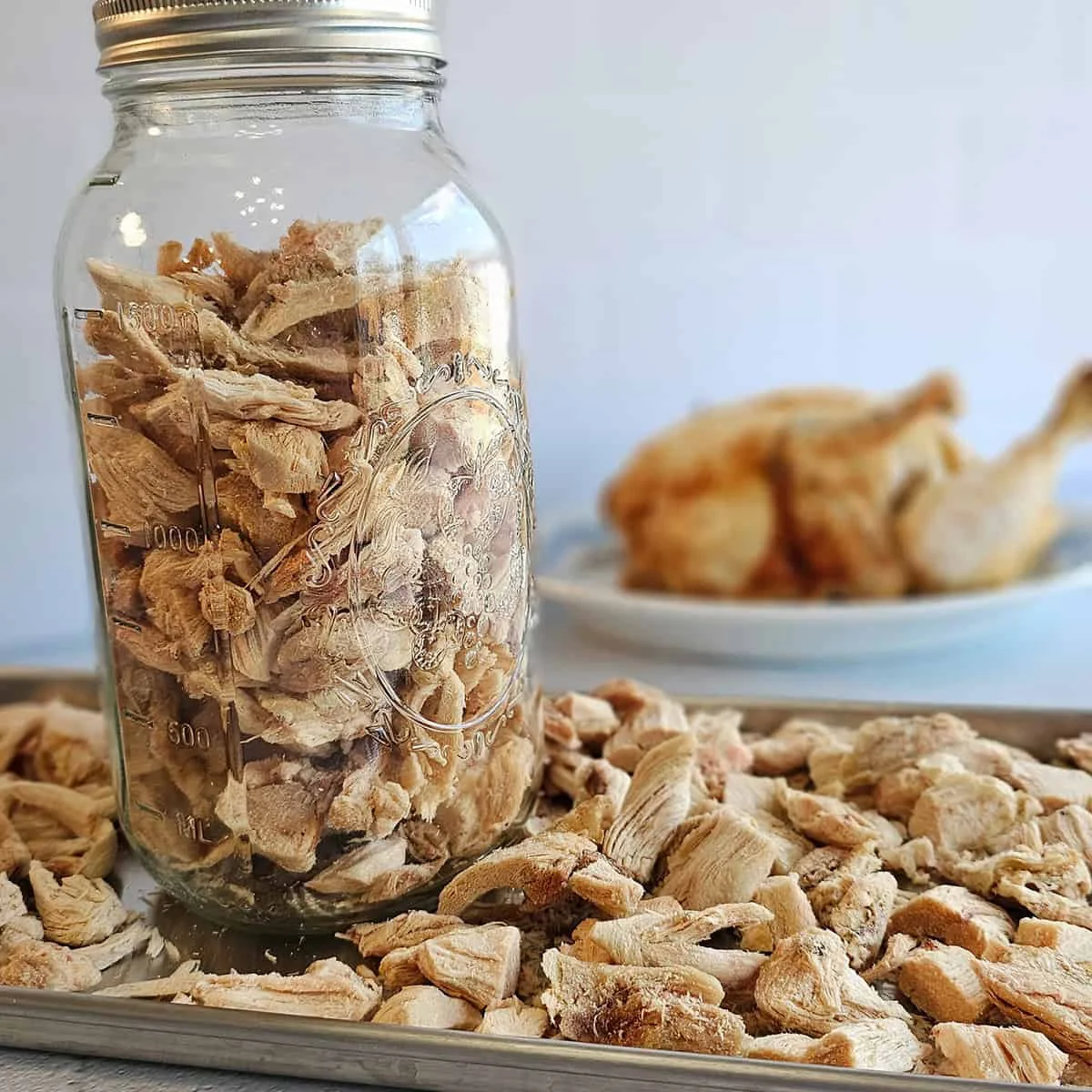
Home food preservation technology has seen a significant surge in adoption over the last decade, transitioning from a niche hobby for survivalists to a mainstream strategy for household economic management. Among the various methods available, freeze-drying has emerged as a premier solution for maintaining the nutritional integrity and flavor of proteins. Rotisserie chicken, a staple of modern convenience shopping, serves as an ideal entry point for individuals utilizing home freeze-drying units. This process not only extends the shelf life of the poultry but also offers a solution to food waste by utilizing every component of the bird, from the breast meat to the bone marrow. By converting a perishable grocery item into a shelf-stable pantry asset, consumers can better navigate fluctuating food prices and ensure a consistent supply of high-quality protein.
The Evolution of Domestic Freeze-Drying Technology
Traditionally, freeze-drying, or lyophilization, was an industrial process reserved for pharmaceutical companies and aerospace food programs due to the high cost and complexity of the machinery. However, the introduction of consumer-grade units, most notably by manufacturers such as Harvest Right, has democratized this technology. Unlike dehydration, which uses heat to evaporate moisture and can often result in a "leathery" texture and loss of heat-sensitive vitamins, freeze-drying utilizes a vacuum and extremely low temperatures.
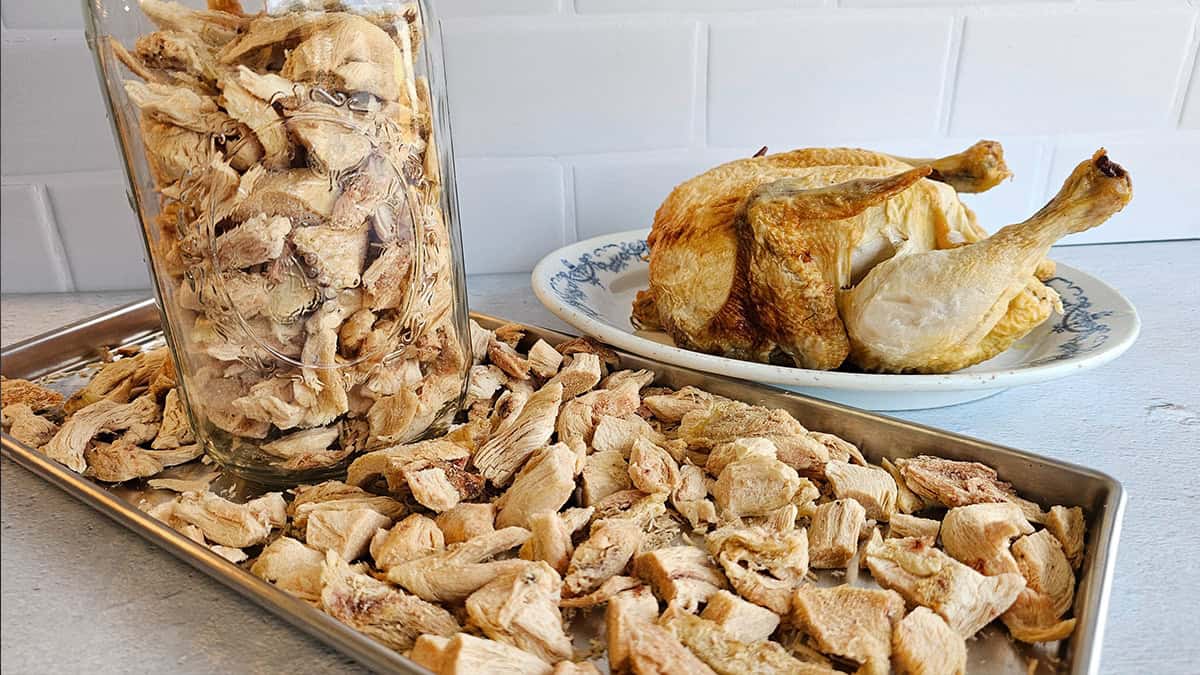
Through a process known as sublimation, ice crystals in the food are converted directly into water vapor without passing through a liquid phase. This preserves the cellular structure of the meat, ensuring that once rehydrated, the texture remains remarkably close to its original state. For rotisserie chicken, which is already seasoned and cooked, this technology captures the peak flavor and tenderness, making it an efficient "fast food" for the pantry.
Systematic Chronology of the Freeze-Drying Process
The transition of a rotisserie chicken from a grocery store container to a vacuum-sealed jar involves a specific sequence designed to maximize safety and efficiency.
Phase One: Preparation and Mechanical Separation
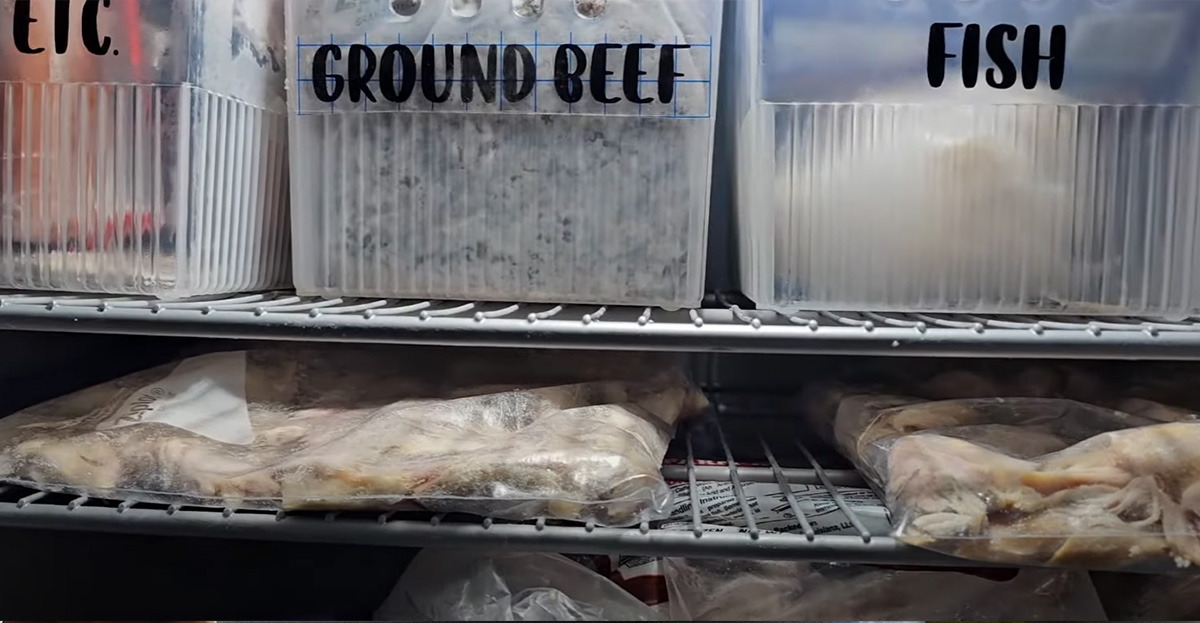
The first step in the protocol involves the manual stripping of the carcass. To ensure the highest quality of the final product, the skin, fat, and bones must be meticulously removed from the meat. While the skin is flavorful when fresh, its high lipid content is a primary catalyst for rancidity in stored foods. Therefore, professional preservationists recommend isolating the lean muscle tissue for the freeze-dryer. The remaining carcass, including the skin and bones, should be reserved for the production of bone broth, which can subsequently be reduced and freeze-dried into high-protein bouillon.
Phase Two: Uniform Sizing for Sublimation Efficiency
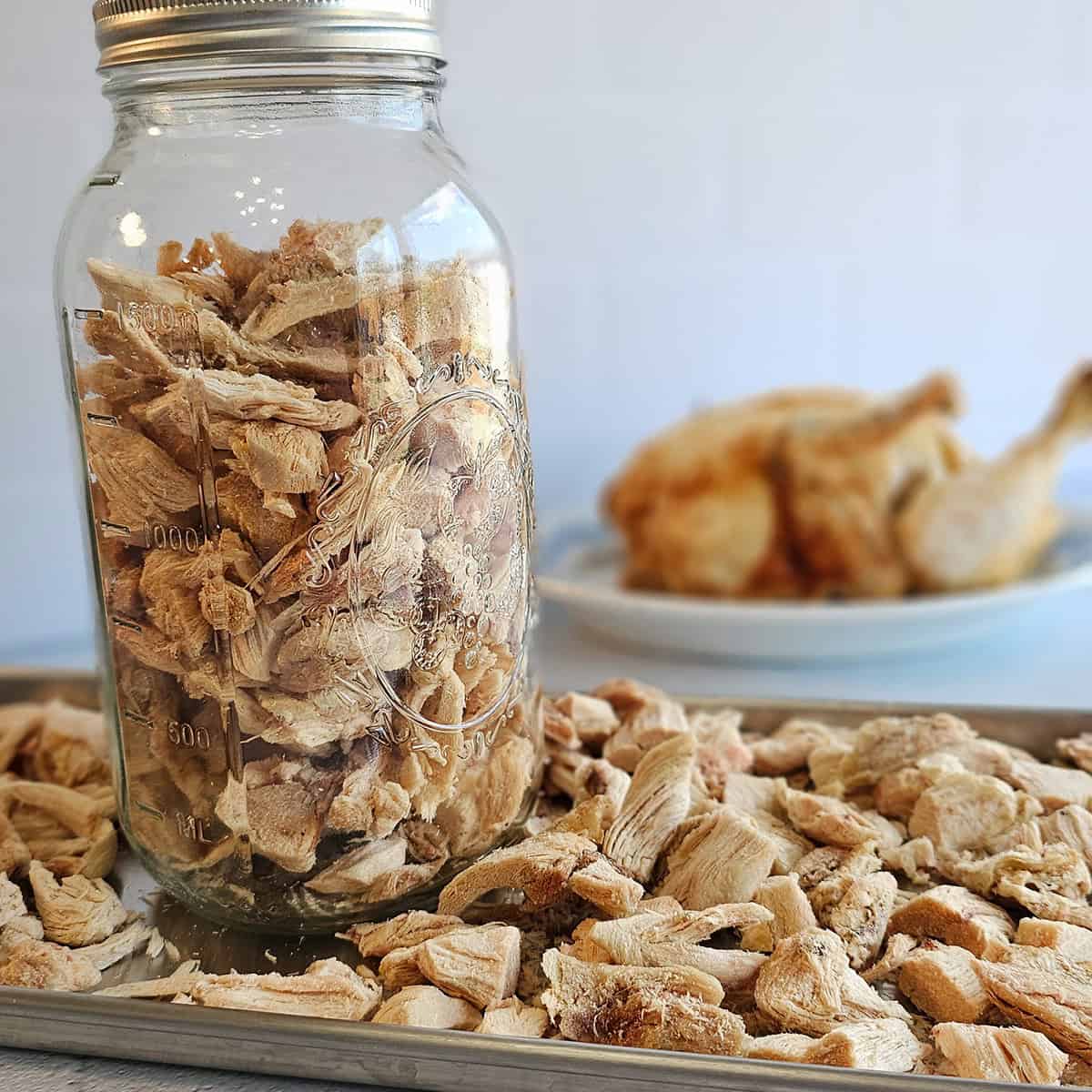
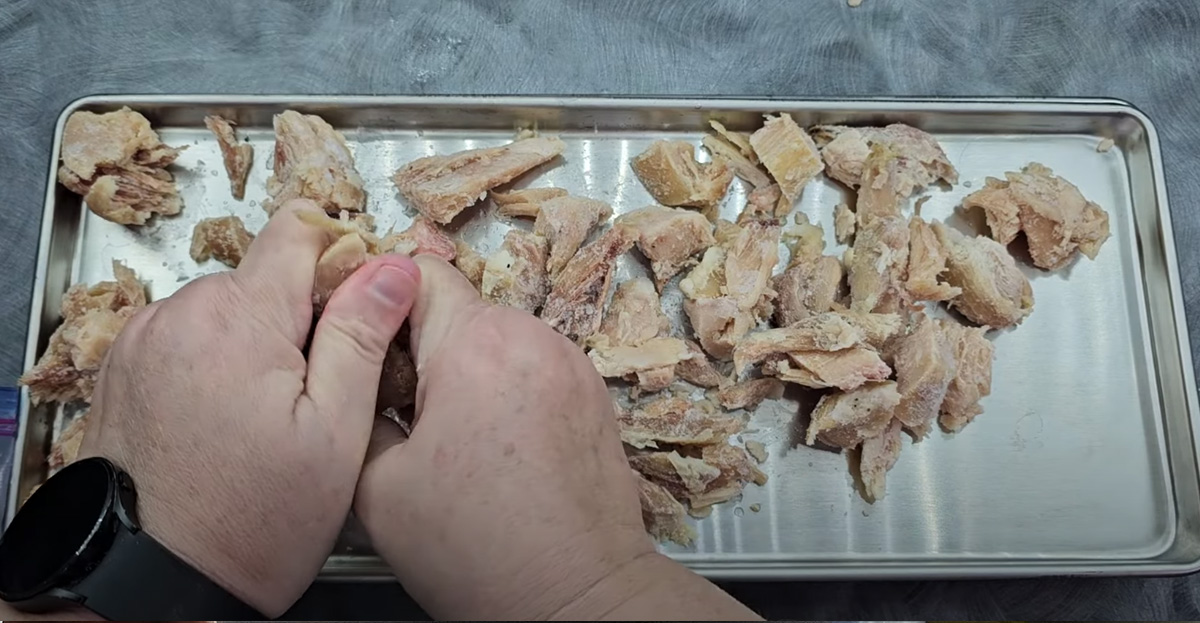
Consistency is paramount in freeze-drying. The meat must be cut into uniform pieces, ideally one inch or smaller. Smaller dimensions facilitate a more rapid and thorough extraction of moisture from the center of the protein fibers. This uniformity ensures that no "cold spots" or pockets of residual moisture remain, which could lead to spoilage during storage.
Phase Three: The Pre-Freeze Requirement
Efficiency in home freeze-drying is often measured by the duration of the machine’s cycle. By pre-freezing the chicken pieces in a standard chest or stand-up freezer for up to 24 hours prior to placing them in the freeze-dryer, the operator reduces the workload on the machine’s compressor. This step can shorten the machine cycle by several hours, reducing energy consumption and wear on the appliance.
Phase Four: The Freeze-Drying Cycle and Testing
Once the chicken is loaded into the vacuum chamber, the machine initiates a deep freeze followed by a vacuum-assisted drying phase. While most automated machines provide a projected completion time, experienced users often add an additional 24-hour drying buffer to ensure total moisture removal. Testing the product is critical: the chicken should feel "bone-dry" and break apart with a snap rather than a bend. A common analytical method used by enthusiasts involves weighing the tray at the end of the cycle, running it for two additional hours, and weighing it again. If the weight has not changed, the moisture has been completely removed.
Nutritional Profile and Yield Analysis
One of the primary advantages of freeze-drying chicken is the stability of its nutritional profile. Because the process does not involve the high temperatures associated with canning or traditional drying, the amino acids and micronutrients remain largely intact.
Based on standard nutritional data for rotisserie chicken, a one-cup serving of the rehydrated product typically provides:
- Calories: 109 kcal
- Protein: 16g
- Fat: 5g
- Sodium: 205mg (subject to store seasoning)
- Carbohydrates: 0g
In terms of yield, freeze-dried chicken does not undergo the significant shrinkage seen in dehydrated products. The volume remains nearly identical to the fresh state. Therefore, a recipe calling for one cup of cooked chicken will require exactly one cup of freeze-dried chicken. This 1:1 ratio simplifies meal planning and inventory management for households.
Strategic Storage and the "Fat Factor"
The storage of freeze-dried proteins requires a departure from the "25-year shelf life" expectations often associated with freeze-dried fruits and vegetables. The limiting factor in the longevity of freeze-dried meat is the fat content. Even with careful trimming, rotisserie chicken—particularly the dark meat—contains lipids that are susceptible to oxidation over time.
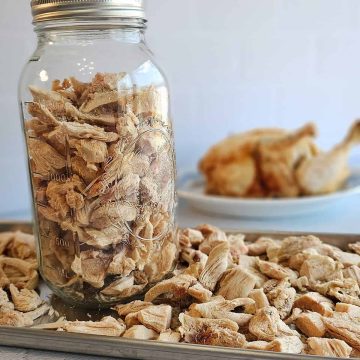
For optimal results, the chicken should be stored in airtight containers, such as heavy-duty Mylar bags or glass canning jars. The use of oxygen absorbers (O2 absorbers) is mandatory for long-term storage to prevent the oxidation of residual fats. While many freeze-dried goods can last decades, rotisserie chicken is best utilized within a six-month to two-year window. This makes it a "rolling stock" item—a product that is constantly used and replenished—rather than a "set and forget" survival food.
Economic Implications and Waste Mitigation
The economic benefit of freeze-drying rotisserie chicken is rooted in the "loss leader" pricing strategy used by major retailers like Costco and Walmart. These stores often sell rotisserie chickens at or below cost to drive foot traffic. For the consumer, this represents one of the lowest price-per-pound options for cooked protein.
By purchasing these chickens on clearance or in bulk, a household can process a large volume of meat at a fraction of the cost of raw chicken breast. Furthermore, the "zero-waste" aspect of this process is significant. In a typical household, the carcass of a rotisserie chicken is often discarded. In the freeze-drying workflow, the carcass is converted into nutrient-dense bone broth. This broth can be freeze-dried into a powder, providing a shelf-stable base for soups and stews, thereby extracting every cent of value from the initial purchase.
Practical Applications and Rehydration Protocols
The versatility of freeze-dried rotisserie chicken in the kitchen is a major draw for busy families. Rehydration can be achieved through two primary methods:
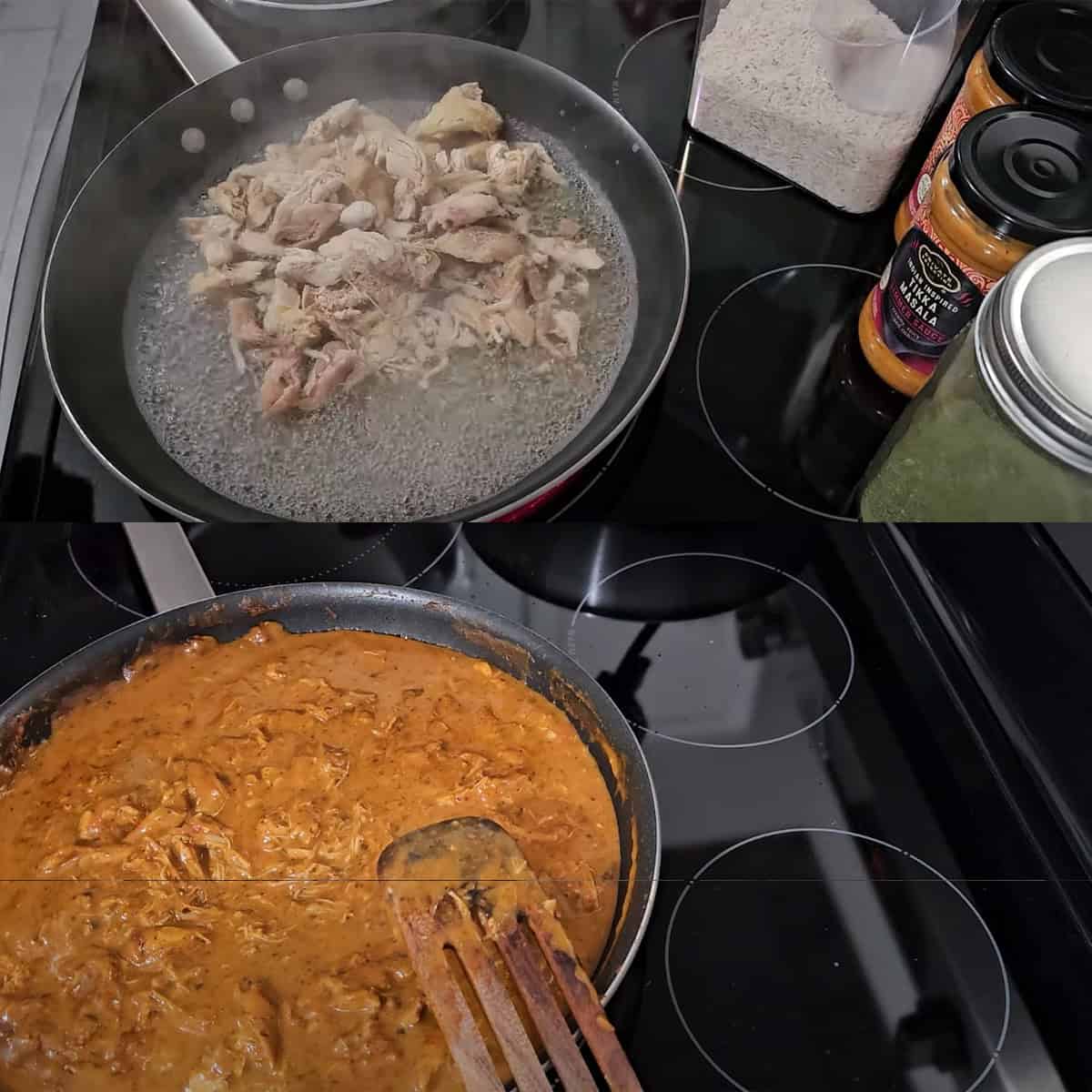
- Hot Rehydration: The chicken is added directly to a skillet with a small amount of water or broth. As the liquid simmers, the chicken absorbs the moisture, returning to its original texture within minutes. This is ideal for tacos, pasta dishes, and stir-fries.
- Cold Rehydration: For use in chicken salads or cold wraps, the meat is placed in a bowl of cool water or broth and refrigerated. This method ensures the meat remains tender without further cooking.
The product is particularly effective in "one-pot" meals where it can be added dry alongside rice or pasta, absorbing the cooking liquid as the meal prepares.
Broader Impact on Food Security and Sustainability
The rise of home-preserved rotisserie chicken reflects a broader shift toward food self-sufficiency. As global supply chains remain volatile and inflation affects meat prices, the ability to create a "personal grocery store" within the home provides a psychological and financial safety net.
Moreover, this practice aligns with sustainable living goals. By reducing the reliance on commercially canned meats—which often contain high levels of preservatives and require significant energy for transport and packaging—home freeze-drying offers a cleaner, more localized alternative. It empowers the consumer to control the quality of their food, from the initial selection of the chicken to the final vacuum seal.
In conclusion, freeze-drying rotisserie chicken is more than a culinary trend; it is a sophisticated marriage of technology and traditional thrift. It allows for the preservation of high-quality protein, the mitigation of food waste, and the stabilization of the household food budget. As more households adopt these methods, the resilience of the domestic food supply is strengthened, one jar at a time.