A groundbreaking new sourdough recipe, featuring a unique blend of aniseed, buckwheat, and barley malt, is making waves in the artisan baking community, promising a hearty, spice-forward loaf engineered for both exceptional flavor and extended freshness. This innovative bread, developed by a prominent voice in the sourdough movement, stands as a testament to the evolving sophistication of home and professional baking, marrying ancient grains with meticulous techniques to produce a truly distinctive product.
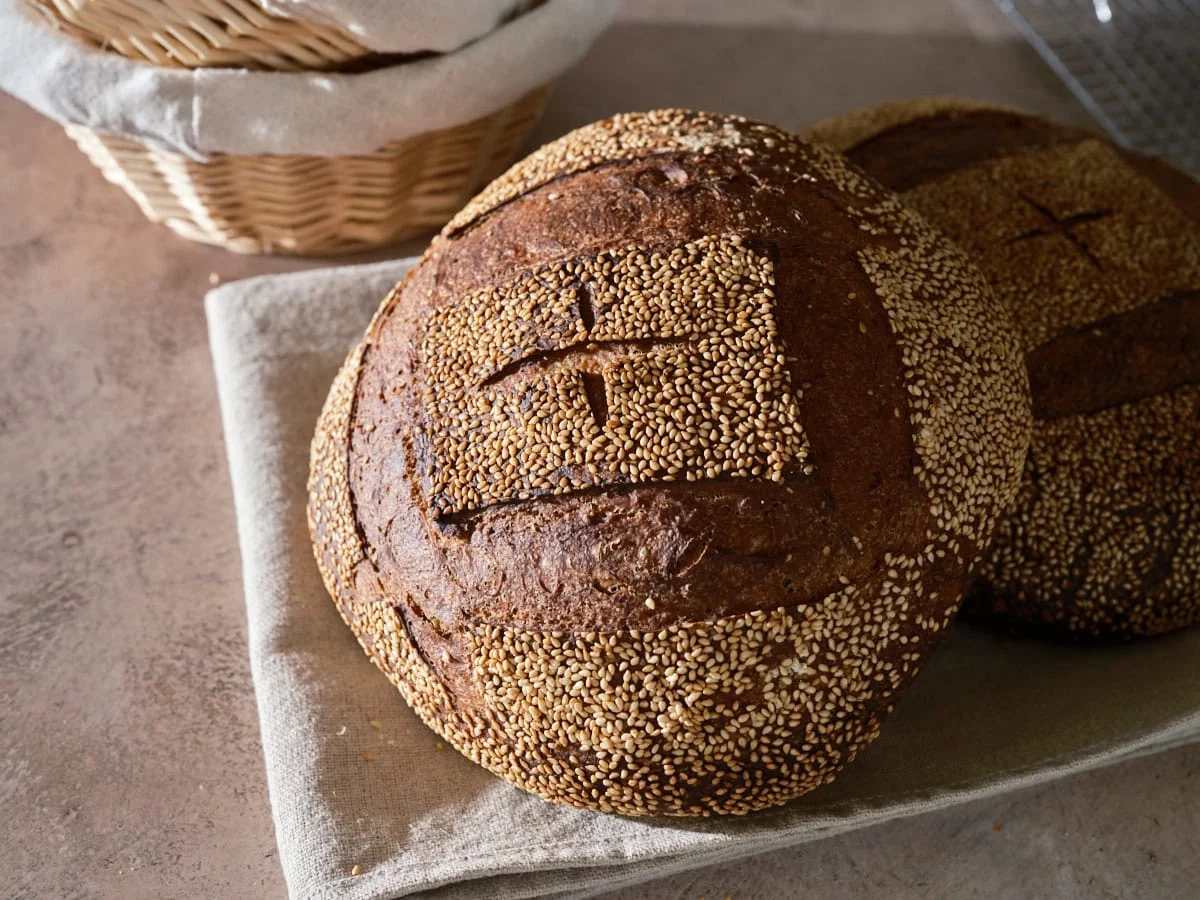
The creation of this sourdough was driven by a desire to craft a bread that offered robust comfort during colder months, yet possessed a complex flavor profile capable of transcending seasonal appeal. At its heart lies the bold, licorice-sweet aroma of aniseed, a spice that, according to the developer, "doesn’t politely wait for you to smell it. It arrives." This assertive quality is thoughtfully balanced by the earthy, mineral, and slightly tannic notes of buckwheat, resulting in a remarkably harmonious and irresistible loaf. The addition of sweet, rich barley malt syrup further deepens the bread’s character, contributing to both its flavor and the fermentation process. A visual flourish of striking white sesame seeds on the crust not only complements the bread’s inherent sweetness and spice but also highlights its whole-grain composition.
The Strategic Integration of the Flour Scald Technique
A cornerstone of this recipe’s innovation is the strategic use of a flour scald, a technique pivotal in enhancing both flavor and the ultimate texture of the bread. This method, which involves simply covering a portion of the flour with boiling water, transforms it into a thick, gelatinous paste. Scientifically, this process, akin to the Japanese yudane and Chinese tangzhong techniques, causes the starch molecules in the flour to gelatinize. When subsequently incorporated into the main dough, this scalded flour binds moisture more effectively than raw flour. The implications are significant: the final loaf boasts an exceptionally silky texture, remains softer for a considerably longer duration, and exhibits a delayed staling process, thereby extending its shelf life.
Culinary experts often highlight the flour scald’s capacity to amplify the natural aromas and flavors of the grains. In this buckwheat and malt sourdough, the scald not only contributes to the bread’s structural integrity but also intensifies the nutty nuances of the buckwheat, creating a more profound taste experience. This technique, while seemingly simple, represents a sophisticated approach to moisture management and textural refinement in bread making, a hallmark of advanced artisan practices.
A Deep Dive into Distinctive Ingredients
The selection of ingredients is paramount to the bread’s unique identity. Aniseed, a spice with a rich history in global cuisines, particularly in confectionery and baked goods, brings a heady, aromatic sweetness. Its inclusion in a large sourdough loaf is a less common application, signaling a deliberate move towards expanding the flavor horizons of traditional bread. The pungency of freshly ground anise is a sensory delight experienced from the very first step of preparation, foreshadowing the complex flavors to come.
Buckwheat, despite its name, is not a wheat but a pseudocereal, celebrated for its robust nutritional profile and distinctive flavor. It is naturally gluten-free, though its use in this wheat-based sourdough is for flavor and texture rather than gluten avoidance. Even in small percentages, buckwheat flour is known to affect the crumb structure of bread, tending to create a tighter, more closed crumb due to its lack of gluten-forming proteins. However, this characteristic is embraced in this recipe, trading a very open crumb for an intense earthiness and a gorgeous, speckled coloration that enhances the loaf’s rustic appeal. Its mineral notes provide a crucial counterpoint to the anise’s sweetness, ensuring a balanced palate.
The base flour, a high-extraction (Type 85) wheat flour, specifically Cairnspring’s Trailblazer, was chosen for its ability to impart a hearty character, ideal for a sandwich bread. Type 85 flour retains more of the bran and germ than standard white flour, offering an increased depth of flavor and nutritional benefits without compromising too heavily on gluten development. This choice aligns with a broader industry trend towards utilizing flours that bridge the gap between refined white flour and whole wheat, offering enhanced taste and nutrition. Complementing this, a portion of whole wheat flour (Camas Country Hard Red Wheat) further contributes to the bread’s robust structure and flavor complexity.
Barley malt syrup plays a dual role, providing a gentle sweetness that complements the anise and aids in crust browning, while also serving as a food source for the yeast and bacteria in the sourdough starter, contributing to a more active and vigorous fermentation.
The Meticulous Two-Day Baking Chronology
The creation of this scalded buckwheat and malt sourdough is a deliberate, two-day process, meticulously designed to maximize flavor development and achieve optimal dough characteristics. This extended timeline, while requiring patience, minimizes active hands-on time for the baker, making the intricate process accessible.
Day 1:
- 9:00 a.m. – Levain Preparation: The process begins with the creation of the levain, the active sourdough starter that provides the leavening. A precise mixture of high-extraction wheat flour, water, and ripe sourdough starter is combined and left to ripen at a controlled temperature of 74-76°F (23-24°C) for approximately three hours. This critical step ensures the levain is at its peak activity when incorporated into the main dough.
- 9:10 a.m. – Flour Scald Preparation: Almost concurrently, the buckwheat flour scald is prepared. Boiling water is poured over the buckwheat flour, stirred into a paste, covered, and set aside to cool and fully gelatinize its starches. This allows ample time for the scald to reach the appropriate temperature for dough integration.
- 11:00 a.m. – Autolyse: Following the levain’s ripening, the main flours (high-extraction and whole wheat), along with a portion of the water and the prepared flour scald, undergo a one-hour autolyse. This resting period allows the flour to fully hydrate and the gluten to begin developing without the presence of salt or levain, resulting in a stronger, more extensible dough. The water temperature for the autolyse is carefully calculated to achieve a target final dough temperature (FDT) of 78°F (25°C), crucial for controlling fermentation rates.
- 12:00 p.m. – Mixing: The levain and fine sea salt are introduced, followed by the remaining water (Water 2) using the bassinage technique. This method involves holding back a portion of the water until after the initial mixing, allowing the baker to assess the dough’s hydration and add water incrementally if the dough can absorb it without becoming overly slack. This is particularly important given the recipe’s high hydration level (75%, or 83% including the scald). The dough is mixed thoroughly, either mechanically or by hand using slap-and-fold or in-bowl methods, until it achieves a smooth, cohesive consistency.
- 12:30 p.m. – Bulk Fermentation (3 hours): The mixed dough enters its bulk fermentation phase at a warm room temperature of 74-76°F (23-24°C). This period is crucial for flavor development and strengthening the dough’s structure. Two sets of stretches and folds are performed at 30-minute intervals during the initial stage, enhancing gluten development and evenly distributing fermentation activity. The dough is expected to increase in volume by approximately 30% by the end of this phase.
- 3:30 p.m. – Pre-shape: The fermented dough is gently divided into two portions and pre-shaped into loose rounds, then allowed to rest uncovered for 30 minutes. This resting period helps the dough relax, making it easier to handle during final shaping.
- 4:00 p.m. – Final Shape: Each round is shaped using a "gather up" method, creating surface tension, and then inverted onto a bed of raw white sesame seeds before being placed seam-side up into a proofing basket.
- 4:15 p.m. – Cold Proof: The shaped loaves are covered and placed in the refrigerator for an extended cold proof overnight. This low-temperature fermentation significantly slows down yeast activity, allowing for a deeper development of complex flavors and organic acids, contributing to the characteristic sourdough tang and improving the bread’s overall structure.
Day 2:
- 9:00 a.m. – Baking: The oven is preheated to 450°F (230°C) with a Dutch oven or baking vessel inside. Loaves are retrieved from the fridge, scored, and carefully transferred to the hot baking vessel. The initial 20 minutes of baking are conducted with steam (by covering the vessel or introducing ice into a separate pan), which promotes maximum oven spring and a glossy, thin crust. After this period, the steam is vented (lid removed), and baking continues for another 30 minutes, allowing the crust to crisp and deepen in color. The target internal temperature for a fully baked loaf is around 204°F (95°C).
- Cooling: Upon removal from the oven, the loaves are cooled on a wire rack for 1 to 2 hours. This final cooling period is vital, allowing the internal structure to set and residual moisture to equilibrate, preventing a gummy crumb and ensuring optimal flavor.
Broader Implications and Culinary Significance
This Scalded Buckwheat and Malt Sourdough Bread represents more than just a recipe; it signifies a current trajectory in artisan baking that prioritizes unique flavor combinations, the re-evaluation of traditional techniques, and a conscious move towards more nutritious, whole-grain offerings. Its development underscores the increasing sophistication of sourdough baking, pushing beyond basic flour-water-salt formulations to explore a broader spectrum of textures and tastes.
Culinary analysts suggest that such innovations inspire both professional bakers and home enthusiasts to experiment further with diverse grains, spices, and advanced dough management techniques. The emphasis on extending freshness through methods like the flour scald also addresses a practical consumer demand for artisan breads that maintain quality for longer periods.
From a nutritional standpoint, the incorporation of high-extraction wheat and buckwheat contributes a richer array of fiber, minerals, and complex carbohydrates compared to more refined breads. This aligns with broader health and wellness trends that advocate for nutrient-dense foods.
In conclusion, this Scalded Buckwheat and Malt Sourdough Bread stands as a significant contribution to the world of artisan baking. Its thoughtful combination of bold flavors, innovative techniques, and robust ingredients creates a loaf that is not only a delight to the senses but also a benchmark for future culinary exploration in the ever-evolving domain of bread making.