The vibrant culinary landscape of La Jolla recently played host to a significant literary event, as author Austin Durant, the visionary founder of Fermenters Club, celebrated the launch of his highly anticipated new book, Fearless Fermenting, with an engaging book signing at the esteemed Warwick’s bookstore on Sunday, June 22, 2024. The event provided an invaluable opportunity for enthusiasts and newcomers alike to connect directly with Durant, acquire signed copies of his definitive guide, and delve into the transformative world of fermented foods. Beyond the in-person gathering, the book has swiftly become accessible to a global audience, available for purchase through major online retailers like Amazon and directly via the author’s dedicated website, fearlessfermenting.com, as well as the Fermenters Club online shop. This multi-channel approach underscores Durant’s commitment to disseminating knowledge and fostering a widespread appreciation for the ancient art and science of fermentation.
The Genesis of "Fearless Fermenting": A Decade and a Half of Expertise
Austin Durant brings a profound depth of experience to his literary debut. With an impressive 16 years dedicated to the practice and promotion of fermenting food, Durant has established himself as a leading authority in the field. His journey began with a personal interest that evolved into a comprehensive mission: to demystify fermentation and empower individuals to integrate these beneficial practices into their daily lives. This extensive background culminates in Fearless Fermenting, a book designed not only as a practical guide but also as an inspirational primer for anyone looking to explore the health and flavor benefits of fermented foods.
The book’s title, "Fearless Fermenting," directly addresses a common barrier for many aspiring home fermenters: the apprehension surrounding food safety and the perceived complexity of the process. Durant’s philosophy, meticulously articulated within the book, centers on breaking down these fears through clear, concise instructions, robust scientific explanations, and an encouraging tone. He aims to instill confidence in his readers, assuring them that with proper guidance and understanding, fermentation is an accessible and rewarding endeavor.
The content of Fearless Fermenting is comprehensive, covering a wide array of fermented products. Readers can expect to find detailed recipes and techniques for staples such as sauerkraut, kimchi, kombucha, kefir, and various lacto-fermented vegetables. Beyond the basics, the book likely delves into more advanced topics, potentially including sourdough baking, tempeh, natto, and even fermented beverages like mead or kvass, depending on the scope of Durant’s exploration. Each chapter is structured to build knowledge progressively, ensuring that both novice fermenters and those with some experience can find value and expand their repertoire. Emphasis is placed on using high-quality, readily available ingredients, promoting a sustainable and economical approach to food preparation.
Warwick’s: A Historic Venue for a Modern Movement
The choice of Warwick’s in La Jolla as the venue for the book signing was particularly fitting. As one of the oldest continually family-owned and operated bookstores in the United States, Warwick’s boasts a rich literary history stretching back to 1896. It has long served as a cultural cornerstone for San Diego, renowned for its curated selection of books, vibrant community events, and its tradition of hosting prominent authors. The bookstore’s commitment to fostering intellectual engagement and supporting local and emerging talents aligns perfectly with the mission of Fearless Fermenting.
The atmosphere at the book signing on June 22 was reportedly one of enthusiastic engagement and intellectual curiosity. Attendees had the unique opportunity to interact directly with Austin Durant, posing questions about fermentation techniques, troubleshooting common issues, and gaining insights into his personal journey. Such events are crucial in today’s digital age, offering a tangible connection between author and reader that digital platforms cannot fully replicate. The ability to receive a signed copy and exchange words with the creator of a work often leaves a lasting impression, transforming a simple purchase into a memorable experience. Warwick’s, with its cozy yet sophisticated ambiance, provided an ideal setting for this intimate exchange, reinforcing its reputation as a beloved community hub.
The Fermenters Club: Cultivating a Global Community
Central to Austin Durant’s work is the Fermenters Club, an organization he founded to further champion the art of fermentation. The club serves as a vibrant online and, at times, in-person community for individuals passionate about fermented foods. Through workshops, online resources, and shared experiences, the Fermenters Club has become a pivotal platform for education, support, and innovation within the fermentation movement.
Durant’s personal ethos, reflected in the club’s activities, extends beyond mere culinary techniques. His interests in permaculture gardening, cooking, yoga, writing, and the study of cosmology and esoteric traditions highlight a holistic approach to well-being and sustainability. This broader perspective enriches his understanding of food systems, health, and the interconnectedness of natural processes. For instance, his engagement with permaculture gardening likely informs his recommendations for sourcing ingredients and understanding ecological cycles relevant to fermentation. Similarly, his practice of yoga and study of esoteric traditions may contribute to a mindful and deliberate approach to food preparation, emphasizing patience, observation, and respect for natural transformations. These diverse interests underscore that Fearless Fermenting is more than just a cookbook; it is an invitation to a lifestyle rooted in health, self-sufficiency, and a deeper connection to nature.
The Resurgence of Fermentation: A Global Health and Culinary Trend
The launch of Fearless Fermenting comes at a time when fermented foods are experiencing an unprecedented global resurgence. Historically, fermentation was a critical method of food preservation, especially before refrigeration became widespread. Cultures worldwide developed unique fermented products, from kimchi in Korea and sauerkraut in Germany to kombucha in East Asia and sourdough bread across Europe. This ancient practice, however, saw a decline with the advent of industrial food processing and modern refrigeration techniques.
In recent decades, there has been a significant revival, driven by increasing scientific understanding of the human gut microbiome and its profound impact on overall health. Research has linked a healthy gut to improved digestion, enhanced immune function, better mental health, and even a reduced risk of chronic diseases. Fermented foods, rich in beneficial microorganisms (probiotics), prebiotics, and various nutrients, are now widely recognized for their potential to support gut health and contribute to a balanced diet.
The market for fermented foods and beverages has witnessed substantial growth. According to various market research reports, the global fermented food and ingredients market size was valued at several hundred billion dollars in recent years and is projected to continue growing at a Compound Annual Growth Rate (CAGR) of 5-8% over the next decade. This growth is fueled by consumer demand for natural, functional foods, increasing awareness of gut health benefits, and a growing interest in diverse culinary experiences. Products like kombucha, kefir, yogurt, and kimchi are no longer niche items but are increasingly mainstream, found in supermarkets and health food stores worldwide.
Beyond health benefits, fermentation also plays a crucial role in sustainability and reducing food waste. By transforming raw ingredients into preserved forms, fermentation extends the shelf life of produce, minimizing spoilage. It can also enhance the nutritional profile of foods, making certain nutrients more bioavailable. In an era increasingly focused on environmental consciousness and sustainable living, the practices advocated in Fearless Fermenting offer practical solutions for individuals to contribute to a more resilient and less wasteful food system.
Broader Implications and Future Outlook
The success of Fearless Fermenting and the continued growth of the Fermenters Club highlight several significant implications for the food industry, public health, and individual empowerment. Firstly, authors like Austin Durant are instrumental in bridging the gap between scientific research on gut health and practical application in the home kitchen. By translating complex microbiological processes into actionable recipes and techniques, they enable a wider audience to benefit from these discoveries.
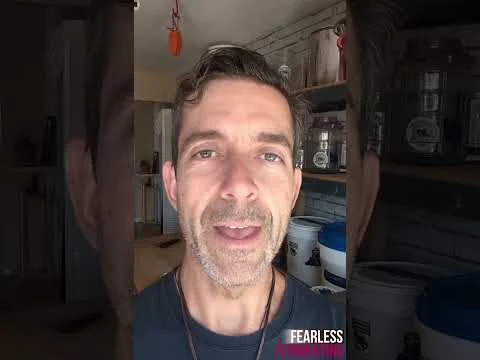
Secondly, the book’s availability across multiple platforms—Warwick’s, Amazon, and the Fermenters Club website—demonstrates a modern publishing strategy that maximizes reach and accessibility. This multi-pronged approach ensures that geographical limitations do not hinder the dissemination of valuable knowledge, allowing Durant’s message of "fearless fermenting" to resonate with a global readership. The inclusion of a YouTube video, likely featuring insights or demonstrations from the author, further enhances this accessibility, catering to diverse learning styles.
Looking ahead, the momentum generated by Fearless Fermenting is expected to further solidify Austin Durant’s position as a thought leader in the fermentation community. His work contributes to a broader movement that encourages self-sufficiency in food preparation, a deeper understanding of food’s origins, and a proactive approach to personal health. As interest in holistic well-being and sustainable living continues to grow, resources like Fearless Fermenting will remain invaluable tools for individuals seeking to explore the enriching world of fermented foods. The impact of such works extends beyond the kitchen, fostering a greater connection to nature, community, and personal wellness, ultimately contributing to a more informed and empowered populace regarding their dietary choices and health.