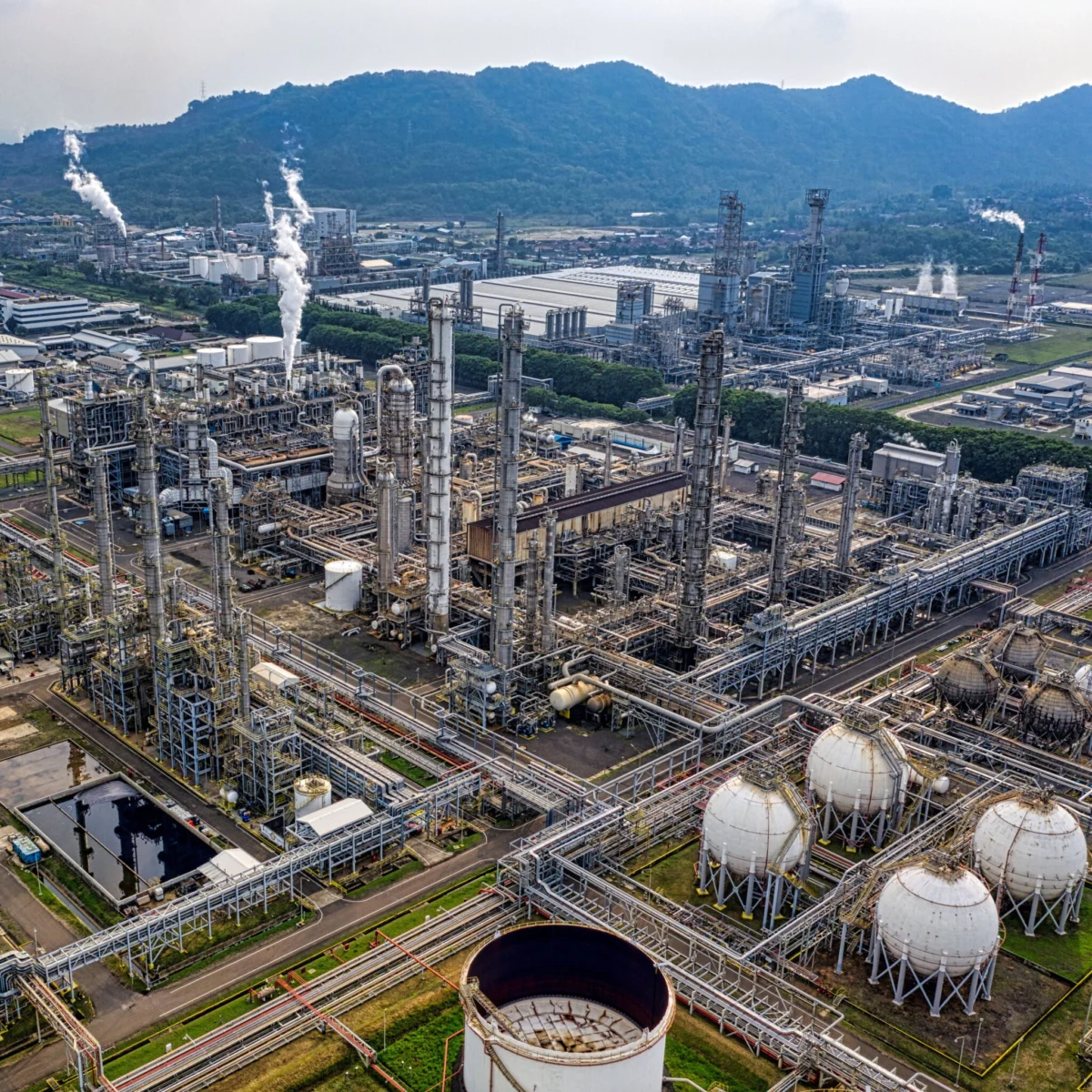
The industrial corridor stretching approximately 85 miles along the Mississippi River between New Orleans and Baton Rouge, Louisiana, has earned the grim moniker Cancer Alley due to the dense concentration of fossil fuel and petrochemical facilities operating in close proximity to residential areas. This region, home to more than 200 plants, represents one of the most significant environmental justice challenges in the United States. Residents within this corridor are exposed to levels of hazardous air pollutants that result in a health risk more than ten times higher than the average for the rest of the state. This disparity is not distributed equally across the population; the communities most affected are predominantly Black, Indigenous, and People of Color (BIPOC) and reside in low-income brackets, leading many advocates and international observers to categorize the region as a "sacrifice zone."
Understanding the Petrochemical Infrastructure and Production Processes
Petrochemical plants are specialized industrial facilities designed to convert raw hydrocarbons—primarily crude oil and fracked natural gas—into the chemical building blocks used for an array of modern products. These facilities are often integrated into larger refinery complexes to minimize logistics costs and maximize throughput. The primary outputs of these plants include plastics, synthetic fibers, industrial chemicals, and pesticides, which serve as the foundation for the automotive, pharmaceutical, textile, and electronics industries.
The production cycle begins with the extraction of raw materials, a process that is inherently carbon-intensive. Once transported to a petrochemical facility, these materials undergo high-heat processing. One of the most common processes involves "steam crackers," which break down larger molecules into simpler ones. A primary example is the production of ethylene, the most widely produced petrochemical globally. Ethylene is the precursor to polyethylene, categorized as resin #2 (High-Density Polyethylene or HDPE) and resin #4 (Low-Density Polyethylene or LDPE). These resins are used to manufacture everything from milk jugs and detergent bottles to grocery bags and plastic films.
Beyond olefins like ethylene, the industry relies on aromatic plants that produce benzene, toluene, and xylene. These chemicals are essential for the production of dyes and detergents but are also known carcinogens. Additionally, syngas plants utilize natural gas or coal to generate synthetic gas, which is subsequently converted into ammonia for fertilizers or methanol for industrial applications. Each of these processes requires immense energy inputs and results in the release of various byproducts into the surrounding environment.
A Chronology of Industrial Growth and Community Displacement
The transformation of the lower Mississippi River valley from an agricultural "Plantation Country" to an industrial powerhouse began in the mid-20th century. Following World War II, the demand for synthetic materials and fuel surged, prompting oil companies to seek land with easy access to deep-water shipping lanes and abundant water for cooling processes.
By the 1960s and 1970s, the region saw a massive influx of investment. However, this industrialization occurred on the very land where formerly enslaved people had established free towns and communities following the Civil War. As the plants expanded, they physically hemmed in these historic communities. By the late 1980s, the term "Cancer Alley" began to circulate in local and national media as health statistics in parishes like St. James, St. John the Baptist, and Ascension began to show alarming trends in rare cancers and respiratory ailments.
In the 21st century, the boom in domestic fracking provided a cheap and abundant supply of ethane, a byproduct of natural gas. This led to a "second wave" of petrochemical expansion. Since 2010, dozens of new projects and expansions have been permitted in the region. Despite growing national awareness of environmental racism, state and local authorities have continued to offer significant tax incentives to attract further industrial development, often over the vocal objections of local residents.
Data-Driven Analysis of Health Risks and Environmental Contamination
The health implications of living near petrochemical hubs are documented in various scientific and human rights reports. According to a 2024 analysis published in the New England Journal of Medicine, the production and disposal of plastics and petrochemicals are directly linked to an increase in non-communicable diseases. The primary mechanism of harm is the release of Volatile Organic Compounds (VOCs) and particulate matter into the air.
Data from Human Rights Watch, which conducted 70 in-depth interviews with residents in the corridor, paints a harrowing picture of the human toll. Women in Cancer Alley have reported high rates of miscarriages, high-risk pregnancies, and neonatal health complications. Furthermore, the risk of infertility and chronic respiratory illnesses is significantly elevated.
Water contamination remains another critical vector of exposure. A report by the Environmental Integrity Project (EIP) revealed that nearly 70 petrochemical companies across the United States discharge millions of pounds of pollutants into public waterways annually. This is often the result of outdated or nonexistent federal regulations regarding specific chemical discharges. In Louisiana, residents have been found to have Polyfluoroalkyl substances (PFAS)—often called "forever chemicals"—in their drinking water at levels hundreds of times higher than the safety thresholds suggested by the Environmental Protection Agency (EPA).
Official Responses and Recent Legal Developments
The legal landscape surrounding Cancer Alley has been characterized by intense volatility. During the early years of the Biden administration, the EPA signaled a shift toward stricter oversight. In 2023, the Justice Department filed a landmark lawsuit against Denka Performance Elastomer, a plant in St. John the Baptist Parish, alleging that its emissions of chloroprene—a chemical used in neoprene production—posed an "unacceptable risk" of cancer to the community.
However, recent political shifts have seen a reversal of these efforts. Reports indicate that federal authorities have recently moved to drop or settle significant litigation involving petrochemical plants in the region. This has left community leaders feeling abandoned by the regulatory systems designed to protect them.
In neighboring Texas, the regulatory environment has remained aggressively pro-industry. Recently, state officials cleared the way for significant petrochemical expansions despite warnings from health experts regarding the cumulative impact of emissions on the Gulf Coast’s air quality. This trend suggests a broader national push to prioritize industrial capacity over local health outcomes.
Statements from Grassroots Organizations and Affected Residents
The resistance to petrochemical expansion is led by local residents who have transitioned from citizens to activists. Sharon Lavigne, a recipient of the Goldman Environmental Prize and founder of Rise St. James, has become a prominent voice in the movement. Her organization was instrumental in halting the construction of a $9.4 billion plastics complex proposed by Formosa Plastics. Lavigne’s message focuses on the fundamental right to clean air and water, stating that her community is "tired of being treated like a dumping ground."
Similarly, Robert Taylor of the Concerned Citizens of St. John has been vocal about the systemic nature of the problem. Taylor has frequently referred to his community as a "sacrifice zone," a term used by sociologists to describe areas where the health of residents is deemed an acceptable trade-off for industrial profit. Taylor’s advocacy emphasizes that the government has a moral and legal obligation to protect all citizens, regardless of their zip code or racial background.
Broader Implications and the Future of the Fossil Fuel Industry
The expansion of the petrochemical sector is not merely a local issue; it is a strategic pivot for the global fossil fuel industry. As the world moves toward renewable energy and electric vehicles, the demand for traditional transportation fuels like gasoline and diesel is projected to decline. In response, "Big Oil" companies are shifting their investments toward plastics and chemicals to ensure long-term profitability.
This shift has profound implications for global climate change. Petrochemical production is currently one of the fastest-growing sources of greenhouse gas emissions. If the industry is allowed to expand at its current projected rate, it could consume a significant portion of the remaining global carbon budget, making it nearly impossible to meet the goals of the Paris Agreement.
Furthermore, the "intersectionality" of the issue cannot be ignored. The environmental damage caused by these plants—polluted soil, contaminated aquifers, and degraded air quality—directly affects the economic stability of these regions by lowering property values and increasing healthcare costs for the most vulnerable populations.
Conclusion and Outlook
The situation in Cancer Alley remains a critical flashpoint in the national debate over environmental policy and civil rights. While industry proponents argue that these plants provide essential jobs and tax revenue for the state of Louisiana, activists and health professionals point to the unsustainable human and environmental costs.
The future of the region may depend on international pressure and federal intervention. Currently, negotiations for a Global Plastics Treaty are underway, which could potentially mandate caps on primary plastic polymer production. Locally, residents continue to advocate for "fenceline monitoring," which would require plants to install real-time sensors at their perimeters to alert communities to toxic leaks. Without significant regulatory reform and a shift away from the "sacrifice zone" mentality, the residents of Cancer Alley will continue to bear the disproportionate burden of a world increasingly dependent on synthetic materials.