
The landscape of home food preservation has expanded significantly in recent years, moving beyond traditional canning and pickling into the more technical realms of dehydration and freeze-drying. Among the various food groups targeted for preservation, dairy remains one of the most challenging due to its complex composition of proteins, sugars, and lipids. Parmesan cheese, a hard, aged Italian-style cheese, has emerged as a primary candidate for home dehydration enthusiasts seeking to create shelf-stable ingredients for camping, emergency preparedness, and specialized culinary applications. While the process offers a pathway to extending the utility of fresh cheese, it requires a nuanced understanding of the intersection between moisture removal and fat stability.
The Biochemical Foundations of Cheese Dehydration
To understand why Parmesan is particularly suited for dehydration—and why it remains distinct from other preserved foods—one must examine its chemical makeup. Dehydration is the process of removing water (moisture) to a level where microbial growth is inhibited. However, unlike fruits or vegetables, cheese contains significant quantities of fat. In the case of Parmesan, the fat content typically ranges from 25% to 30% in its fresh state.
The fundamental limitation of home dehydration is that while water can be evaporated, fats remain within the food matrix. This distinction is critical for food safety and storage expectations. When moisture is removed, the risk of bacterial spoilage is drastically reduced; however, the remaining fats are still susceptible to oxidation. Oxidation occurs when oxygen molecules interact with the lipids in the cheese, leading to the development of "off" flavors and odors—a process commonly known as rancidity. Consequently, while dehydrated Parmesan is more stable than its fresh counterpart, it cannot be classified as a multi-year shelf-stable product in the same vein as dried grains or commercially freeze-dried meats.
The Evolution of Hard Cheese Preservation
Historically, the creation of Parmesan (Parmigiano-Reggiano) was itself a form of food preservation. By removing moisture through long-term aging and utilizing salt as a preservative, cheesemakers created a product that could withstand months of storage. Modern dehydration techniques take this a step further by accelerating moisture loss in a controlled environment.
The current trend toward dehydrating Parmesan is driven by several factors: the rise of the "meals-in-a-jar" movement, the demand for lightweight, high-protein backpacking rations, and an increased interest in reducing domestic food waste. By converting a perishable wedge of cheese into a dry, concentrated crumb or shred, consumers can manage their pantry inventory more effectively and create customized seasoning blends that are not available in commercial markets.
Technical Methodology: A Systematic Approach to Dehydration
The process of dehydrating Parmesan cheese requires precision to ensure a consistent texture and to mitigate the risks associated with fat migration. The following chronology details the standard procedure utilized by food preservation experts.
Preparation and Processing
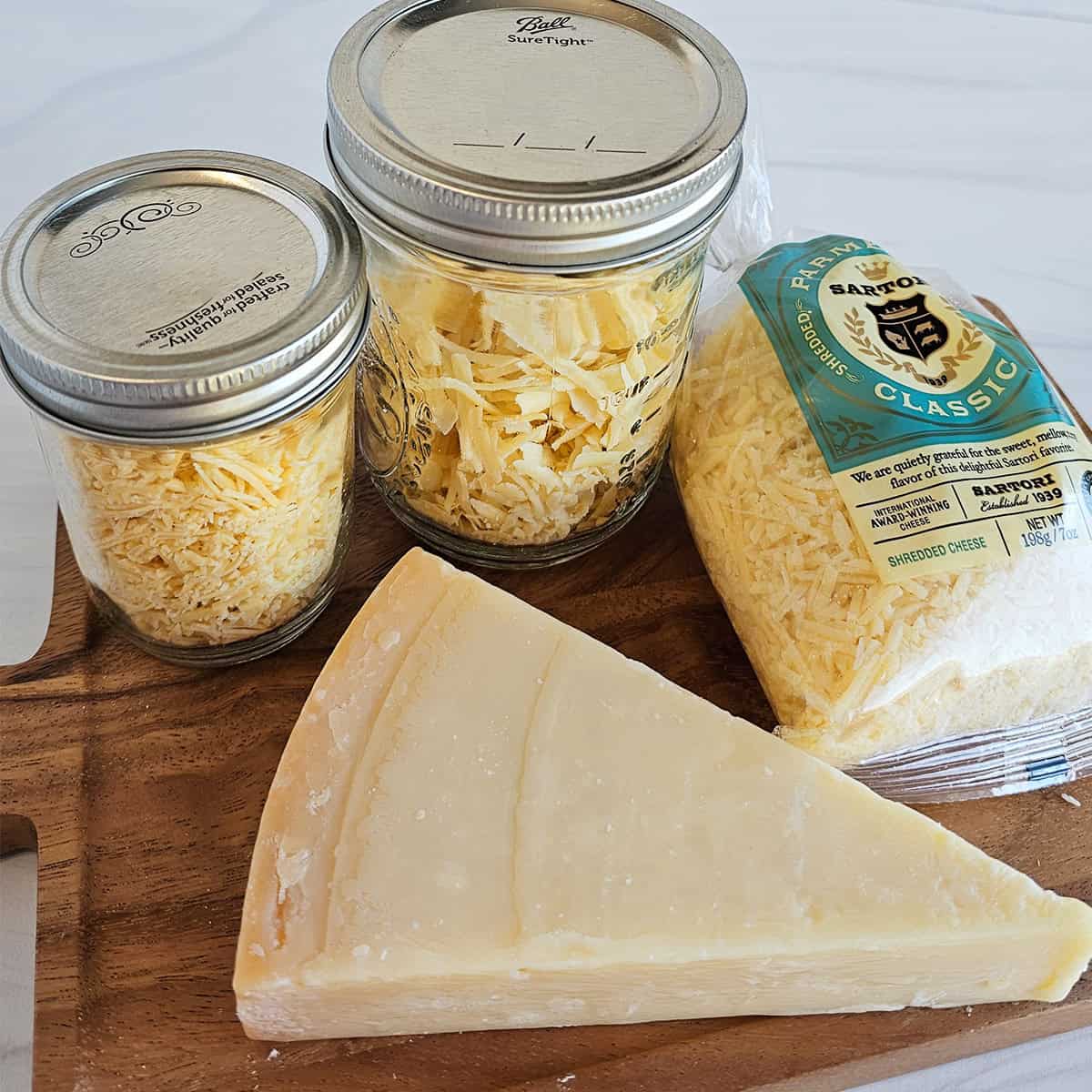
The quality of the final product is directly tethered to the initial state of the cheese. While pre-shredded commercial Parmesan can be used, it often contains anti-caking agents like cellulose, which may affect the texture. Experts generally recommend starting with a high-quality wedge of Parmesan or a similar hard cheese, such as Pecorino Romano or aged Asiago.
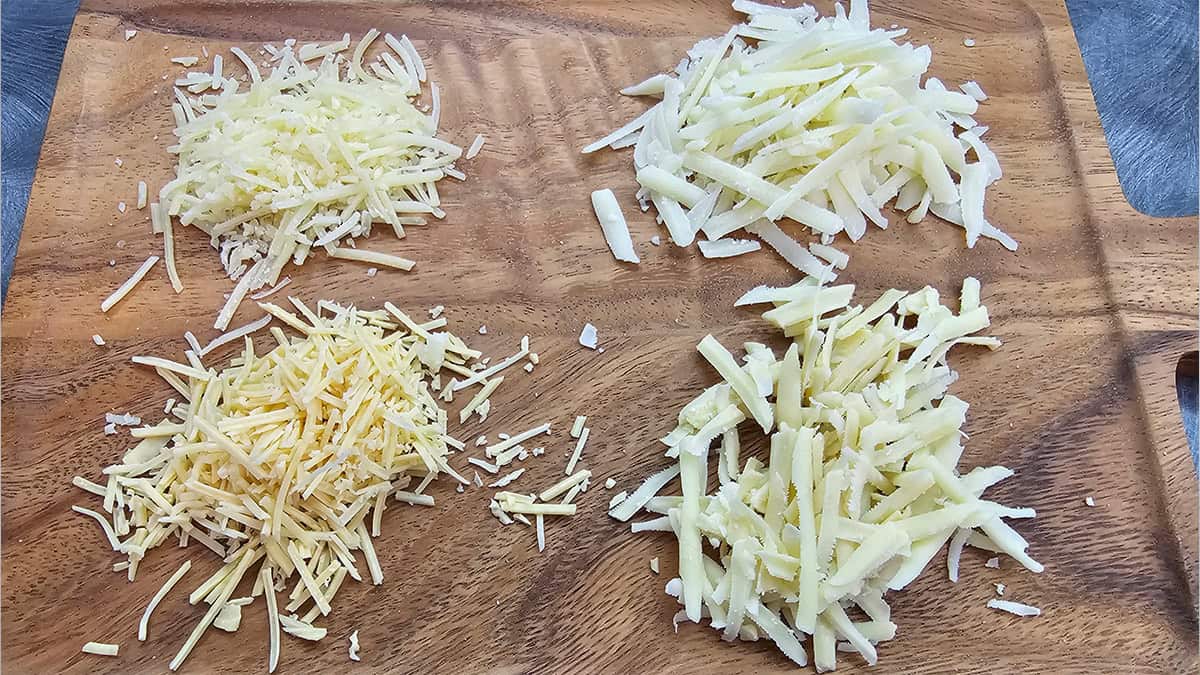
- Shredding: The cheese should be shredded into uniform, thin pieces. Finer shreds dehydrate more quickly and evenly than thick chunks.
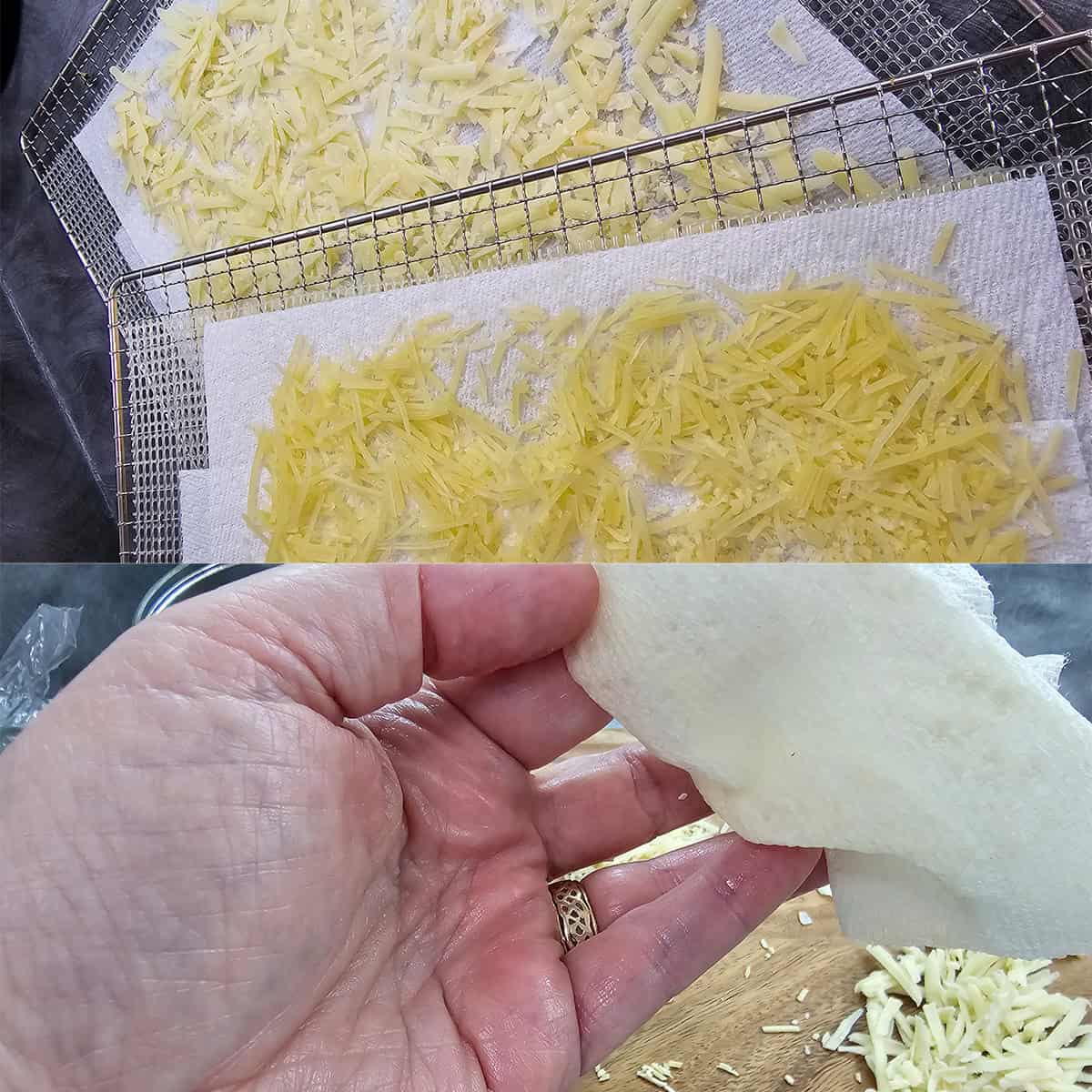
- Tray Setup: Dehydrator trays should be lined with mesh liners to prevent shreds from falling through. For cheeses with higher fat content, some practitioners utilize parchment paper or paper towels, though this can occasionally impede airflow.
- Temperature Calibration: The optimal temperature for dehydrating dairy is generally between 125°F and 135°F (52°C to 57°C). Setting the temperature too high can cause the cheese to melt rather than dry, effectively "locking" the moisture inside a casing of melted fat.
The Drying Phase and Fat Management
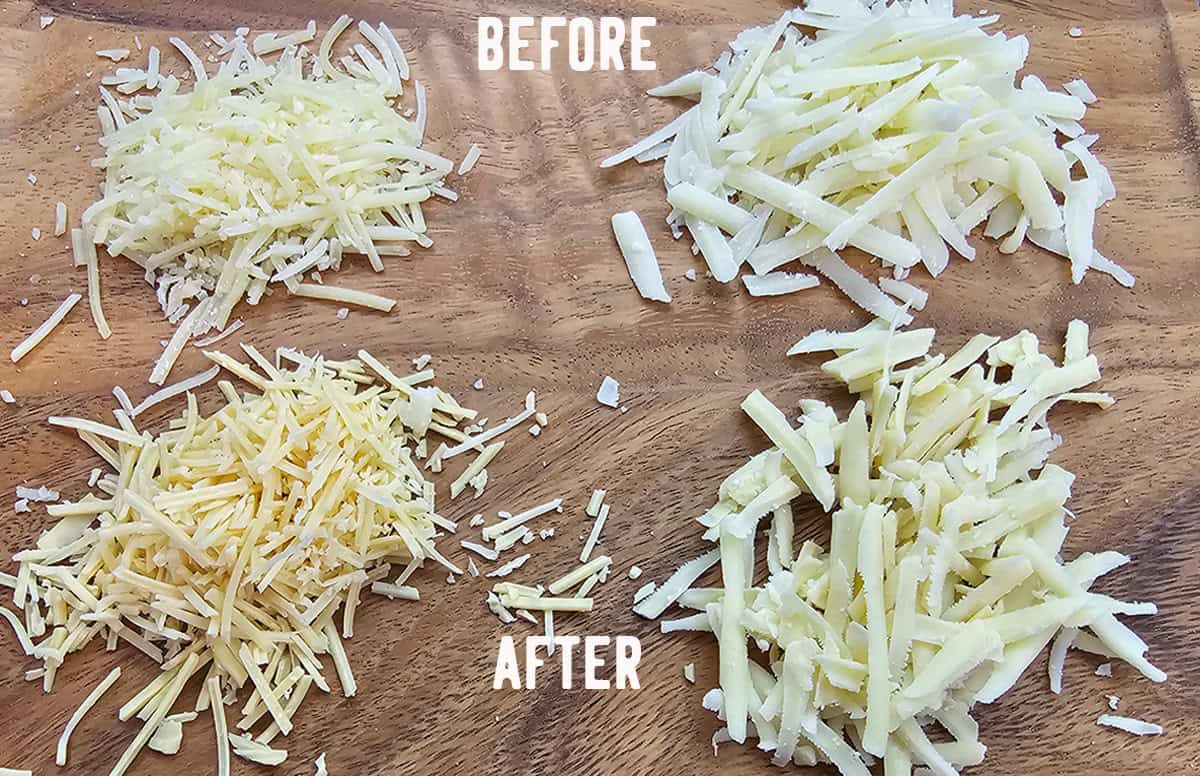
During the dehydration cycle, which typically lasts between 6 and 12 hours depending on humidity and shred thickness, the cheese undergoes a visible transformation. As the water evaporates, the oils within the cheese often migrate to the surface. This is a critical juncture in the process.
To improve the quality and potential shelf life of the cheese, it is necessary to perform "fat blotting." Periodically during the drying process, the trays should be removed, and the cheese should be gently patted with clean paper towels to remove excess oil. This reduces the total lipid load on the surface of the dried product, thereby slowing the eventual onset of oxidation.
Determining Dryness
The cheese is considered fully dehydrated when it reaches a "brittle" or "crunchy" state. It should not feel tacky or soft to the touch. Once the cycle is complete, the cheese must be allowed to cool completely at room temperature before being moved to storage containers to prevent condensation.
Nutritional Profile and Concentration Effects
Dehydrating Parmesan cheese results in a highly concentrated nutritional profile. Because the water weight is removed, the remaining solids—protein, fat, and minerals—are significantly more dense per gram than in fresh cheese.
Data suggests that a standard one-ounce serving of fresh shredded Parmesan contains approximately:
- Calories: 105–110 kcal
- Protein: 7–9g
- Fat: 7–8g
- Sodium: 430–450mg
When this same ounce is dehydrated, it loses approximately 15% to 20% of its weight in water, but the caloric and nutrient values remain the same. For individuals monitoring their sodium or caloric intake, it is vital to recognize that a quarter-cup of dehydrated cheese carries the nutritional weight of a much larger volume of fresh cheese. This concentration makes it an exceptional "superfood" for hikers and athletes who require high-density protein and electrolytes in a lightweight format.
Storage Protocols and Stability Analysis
The primary question for many home preservers is the duration of shelf stability. Because home dehydrators cannot remove 100% of the moisture and cannot remove any of the fat, the storage conditions are paramount.
Environmental Variables
- The Freezer: For maximum longevity, dehydrated Parmesan should be stored in the freezer. In this environment, the oxidation of fats is nearly halted, and the cheese can remain viable for several years.
- The Refrigerator: Storage in the fridge is a reliable mid-term solution, offering stability for 6 to 12 months.
- The Pantry Shelf: If stored in an airtight container in a cool, dark place, dehydrated Parmesan may last between 3 and 6 months. However, users must be vigilant for signs of rancidity.
Packaging Solutions
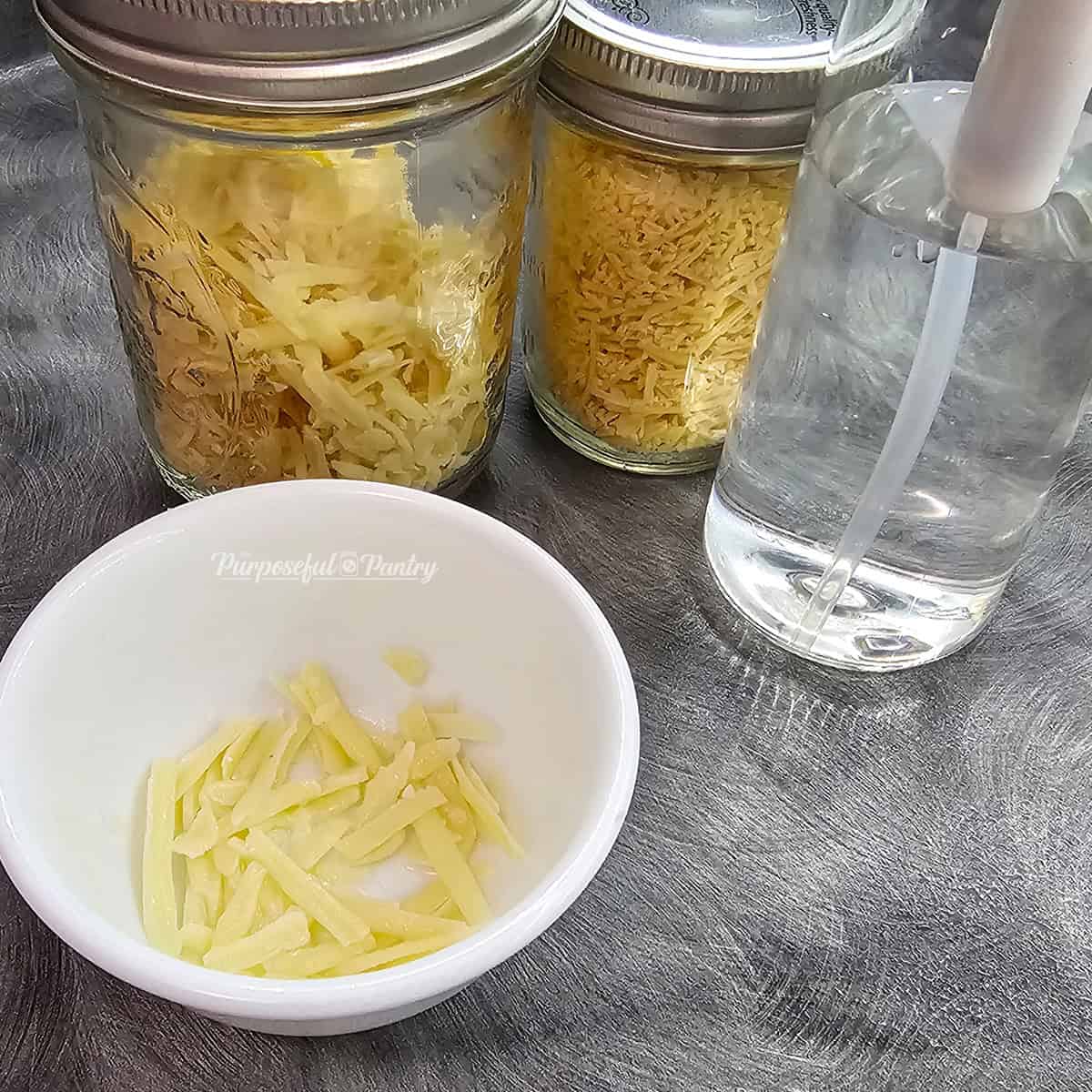
Vacuum sealing is the preferred method for storing dehydrated cheese, as it removes the oxygen necessary for fat oxidation. The inclusion of an oxygen absorber can further extend the shelf life. If the cheese is to be used frequently, glass canning jars with tight-fitting lids are an acceptable alternative, provided they are kept away from direct sunlight and heat sources.
Culinary Applications and Rehydration
Dehydrated Parmesan is prized for its versatility. It can be utilized in its dry state as a crunchy snack or a topping, or it can be reintegrated into liquid-based dishes.
Direct Integration
In its dry form, the cheese serves as a potent flavor enhancer. It is frequently used in:
- Seasoning Blends: Combined with dried mushrooms, garlic powder, and herbs to create umami-rich rubs.
- Breading: Mixed with breadcrumbs for coating meats or vegetables, providing a superior crunch compared to fresh cheese.
- Trail Snacks: Consumed alongside dried fruits and nuts for a savory protein boost.
Rehydration Techniques
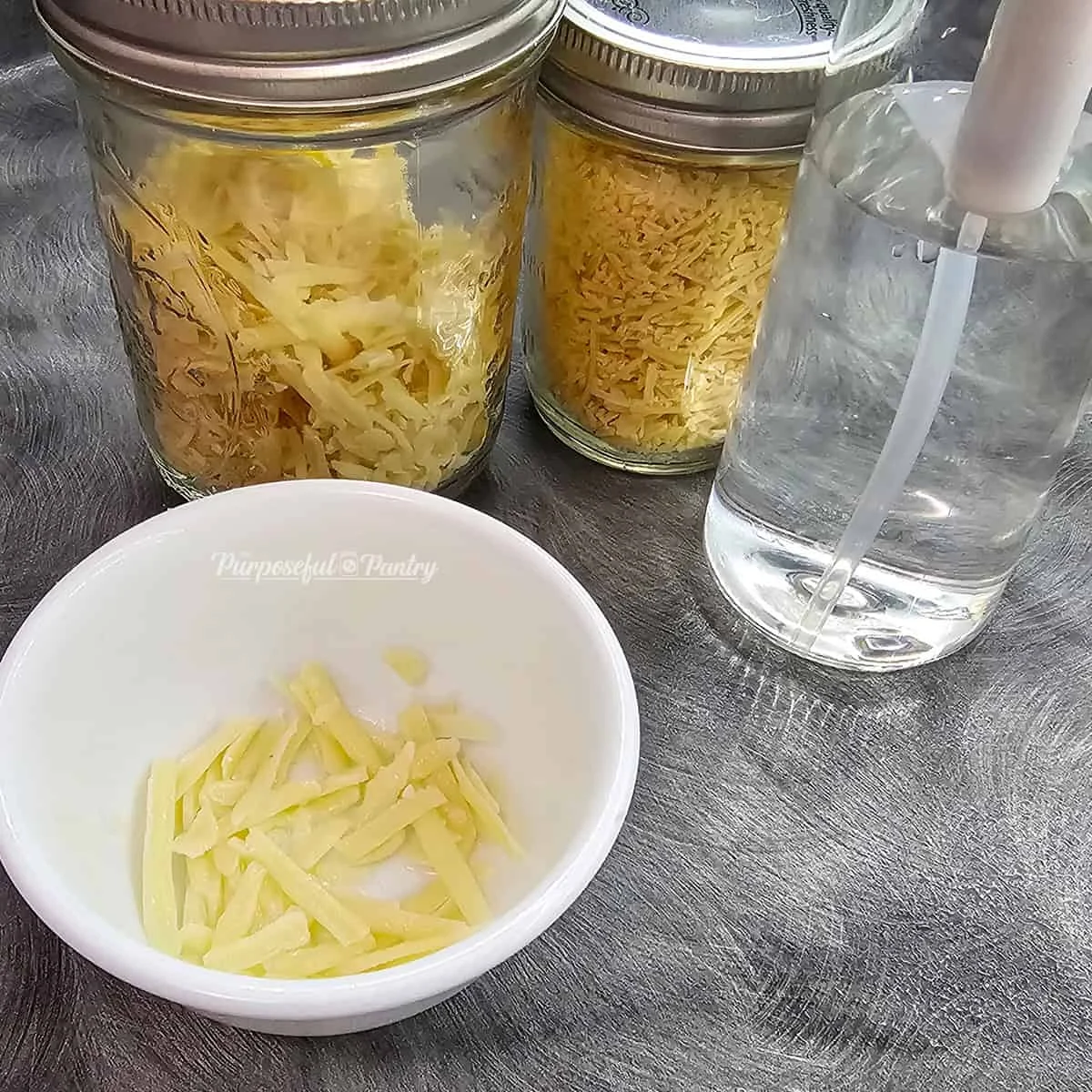
When used in soups, stews, or pasta sauces, the cheese rehydrates naturally using the moisture from the dish. If a recipe requires the cheese to have a softer texture before being added to a "dry" dish, it can be rehydrated by placing the desired amount in a bowl and covering it with a small amount of warm water for 5 to 10 minutes. The excess water is then drained, leaving behind a softened cheese shred that retains its sharp, salty profile.
Broader Implications for Food Waste and Economics
The practice of dehydrating cheese has broader implications for domestic economy. Hard cheeses are often sold at a lower price point when purchased in bulk or in large wedges. However, for small households, the risk of the cheese molding before it can be consumed often discourages bulk purchases. Dehydration provides a strategic solution to this problem, allowing consumers to take advantage of bulk pricing while eliminating the pressure of immediate consumption.
Furthermore, as global supply chains face periodic volatility, the ability to maintain a diverse and nutrient-dense pantry is becoming a priority for a wider demographic. While dehydrated Parmesan may not be a "forever" food, its ability to bridge the gap between fresh perishables and long-term staples makes it an essential tool in the modern kitchen.
Safety and Quality Assurance
As with all home-preserved foods, the final responsibility for safety lies with the consumer. It is imperative to inspect stored cheese regularly. Signs of spoilage in dehydrated Parmesan include:
- Odors: A "soapy" or "paint-like" smell indicates that the fats have gone rancid.
- Discoloration: Any dark spotting or unusual color shifts may indicate mold growth, often caused by insufficient drying or a compromised seal in the storage container.
- Texture: If the cheese becomes soft or sticky while in storage, it has likely reabsorbed moisture from the environment and is no longer shelf-stable.
By adhering to rigorous drying standards and utilizing proper storage technology, home cooks can successfully harness the flavors of Parmesan cheese in a convenient, concentrated, and long-lasting format. This intersection of traditional cheesemaking and modern dehydration technology represents a significant step forward in the pursuit of a more resilient and versatile home pantry.


