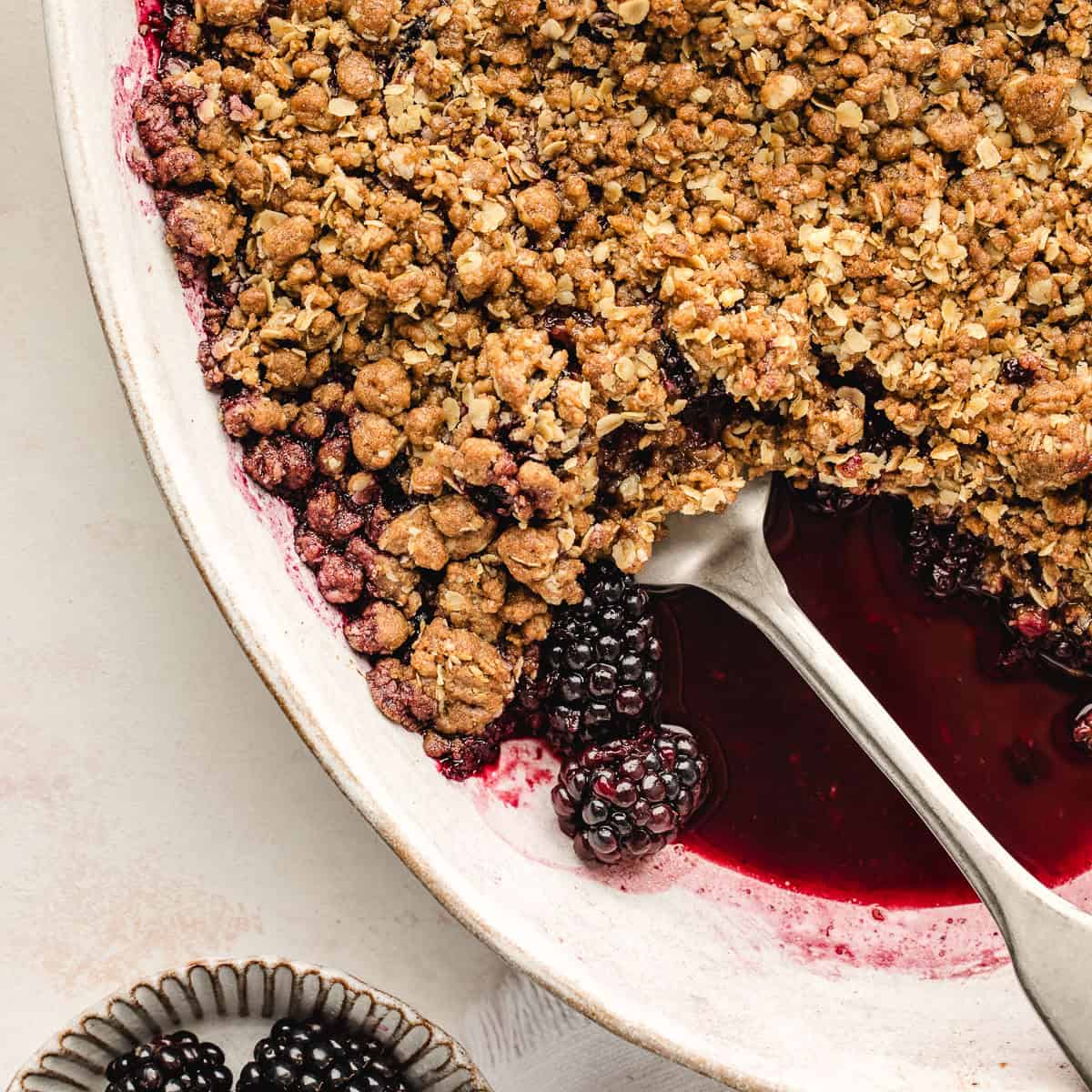
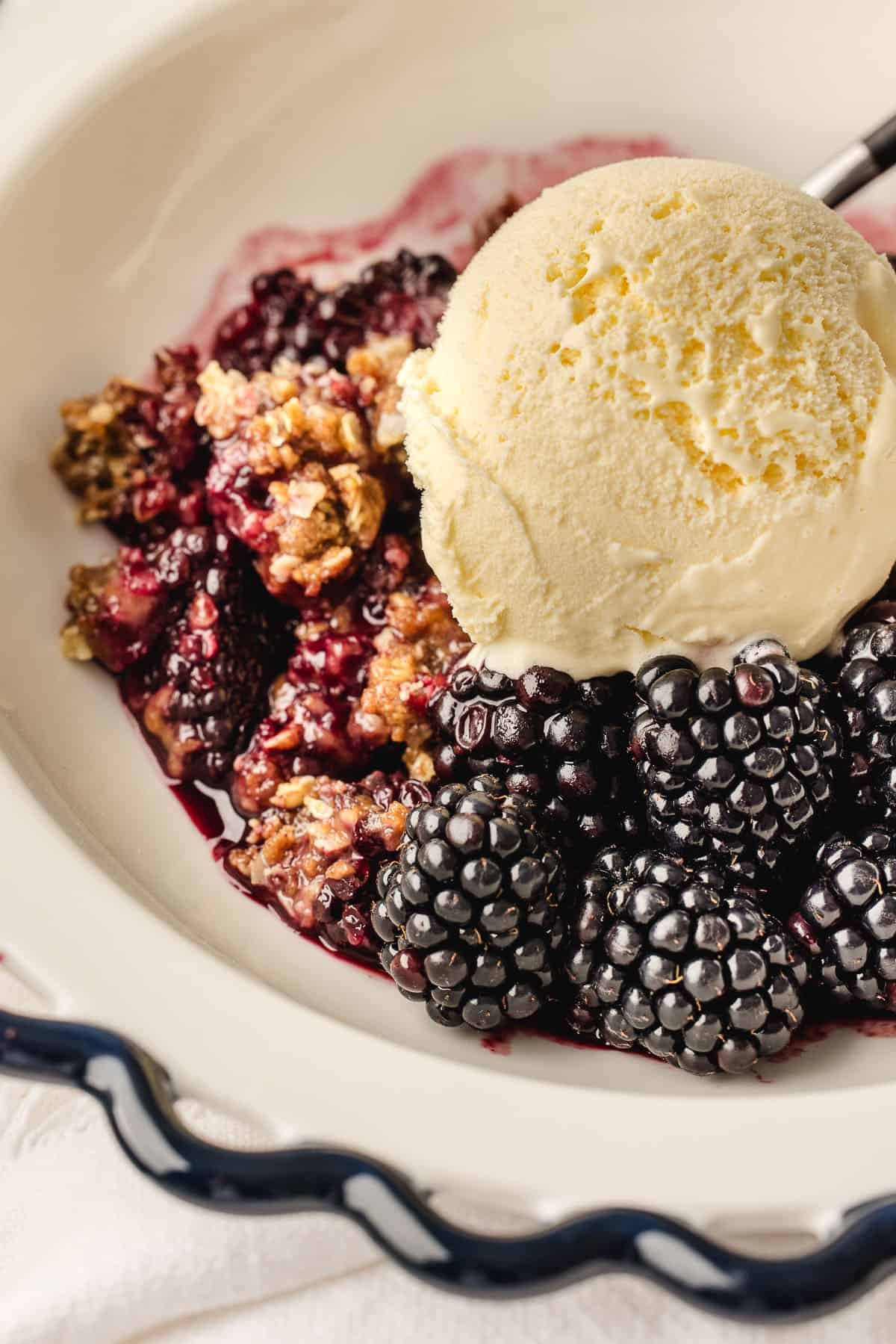
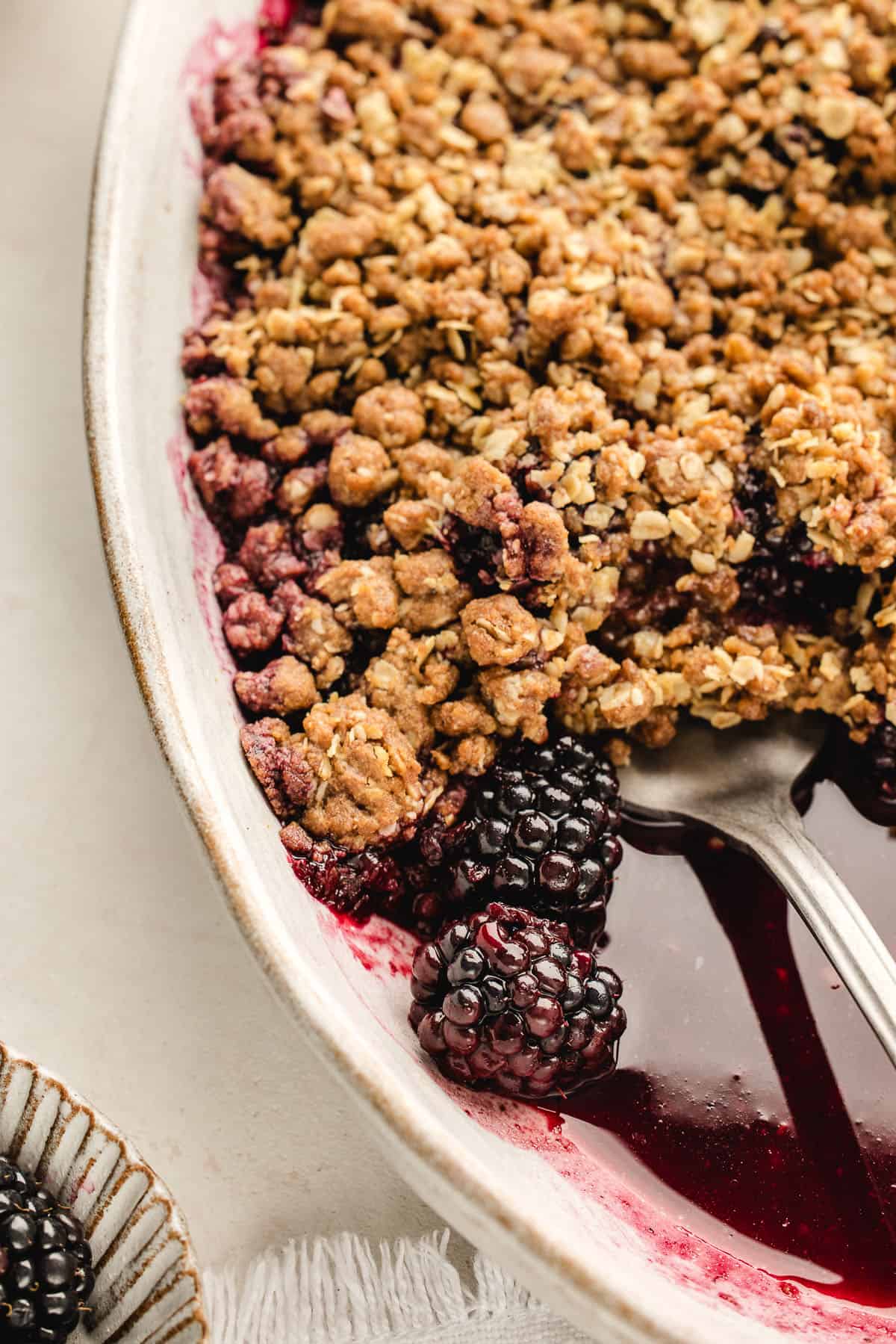
The blackberry crisp, a staple of North American summer gastronomy, represents a convergence of seasonal agriculture, traditional baking techniques, and the growing cultural interest in foraging and "slow food" movements. Characterized by a base of macerated berries and a textured, oat-based streusel topping, this dessert serves as a primary vehicle for the Rubus fruticosus species during its peak harvest window. As consumer interest in whole-food ingredients and nostalgic "cottagecore" aesthetics continues to rise, the blackberry crisp has moved from a simple domestic byproduct of the harvest into a focal point of seasonal culinary discourse.
The Botanical and Nutritional Profile of the Blackberry
The success of a blackberry crisp is fundamentally dependent on the physiological state of the fruit used. Blackberries are aggregate fruits, composed of numerous small drupelets, each containing a seed. In the Northern Hemisphere, the peak season typically spans from July through August, depending on the specific latitude and microclimate. During this period, the fruit reaches its maximum sugar concentration—primarily glucose and fructose—while maintaining a balance of malic and isocitric acids, which provide the signature tartness required to offset the heavy sucrose content of the crisp topping.
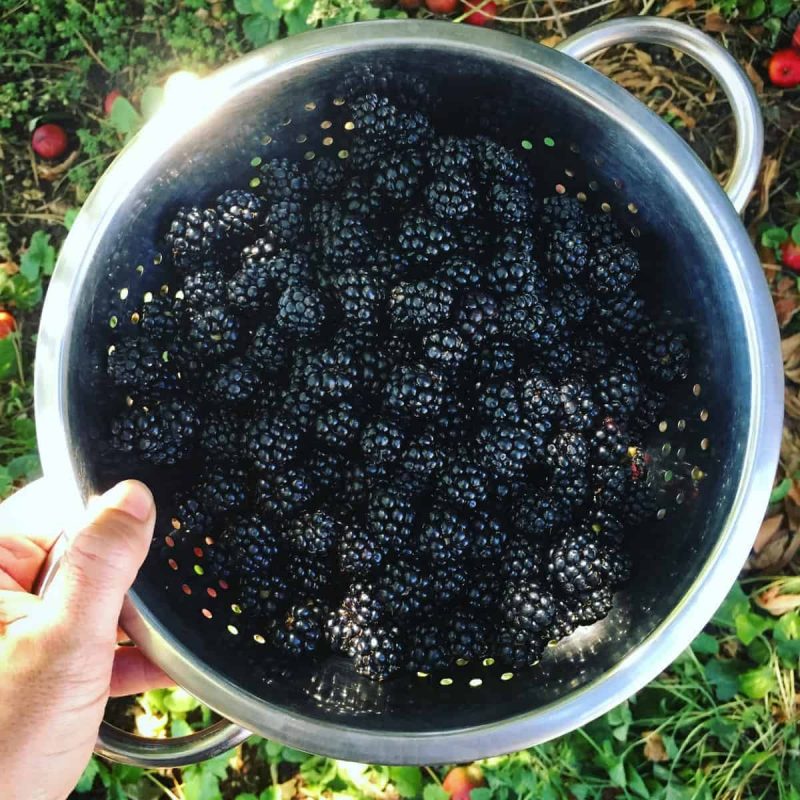
From a nutritional perspective, blackberries are classified as a "superfood" due to their high concentration of anthocyanins, the polyphenolic compounds responsible for the fruit’s deep purple-black pigmentation. Clinical studies have consistently demonstrated that these antioxidants assist in neutralizing free radicals and may provide anti-inflammatory benefits. A standard one-cup serving of raw blackberries contains approximately 62 calories, 8 grams of dietary fiber, and significant percentages of the Daily Value (DV) for Vitamin C (35%), Vitamin K (24%), and Manganese (47%). When baked into a crisp, although some heat-sensitive vitamins may degrade, the fiber content and mineral profile remain largely intact, offering a more nutrient-dense profile than refined flour-based pastries.

Historical Context: The Evolution of the Fruit Crisp
The "crisp" is part of a broader family of fruit-based desserts that includes the cobbler, the crumble, the buckle, and the betty. While often used interchangeably in casual conversation, these terms refer to specific structural compositions. The cobbler, originating in the British American colonies, features a biscuit-dough topping dropped in "cobbles" over the fruit. The crisp, which gained widespread popularity in the United States during the early 20th century, is distinguished by the inclusion of oats in the topping, which provides a distinct "crunch" or "crispness" upon baking.

Culinary historians suggest that the rise of the crisp coincided with the industrialization of oat processing. As rolled oats became a shelf-stable pantry staple in American households, home cooks adapted traditional English crumble recipes—which typically used only flour, sugar, and butter—to include oats for added texture and perceived health benefits. This evolution mirrored a larger shift in American dietary habits toward "old-fashioned" ingredients that provided a sense of domestic stability during periods of economic or social transition.
The Foraging Movement and Agricultural Impact
The resurgence of the blackberry crisp is inextricably linked to the modern foraging movement. Wild blackberries are among the most accessible foraged foods in North America and Europe, often found in hedgerows, forest clearings, and urban margins. Unlike many other wild edibles, the blackberry is easily identifiable, reducing the barrier to entry for amateur foragers.
This "wild-to-table" pipeline has significant implications for local ecosystems and economies. While commercial blackberry production has seen a steady increase—with Mexico and the United States (specifically Oregon and California) leading global output—the cultural value of "picked-at-dusk" berries remains a primary driver of the dish’s popularity. Agricultural data suggests that the demand for berries often spikes in late summer, driving traffic to "U-Pick" farms and local farmers’ markets. This seasonal surge supports small-scale agriculture and encourages the preservation of heirloom varieties that may lack the shelf-life for commercial shipping but offer superior flavor profiles for baking.
Technical Execution: The Physics of the Perfect Crisp
The preparation of a blackberry crisp involves several key chemical reactions and physical transitions that determine the final quality of the dessert.
The Fruit Base and Thickening Agents
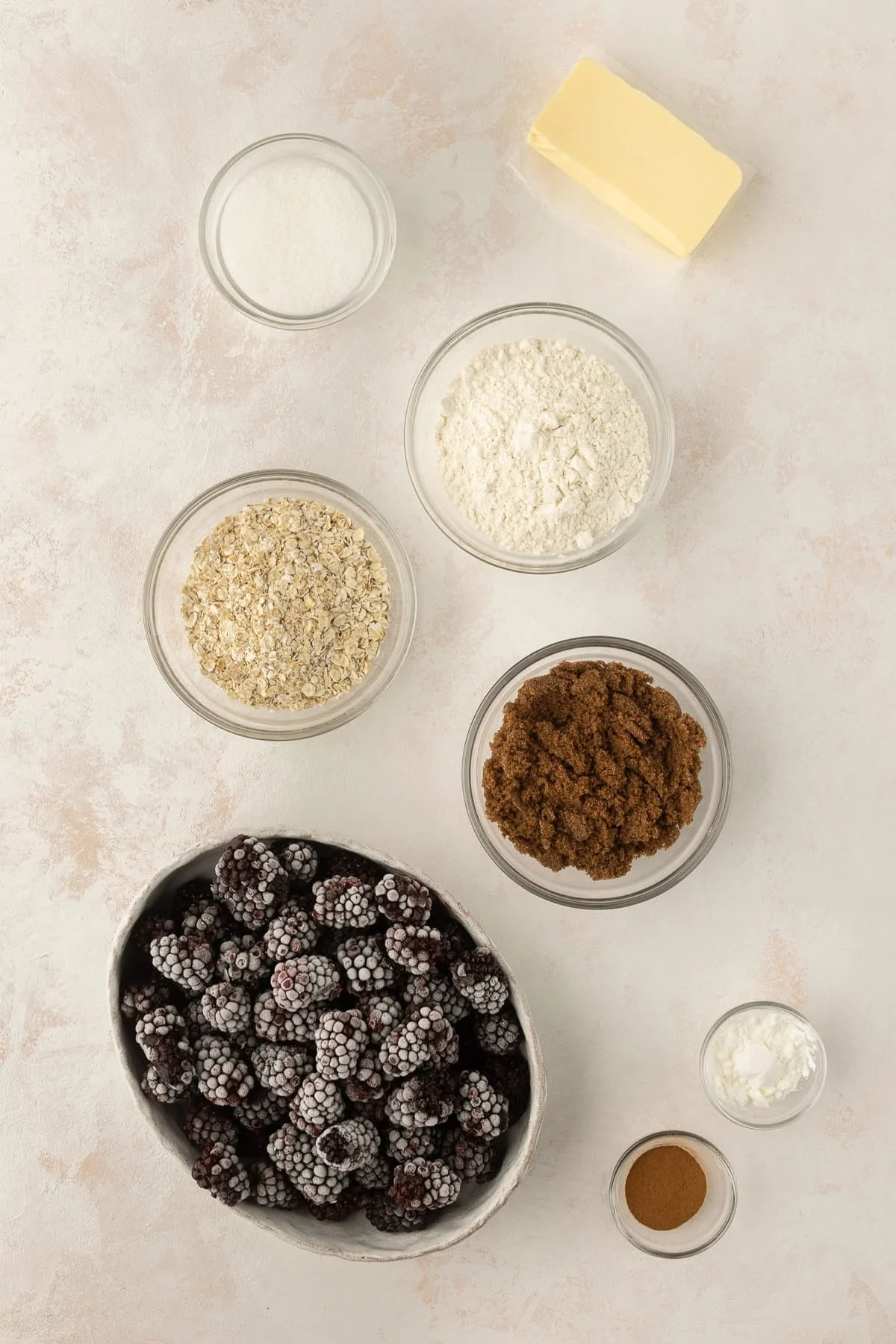
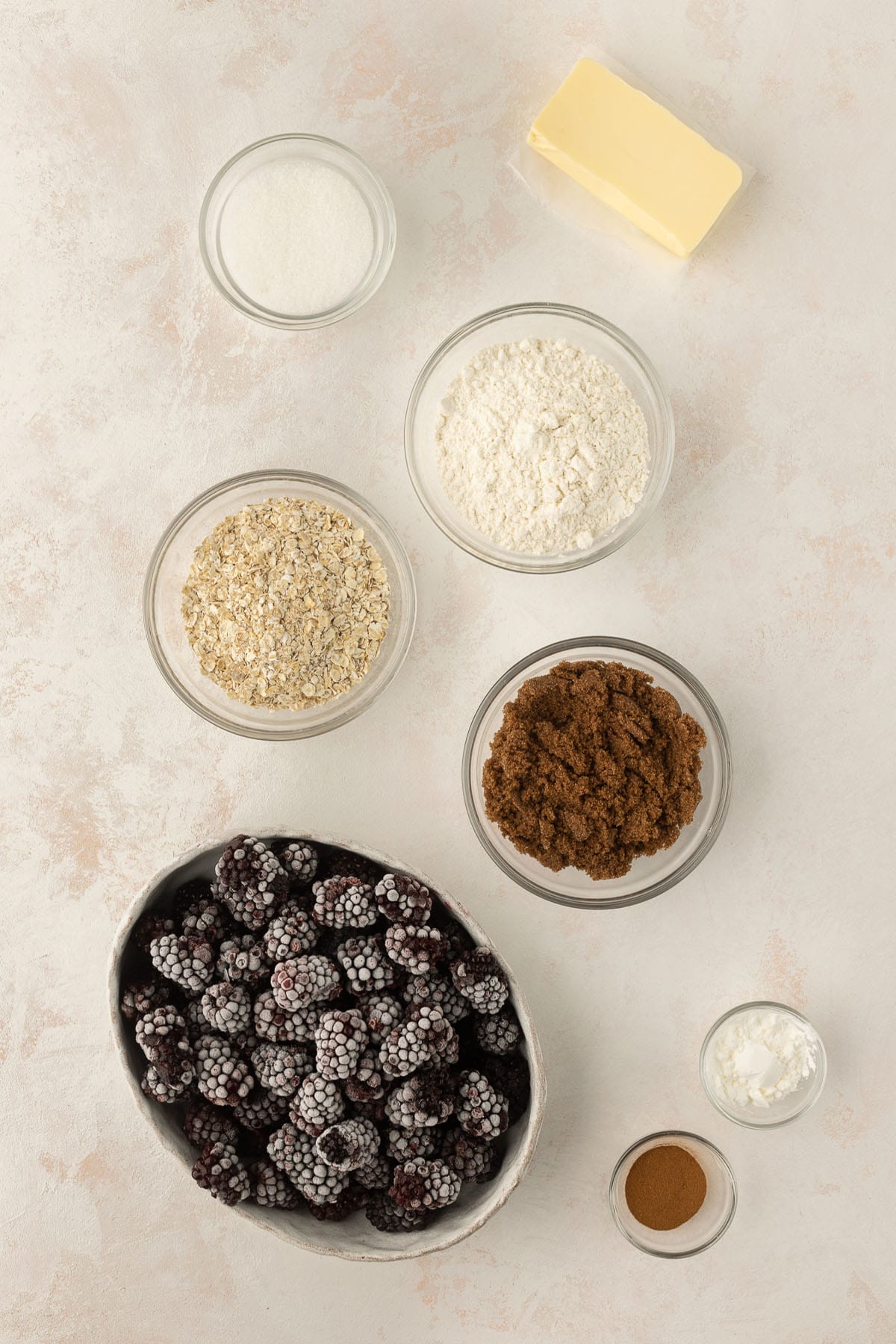
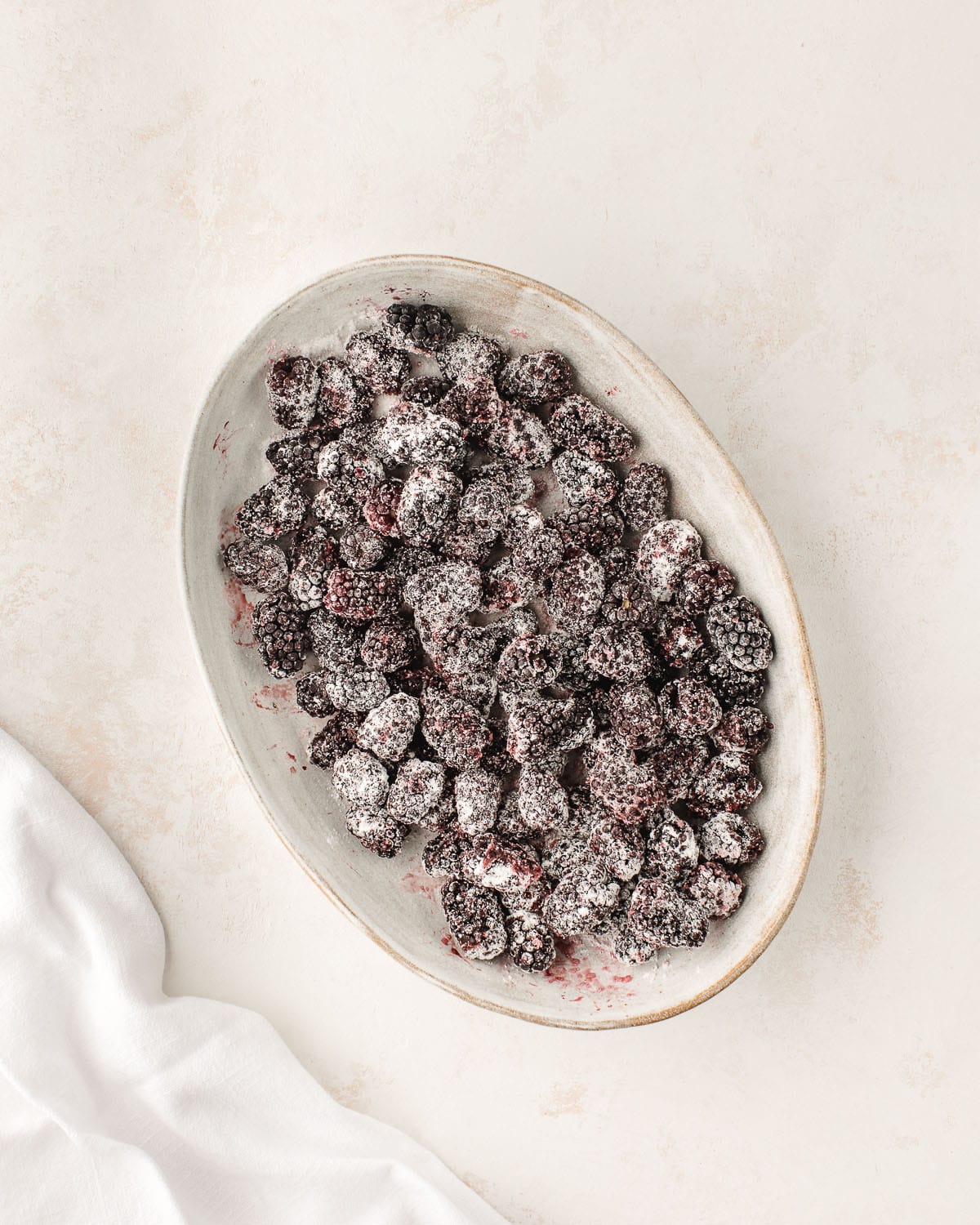
In a standard professional-grade recipe, approximately 24 ounces of berries are utilized. To prevent the dessert from becoming overly aqueous—a common issue with high-moisture fruits—a thickening agent is required. Cornstarch or arrowroot powder is typically employed. When heated to approximately 144°F (62°C) to 162°F (72°C), cornstarch granules undergo gelatinization, absorbing the excess juice released by the berries as their cell walls collapse. This results in a viscous, jam-like consistency that coats the fruit.
The Streusel Topping and Lipid Integration
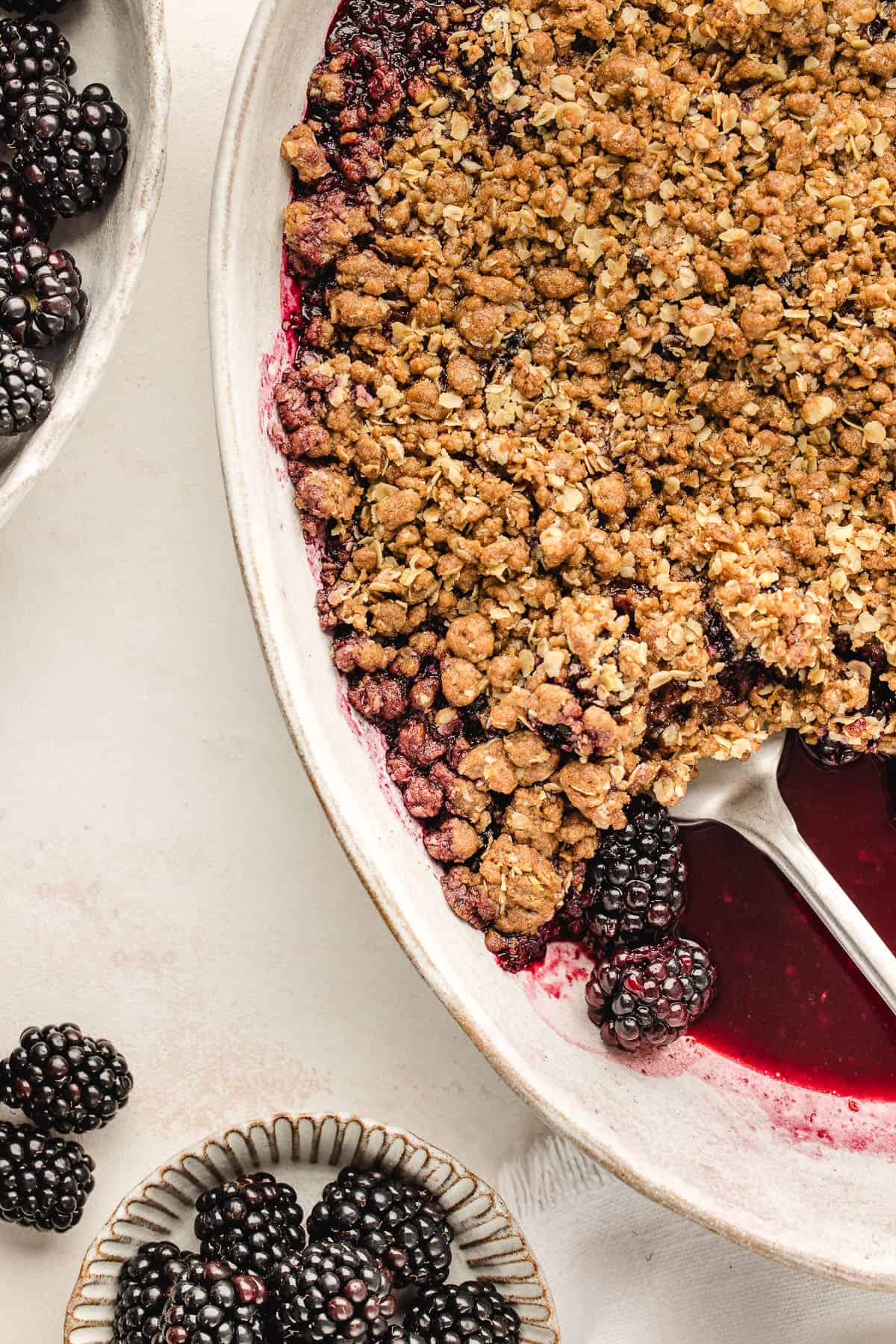
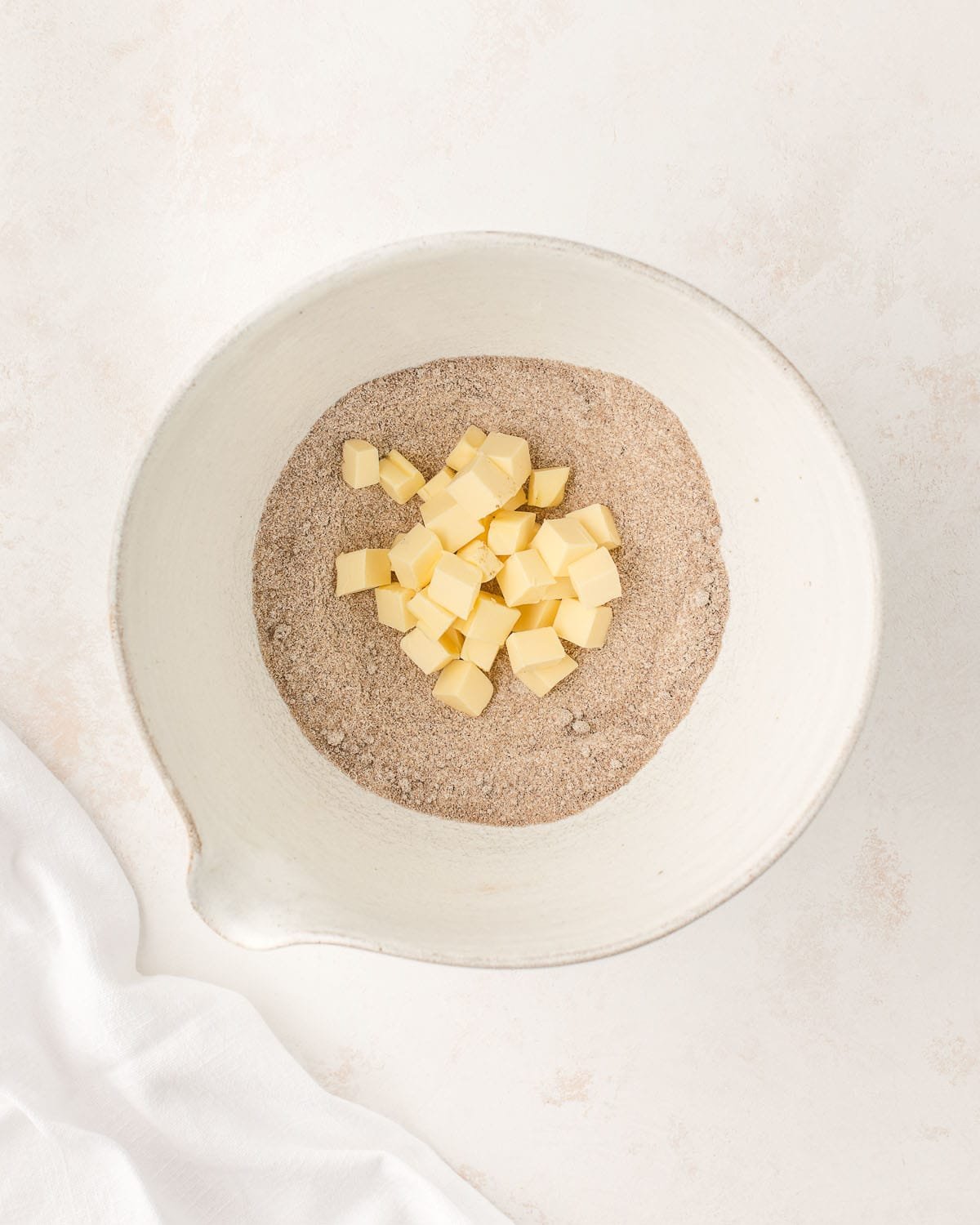
The topping is a mixture of all-purpose flour, brown sugar, cinnamon, and old-fashioned rolled oats. The use of "cold" butter is a critical technical requirement. By cutting cold, cubed butter into the dry ingredients, the baker creates small pockets of fat. During the baking process, the water content in the butter evaporates, creating steam that lifts the mixture, while the remaining fats fry the flour and oats, resulting in a golden-brown, crunchy texture. The use of old-fashioned rolled oats is preferred over "quick" or "instant" varieties because the larger flakes maintain their structural integrity under high heat, providing the necessary mechanical resistance against the soft fruit base.
Chronological Protocol for Preparation
The following sequence represents the standard journalistic documentation of the blackberry crisp assembly process:
- Oven Calibration: The thermal environment is established at 350°F (175°C). This temperature is sufficient to caramelize the sugars in the topping without burning the delicate skins of the berries.
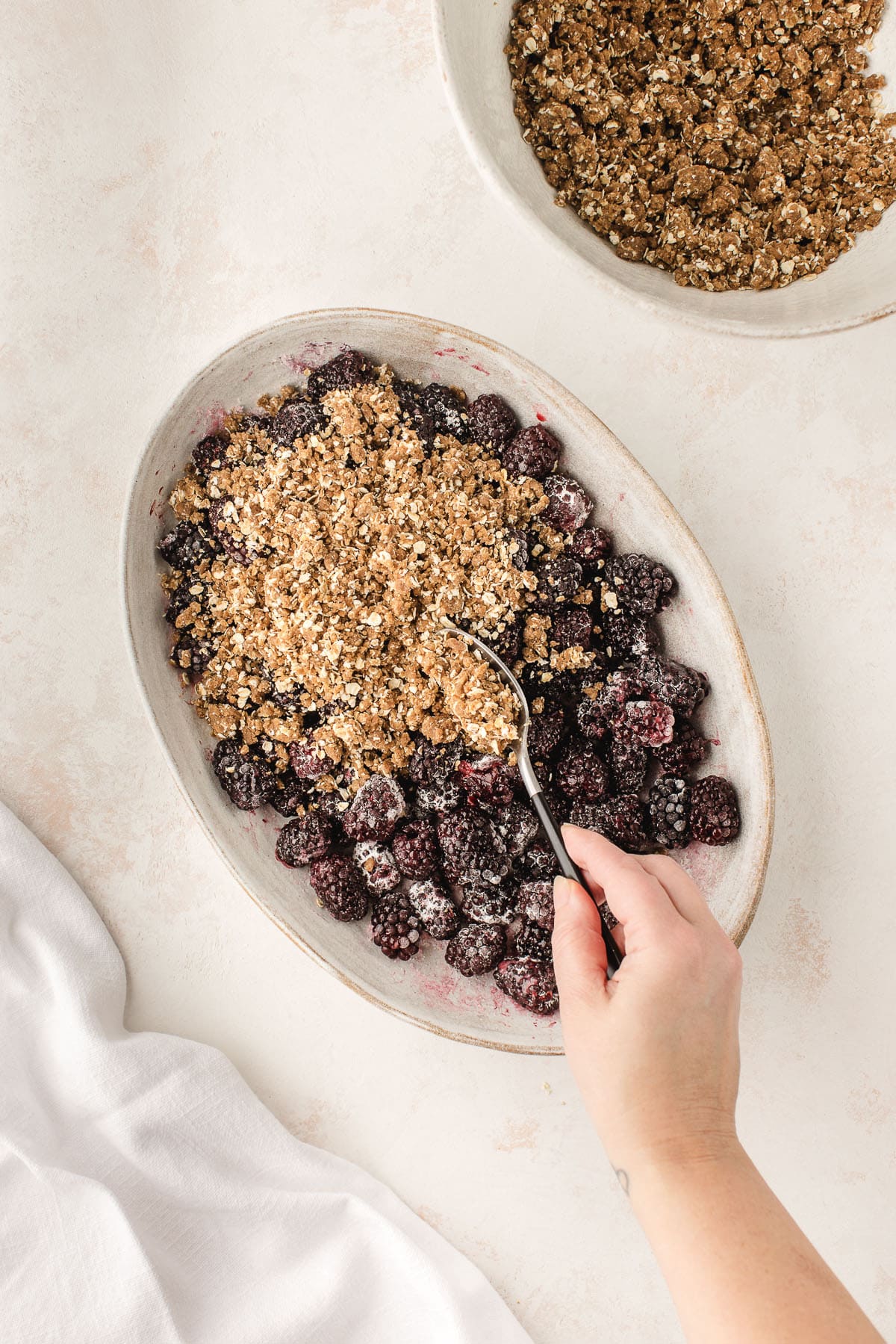
- Fruit Preparation: Fresh or unthawed frozen blackberries are placed in a 9×13-inch baking vessel. They are tossed with a mixture of organic cane sugar and cornstarch to ensure even distribution of the thickening agent.
- Topping Synthesis: Flour and brown sugar (preferably dark brown for higher molasses content) are combined. Cold butter is integrated using manual manipulation or a pastry cutter until the mixture achieves a "large crumb" consistency.
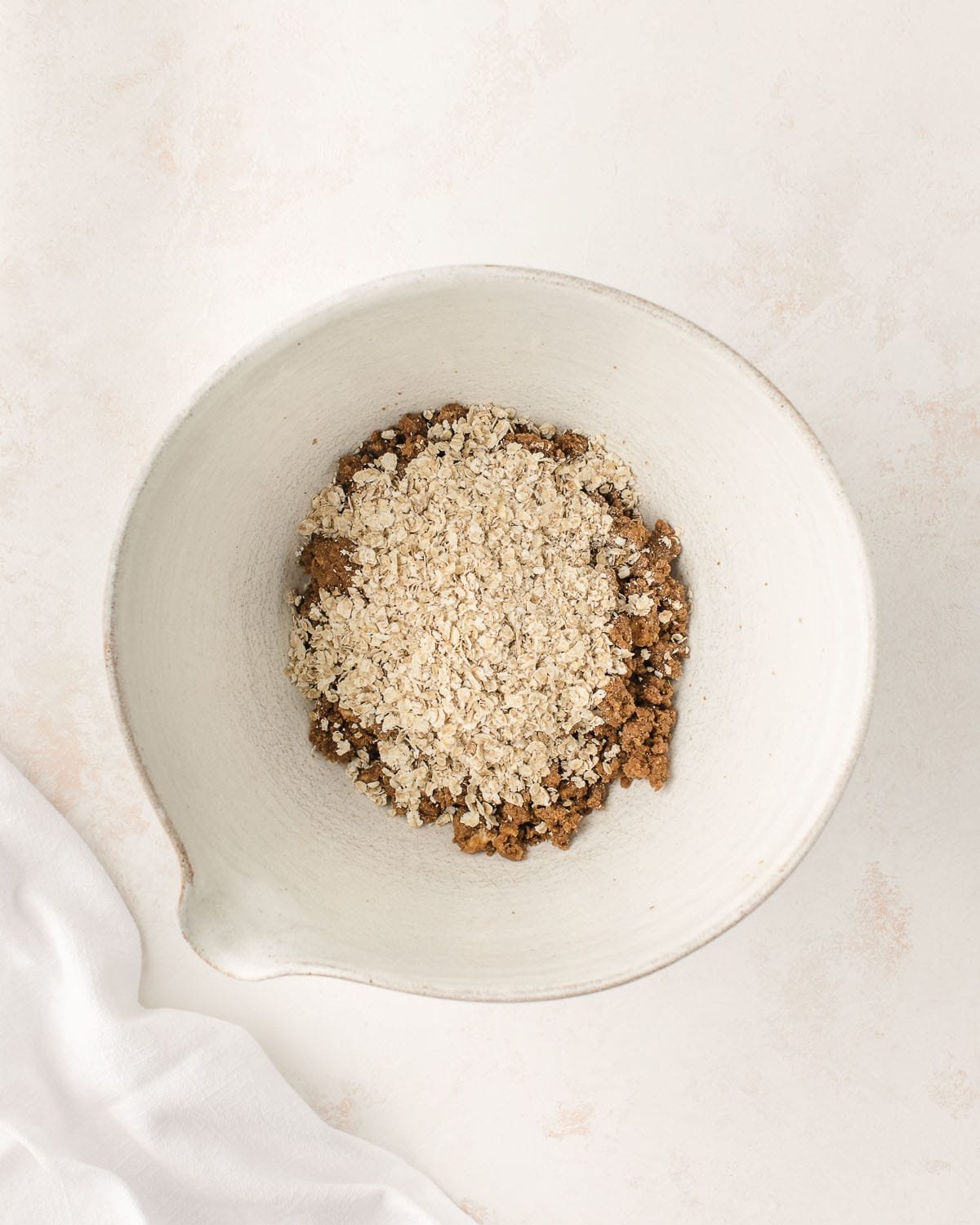
- Oat Incorporation: Rolled oats are folded into the mixture. This is done last to prevent the oats from breaking down into a fine powder.
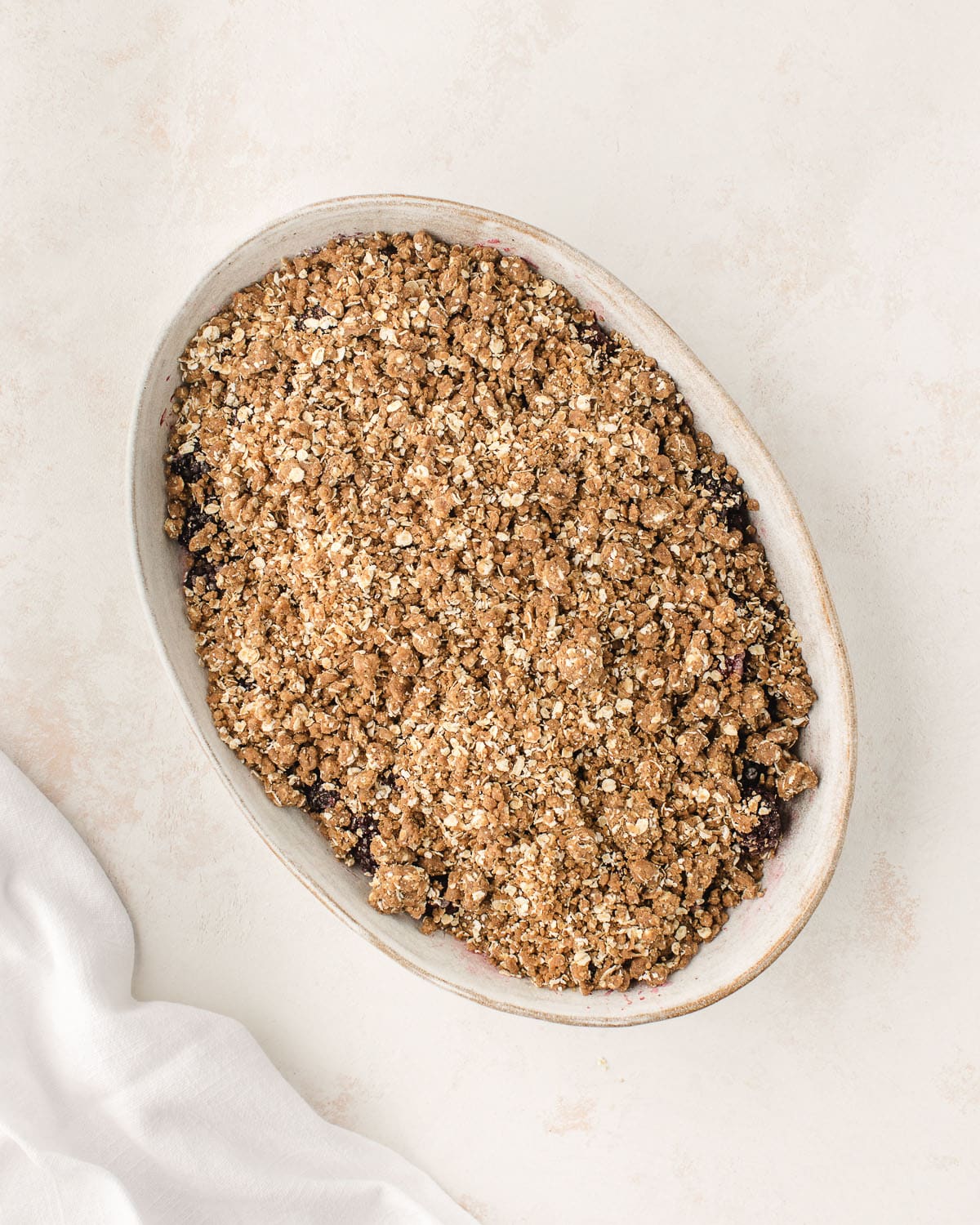
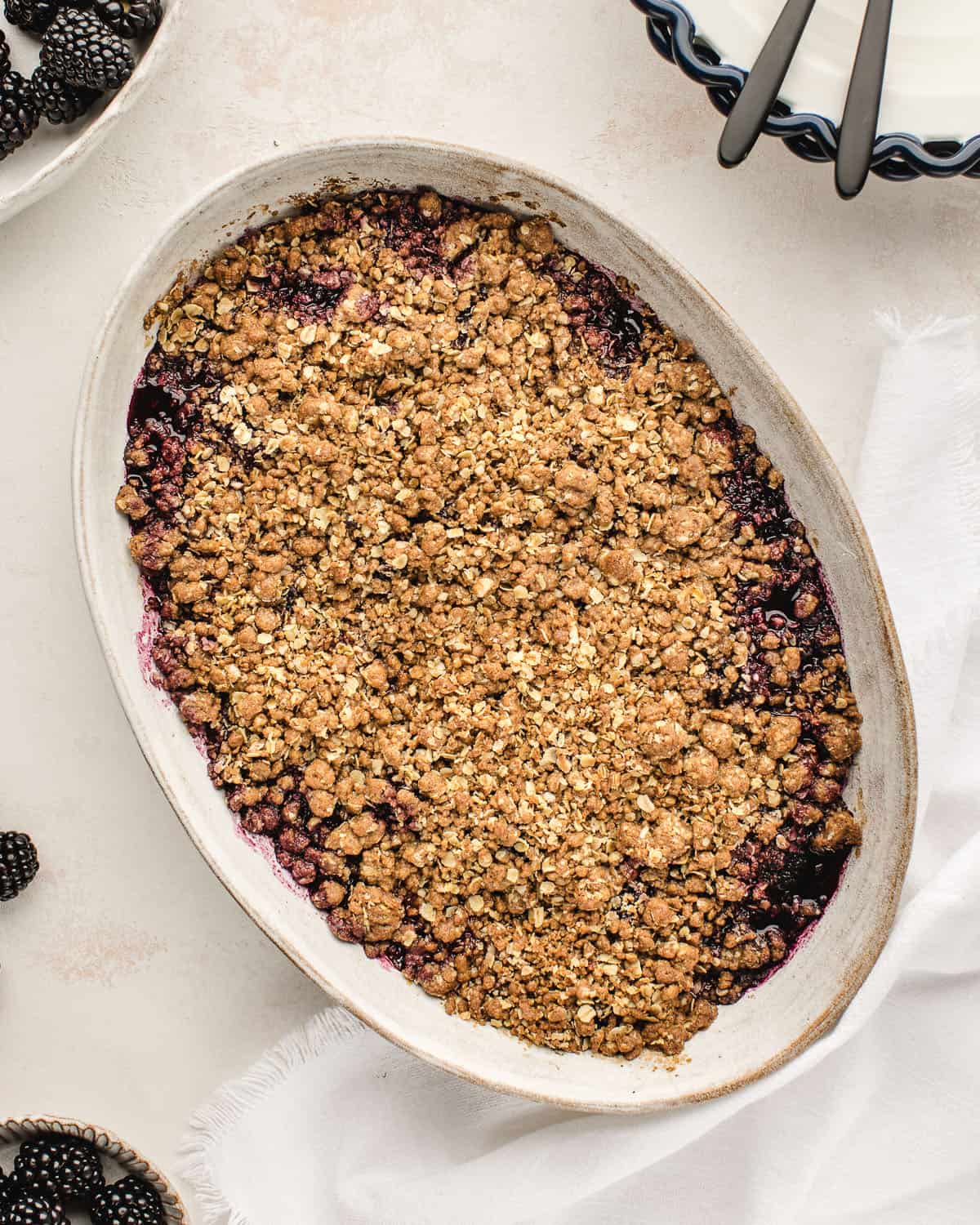
- Assembly and Thermal Processing: The topping is scattered evenly over the fruit base. The dish is baked on the middle rack for 35 minutes. Success is indicated when the fruit juices are bubbling at the margins and the topping has reached a specific shade of golden brown.
- Cooling and Setting: A resting period of 10–15 minutes is mandatory to allow the starch bonds to fully set, ensuring the dessert can be served without losing its structural definition.
Economic and Consumer Trends: The "Nostalgia Economy"
Market analysts have identified a significant trend in the "nostalgia economy," where consumers prioritize products and recipes that evoke a sense of heritage and simplicity. The blackberry crisp, often labeled with "grandma-core" or "old-fashioned" descriptors, fits perfectly into this consumer niche. This trend is reflected in digital engagement metrics; recipes featuring foraged ingredients and traditional baking methods see higher-than-average retention rates on social media and culinary platforms.
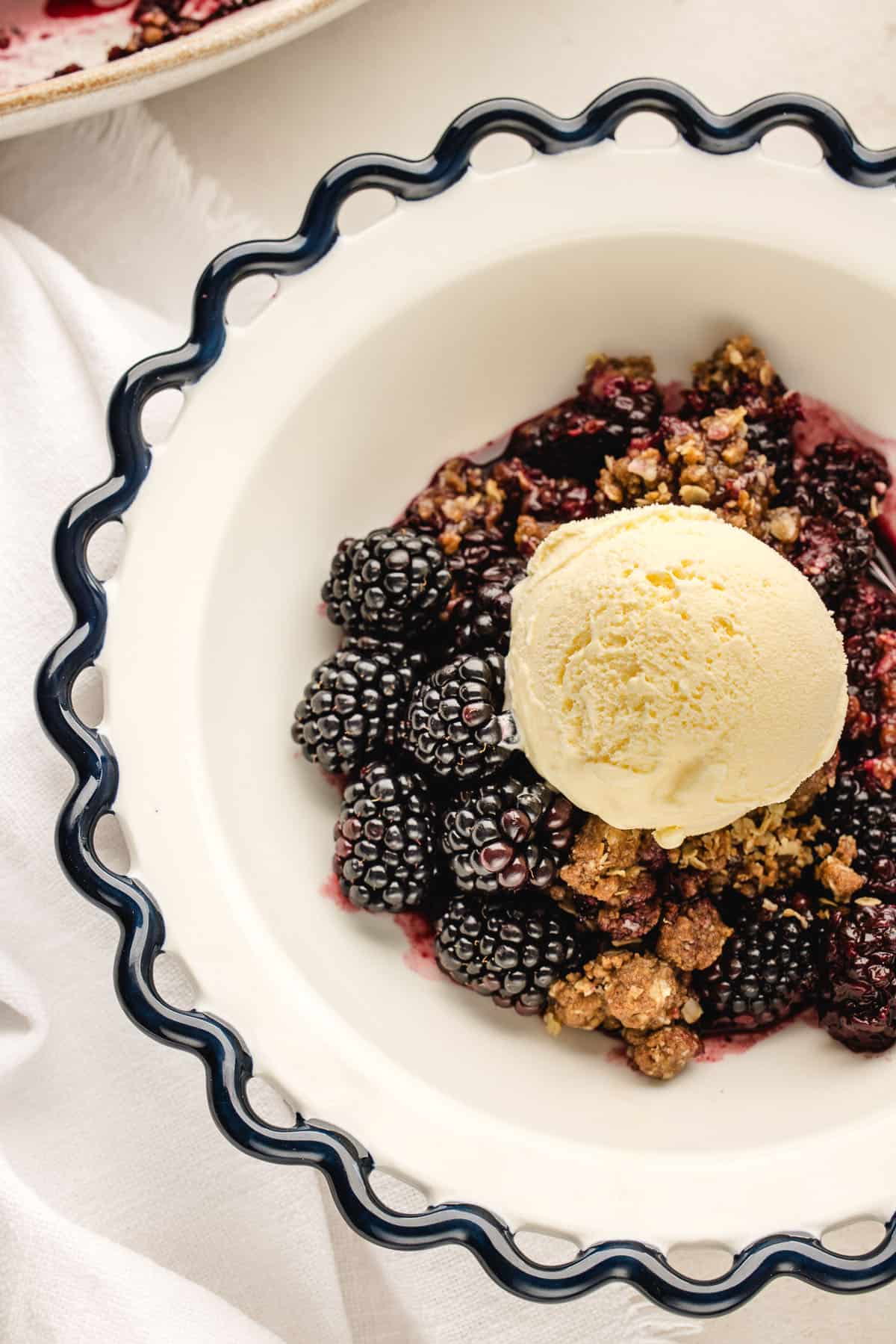
Furthermore, the versatility of the dish allows it to transcend traditional dessert categories. The inclusion of whole grains (oats) has led to a documented shift where consumers increasingly serve leftover crisp as a breakfast item, often paired with yogurt. This "multi-meal" utility increases the value proposition for the home cook, making it a more attractive option than more labor-intensive or single-use desserts like layer cakes or intricate pastries.
Storage, Preservation, and Food Safety
From a food safety and preservation standpoint, the blackberry crisp is relatively stable. The high sugar content and acidity of the berries act as natural preservatives. When stored in an airtight container under refrigeration (38°F / 3°C or below), the dish maintains its quality for four to five days. However, the hygroscopic nature of the sugar in the topping means it will eventually absorb moisture from the fruit and the air, leading to a loss of crispness over time.
For long-term preservation, blackberries are frequently frozen. Industrial and domestic freezing techniques—such as the "tray freeze" method, where berries are frozen individually before being bagged—prevent the fruit from clumping. This allows for the production of blackberry crisps during the winter months, providing a source of dietary antioxidants and a psychological link to summer during the off-season.
Conclusion: The Broader Impact of Seasonal Baking
The blackberry crisp is more than a simple dessert; it is a cultural artifact that reflects the intersection of botany, history, and human tradition. By utilizing simple, wholesome ingredients and respecting the natural cycle of the harvest, it encourages a slower, more intentional approach to consumption. As global food systems become increasingly complex, the reliance on local, foraged, or seasonal fruits like the blackberry offers a sustainable and nutritionally dense alternative to processed confections. The enduring popularity of this recipe across generations underscores a fundamental human desire for connection—to the land, to the past, and to the sensory pleasures of a well-executed culinary tradition.