
The integration of systematic meal planning and preparation has emerged as a primary strategy for households seeking to reduce environmental impact and optimize financial resources. In an era characterized by fluctuating grocery costs and heightened awareness of the global climate crisis, the transition from impulsive food procurement to a structured, ingredient-focused methodology offers a quantifiable solution to the dual challenges of packaging waste and organic refuse. While traditional meal planning often focuses on rigid menus, modern sustainability experts advocate for a flexible, ingredient-centric approach that aligns with consumer cravings and seasonal availability, thereby ensuring long-term adherence to zero-waste principles.
The Economic and Environmental Context of Food Waste
Global food waste represents a significant economic and ecological burden. According to data from the United Nations Environment Programme (UNEP) and the Food and Agriculture Organization (FAO), approximately one-third of all food produced for human consumption is lost or wasted globally, amounting to roughly 1.3 billion tonnes per year. In the United States alone, the average household of four loses an estimated $1,500 annually to uneaten food that is ultimately discarded. Beyond the financial loss, the environmental implications are profound; food waste decomposing in landfills is a major source of methane, a greenhouse gas significantly more potent than carbon dioxide.

Furthermore, the rise of "convenience culture" has led to an explosion in single-use plastic packaging. By adopting a meal planning system, consumers can transition toward bulk purchasing and the use of reusable containers, drastically reducing the volume of non-biodegradable waste entering the waste stream. Professional analysis suggests that the shift from "meal-thinking" to "ingredient-thinking" is the pivotal factor in determining whether a household successfully maintains a sustainable kitchen.
Defining the Methodology: Meal Planning Versus Meal Prepping
To implement an effective system, it is necessary to distinguish between two frequently conflated terms: meal planning and meal prepping. Professional nutritional consultants define meal planning as the intellectual and administrative act of forecasting dietary requirements for a specific period, typically one week. This process involves auditing current inventory, identifying recipes, and generating a targeted procurement list.
In contrast, meal prepping is the physical act of preparing those ingredients or full dishes in advance. While the two practices are complementary, they are not mutually exclusive. An individual may plan their meals to ensure a balanced budget and diet without necessarily spending several hours in the kitchen on a Sunday. However, the synergy of both practices maximizes efficiency. For instance, knowing that a carrot-based soup is on the weekly menu allows a consumer to purchase carrots in bulk—reducing packaging—and then prep those carrots simultaneously for both the soup and as raw snacks, thereby reducing labor time later in the week.

A Chronological Framework for Weekly Food Management
Successful implementation of a zero-waste food system requires a disciplined chronological approach. This cycle typically begins with the creation of a "Master List." This document serves as a repository of reliable, family-approved recipes that the household can execute with proficiency. Analysts suggest that relying on a proven repertoire reduces the cognitive load of planning and minimizes the likelihood of "failure-to-cook" scenarios that lead to expensive, waste-heavy takeout orders.
The weekly cycle generally follows this professional timeline:
- Inventory Audit: Before any planning occurs, a thorough assessment of the refrigerator, freezer, and pantry is conducted. This prevents the redundant purchase of items already in stock.
- Calendar Review: Practitioners must identify upcoming social events, late work shifts, or travel that will preclude home cooking. This ensures that the volume of food purchased matches the actual windows of opportunity for consumption.
- Menu Forecasting: Based on the master list and current inventory, a selection of meals is chosen. Experts recommend a flexible approach—listing five or six dinner options for the week without assigning them to specific days—to accommodate fluctuating energy levels and cravings.
- Targeted Procurement: A grocery list is generated, categorized by store section (produce, protein, pantry). This minimizes time spent in-store and reduces the exposure to "impulse buy" marketing strategies.
- Ingredient Processing: Upon returning from procurement, a dedicated window (typically 2–3 hours) is used to wash, chop, and store ingredients.
The Rigidity Trap and the Shift to Ingredient-Centricity
A primary reason for the failure of traditional meal plans is the "Rigidity Trap." When a plan dictates that a specific, complex meal such as lasagna must be prepared on a Tuesday, it ignores the psychological and physiological state of the consumer. If the individual is not in the mood for that specific dish, they are more likely to abandon the plan entirely in favor of an unplanned alternative, leading to the spoilage of the lasagna ingredients.

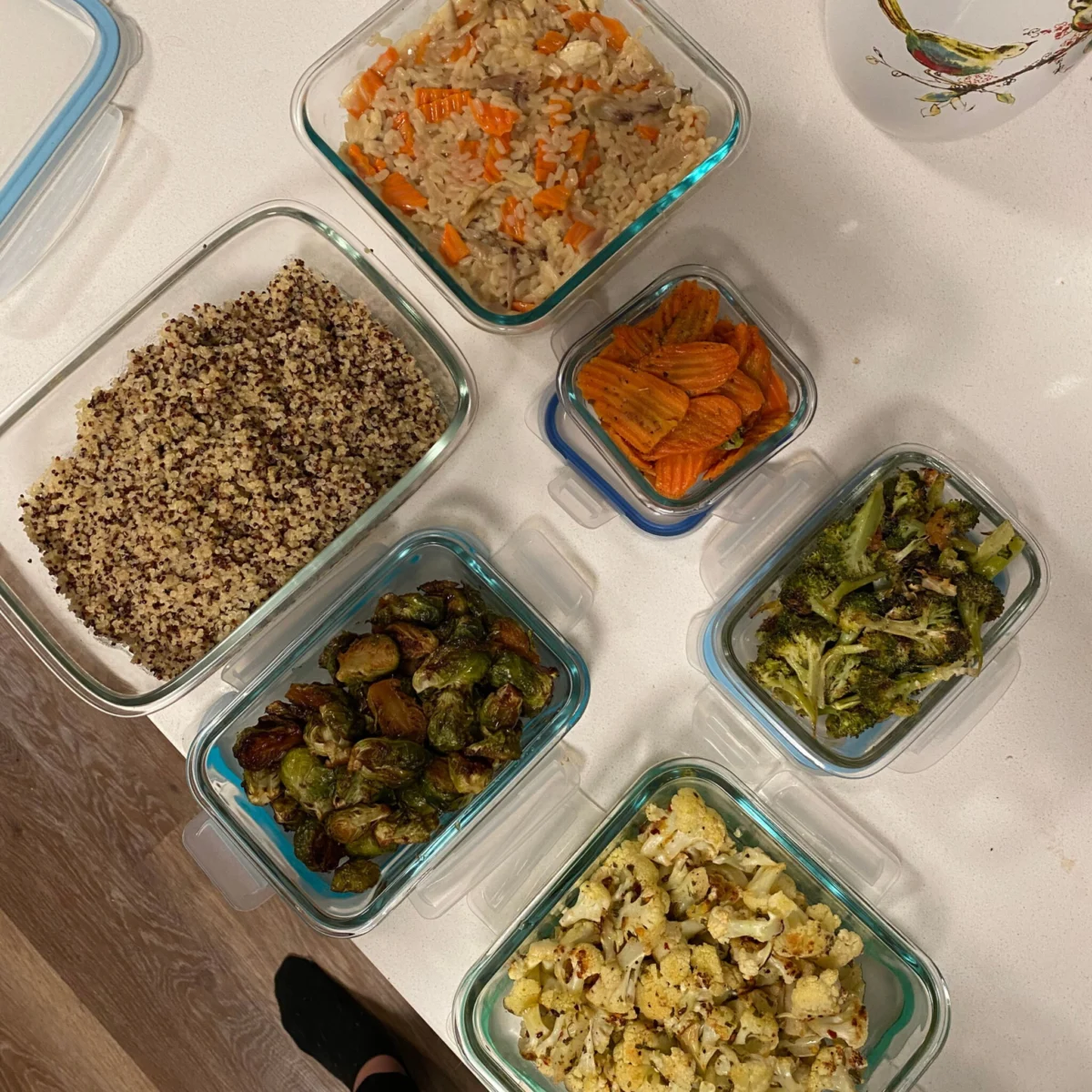
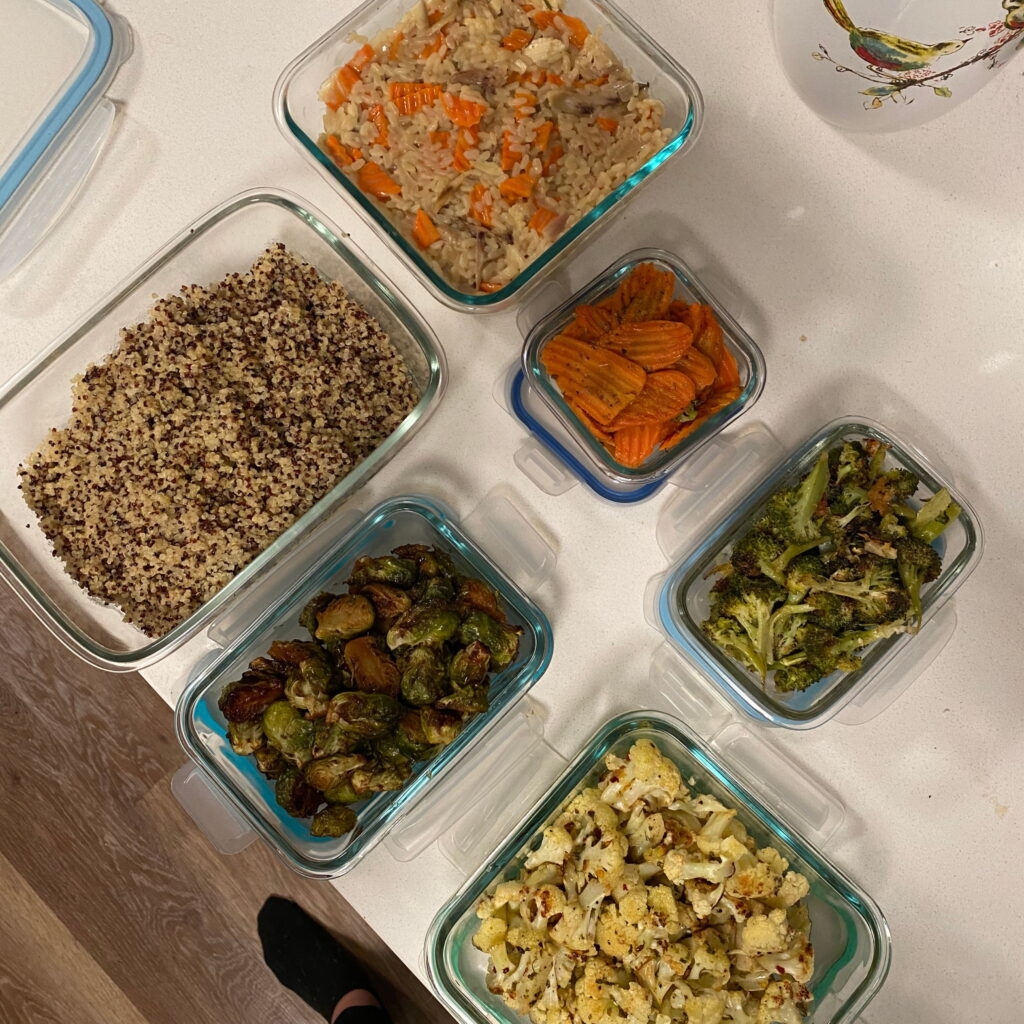
To mitigate this, the ingredient-focused approach prioritizes the preparation of versatile components. By having washed kale, roasted sweet potatoes, and cooked grains ready in glass containers, the consumer can pivot between a salad, a stir-fry, or a grain bowl in minutes. This flexibility preserves the autonomy of the cook while ensuring that the "prepped" ingredients are utilized before they degrade.
Nutritional Balance and Satiety Optimization
From a clinical nutrition perspective, meal prepping provides an opportunity to ensure metabolic health. A standard benchmark for a balanced, satiating meal includes four key components: carbohydrates, proteins, healthy fats, and fiber.
- Proteins: Often the most expensive and perishability-prone component. Strategic planning involves using shelf-stable proteins like lentils, chickpeas, and beans, supplemented by fresh proteins that are utilized early in the week.
- Fiber and Produce: Seasonal shopping is the most cost-effective method for procuring high-fiber vegetables. Data indicates that produce purchased in-season can be up to 50% cheaper than out-of-season imports.
- Fats and Carbs: These are often pantry staples (oils, nuts, grains) that can be bought in bulk to reduce the cost-per-serving.
By pre-portioning snacks such as yogurt jars with high-protein content or sliced vegetables with hummus, consumers avoid the "afternoon hunger window"—a period between 2:00 PM and 4:00 PM where poor nutritional choices and impulse spending are most likely to occur.
Resource Optimization: Upcycling and Waste Reduction
A sophisticated meal planning system extends beyond the consumption of the primary meal to the management of "secondary resources"—frequently mislabeled as food scraps. Professional zero-waste kitchens utilize a technique known as "upcycling." Vegetable ends, onion skins, and carrot tops are collected in a freezer container to be boiled into a nutrient-dense vegetable stock during the weekly prep session.
Furthermore, the management of leftovers is a critical component of the financial analysis. Rather than viewing leftovers as "old food," a systematic approach treats them as "pre-prepped" components for lunch. Stale bread is converted into French toast casseroles or croutons; wilting celery is prioritized for soups; and surplus rice is transformed into fried rice. This "First In, First Out" (FIFO) inventory management, borrowed from the professional restaurant industry, ensures that the oldest items are consumed first, virtually eliminating spoilage.
Broader Societal and Policy Implications
The shift toward household meal planning has implications that extend to the broader supply chain. As more consumers adopt targeted grocery lists and seasonal buying habits, the demand for out-of-season, high-carbon-footprint imports may decrease, encouraging a more localized and resilient food system.

Sustainability advocates and economists suggest that if meal planning were adopted on a mass scale, it could significantly reduce the strain on municipal waste management systems. Lower volumes of organic waste in the trash stream result in fewer collection trips and reduced landfill management costs, potentially leading to long-term tax savings for residents. Additionally, the reduction in demand for over-packaged convenience foods signals to manufacturers that a shift toward sustainable packaging is not only environmentally necessary but also economically demanded by the market.
Conclusion: The Peace of Mind Dividend
Ultimately, the most significant benefit of a structured meal planning and prepping system is the "peace of mind dividend." By front-loading the cognitive and physical labor of food management, individuals eliminate the daily stress of meal decision-making. The transition from a reactive to a proactive kitchen environment fosters a healthier relationship with food, encourages culinary creativity, and provides a tangible sense of agency in the face of global environmental challenges. As the data suggests, the path to a zero-waste lifestyle is not paved with perfection, but with the consistent, strategic preparation of the ingredients that sustain us.


