
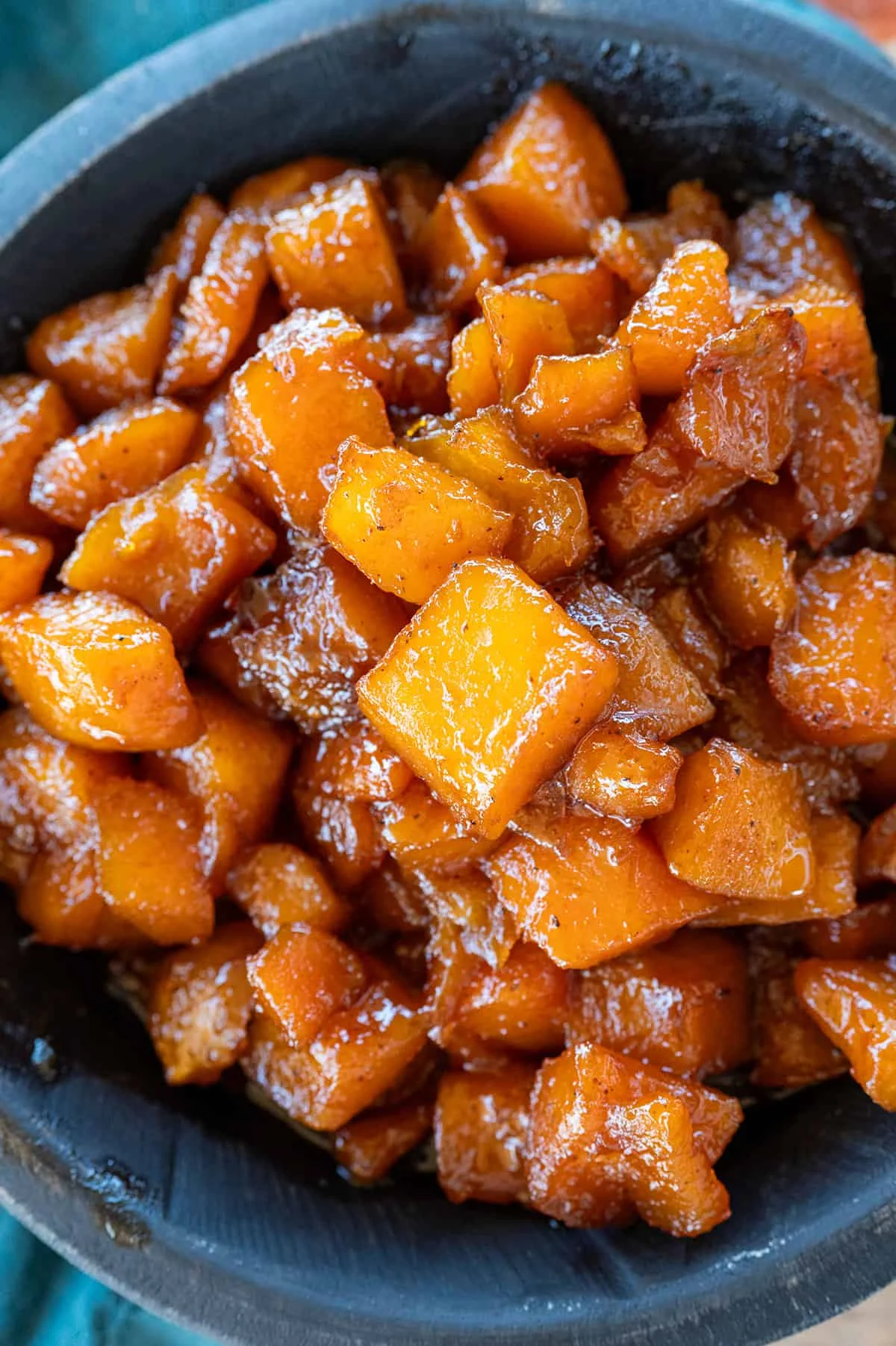
The culinary world is witnessing a fascinating evolution in how beloved dishes are reimagined, with the concept of "burnt ends" expanding far beyond its traditional barbecue roots. Once exclusively associated with the rich, smoky flavor of slow-cooked brisket, burnt ends are now being ingeniously adapted to a variety of ingredients, catering to a broader range of palates and dietary preferences. A prime example of this innovative trend is the emergence of butternut squash burnt ends, a dish designed to bring a savory, caramelized experience to vegetarians and holiday tables where meat-centric options might not be suitable.

The Genesis of a Modern Classic: From Brisket to Butternut
Traditionally, burnt ends are a byproduct of the smoking process for beef brisket. The fattier, more marbled sections from the point cut of the brisket are separated, cubed, and then re-smoked, often with a glaze of barbecue sauce, butter, and sweeteners. This secondary cooking renders them incredibly tender, sticky, and bursting with concentrated flavor. The allure of this intensely satisfying treat has inspired pitmasters and home cooks alike to explore its application with other proteins, such as pork belly and even turkey.
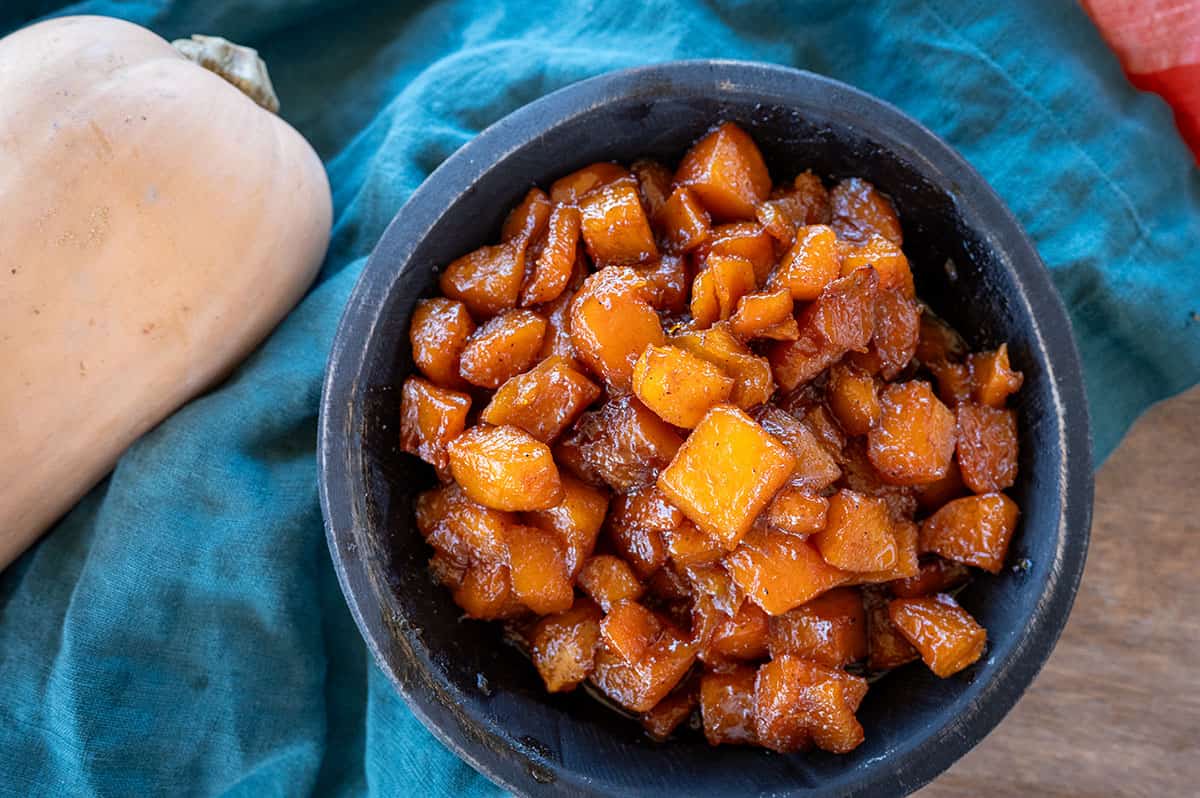
However, the growing demand for plant-based and vegetarian options in all culinary spheres has prompted a creative reinterpretation of this classic. The butternut squash burnt ends represent a deliberate effort to capture the essence of the original – the smoky notes, the caramelized sweetness, and the satisfyingly sticky texture – using a vegetable as the star. This approach not only widens the appeal of burnt ends but also highlights the versatility of seasonal produce.
A Culinary Adaptation: The Butternut Squash Burnt Ends Recipe
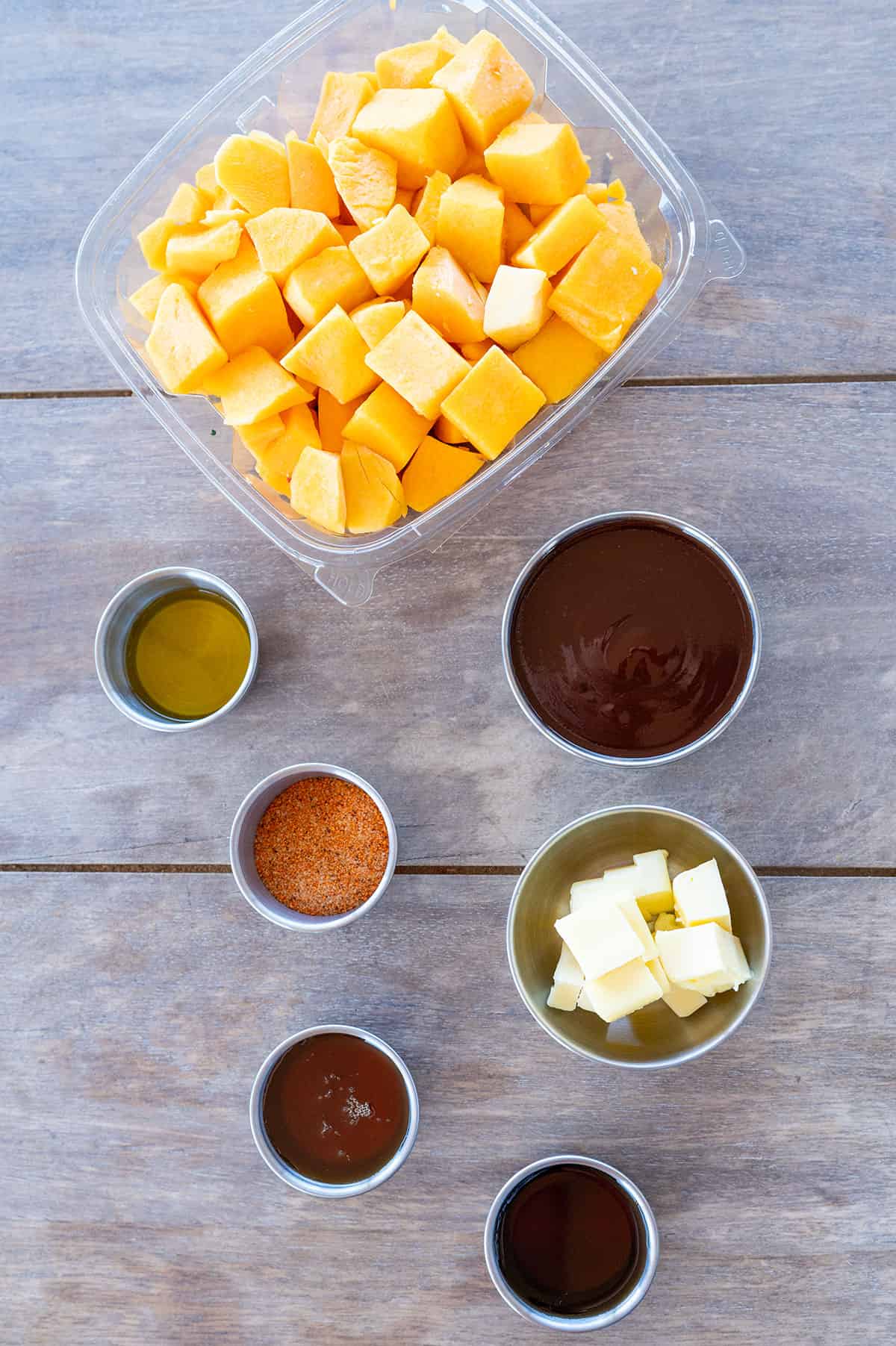
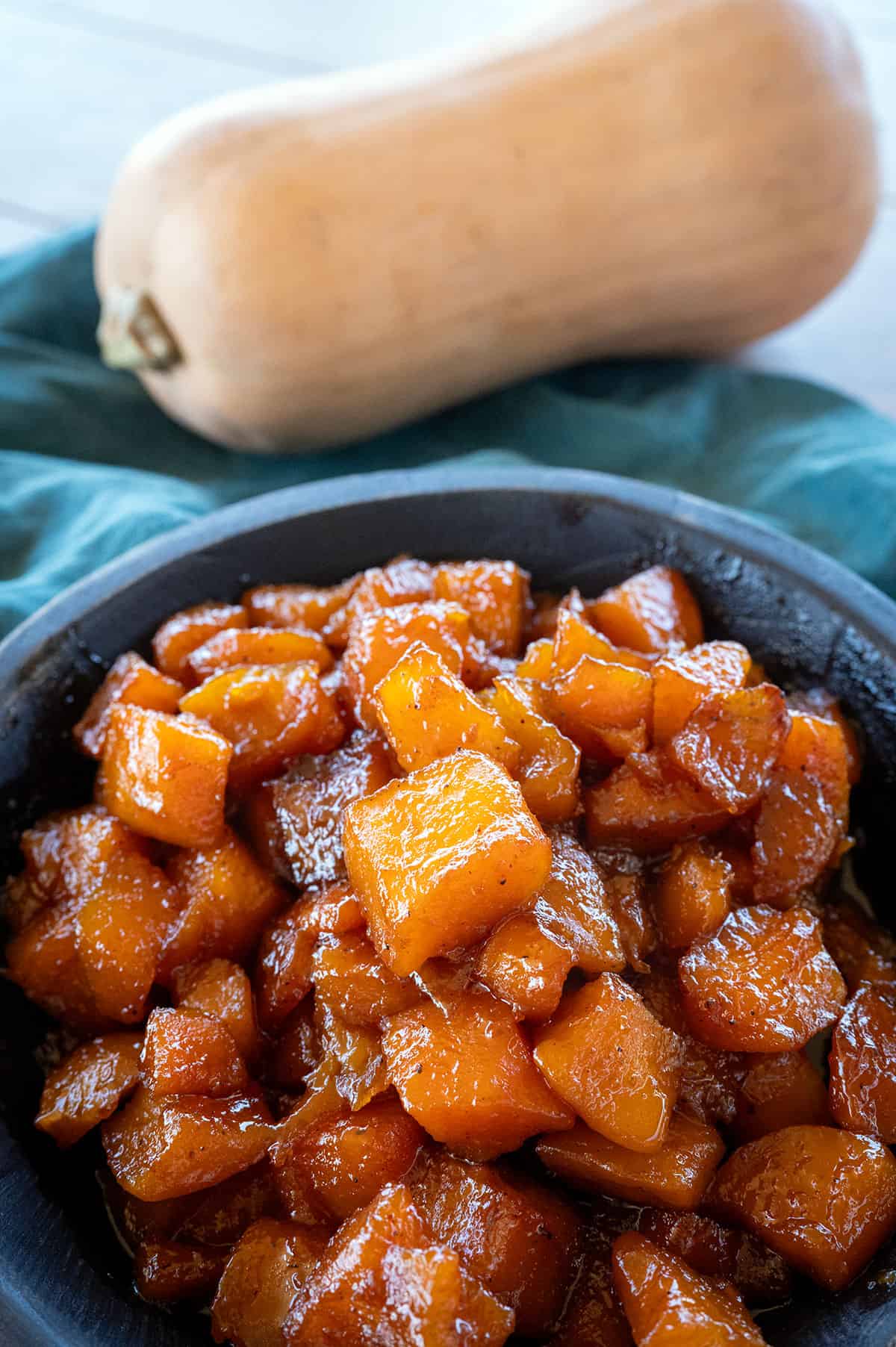
The recipe for butternut squash burnt ends, as championed by culinary enthusiasts like those at Girls Can Grill, focuses on transforming humble butternut squash into a gourmet appetizer or side dish. The process begins with fresh, cubed butternut squash. The emphasis on using fresh squash is crucial, as frozen varieties tend to contain excess moisture, which can dilute the flavors and compromise the desired texture.
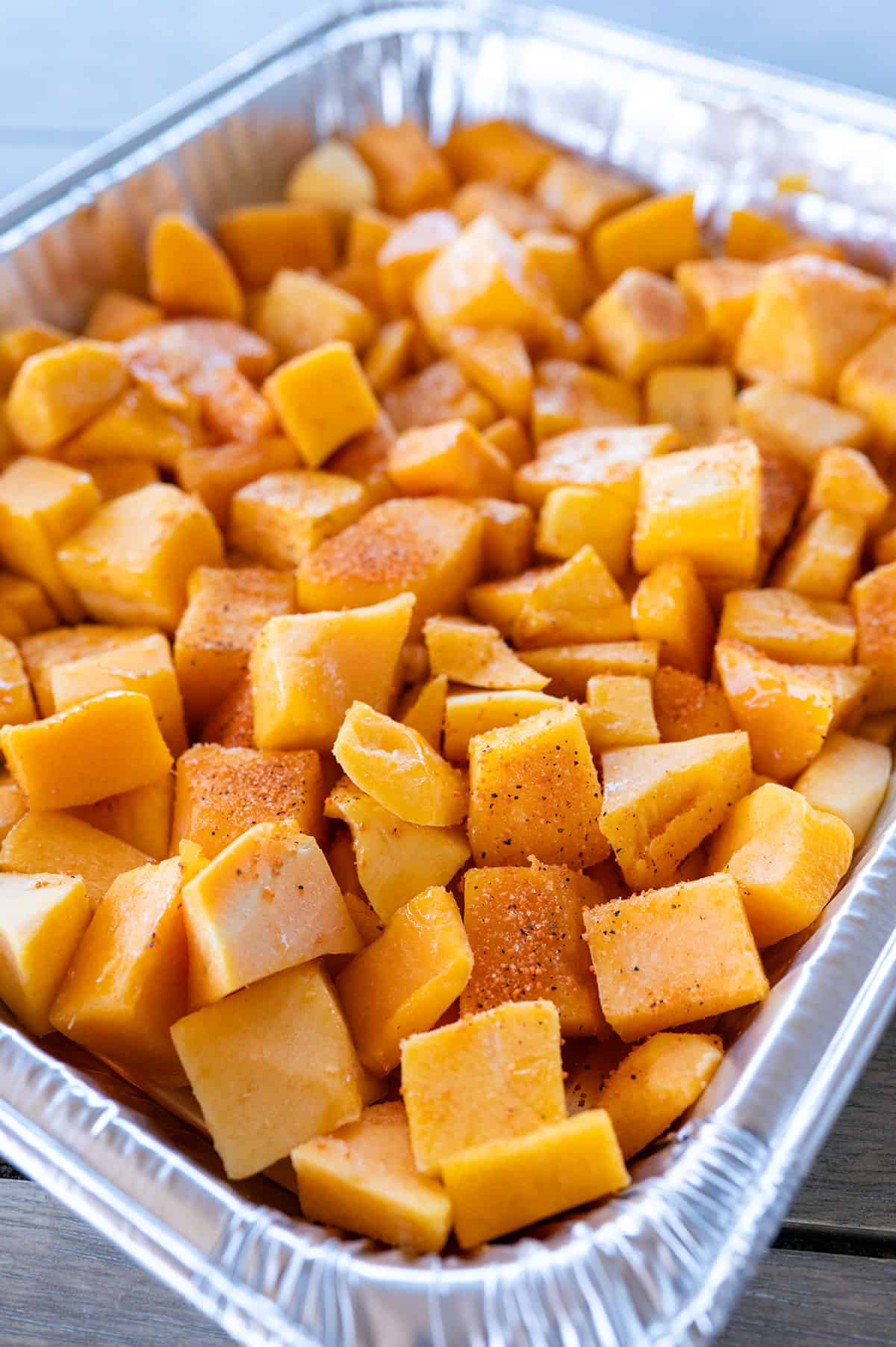
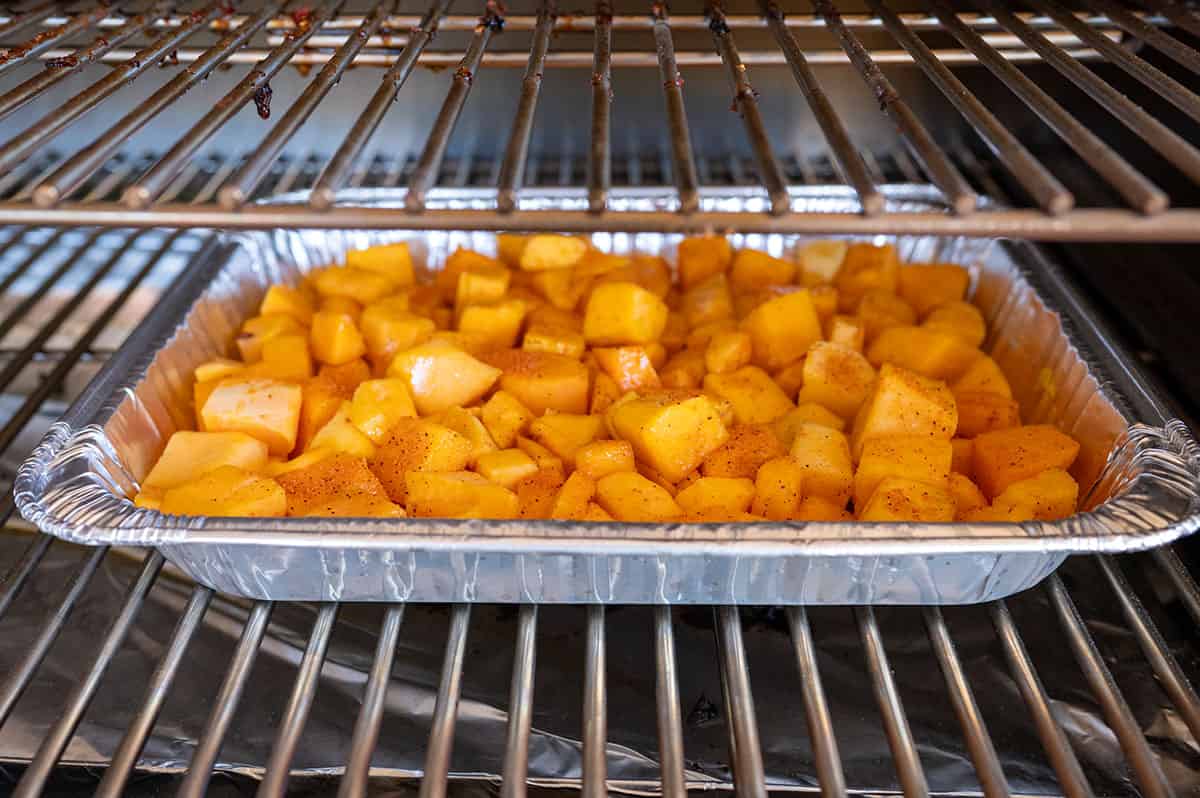
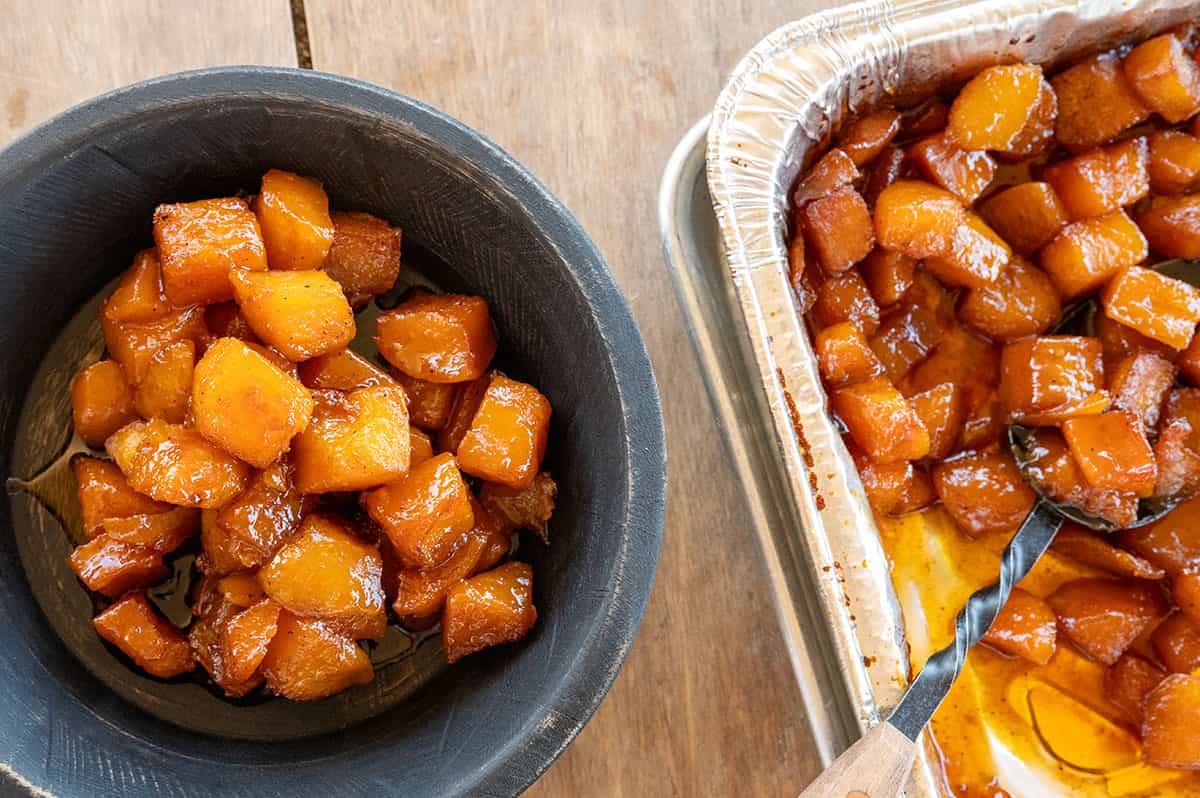
The preparation involves tossing the squash cubes with olive oil and a favorite barbecue rub, ensuring an even coating of savory spices. This seasoned squash is then placed in a disposable aluminum pan and introduced to a smoker or grill set to a moderate temperature, typically around 250°F (121°C), utilizing indirect heat. This initial smoking period, lasting about an hour, allows the squash to absorb the smoky essence and begin to soften.
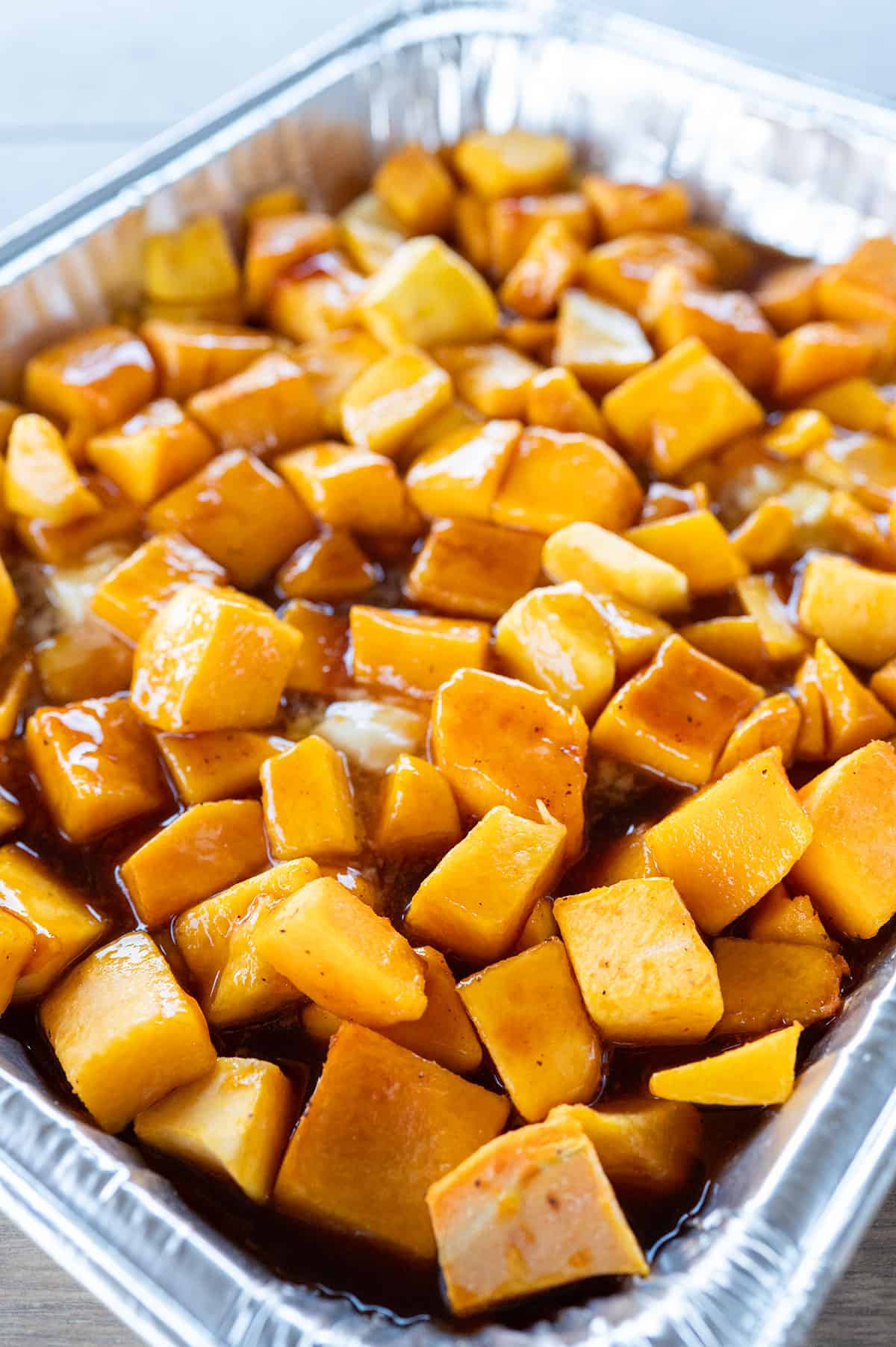
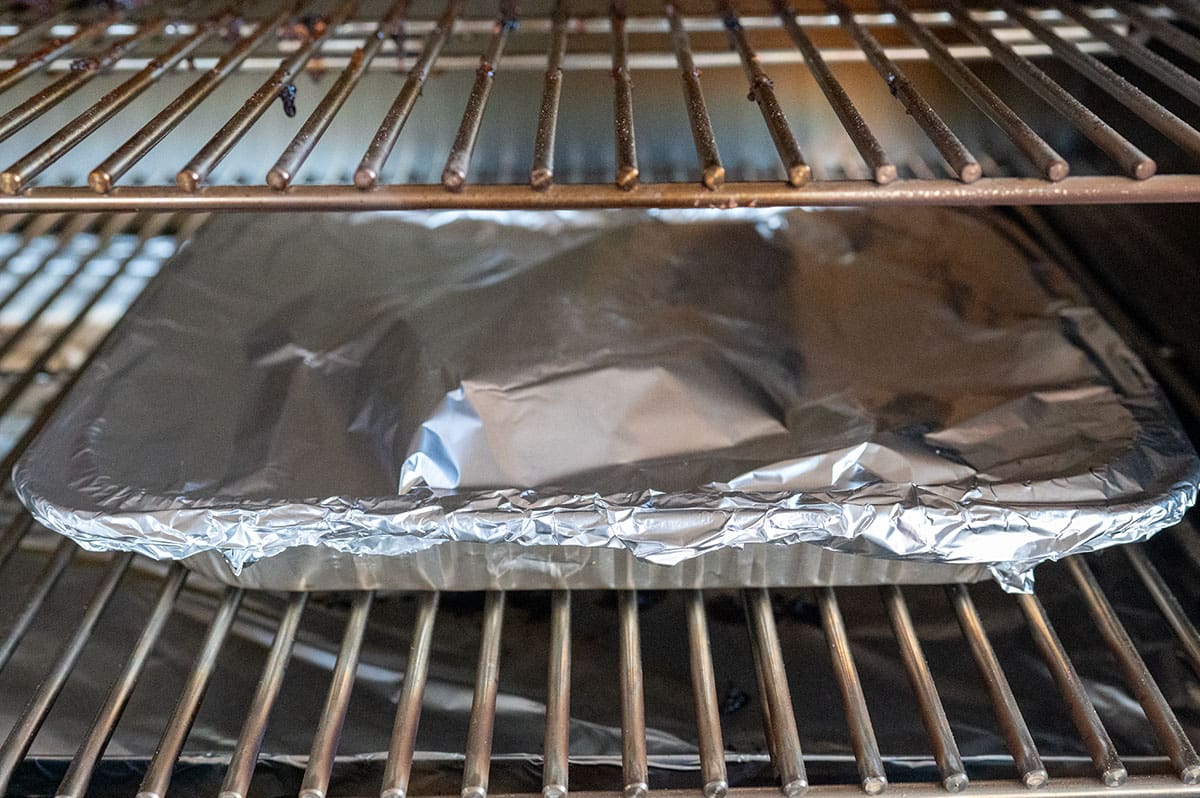
Following the initial smoke, the dish undergoes a transformation with the addition of a rich, flavorful sauce. The recipe calls for gently stirring in barbecue sauce, butter, brown sugar, honey, and maple syrup. This sweet and savory concoction coats the squash, setting the stage for the next phase of cooking. The pan is then covered with foil, and the cooking continues for another hour. This steaming process helps the squash become exceptionally tender while allowing the flavors of the sauce to meld and penetrate.
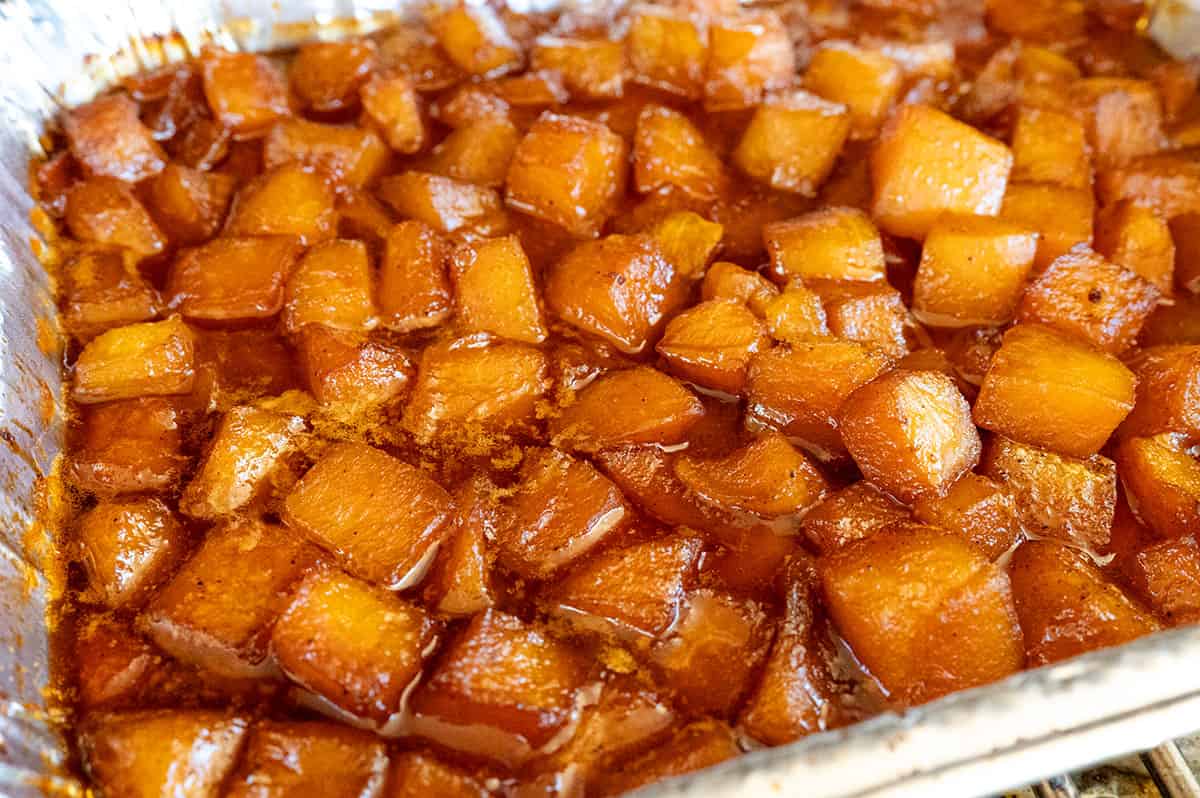
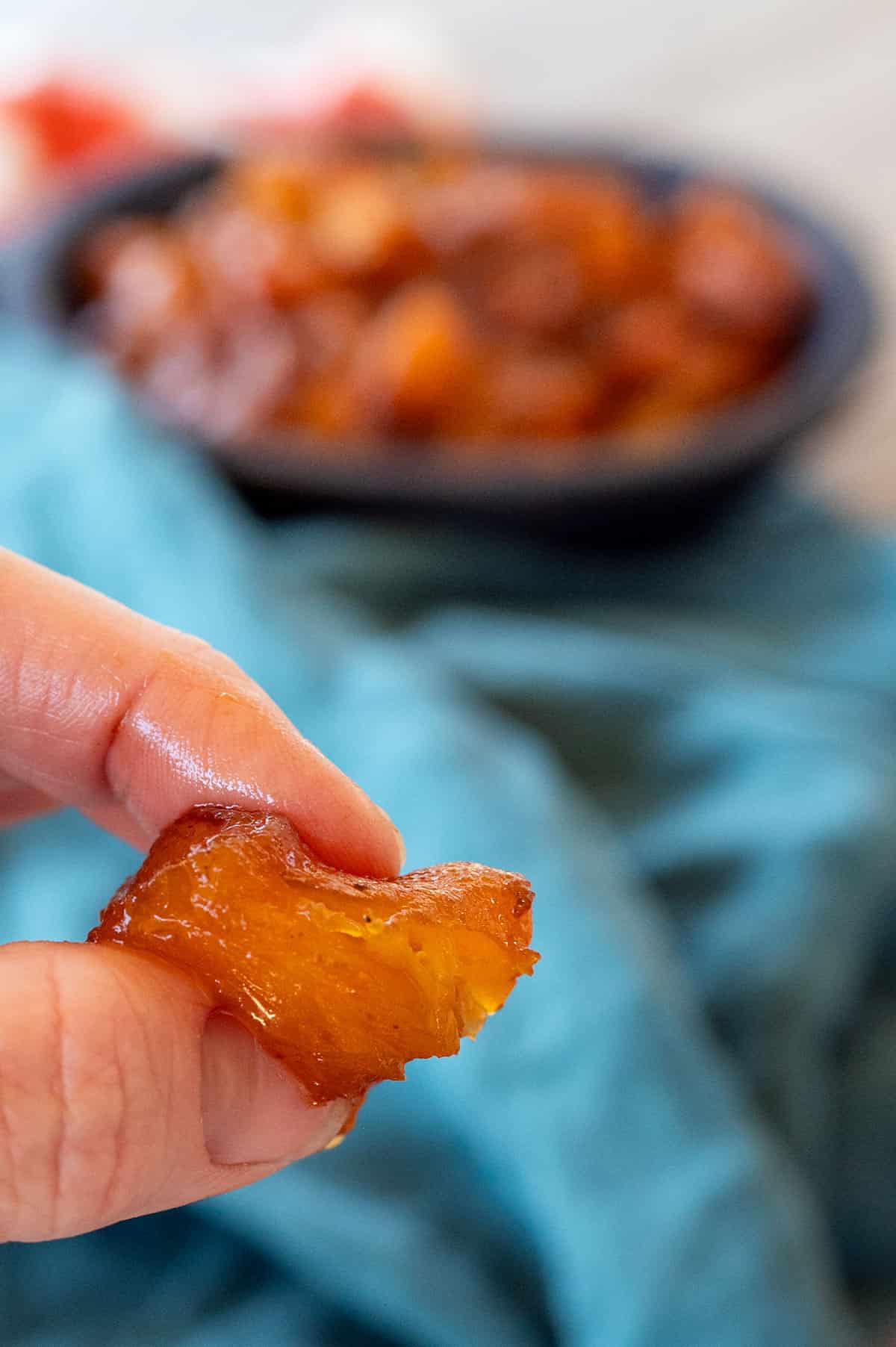
The final stage involves uncovering the pan and increasing the grill temperature to approximately 350°F (177°C). This higher heat, applied without the foil, allows the sauce to reduce and caramelize, creating the signature sticky, slightly crisp exterior that defines burnt ends. This uncovered cooking period lasts for about 1 hour and 15 minutes, during which the sugars in the sauce thicken and form a delectable glaze on the squash cubes. The result is a dish that mirrors the texture and flavor profile of traditional burnt ends, offering a delightful sweet, smoky, and savory experience.
Nutritional Profile and Considerations
The nutritional information provided for butternut squash burnt ends indicates a moderate calorie count, with a breakdown that highlights carbohydrates as the primary macronutrient, followed by fat. The dish offers a good source of Vitamin A and Vitamin C, along with a notable amount of potassium, all attributed to the butternut squash base. The presence of fiber contributes to its dietary value. While the sugar content is evident due to the glaze, the overall profile positions it as a flavorful, yet relatively balanced, side dish or appetizer, especially when consumed in moderation.
It is important to note the emphasis on using fresh butternut squash. The high water content in frozen squash can lead to a mushy texture and a less concentrated flavor, detracting from the desired "burnt end" quality. This attention to ingredient selection underscores the importance of technique in achieving optimal results.
Serving and Storage Recommendations
Butternut squash burnt ends are presented as a versatile dish, suitable for a variety of occasions. They are particularly recommended for holiday gatherings, offering a sophisticated vegetarian alternative to traditional meat dishes. Their appetizer potential is also highlighted, with the suggestion of serving them warm with toothpicks for easy self-service. For those seeking a more substantial plant-based barbecue experience, pairing them with smoked jackfruit is also suggested, further expanding the plant-based offerings.
For storage, the recommendation is to keep any leftovers in an airtight container in the refrigerator for up to five days. Freezing is not advised, as the texture of the cooked squash and glaze may not hold up well to the freezing and thawing process.
Culinary Trends and the Future of "Burnt Ends"
The innovation seen with butternut squash burnt ends is indicative of broader trends in the culinary landscape. There is a growing appreciation for:
- Ingredient Versatility: Chefs and home cooks are increasingly exploring the potential of vegetables to emulate the textures and flavor profiles traditionally associated with meat.
- Dietary Inclusivity: The demand for plant-based, vegetarian, and vegan options is driving culinary creativity, ensuring that popular dishes can be enjoyed by a wider audience.
- Elevated Comfort Food: Classic comfort foods are being deconstructed and reconstructed with premium ingredients and innovative techniques, offering a more refined experience.
- Seasonal Cooking: The use of seasonal produce, like butternut squash during the fall and winter months, not only ensures optimal flavor but also aligns with sustainable culinary practices.
The adaptation of "burnt ends" to butternut squash is more than just a novelty; it represents a thoughtful culinary response to changing consumer preferences and a testament to the enduring appeal of well-executed flavor profiles. As this trend continues, it is likely that we will see even more creative applications of this beloved barbecue technique, further blurring the lines between traditional and contemporary cuisine. The success of dishes like butternut squash burnt ends suggests a future where dietary restrictions no longer mean missing out on the most exciting and flavorful culinary experiences.


