
On August 1, 2026, home fermentation enthusiasts across the nation, unified under the banner of the American Homebrewers Association (AHA), marked Home Fermentation Day by showcasing a diverse array of their latest microbial endeavors. This annual celebration, dedicated to exploring the transformative power of fermentation in food and beverage production, saw AHA members enthusiastically sharing their successes, ranging from vibrant garden-grown vegetables to meticulously aged fruit-infused meads. The event served as a powerful testament to the profound impact these microscopic organisms have on culinary creation, transforming simple ingredients into complex and flavorful products.
The tradition of Home Fermentation Day, established by the AHA, aims to foster a community of home fermenters and educate the public about the benefits and accessibility of this ancient practice. By encouraging members to share their projects, the AHA not only highlights individual achievements but also cultivates a collaborative environment for learning and inspiration. This year’s event saw a significant uptick in participation, with social media platforms and the AHA’s official channels abuzz with images and descriptions of home-fermented goods. The sheer variety of entries underscored the broad appeal of fermentation, encompassing everything from foundational culinary staples to adventurous, artisanal beverages.
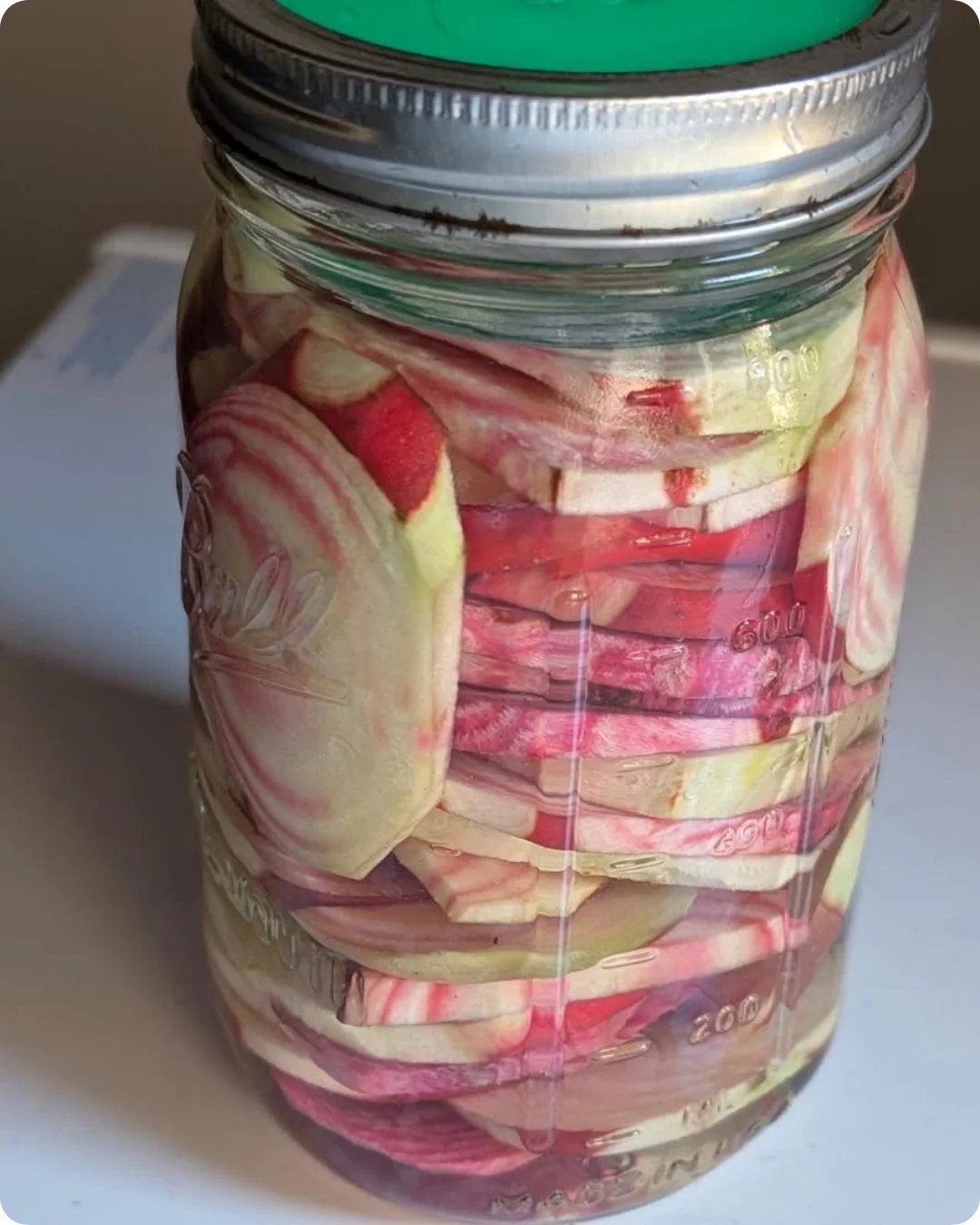
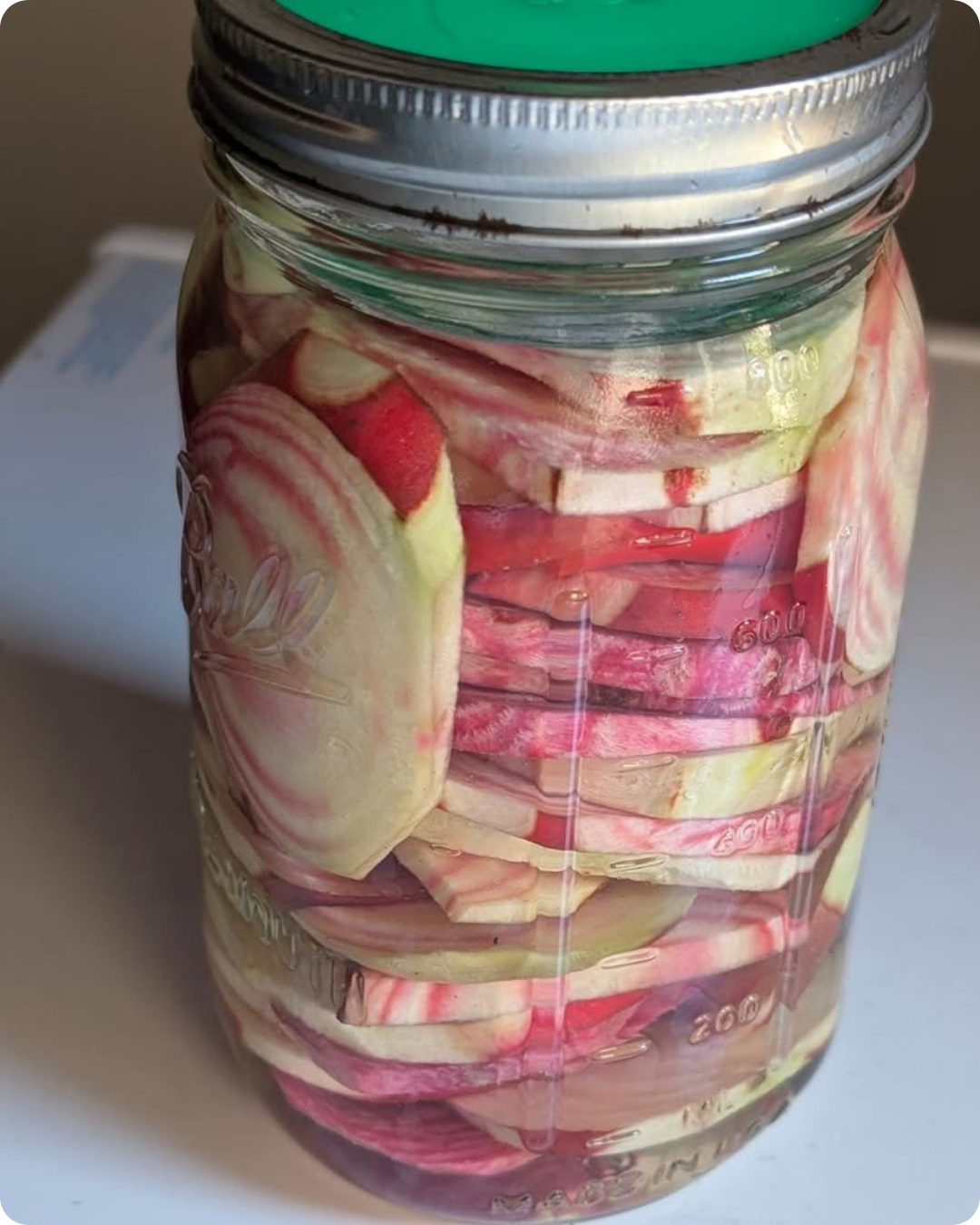
Among the standout participants was Andrew Farke of Claremont, California, a member of the Horse Thief Brewers Association. Farke contributed a visually striking batch of lacto-fermented beets, a project that beautifully merged his passion for home cultivation and fermentation. The beets, sourced directly from his own garden, were enhanced with the pungent kick of garlic and the fiery warmth of Thai chiles, creating a vibrant and complex condiment. Lacto-fermentation, a process utilizing naturally occurring lactic acid bacteria, is renowned for its ability to preserve food while developing unique tangy flavors and beneficial probiotics. Farke’s contribution exemplified the farm-to-table ethos, demonstrating how readily available ingredients can be elevated through the art of fermentation. The visual appeal of his crimson beets, glistening with brine, served as a compelling invitation to explore the world of fermented vegetables.
Hailing from the lush landscapes of Hilo, Hawaii, Carl Saxer offered a classic take on fermentation with his naturally fermented sauerkraut. Saxer’s dedication to traditional methods was evident in his simple yet effective recipe, which relied solely on the natural yeasts and bacteria present on the cabbage, combined with salt to draw out moisture and create the ideal environment for fermentation. This minimalist approach, often referred to as wild fermentation, yields a deeply flavorful sauerkraut that is both a culinary delight and a source of beneficial gut bacteria. Saxer also shared his preferred accompaniment for his homemade sauerkraut: a perfectly prepared batch of homemade sausage, illustrating the harmonious pairing of fermented foods within a meal. The practice of fermenting cabbage dates back centuries, with various cultures developing their own unique variations, and Saxer’s participation highlights the enduring relevance of this time-honored technique.
Representing the sunshine state, Chris Gasbarro of Port St. Lucie, Florida, presented a meticulously aged guava melomel. This particular project represented a significant investment of time and patience, as the melomel had undergone a full year of aging. Gasbarro’s creation was crafted using the delicate sweetness of guava blossom honey and the vibrant tropical notes of guava puree. Melomels, a type of mead (fermented honey wine) that incorporates fruit, offer a vast canvas for flavor experimentation. The extended aging period suggests a sophisticated approach to fermentation, allowing the complex flavors of the honey and guava to melve and mature, likely resulting in a smooth, nuanced, and highly aromatic beverage. The visual evidence of Gasbarro’s melomel, poised for bottling, hinted at a rich amber hue, a testament to the patient transformation that had taken place over twelve months.
The scope of Home Fermentation Day extended beyond these featured examples. The AHA reported a surge in submissions that included fiery artisanal hot sauces, demonstrating the application of fermentation to spice up everyday meals. Homemade bread, a cornerstone of many diets, also featured prominently, with bakers showcasing the improved flavor and texture achieved through sourdough and other fermented leavening techniques. Even a lighthearted, yet creatively executed, video featuring rebellious saké, a fermented rice beverage, captured the playful spirit of the event. The sheer diversity of these entries underscores the adaptability of fermentation, proving it can enhance a wide spectrum of food and beverage applications, from the mundane to the extraordinary.
The success of Home Fermentation Day 2026 has significant implications for the broader homebrewing and fermentation community. It not only provides a platform for individuals to share their passion and skills but also serves as a vital educational resource. By showcasing a wide range of projects, from beginner-friendly ferments to more advanced creations, the event demystifies the process and encourages newcomers to explore the world of fermentation. The AHA’s commitment to providing accessible resources, such as their extensive collection of recipes for beer, mead, cider, and fermented foods, further supports this educational mission. The active engagement on social media, with members tagging @homebrewassoc and submitting photos, indicates a growing and vibrant online community dedicated to the craft. This digital footprint not only celebrates individual achievements but also fosters a sense of collective learning and mutual encouragement.
The AHA’s proactive approach to promoting fermentation extends beyond this single-day event. Recognizing that the allure of fermentation is a year-round pursuit, the organization actively curates resources and hosts regular events to keep the community engaged. Their comprehensive collection of recipes serves as a gateway for aspiring fermenters, offering guidance and inspiration for a multitude of projects. The ongoing invitation to share creations on social media and through direct submissions ensures a continuous flow of engaging content, further stimulating interest and participation. This consistent effort by the AHA solidifies its role as a central hub for home fermentation enthusiasts, providing both the knowledge and the community necessary for success.
Looking ahead, the AHA is continuing its tradition of fostering community interaction with upcoming events. A prime example is the scheduled AHA Happy Hour on Wednesday, August 5, 2026, at 6:30 p.m. MT, featuring Charlie Biolo, the proprietor and creative force behind Golden Hive Mead. Biolo has garnered significant attention for his ability to make meadmaking accessible and engaging through entertaining, beginner-friendly videos. His content has successfully introduced millions to the art of fermentation, proving that it can be an approachable, creative, and enjoyable endeavor. Biolo’s philosophy aligns perfectly with the AHA’s mission to democratize the art of fermentation, making it less intimidating and more inviting for individuals of all skill levels.
AHA Happy Hours, as described by the organization, are informal, interactive virtual gatherings designed to connect homebrewers and fermentation enthusiasts. These sessions provide a valuable opportunity for participants to exchange stories, seek advice, and discuss all facets of the hobby. A key aspect of these happy hours is their inclusivity; they are open to everyone, regardless of AHA membership status, further emphasizing the organization’s commitment to building a broad and welcoming community. The upcoming session with Charlie Biolo promises to be an insightful and enjoyable experience, offering a glimpse into the world of meadmaking and the broader principles of creative fermentation.
The enduring appeal of fermentation lies in its ability to transform basic ingredients into products of remarkable complexity and depth. It is a process that taps into natural biological mechanisms, harnessing the power of microbes to create flavors, textures, and aromas that are otherwise unattainable. From the humble cabbage transformed into tangy sauerkraut to the delicate honey elevated into a nuanced melomel, fermentation offers a tangible connection to the natural world and the intricate processes that shape our food and beverages. Events like Home Fermentation Day serve as crucial catalysts, not only celebrating the achievements of home fermenters but also inspiring a new generation to explore this ancient and rewarding craft. The continued growth and engagement within the home fermentation community, actively supported by organizations like the AHA, suggest a bright future for this fascinating and flavorful pursuit. The ongoing dialogue and shared experiences, facilitated by these platforms, ensure that the art of fermentation will continue to evolve and inspire for years to come.


