
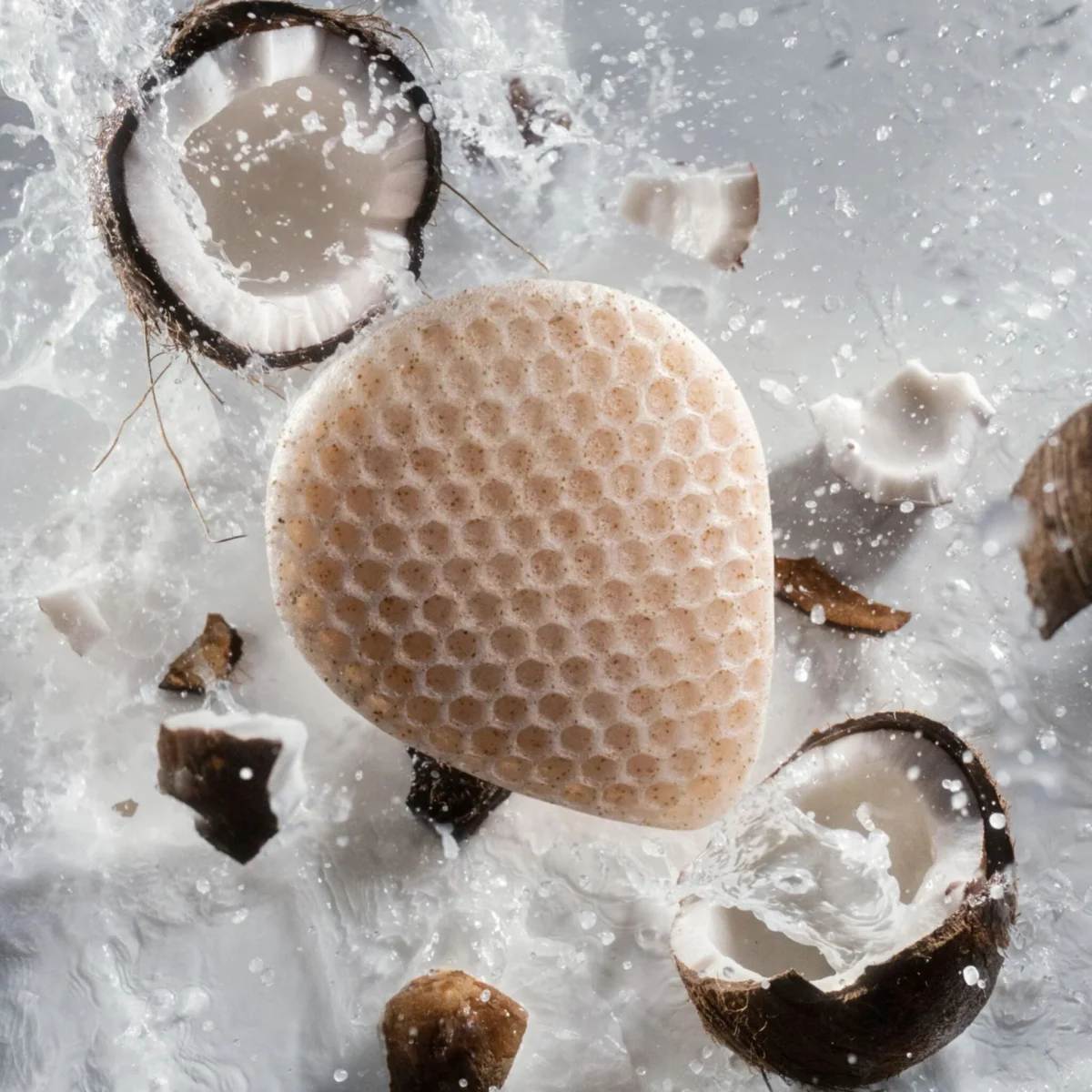
The global personal care industry is facing a significant paradigm shift as consumers move away from synthetic, single-use hygiene tools toward biodegradable alternatives. Central to this transition is the replacement of the ubiquitous plastic shower pouf—a polyethylene mesh tool found in millions of bathrooms—with the all-natural konjac sponge. While the "everything shower" trend on social media platforms like TikTok has popularized multi-step routines involving dozens of products, environmental advocates and sustainable brands like Casamera are highlighting the ecological toll of these habits. Conventional plastic poufs are non-recyclable, shedding microplastics into the water system with every use before ultimately occupying landfill space for centuries. In response, the emergence of the konjac sponge offers a circular solution that aligns dermatological health with environmental stewardship.
The Environmental Crisis of Synthetic Hygiene Tools
To understand the necessity of the konjac sponge, one must analyze the lifecycle of the standard plastic pouf. Most mass-produced bath sponges are made from virgin plastics, specifically high-density polyethylene (HDPE). These items are designed for a short lifespan; dermatologists frequently recommend replacing them every three to four weeks because the dense, non-breathable mesh provides an ideal breeding ground for bacteria, mold, and yeast.
According to data from environmental research groups, if every person in the United States replaced a plastic pouf once a month, it would result in billions of units of plastic waste annually. Furthermore, as these synthetic sponges degrade through friction and hot water, they release microplastics—particles smaller than five millimeters—that bypass municipal filtration systems and enter the marine food chain. A study published in the journal Environmental Science & Technology indicates that the cumulative effect of household plastic shedding is a primary contributor to the "plastic soup" found in the world’s oceans.
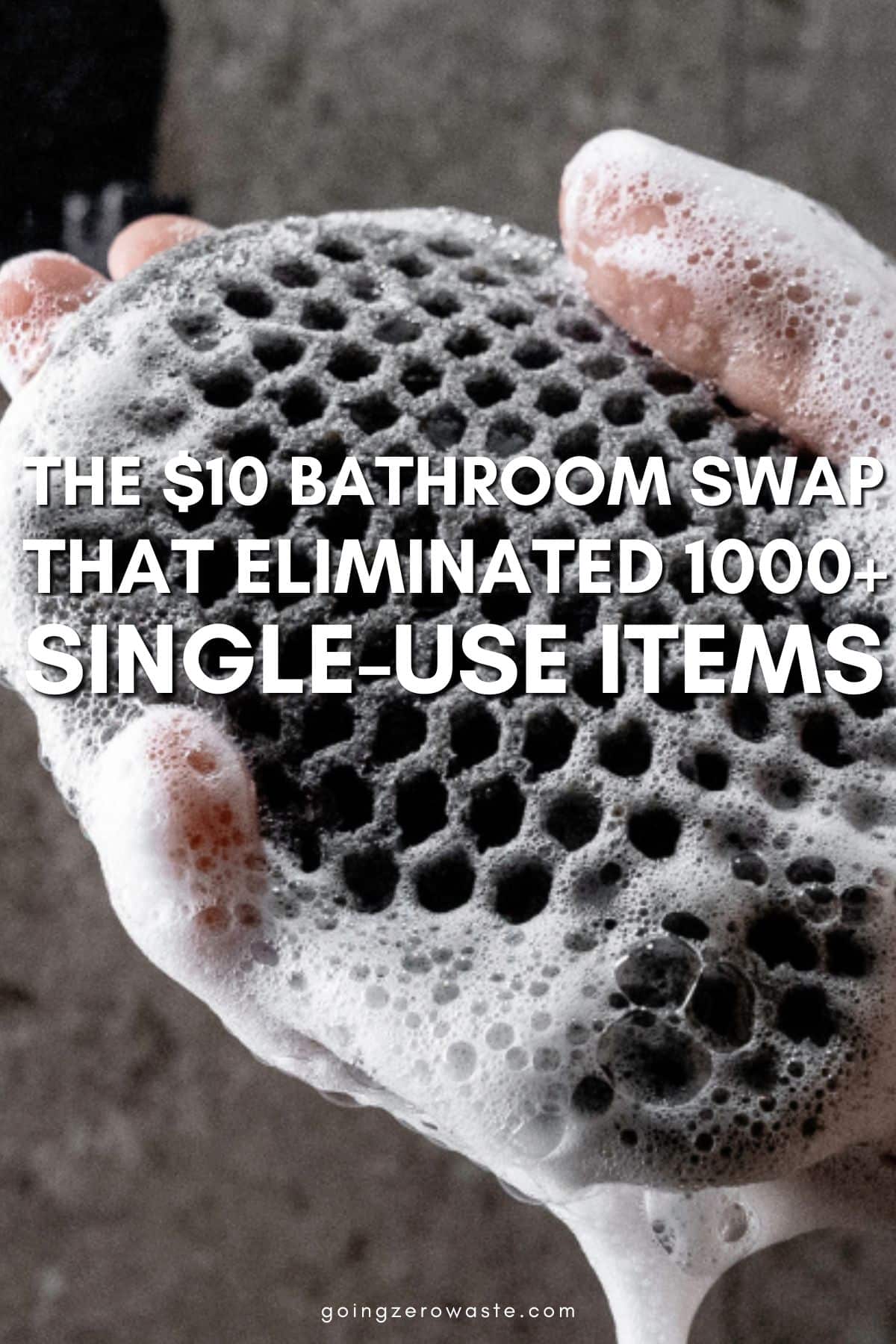
By contrast, the konjac sponge is derived entirely from the Amorphophallus konjac plant, a perennial tuber native to East and Southeast Asia. Because the material is organic, it is 100% compostable at the end of its life cycle, presenting a zero-waste alternative to the synthetic status quo.
The Chronology of Konjac: From Ancient Root to Modern Skincare
The use of the konjac plant is not a modern innovation but a centuries-old practice. Historical records indicate that the plant, known as konnyaku in Japan, has been cultivated since the 6th century, originally as a medicinal food source and a dietary staple due to its high fiber content. The transition from the kitchen to the bathroom began in the 19th century, when Japanese farmers began using the processed root to wash newborn babies, recognizing its unique ability to cleanse without irritating sensitive skin.
The manufacturing process for a modern konjac sponge follows a specific, multi-stage chronology:
- Harvesting: The tubers are harvested after reaching maturity, typically after two to three years of growth.
- Extraction: The root is ground into a fine flour, from which glucomannan—a water-soluble dietary fiber—is extracted.
- Mixing: The konjac powder is mixed with calcium hydroxide and water. At this stage, natural infusions such as activated charcoal, volcanic mud, or green tea are often added to target specific skin types.
- Molding and Steaming: The mixture is poured into molds and steamed to create a solid, yet porous, structure.
- Stabilization: The sponges undergo a process of heating and cooling to stabilize the fiber matrix, ensuring durability when wet.
- Dehydration: The final product is either freeze-dried or air-dried for packaging.
This process requires significantly less energy than the petroleum-refining and plastic-weaving processes required for synthetic sponges, further reducing the carbon footprint of the final product.
Product Innovation: The Casamera Design Model
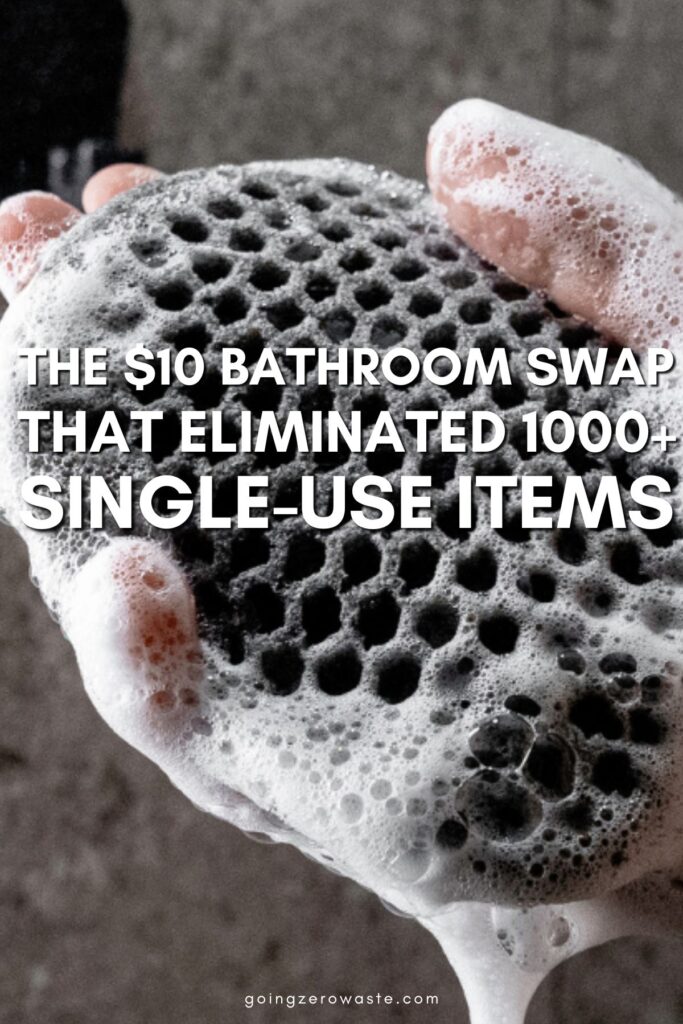
While konjac sponges have been available in the Western market for several years, they have traditionally been limited to small, facial-cleansing discs. Casamera has addressed the limitations of the traditional design by engineering a dual-sided scrubber intended for full-body use. This innovation addresses the consumer’s need for both gentle cleansing and rigorous exfoliation.
The Casamera model features a honeycomb-textured side for daily washing and a more abrasive side reinforced with natural walnut shells. This design allows the sponge to function as a direct replacement for both the plastic pouf and the synthetic exfoliating mitt. The brand offers various infusions tailored to dermatological needs:
- Charcoal: Designed for oily or acne-prone skin to draw out impurities.
- Matcha/Green Tea: Rich in antioxidants to protect skin from environmental stressors.
- Volcanic Mud: Intended for deep pore cleansing.
- Walnut Shell: Provides mechanical exfoliation to remove dead skin cells.
Furthermore, the ergonomic design includes a built-in handle, addressing a common complaint regarding the "slippery" nature of organic sponges. By providing a product that matches the utility of plastic without the environmental cost, Casamera is positioning the konjac sponge as a viable mainstream alternative rather than a niche eco-product.
Health and Hygiene Analysis: Antimicrobial Properties vs. Synthetic Mold
A primary driver for the adoption of konjac sponges is the disparity in hygiene between organic and synthetic materials. Plastic poufs are notorious for retaining moisture within their tightly wound mesh layers. In the humid environment of a bathroom, this moisture leads to the rapid colonization of Staphylococcus aureus and other bacteria.

In contrast, high-quality konjac sponges, such as those produced by Casamera, possess inherent antimicrobial properties. The porous nature of the glucomannan fiber allows for rapid drying when hung in a ventilated area. Market analysis suggests that consumers are increasingly aware of the "moldy smell" associated with old plastic poufs; the konjac sponge’s ability to remain fresh for a longer duration—typically two to three months—offers both a sensory and hygienic advantage.
To maintain these hygiene standards, experts recommend a weekly sanitization routine. By submerging the sponge in boiling water for two minutes, users can effectively sterilize the organic fibers without damaging the integrity of the sponge, a process that would melt or degrade a plastic alternative.
Economic and Infrastructure Impact: The Fatberg Phenomenon
The shift toward konjac sponges also carries implications for municipal infrastructure. One of the most significant challenges facing modern sewer systems is the "fatberg"—a massive, solidified blockage composed of fats, oils, grease, and non-biodegradable items. While "flushable" wipes are a primary culprit, synthetic fibers from degrading bath tools also contribute to these blockages.
Face wipes and makeup removal pads are often saturated with harsh chemicals, including potential per- and polyfluoroalkyl substances (PFAS), and are frequently disposed of down toilets. The cost of removing fatbergs from city sewers runs into the millions of dollars annually for major metropolitan areas. By utilizing a reusable, compostable konjac sponge for makeup removal and body cleansing, consumers alleviate the pressure on these aging infrastructure systems. When a konjac sponge reaches the end of its life, it can be placed in a backyard compost bin or a municipal green waste bin, where it breaks down into nutrient-rich soil rather than contributing to a sewer blockage or a landfill.
Broader Industry Implications and Corporate Responsibility
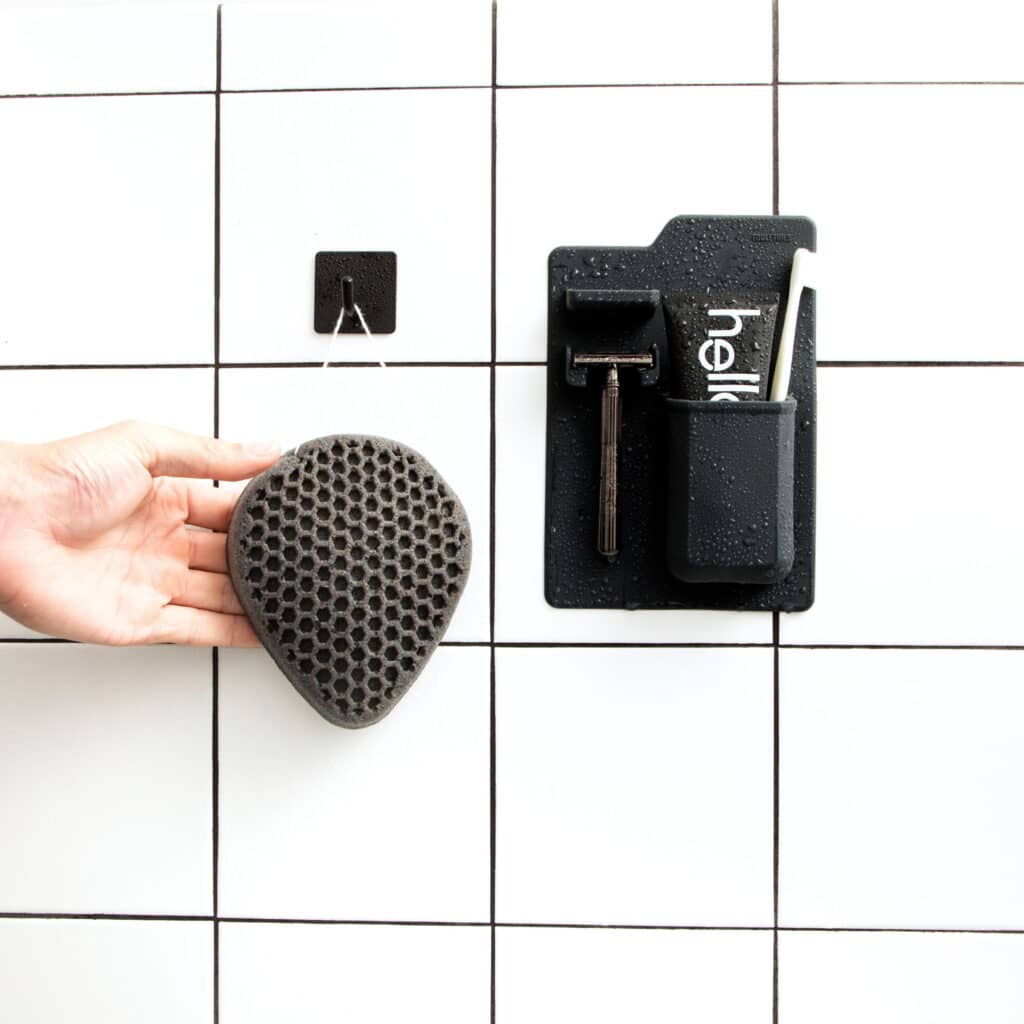
The rise of brands like Casamera reflects a broader trend toward "circular beauty," where the lifecycle of a product is considered from extraction to disposal. Casamera’s commitment to plastic-free shipping and carbon-offsetting—including planting trees to balance the emissions from manufacturing—sets a benchmark for corporate responsibility in the personal care sector.
Industry analysts predict that the global market for natural bath accessories will continue to grow at a steady Compound Annual Growth Rate (CAGR) as plastic bans and environmental regulations tighten. The transition from plastic poufs to konjac sponges is not merely a change in consumer preference but a necessary adjustment in the face of global plastic pollution.
The data is clear: the convenience of the plastic pouf is outweighed by its environmental and hygienic drawbacks. As the personal care industry evolves, the konjac sponge stands as a testament to the efficacy of traditional materials reimagined for the modern world. For the consumer, the switch represents a simple yet impactful step toward reducing their daily plastic footprint while enhancing their dermatological health. Through the efforts of sustainable brands and informed consumers, the era of the plastic pouf may finally be coming to a close, replaced by a root-based solution that is as old as history and as fresh as the future.


