
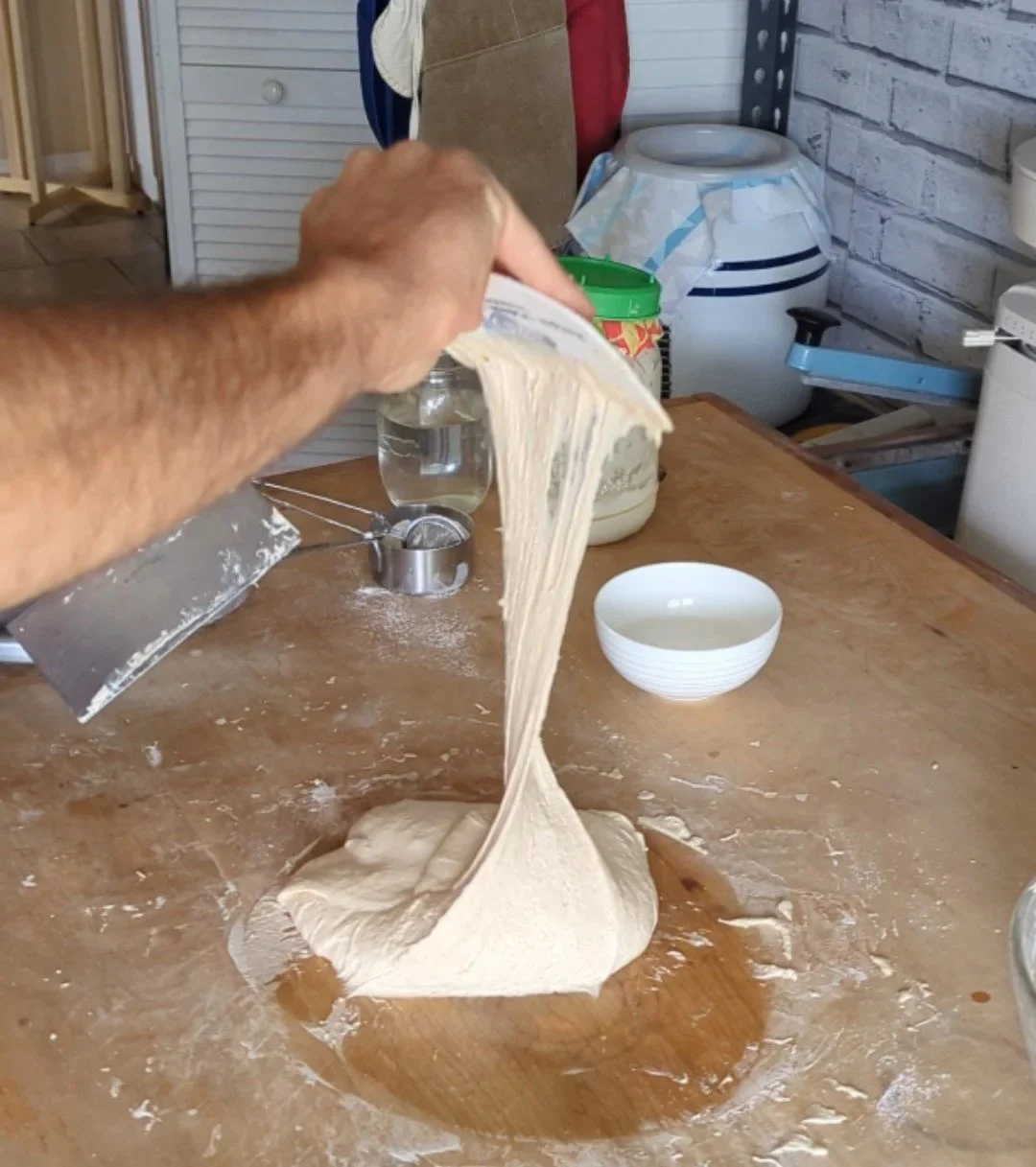
The delicate art of sourdough baking, revered for its complex flavors and satisfying textures, often presents home bakers with both triumphs and tribulations. A recent incident at the Fermenters Club kitchen, involving an attempt at their innovative "Lazy Loaf Sourdough bread technique," underscored this reality when an overnight proofing process yielded not a well-structured dough, but a "soupy mess." Far from a defeat, this unexpected turn transformed into a compelling demonstration of culinary adaptability, culminating in a batch of distinctively flavored sourdough pancakes. This event highlights the resilience required in fermentation, the scientific nuances of sourdough, and the creative solutions that often arise from kitchen challenges, offering valuable lessons for enthusiasts and novices alike.
Deconstructing the Sourdough Dilemma: A Chronology of Events
The journey began with the best intentions: an experiment with the "Lazy Loaf Sourdough bread technique," a method designed to streamline the traditional, often time-consuming, sourdough process. This technique aims to simplify steps, making artisanal bread baking more accessible to busy individuals. The initial stages of mixing and kneading proceeded as planned, setting the stage for the critical bulk fermentation and proofing phases.
The crucial overnight proof, intended to allow the dough to develop its characteristic flavor and structure, was left to proceed in ambient conditions. However, environmental factors intervened significantly. The indoor temperature, estimated to be around 80°F (approximately 27°C), was considerably higher than the ideal range for a slow, controlled proof. This elevated temperature, combined with a potentially extended proofing duration, created an environment ripe for over-fermentation.
By morning, the anticipated robust, elastic dough was nowhere to be found. Instead, the baker was met with a highly relaxed, almost liquid-like consistency—a "soupy mess" that resisted any attempt at shaping. Adding flour to the bench in an effort to salvage its form proved futile; the dough lacked the inherent structure necessary to hold its shape, a clear indication of compromised gluten integrity. Faced with the stark reality that this dough would not, under any circumstances, yield a well-risen loaf of bread, a pragmatic decision was made: to pivot from bread to pancakes, transforming a potential culinary failure into an alternative success. This strategic shift not only salvaged the ingredients but also showcased a resourceful approach to home baking that resonates with the principles of sustainability and culinary improvisation.
The Science Behind the Setback: Understanding Sourdough Proofing
The failure of the sourdough dough to rise properly during proofing is a common occurrence, often rooted in the delicate interplay of microbiology, temperature, and time. Sourdough relies on a symbiotic culture of wild yeast and lactic acid bacteria (LAB) present in the starter. These microorganisms consume the sugars in the flour, producing carbon dioxide (which creates the gas bubbles that leaven the bread) and a host of organic acids (which contribute to the characteristic sour flavor and improve shelf life).
Temperature as a Catalyst and a Detriment: Temperature is arguably the most critical variable in fermentation. Optimal proofing temperatures for sourdough typically range between 70-75°F (21-24°C). Within this range, the yeast and bacteria work in harmony, producing a balanced flavor profile and a steady rate of gas production. However, as observed in this incident, higher temperatures significantly accelerate microbial activity. At 80°F (27°C), the yeast and bacteria become hyperactive, consuming sugars at an increased rate.
While initially seeming beneficial for a quicker rise, this rapid fermentation can lead to several problems:
- Over-proofing: The dough ferments too quickly, producing an abundance of gas that stretches the gluten network to its maximum capacity, and then beyond. Once the gluten structure is overstretched, it loses its elasticity and ability to trap gas, leading to collapse.
- Gluten Degradation: The acids produced by the LAB, while essential for flavor, can also degrade the gluten proteins if fermentation is too aggressive or prolonged. This breakdown weakens the dough’s structural integrity, making it unable to hold its shape and resulting in a "soupy" or "slack" consistency, as described in the incident.
- Flavor Imbalance: Rapid fermentation often leads to an overproduction of acetic acid, resulting in an "unabashedly sour" flavor that, while characteristic of sourdough, can be overwhelming if not balanced.
The Role of Gluten Development: Gluten, a protein network formed when flour and water are mixed, is responsible for the elasticity and extensibility of bread dough. It acts like a balloon, trapping the carbon dioxide gas produced by the yeast, allowing the dough to rise. Proper gluten development through kneading and folds is crucial. However, even well-developed gluten can be compromised by over-fermentation. When the gluten network is stretched too far or degraded by excessive acid, it loses its ability to hold gas, leading to a flat, dense loaf, or in this case, a dough that cannot be shaped. The "Lazy Loaf" technique, while simplifying the process, may also be more sensitive to these environmental fluctuations if it relies on a shorter, more intense proofing period or less hands-on intervention, potentially making it more susceptible to over-proofing in warmer conditions.
From Failure to Flapjacks: A Masterclass in Repurposing Sourdough Discard
The decision to transform the failed sourdough bread dough into pancakes exemplifies a core principle of resourceful cooking: minimizing food waste through creative adaptation. This pivot is particularly relevant in the context of sourdough baking, where "discard" – the portion of the starter removed before feeding – is a frequent byproduct. While this incident involved an entire batch of bread dough, the underlying philosophy of utilizing fermented flour products remains the same.
The Art of Sourdough Discard Utilization: Sourdough discard is a highly versatile ingredient that can be incorporated into a wide array of recipes, from crackers and waffles to muffins and, of course, pancakes. It adds a distinct tang, improves texture, and often enhances the nutritional profile of baked goods. For this particular incident, a triple batch of the failed bread dough, which equates to a significant volume of fermented flour, was repurposed. This large quantity translated into approximately two dozen pancakes, providing a substantial meal from what could have been a complete loss.
The Pancake Transformation Process: The conversion from bread dough to pancake batter required specific adjustments. While the base of flour and fermented starter was already present, additional ingredients typically found in pancakes—such as milk (or buttermilk for extra tang), eggs for richness and binding, a touch of sweetener, and fat (like melted butter)—would have been incorporated to achieve the desired consistency and flavor. A critical detail highlighted by the baker was the omission of baking soda. In many sourdough discard pancake recipes, baking soda (a base) is added to react with the acidity of the sourdough, producing additional carbon dioxide gas and contributing to a lighter, fluffier texture. The baker’s retrospective acknowledgment that "in hindsight, I should have added it anyway" underscores the importance of this chemical leavening agent when working with highly acidic, fermented doughs, especially if seeking a significant rise in the final product.
The Flavor Profile and Culinary Pairing: The resulting pancakes were described as "unabashedly sour, and perhaps a bit flat, but otherwise delicious!" The prominent sourness is a direct consequence of the extensive fermentation the dough underwent at warm temperatures, leading to a high concentration of lactic and acetic acids. The relative flatness, as noted, could be attributed to the compromised gluten structure of the original dough and the absence of baking soda, which would have provided an additional lift. Despite these characteristics, the pancakes were deemed delicious, showcasing that a strong sourdough flavor can be a desirable attribute, especially when balanced with complementary elements.
The serving suggestions further elevated the dish: a side of "strawberry sauerkraut," grass-fed butter, and maple syrup. This combination is particularly intriguing. Strawberry sauerkraut introduces a unique blend of sweet, tart, and fermented notes, creating a complex counterpoint to the sour pancakes. Grass-fed butter adds richness and depth, while maple syrup provides essential sweetness to balance the tartness of both the pancakes and the sauerkraut. This thoughtful pairing transforms a simple breakfast item into a gourmet experience, demonstrating the creative potential even in the face of an initial baking mishap. The inclusion of a full video documenting the process further reinforces the transparency and educational value of this experience for the broader baking community.
Broader Implications for Home Bakers and Food Sustainability
This episode offers a wealth of insights that extend beyond the immediate culinary outcome, touching upon themes of resilience, sustainability, and continuous learning in the kitchen.
Resilience in the Kitchen: The ability to pivot from an intended outcome to an equally (or perhaps even more) satisfying alternative is a hallmark of an experienced and confident cook. The baker’s decision to transform the uncooperative dough into pancakes rather than discard it demonstrates a flexible mindset essential for home bakers. Not every baking endeavor will go perfectly, and learning to troubleshoot and adapt is a crucial skill that fosters creativity and reduces frustration. This incident serves as a powerful reminder that "failure" in the kitchen is often just a detour to an unexpected culinary discovery.
Reducing Food Waste: In an era of increasing awareness about food waste and environmental impact, repurposing ingredients is more important than ever. The average household wastes a significant amount of food annually, contributing to both economic loss and environmental strain. By converting a triple batch of failed bread dough into a substantial meal, the Fermenters Club actively practiced food sustainability. Sourdough discard, in particular, often presents a challenge for bakers who may not know how to utilize it effectively. This incident champions the ethos of "waste not, want not," encouraging bakers to view all parts of their sourdough process as valuable.
The Learning Curve of Fermentation: Fermentation is a dynamic process influenced by numerous variables, making it a continuous learning journey. Temperature, humidity, starter activity, flour type, and hydration levels all play a role, and even experienced bakers encounter unexpected results. Each "failure" provides an opportunity to analyze the contributing factors, refine techniques, and deepen one’s understanding of the intricate science involved. This specific event offered clear lessons on the impact of elevated temperatures on proofing and the importance of chemical leavening in certain discard applications.
The Versatility of Sourdough: Beyond its primary role in bread making, sourdough culture (both active starter and discard) is incredibly versatile. It can be used to make a vast array of items, including pizza dough, crackers, muffins, quick breads, cakes, and even fried foods. This incident vividly illustrates that a sourdough starter is not just for bread; it’s a living ingredient that can enhance many different culinary creations. Exploring these alternative uses not only prevents waste but also expands a baker’s repertoire and culinary horizons. The growing popularity of sourdough baking, particularly in recent years spurred by global events that encouraged home-based activities, has led to a wider appreciation for this versatility and a demand for creative discard recipes.
Expert Insights and Best Practices for Sourdough Success
While every baker will inevitably face challenges, incorporating best practices can significantly increase the chances of sourdough success and provide strategies for managing unexpected outcomes.
Temperature Control is Paramount: As demonstrated by this incident, maintaining the correct temperature during bulk fermentation and proofing is crucial. Home bakers can achieve this by:
- Using a proofing box: Dedicated devices that maintain a consistent temperature and humidity.
- Utilizing an oven with the light on: The warmth from the oven light can create a suitable environment, especially in cooler kitchens.
- Room temperature management: Placing dough in a warmer spot in the house during colder months, or a cooler spot during warmer months. For extended proofs, refrigeration can significantly slow down fermentation.
- Digital thermometers: Essential for monitoring both ambient kitchen temperature and the dough’s internal temperature.
Knowing Your Dough: The "Poke Test": Learning to read the dough is an invaluable skill. The "poke test" is a simple method to gauge proofing. Gently poke the dough with a floured finger; if the indentation springs back slowly, leaving a slight mark, it’s likely perfectly proofed. If it springs back immediately, it might be under-proofed. If it collapses or leaves a deep, lasting indentation, it’s likely over-proofed, as was likely the case in this scenario.
The Role of Baker’s Intuition: Sourdough baking is as much an art as it is a science. While recipes and precise measurements provide a foundation, developing an intuition for the dough’s feel, smell, and appearance is critical. This intuition comes with experience and observation, allowing bakers to make subtle adjustments based on environmental conditions and the specific characteristics of their starter.
Embracing Discard Recipes: Proactively having a collection of sourdough discard recipes is a strategic move for any sourdough baker. This ensures that excess starter or failed dough can always be repurposed, fostering a zero-waste kitchen philosophy. Recipes for crackers, flatbreads, waffles, and pancakes are excellent starting points.
Continuous Learning and Community Engagement: The sourdough journey is iterative. Engaging with baking communities, whether online forums or local clubs like Fermenters Club, provides a platform for sharing experiences, troubleshooting problems, and learning from others. The very act of sharing this incident by the Fermenters Club author contributes to this collective knowledge base, empowering other bakers to learn from their experience.
Conclusion: A Culinary Triumph Born from Adaptation
The narrative of the failed sourdough loaf turned into delicious pancakes is more than just a recipe pivot; it’s a testament to the spirit of innovation and resilience inherent in the culinary arts, particularly in the dynamic world of fermentation. What began as an unexpected challenge in the pursuit of the "Lazy Loaf" technique ultimately transformed into a rich batch of "unabashedly sour" pancakes, served with unique flair alongside strawberry sauerkraut. This outcome vividly illustrates that even when a meticulously planned baking project veers off course, the journey doesn’t have to end in disappointment.
This incident offers profound lessons for home bakers: the critical impact of environmental factors like temperature on microbial activity, the science behind gluten degradation in over-proofed dough, and the indispensable value of chemical leavening in certain applications. More broadly, it champions the principles of resourcefulness, significantly contributing to the reduction of food waste, and underscores the continuous learning curve that defines true mastery in any craft. The "Fermenters Club" ethos, as embodied by founder Austin Durant, clearly advocates for experimentation, adaptability, and the sharing of knowledge, transforming every kitchen mishap into a valuable lesson and a potential new culinary delight. In the end, the true success lies not in achieving perfection every time, but in the delicious adaptability that transforms challenges into triumphs.


