
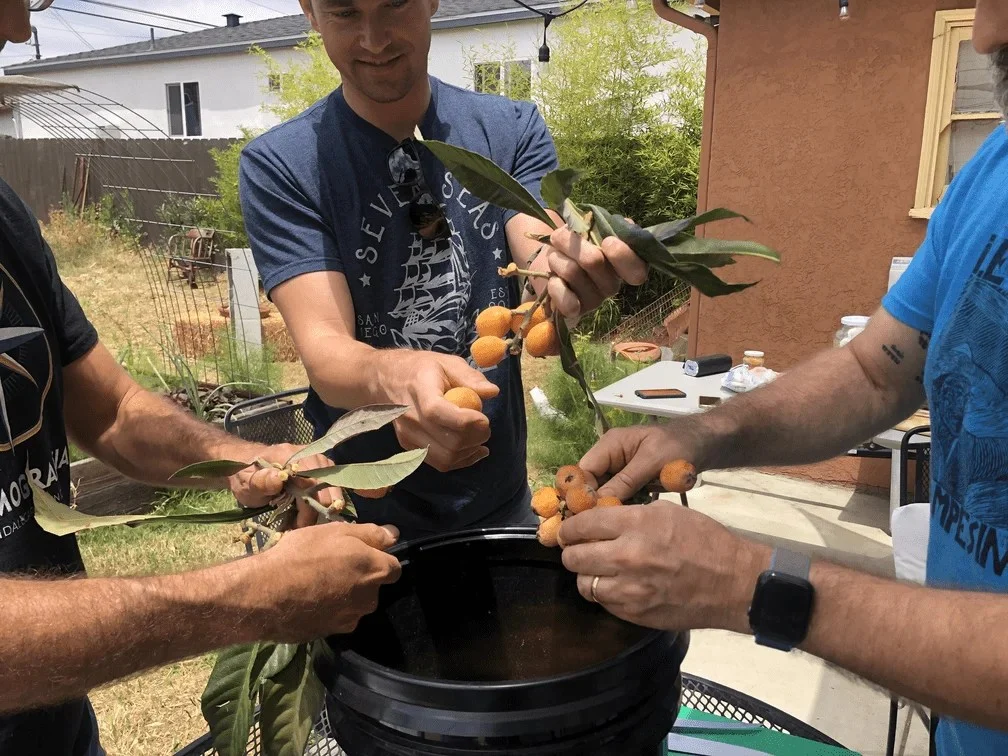
As spring transitions into early summer, from mid-March through mid-May, a unique and prolific fruit tree, the loquat (Eriobotrya japonica), once again drapes its branches with abundant clusters of its distinctive, pear-like fruit. Often mistaken for its citrus cousin, the kumquat, the loquat stands apart with its fuzzy, blush-toned skin, succulent flesh, and prominent seeds. This seasonal bounty, particularly noted in regions with mild climates, signals a cherished annual tradition for many gardeners and culinary enthusiasts, prompting a flurry of activity to process and preserve the highly perishable yield.
A Botanical Profile of the Resilient Loquat Tree
The Eriobotrya japonica, a member of the Rosaceae family which also includes apples, pears, and peaches, is native to the cooler highlands of south-central China. From there, it was introduced to Japan, where it has been cultivated for over a thousand years, before spreading globally. It is an evergreen tree, often reaching heights of 20 to 30 feet, and can grow up to 25 feet or more in ideal conditions, characterized by large, leathery, dark green leaves. These leaves are not only aesthetically pleasing but also serve a practical purpose for many gardeners. Their prolific shedding provides a continuous source of carbon-rich material, making them an excellent natural amendment for compost piles throughout the year. Beyond their utility in composting, loquat leaves have been recognized for centuries in traditional medicine, particularly in East Asian cultures, for their purported medicinal properties. They are commonly brewed into a tea, believed to aid in respiratory health and possess anti-inflammatory qualities.
The fruit itself is typically round to oval, measuring about 1 to 2 inches in length, and ripens from green to a vibrant yellow or orange, often developing a subtle blush reminiscent of stone fruits. Each fruit contains one to five glossy, dark brown seeds, which are easily removed. The flavor profile is a delicate balance of sweet and tart, often described as a hybrid of apricot, peach, and subtle citrus notes, with a juicy, somewhat fibrous texture. This unique combination makes it a versatile ingredient in various culinary preparations.
The Annual Rite of Spring: Harnessing Abundance
The loquat harvest is a relatively short but intense period. Beginning in mid-March and concluding by mid-May, the tree’s branches become heavily laden, yielding dozens, if not hundreds, of pounds of fruit. This abundance, while a blessing, presents a significant challenge due to the fruit’s inherent perishability. Unlike many commercial fruits bred for extended shelf life, loquats have a fragile skin and soft flesh, making them susceptible to bruising and rapid spoilage once picked. This short window of optimal ripeness necessitates immediate action, transforming the harvest into a communal or individual "rite of spring" focused on preservation.
Farmers and home growers alike must strategize quickly to prevent significant waste. The act of gathering and processing these delicate fruits becomes a race against time, often involving family members or community groups dedicated to maximizing the yield. This urgency underscores the need for effective preservation techniques, moving beyond simple fresh consumption.
Nutritional Profile and Emerging Health Insights
Beyond its delightful taste, the loquat fruit boasts a commendable nutritional profile, contributing to its growing appeal in health-conscious diets. Rich in dietary fiber, loquats aid in digestion and can contribute to gut health. They are a good source of Vitamin A, primarily in the form of beta-carotene, which is vital for vision, immune function, and skin health. Additionally, loquats provide Vitamin C, an essential antioxidant that supports the immune system and collagen production. Important minerals such as potassium, manganese, and copper are also present, contributing to electrolyte balance, bone health, and various enzymatic functions within the body.
The medicinal properties of loquat leaves, long acknowledged in traditional East Asian practices, are now garnering attention from modern scientific research. Compounds like triterpenes, flavonoids, and phenolic acids found in loquat leaves have demonstrated antioxidant, anti-inflammatory, and anti-diabetic potential in preliminary studies. Loquat leaf tea, often consumed for its purported ability to soothe coughs and improve respiratory conditions, is being investigated for its broader pharmacological benefits, including its role in managing blood sugar levels and reducing lipid peroxidation. These ongoing studies highlight the plant’s potential as a valuable natural resource for health and wellness, extending its utility far beyond its seasonal fruit.
Culinary Versatility: From Sweet Jams to Savory Chutneys
The perishable nature of loquats necessitates creative culinary solutions, and the fruit’s unique flavor lends itself beautifully to a wide array of preparations. One of the most popular methods of preservation is transforming the fruit into a delicious loquat jam. The natural pectin in loquats, combined with their sweet-tart profile, makes for a vibrant and flavorful spread that captures the essence of spring. Recipes often call for minimal added sugar, allowing the fruit’s inherent taste to shine through, creating a delightful accompaniment for toast, scones, or as a glaze for roasted meats.
However, the culinary potential of loquats extends far beyond sweet preserves. The fruit’s balance of sweetness and acidity makes it an ideal candidate for savory applications, such as fermented condiments. A loquat chutney, akin to a peach-mango chutney, offers a complex profile of sweet, sour, and spicy notes. This type of condiment, often incorporating spices like ginger, mustard seeds, and chilies, along with vinegar and sugar, benefits immensely from fermentation. Fermentation not only enhances flavor depth and complexity through the development of beneficial bacteria but also significantly extends the shelf life of the product, transforming a fleeting seasonal fruit into a pantry staple. Such chutneys can be a versatile addition to many dishes, pairing excellently with grilled chicken or fish, curries, cheese boards, or as a sandwich spread.
Beyond these well-established uses, loquats can be incorporated into pies, tarts, crumbles, and even fermented beverages like wine or vinegar. Their juicy flesh can be pureed into sauces for desserts or savory dishes, or added to smoothies for a nutritional boost. The fruit can also be dried or candied, offering alternative preservation methods that capture its distinct flavor for enjoyment throughout the year.
Sustainable Practices and Ecological Contributions
The loquat tree contributes to sustainable living in multiple ways. As noted, its abundant leaf fall provides a continuous and free source of carbon-rich material for composting. This practice diverts organic waste from landfills, enriches garden soil, and reduces the need for synthetic fertilizers, promoting a healthier ecosystem. For permaculture enthusiasts, the loquat is often lauded for its low maintenance, drought resistance once established, and ability to provide shade and habitat.
In an era increasingly focused on local food systems and reducing food miles, the loquat serves as an excellent example of a fruit that thrives in many urban and suburban environments. Its prevalence in home gardens contributes to food security at a micro-level, allowing individuals and communities to access fresh, seasonal produce directly. The emphasis on preserving the harvest also aligns with broader efforts to minimize food waste, transforming a perishable crop into long-lasting provisions.
Global Reach and Economic Significance
While not a globally dominant commercial crop like apples or bananas, the loquat holds significant regional importance. Its cultivation is widespread across parts of Asia (China, Japan, India), the Mediterranean basin (Italy, Spain, Greece), North Africa, parts of the Middle East, and increasingly in California and Florida in the United States, as well as Australia and New Zealand. In these regions, loquats are often found in backyard gardens and local farmers’ markets, contributing to local economies and culinary traditions.
For small-scale growers and home gardeners, the loquat offers an accessible and low-input crop. Its hardiness and resistance to many common pests make it an attractive option for sustainable agriculture. The demand for unique and locally sourced ingredients by chefs and food artisans has also seen a resurgence of interest in loquats, leading to innovative culinary creations and expanding their market presence beyond traditional uses. Agricultural extension offices in areas where loquats thrive often provide resources and guidance on best practices for cultivation and preservation, further supporting its role in regional food systems.
Expert Perspectives on the Loquat’s Value
Agricultural experts consistently highlight the loquat’s resilience and adaptability. Dr. Elena Petrova, a horticultural specialist, remarks, "The Eriobotrya japonica is an incredibly robust tree, capable of flourishing in a variety of soil types and requiring minimal intervention once established. Its dual utility, providing both edible fruit and valuable biomass for composting, makes it a model species for sustainable urban and suburban landscapes."
From a nutritional standpoint, registered dietitian Michael Chen notes, "Loquats offer a healthy dose of essential vitamins and minerals, particularly Vitamin A and dietary fiber. Their natural sugars make them a satisfying snack, and the ongoing research into the health benefits of loquat leaves could unlock further applications in functional foods and natural remedies."
Culinary professionals are equally enthusiastic. Chef Isabella Rossi, known for her commitment to seasonal and local ingredients, states, "The loquat’s delicate sweetness and bright acidity present a fantastic canvas for creative cooking. While fresh consumption is a joy, the ability to transform it into sophisticated jams, chutneys, and even savory glazes truly extends its culinary season and showcases its versatility." She adds, "Fermentation, in particular, elevates the loquat, adding layers of umami and depth that can stand up to robust flavors."
Addressing the Abundance: Strategies for Utilization
The sheer volume of fruit produced by a mature loquat tree necessitates a proactive approach to utilization. Beyond individual household efforts, community initiatives are emerging in some areas to manage the harvest. Local food banks and gleaning organizations sometimes coordinate volunteers to pick surplus fruit, distributing it to those in need. Workshops on canning, jam-making, and fermentation often see increased attendance during loquat season, empowering individuals with the skills to preserve this seasonal delicacy.
Furthermore, educational campaigns can raise awareness about the loquat’s versatility, encouraging consumers to explore its use beyond fresh eating. Promoting recipes for savory applications, fermented products, and even home-brewed loquat beverages can help ensure that fewer of these precious fruits go to waste. This collective effort transforms what might otherwise be an overwhelming harvest into a celebrated opportunity for culinary exploration and community engagement.
In conclusion, the annual loquat harvest is more than just a seasonal event; it is a testament to the enduring value of a resilient tree that offers a wealth of benefits. From its contribution to sustainable gardening through composting to its rich nutritional profile and diverse culinary applications, the loquat (Eriobotrya japonica) embodies a harmonious blend of ecological utility and gastronomic delight. As communities continue to embrace local and sustainable food practices, the unassuming loquat tree stands poised to play an increasingly significant role in both our gardens and our kitchens.


