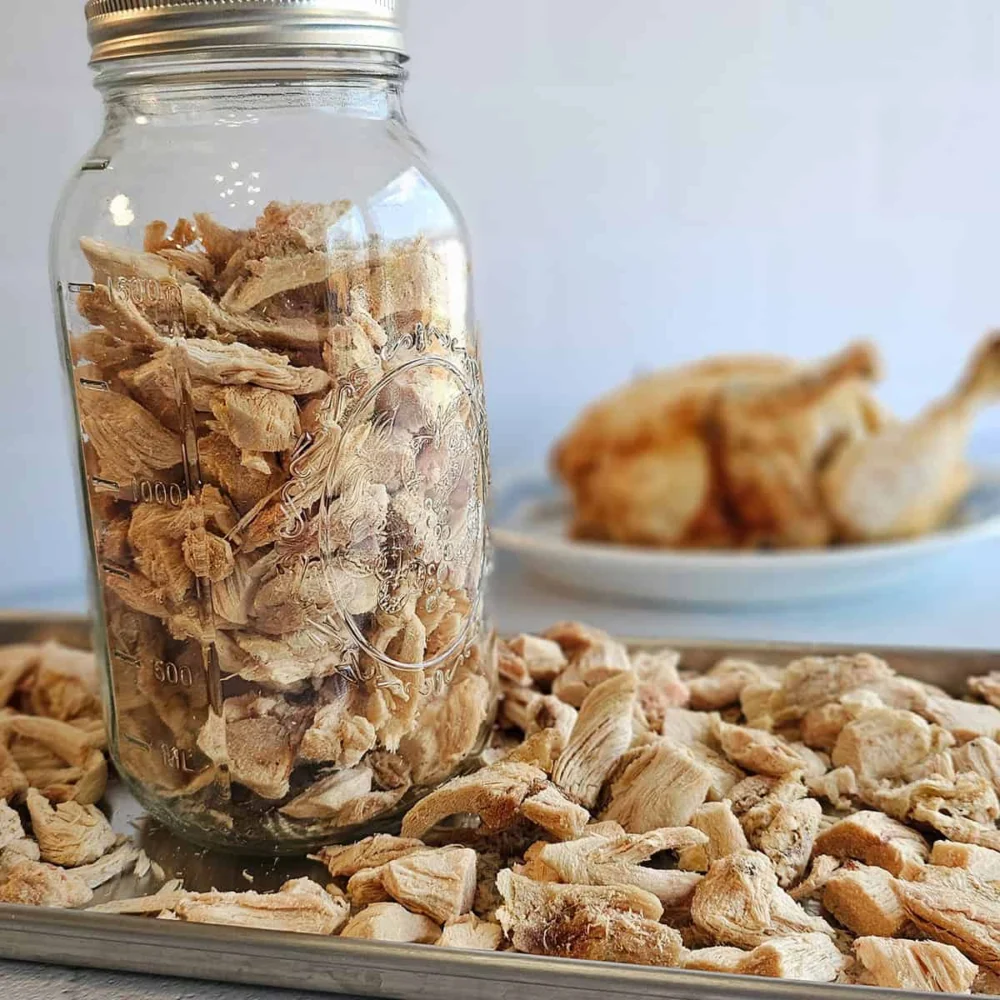
The modern culinary landscape is witnessing a significant shift toward sophisticated home food preservation, with the freeze-drying of pre-cooked proteins like rotisserie chicken emerging as a primary strategy for both economic efficiency and food security. As consumer interest in self-sufficiency and waste reduction continues to rise, the application of industrial-grade sublimation technology in the domestic kitchen has transformed how households manage perishable goods. Rotisserie chicken, a ubiquitous "loss leader" in American supermarkets, represents an ideal entry point for individuals utilizing home freeze-drying units, such as those manufactured by Harvest Right. This process not only extends the shelf life of the poultry from days to years but also maintains the structural integrity and nutritional profile of the meat in a way that traditional canning or dehydrating cannot match.
The Economic Context of Rotisserie Chicken Preservation
The rotisserie chicken has long been a staple of the American grocery industry, with retailers like Costco and Walmart selling hundreds of millions of units annually. Often sold at prices that barely cover production costs to entice foot traffic, these birds offer a high-protein, low-cost resource for the budget-conscious consumer. However, the short refrigerated shelf life of a cooked chicken—typically three to four days according to USDA guidelines—often leads to significant domestic food waste.
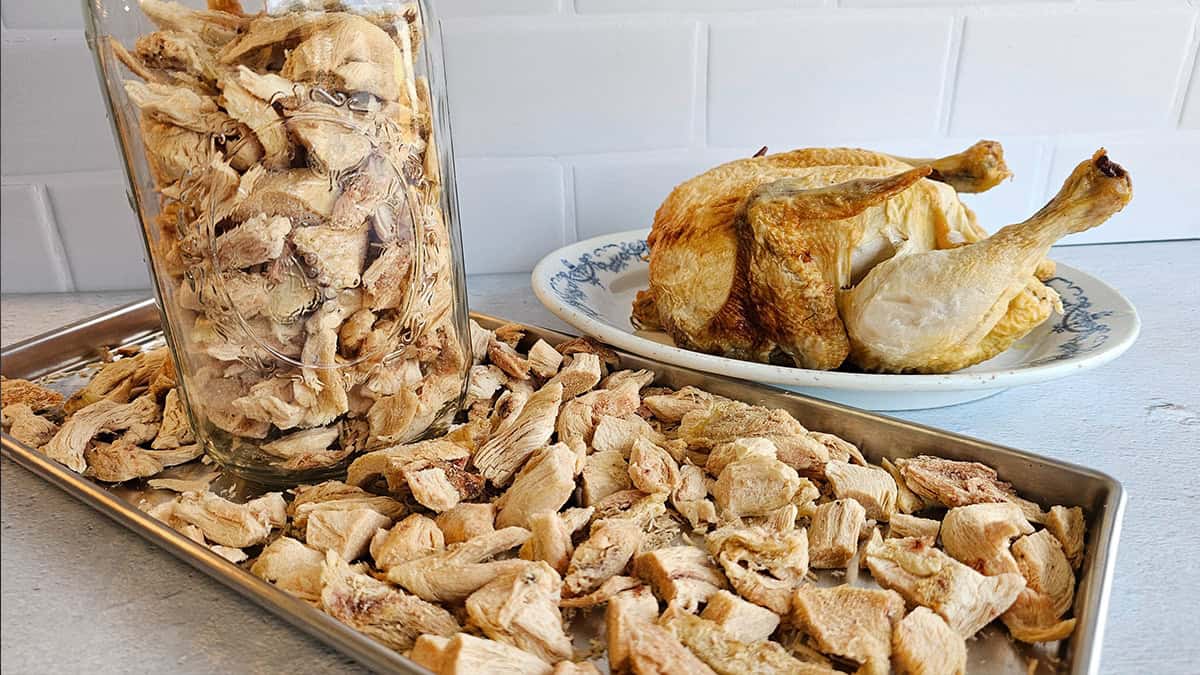
By employing freeze-drying technology, consumers can capitalize on "day-old" clearance sales, where rotisserie chickens are often marked down by 50% or more. This economic synergy between retail pricing strategies and home preservation technology allows for the creation of a shelf-stable protein reserve at a fraction of the cost of commercially prepared emergency meals. Furthermore, the ability to process the entire bird, including using the carcass for nutrient-dense bone broth that can subsequently be freeze-dried into bouillon, aligns with the growing "zero-waste" movement in contemporary gastronomy.
Chronological Technical Procedure for Freeze-Drying Poultry
The transition of a rotisserie chicken from a perishable grocery item to a shelf-stable pantry asset involves a rigorous multi-step process. Each stage is critical to ensuring the safety, longevity, and palatability of the final product.
Phase One: Component Separation and Preparation
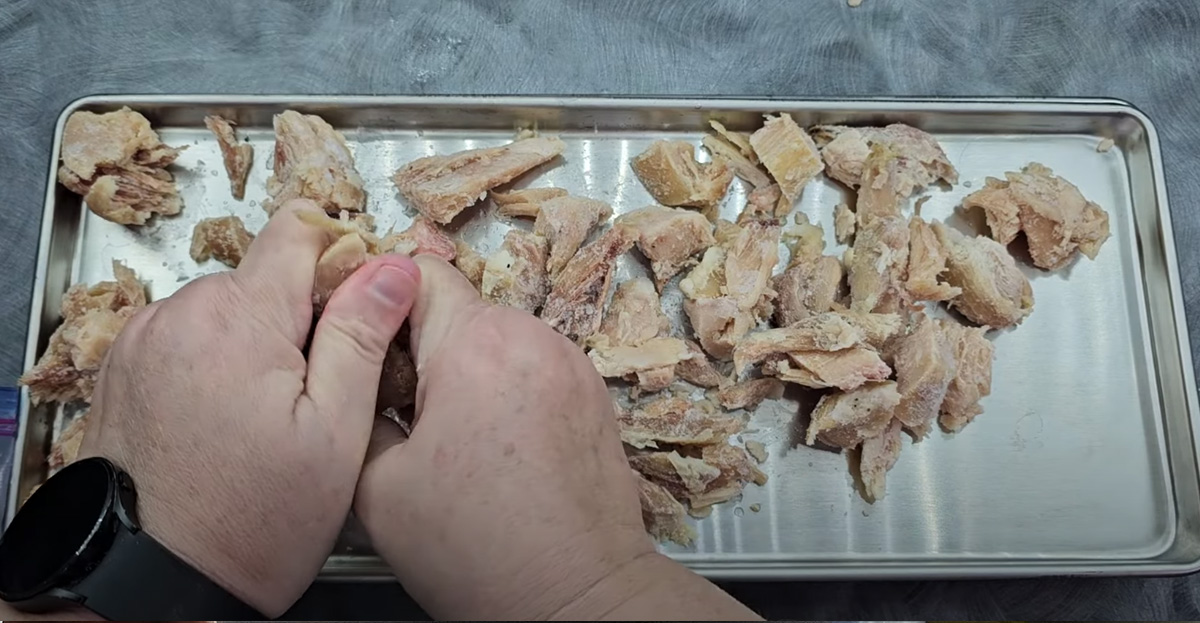
The process begins with the meticulous "stripping" of the chicken. Unlike traditional cooking, freeze-drying requires the removal of all skin and visible fat. Fat is the primary antagonist of long-term storage in freeze-drying, as it does not contain water and therefore cannot be sublimated; instead, it remains in the meat and can go rancid over time, even in a vacuum-sealed environment. Operators are advised to separate the white and dark meat, as the lower fat content of breast meat generally results in a superior long-term shelf life. The remaining bones and connective tissues are reserved for broth production, ensuring no part of the animal is discarded.
Phase Two: Size Optimization
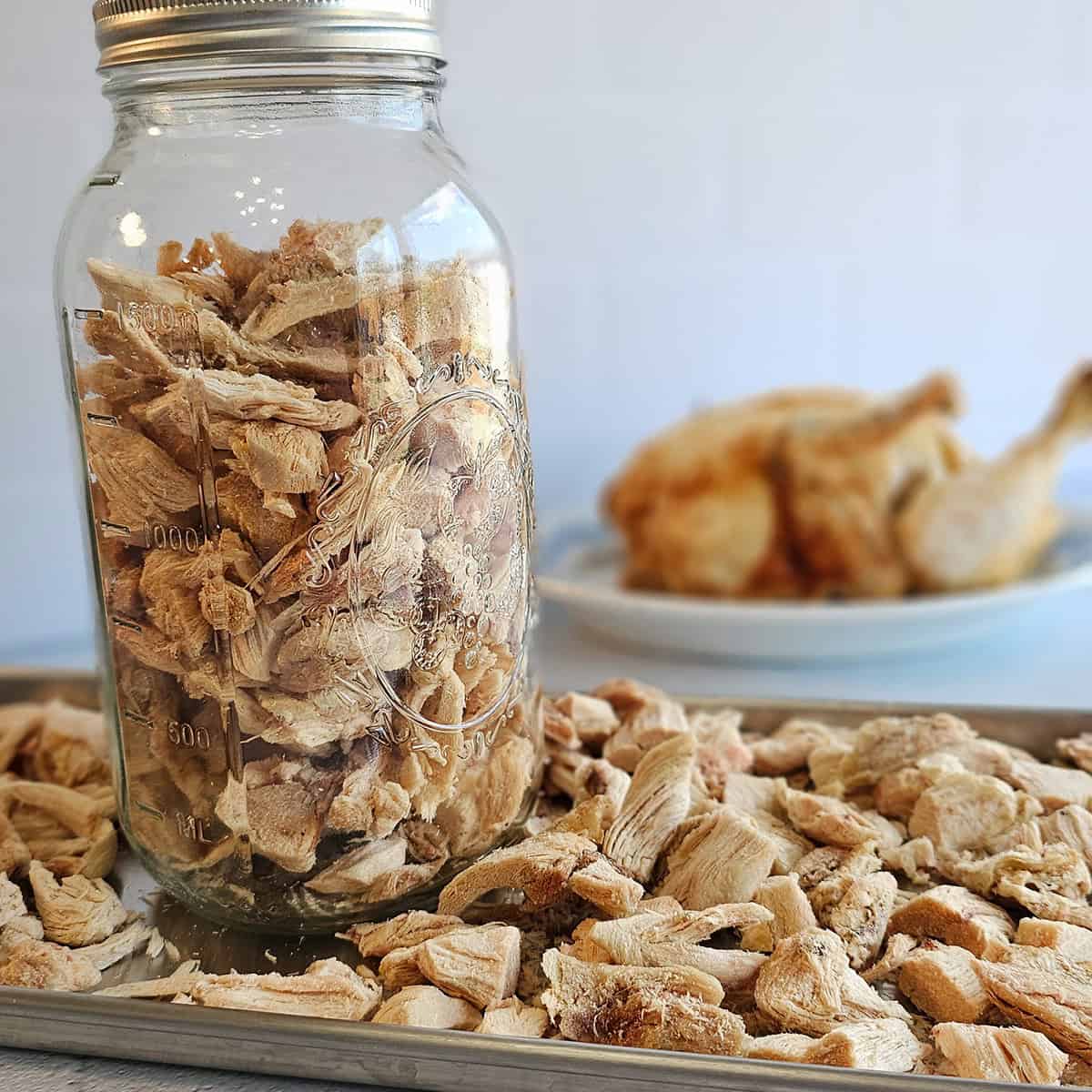
To ensure uniform drying and efficient rehydration, the chicken must be portioned into uniform pieces, ideally one inch or smaller. Smaller fragments provide a higher surface-area-to-volume ratio, which facilitates the migration of water vapor during the sublimation process. This standardization is essential for the machine’s sensors to accurately detect the completion of the drying cycle.
Phase Three: Thermal Pre-Conditioning
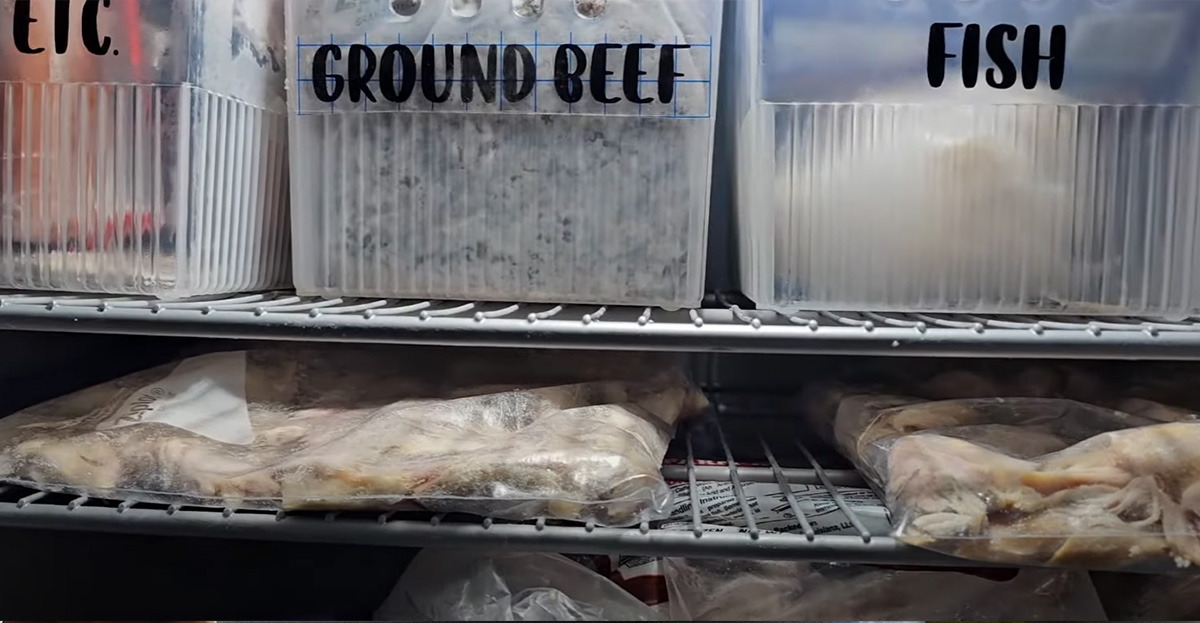
While many modern freeze-dryers can process room-temperature food, a critical efficiency step involves pre-freezing the chicken pieces for up to 24 hours. By bringing the food to a temperature of -20°F or lower in a dedicated deep freezer, the operator reduces the workload on the freeze-dryer’s compressor and shortens the overall cycle time. This stage is often managed by arranging the chicken on specialized trays or in freezer bags to maximize space.
Phase Four: The Sublimation Cycle
The prepared trays are placed into the freeze-dryer, where the machine initiates a deep-freeze cycle followed by the engagement of a vacuum pump. Under vacuum, the frozen water in the chicken undergoes sublimation—transitioning directly from a solid (ice) to a gas (vapor) without passing through the liquid phase. This preserves the cellular structure of the meat. Manufacturers generally recommend an initial drying time, with an additional 24-hour buffer to ensure that even the densest pieces are completely devoid of moisture.
Phase Five: Verification and Quality Control
Post-cycle testing is a mandatory safety protocol. The chicken must be brittle and "bone-dry" to the touch. A common industrial-standard test involves weighing the trays at the end of the cycle, then running the machine for an additional two hours. If the weight remains identical, the moisture has been successfully removed. If the weight has decreased, residual water was present, and further drying is required.
Supporting Data and Nutritional Integrity
Research into food science indicates that freeze-drying is the "gold standard" for nutrient retention. According to data comparing preservation methods, freeze-dried foods retain approximately 97% of their original nutritional value, whereas canning retains about 40% and dehydrating roughly 60%.
For a standard one-cup serving of rotisserie chicken, the nutritional profile remains robust:
- Calories: ~109 kcal
- Protein: 16g
- Fat: 5g (variable based on trimming)
- Sodium: 205mg (standard rotisserie seasoning)
Because freeze-drying does not cause the significant shrinkage associated with heat-based dehydration, the volumetric yield remains consistent. A cup of freeze-dried chicken, once rehydrated, returns to nearly its original volume and texture, making it a reliable component for recipe planning.
Industry Trends and Market Growth
The rise of home freeze-drying is reflected in the market performance of companies like Harvest Right, which has seen exponential growth over the last decade. Industry analysts attribute this trend to a "perfect storm" of factors: the COVID-19 pandemic’s impact on supply chain reliability, rising inflation in the meat sector, and the technological miniaturization of vacuum pump systems.
While the initial capital investment for a home freeze-dryer remains high—ranging from $2,000 to $5,000—proponents argue that the long-term ROI is achieved through the reduction of food waste and the ability to preserve bulk-purchased or home-grown goods. The community of "home preppers" has evolved from a niche subculture into a broader demographic of suburban families looking to hedge against economic volatility.
Storage Protocols and Longevity Analysis
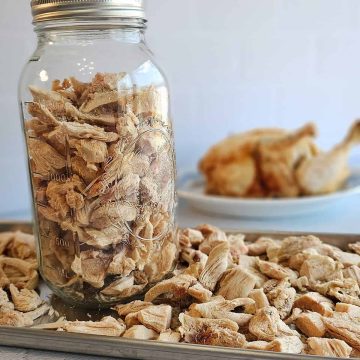
The final stage of the process is the most critical for ensuring food safety. Freeze-dried chicken is highly hygroscopic, meaning it will aggressively absorb moisture from the air. To prevent spoilage, it must be stored in airtight containers, such as Mylar bags or glass canning jars.
- Oxygen Absorbers: The use of O2 absorbers is standard practice for long-term storage. These packets remove residual oxygen from the container, preventing oxidation and the growth of aerobic bacteria.
- Vacuum Sealing: For short-to-medium-term use (1–3 years), vacuum-sealing jars is an effective method.
- Shelf-Life Realities: While some freeze-dried vegetables can last 25 years, meat—specifically rotisserie chicken due to its inherent fat content—has a more conservative window. Experts suggest a shelf life of 6 to 12 months for optimal quality, though properly stored lean cuts can remain safe for several years. The presence of dark meat and skin oils significantly reduces this duration, highlighting the importance of thorough trimming during the preparation phase.
Broader Impact and Culinary Applications
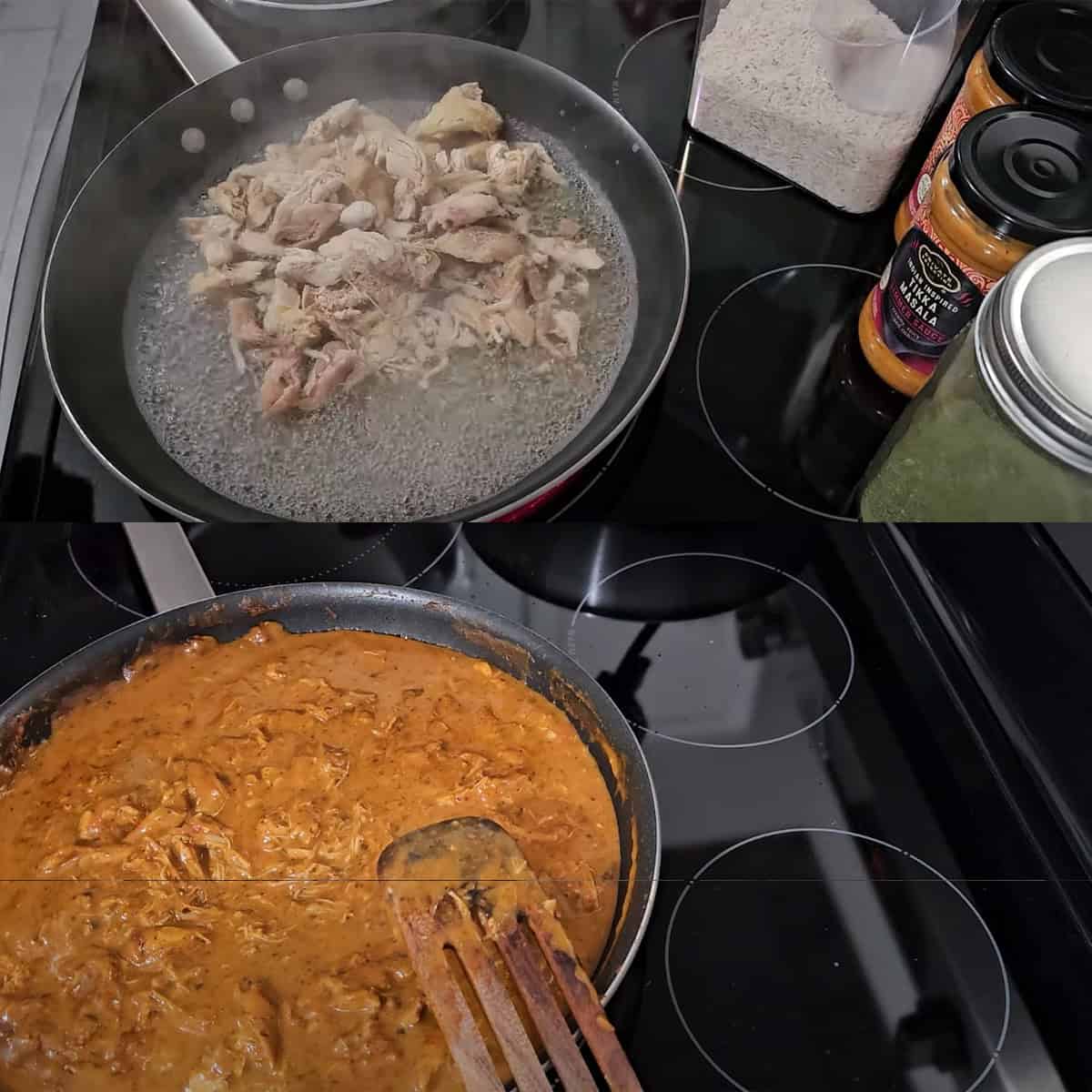
The implications of widespread home freeze-drying extend beyond simple storage. It offers a paradigm shift in meal preparation. Freeze-dried chicken can be rehydrated "hot" in a skillet with broth for immediate use in fajitas, pasta, or stews, or "cold" for use in chicken salads.
This versatility is particularly valuable for specific demographics:
- Emergency Preparedness: Provides a high-quality protein source during power outages or natural disasters when refrigeration is unavailable.
- Outdoor Recreation: Backpackers and campers benefit from lightweight, high-protein meals that do not require the chemical preservatives found in many commercial camping foods.
- Busy Households: The ability to instantly "reconstitute" a protein allows for healthy, home-cooked meals in minutes, bypassing the thawing and cooking times required for frozen or raw meat.
In conclusion, the practice of freeze-drying rotisserie chicken represents a sophisticated intersection of modern technology and traditional thrift. By understanding the scientific principles of sublimation and the logistical requirements of long-term storage, consumers are effectively redefining the "pantry of the future." As the technology becomes more accessible, it is likely that shelf-stable, home-processed proteins will become a standard feature of the resilient modern household.