The global functional beverage market is witnessing a significant shift toward home-based artisanal production, specifically in the realm of fermented tea, as health-conscious consumers seek personalized probiotic solutions. Among the most prominent seasonal developments is the emergence of cranberry-orange kombucha, a secondary fermentation variant that leverages the peak harvest of winter berries to create a beverage rich in vitamin C, antioxidants, and organic acids. This specific formulation represents a convergence of traditional fermentation techniques and modern nutritional science, offering a tart, low-sugar alternative to conventional holiday refreshments.
The Science of Secondary Fermentation
Kombucha production is traditionally a two-stage process. The primary fermentation involves the introduction of a Symbiotic Culture of Bacteria and Yeast (SCOBY) into sweetened black or green tea. Over a period of seven to ten days, the yeast converts the sugar into ethanol, which the bacteria then oxidize into acetic and other organic acids.
The secondary fermentation, or "second ferment," is the phase where flavoring and carbonation are achieved. By adding a concentrated fruit base—in this case, a cranberry-orange syrup—to the strained primary ferment, brewers provide a new source of fermentable sugars. When sealed in airtight, pressure-rated bottles, the remaining yeast consumes these sugars, releasing carbon dioxide. Because the gas cannot escape the sealed environment, it dissolves into the liquid, creating the characteristic effervescence associated with commercial sodas but without the high glycemic load.
Chronology of Production: From Harvest to Bottle
The production of cranberry-orange kombucha follows a precise chronological sequence designed to maximize flavor extraction while ensuring microbial stability.
- Primary Fermentation Completion: The process begins once a base of black or green tea has reached a pH level typically between 2.5 and 3.5. At this stage, the SCOBY is removed to be used in a subsequent batch, leaving behind a "starter" liquid rich in Acetobacter and Saccharomyces species.
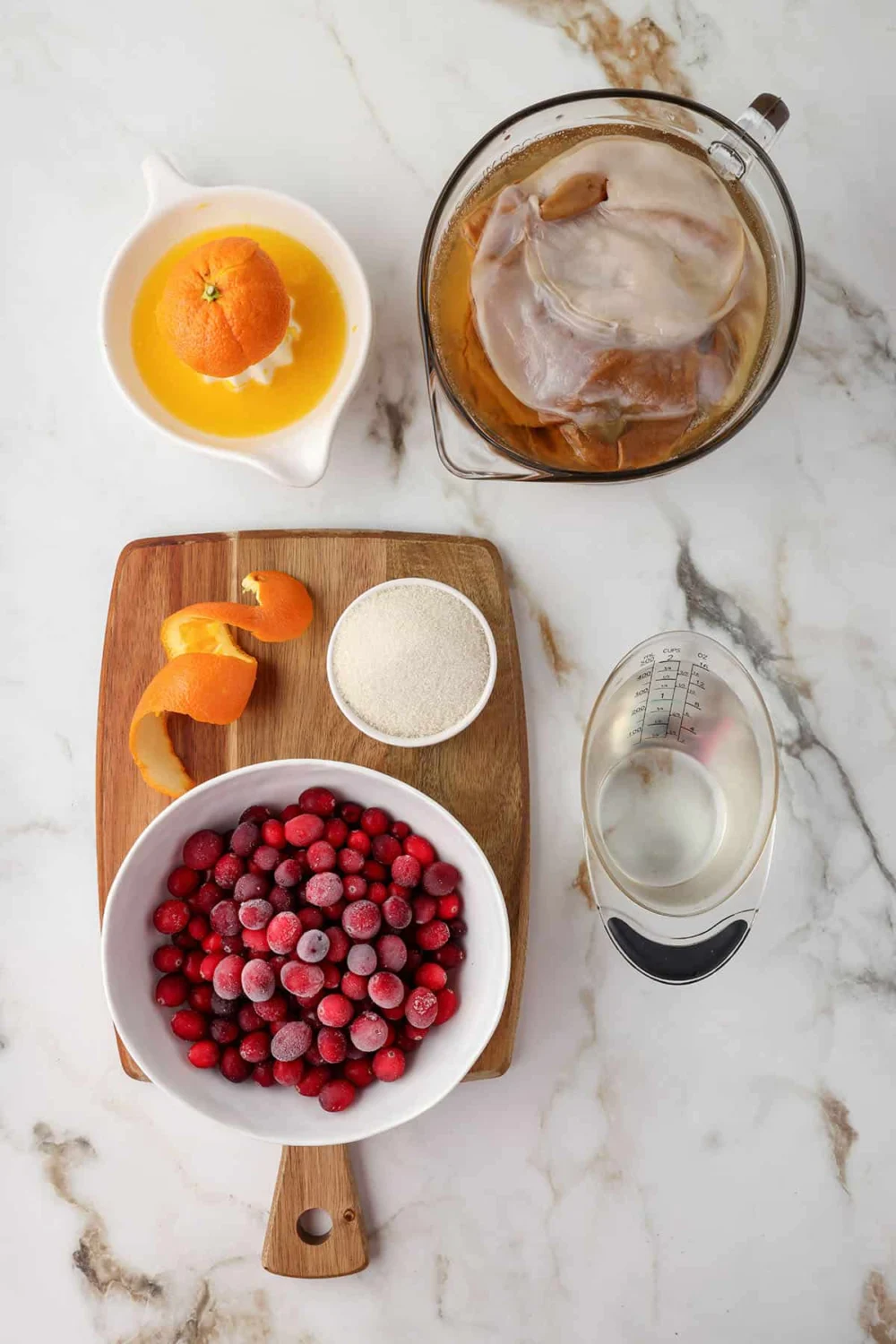
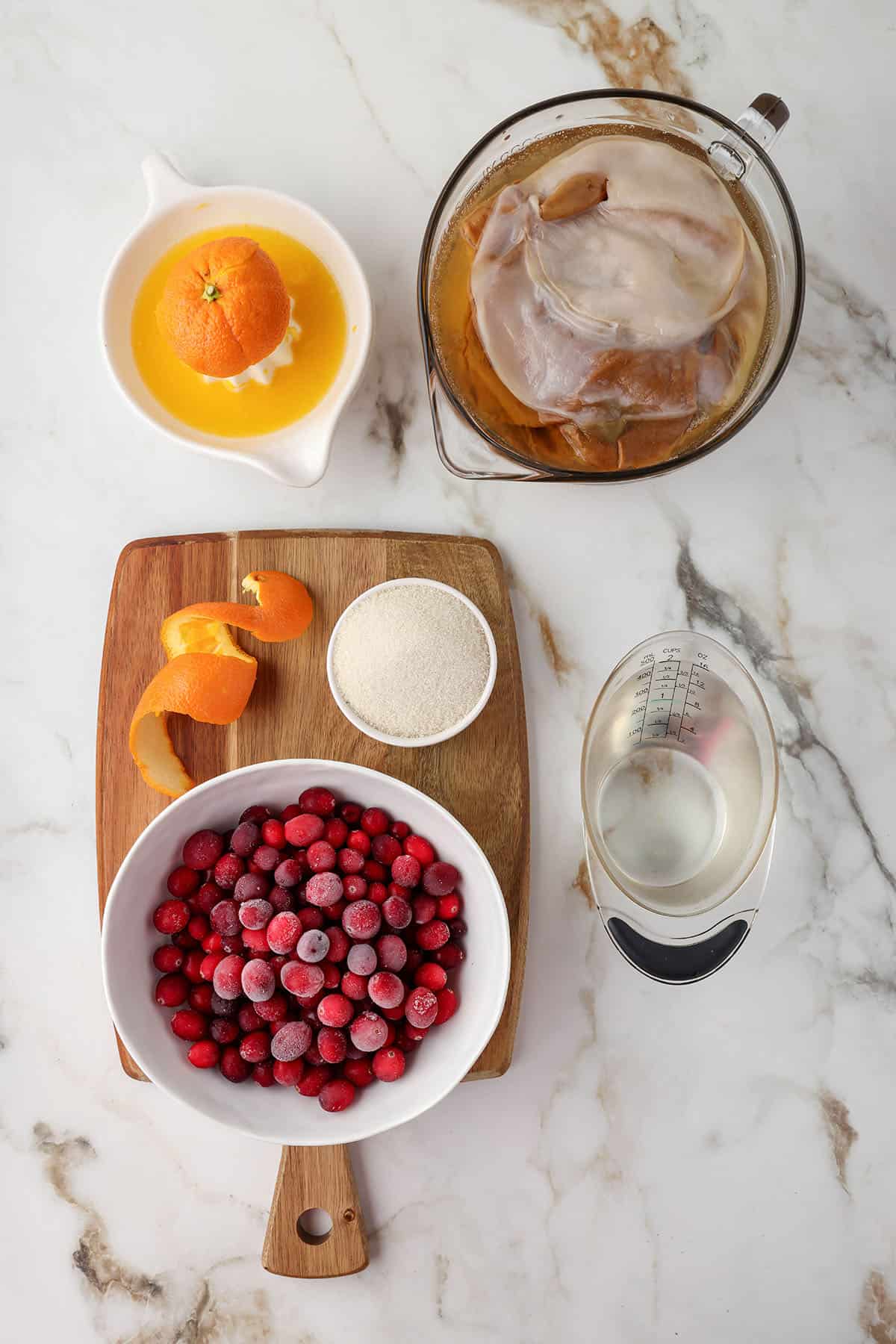
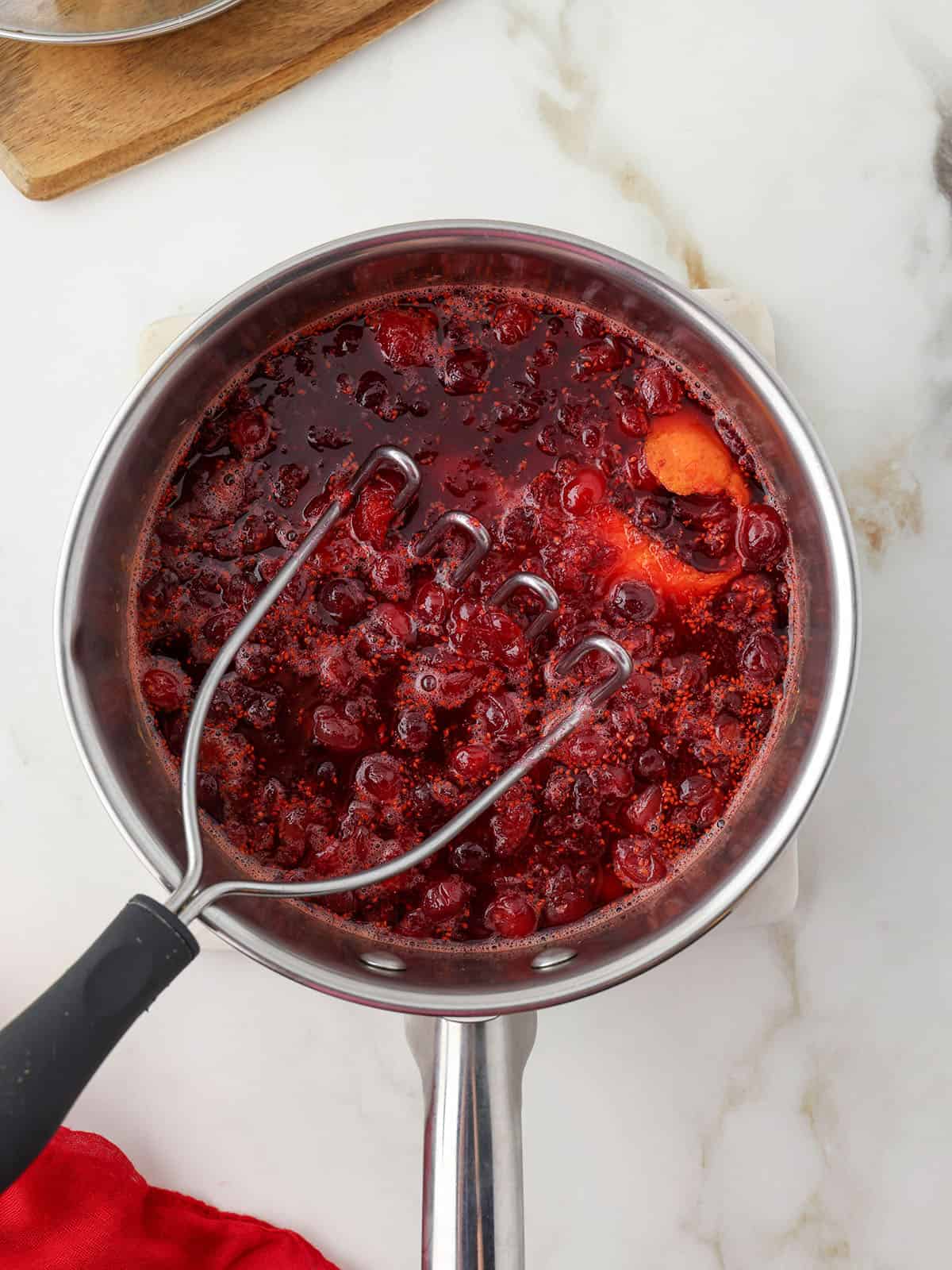
- Syrup Synthesis: The flavoring agent is prepared by simmering fresh or frozen whole cranberries with organic cane sugar and water. The inclusion of orange juice and orange zest provides essential oils and citric acid, which act as natural preservatives and flavor enhancers.
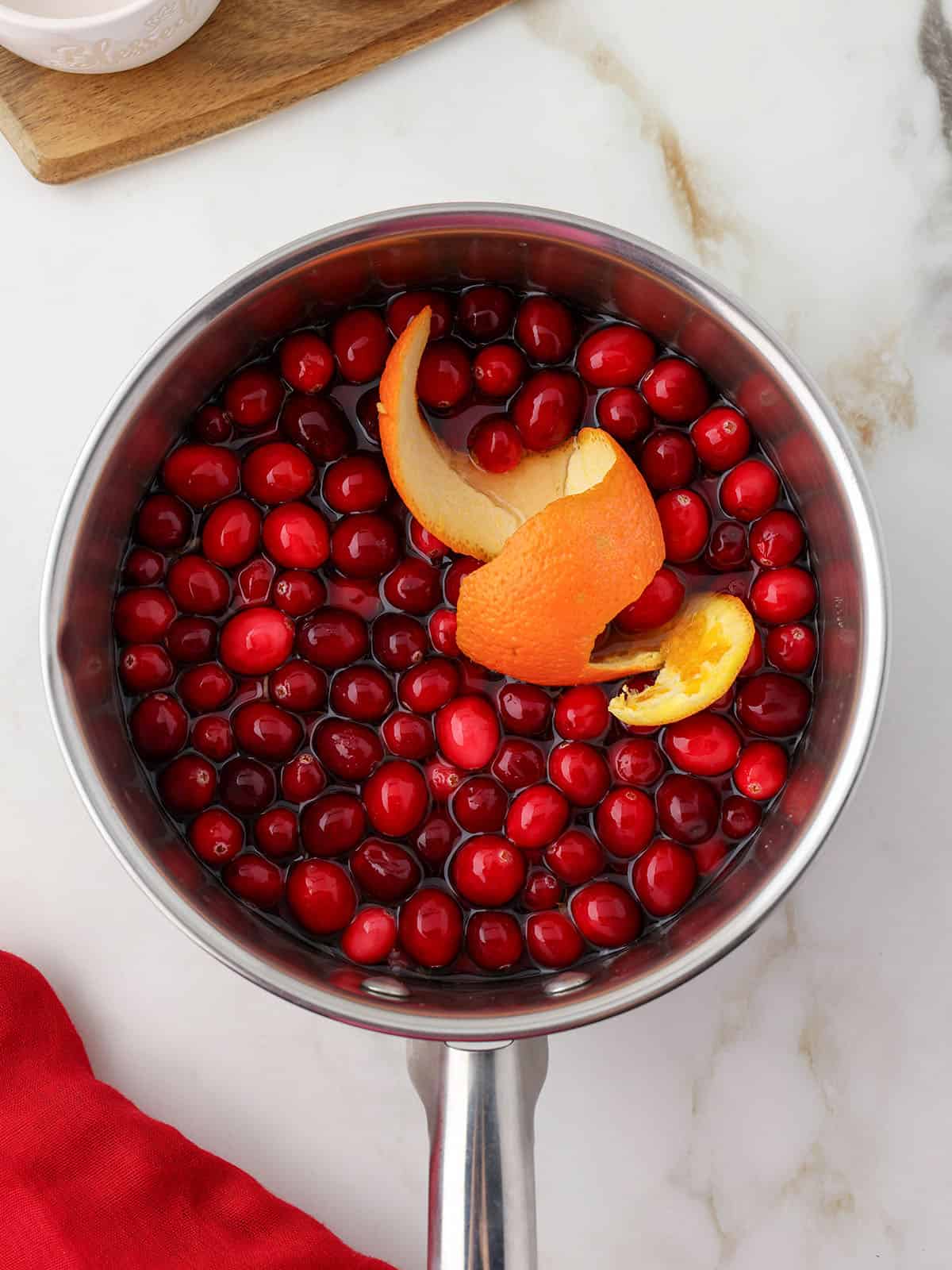
- Maceration and Infusion: Once the cranberries have softened and reached a simmer, they are mashed to release pectins and juices. This mixture is then allowed to steep for approximately 15 minutes, ensuring the volatile aromatic compounds from the orange peel are fully integrated.
- Filtration: The syrup is strained through a fine-mesh sieve or cheesecloth to remove solids. This step is critical for home brewers, as excessive pulp in the bottle can lead to "nucleation points," which may cause the beverage to erupt uncontrollably upon opening.
- Bottling and Carbonation: The syrup is blended with the fermented tea in a ratio that typically yields four 16-ounce bottles per gallon batch. These bottles are stored in a dark environment at room temperature (approximately 68–75°F) for two to three days.
- Refrigeration and Stabilization: Once the desired carbonation level is achieved—verified through daily "burping" or pressure checks—the bottles are moved to cold storage. This drops the temperature below the active range for the yeast, effectively halting the fermentation process and stabilizing the flavor profile.
Nutritional Profile and Therapeutic Implications
Cranberry-orange kombucha is more than a culinary trend; it is a dense delivery system for bioactive compounds. Cranberries (Vaccinium macrocarpon) are characterized by high concentrations of proanthocyanidins (PACs), specifically A-type linkages. Clinical studies have consistently demonstrated that these compounds prevent the adhesion of Escherichia coli to the uroepithelial cells in the urinary tract, thereby serving as a preventative measure against urinary tract infections (UTIs).
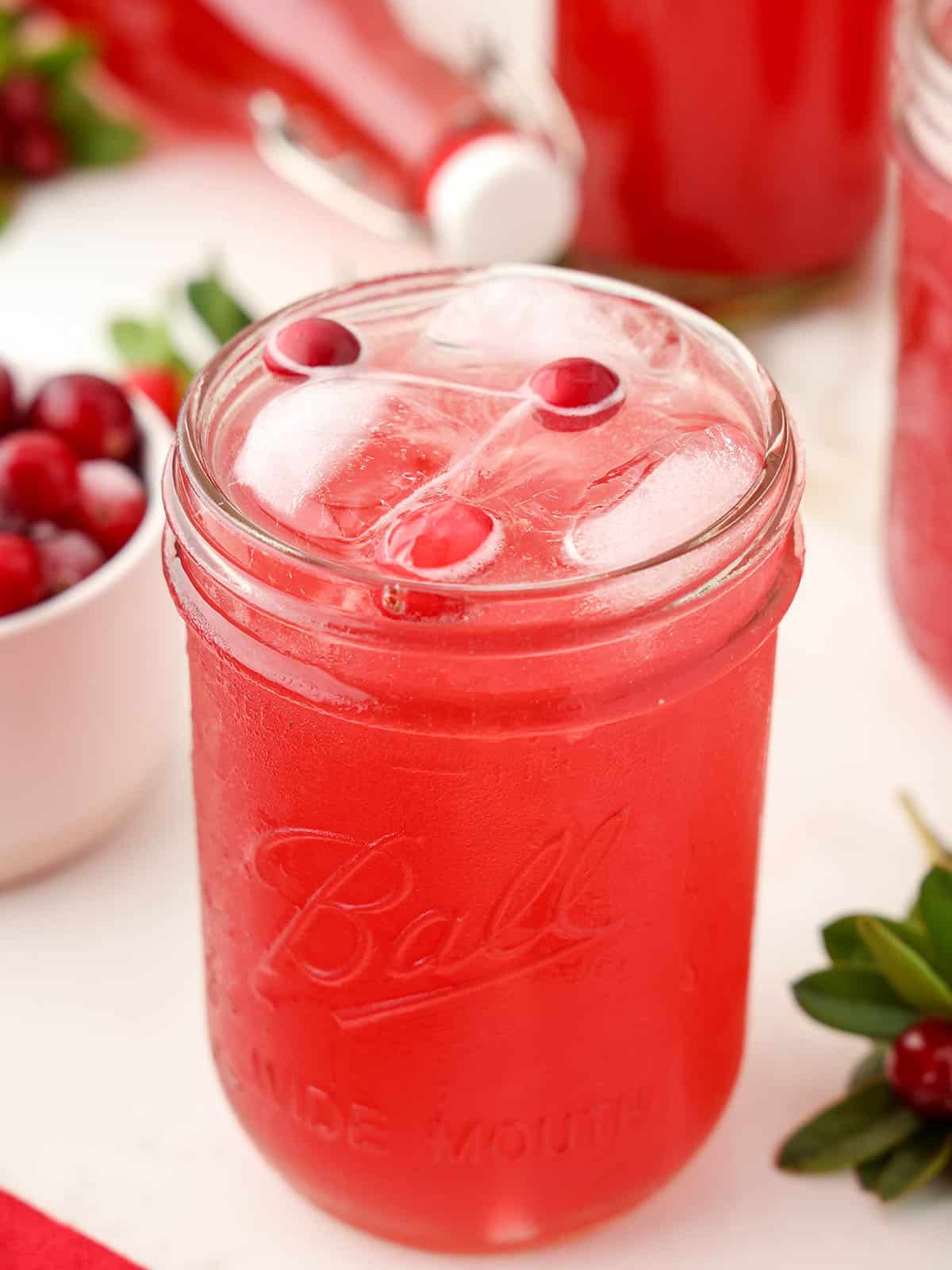
Furthermore, the integration of orange components introduces high levels of ascorbic acid (Vitamin C). In a 100-gram serving, cranberries provide approximately 13.3 mg of Vitamin C, while oranges provide upwards of 53 mg. When combined within a fermented medium, these vitamins are accompanied by a diverse array of probiotics, including Lactobacillus and Bifidobacterium (depending on the specific culture), which support the gut-brain axis and enhance immune response.
Dietitians note that the fermentation process partially predigests the sugars and nutrients in the fruit, potentially increasing the bioavailability of antioxidants like quercetin and myricetin. The resulting beverage is a "symbiotic" product, containing both the beneficial bacteria (probiotics) and the fiber-derived fuel (prebiotics) necessary for those bacteria to thrive in the human gut.

Market Trends and Consumer Behavior
The rise of home-brewed cranberry kombucha mirrors broader economic trends in the beverage industry. The global kombucha market was valued at approximately USD 2.64 billion in 2022 and is projected to expand at a compound annual growth rate (CAGR) of 15.6% through 2030.
Market analysts attribute this growth to "the premiumization of health." Consumers are increasingly moving away from high-fructose corn syrup and artificial flavorings. The DIY aspect of secondary fermentation allows individuals to bypass the high retail cost of commercial kombucha—which can range from $3.00 to $5.00 per bottle—while controlling the sugar content. By utilizing seasonal produce like cranberries, home brewers participate in a "circular culinary economy," often utilizing leftover fruit pulp to create secondary products like pectin-rich jams or compost for home gardens.
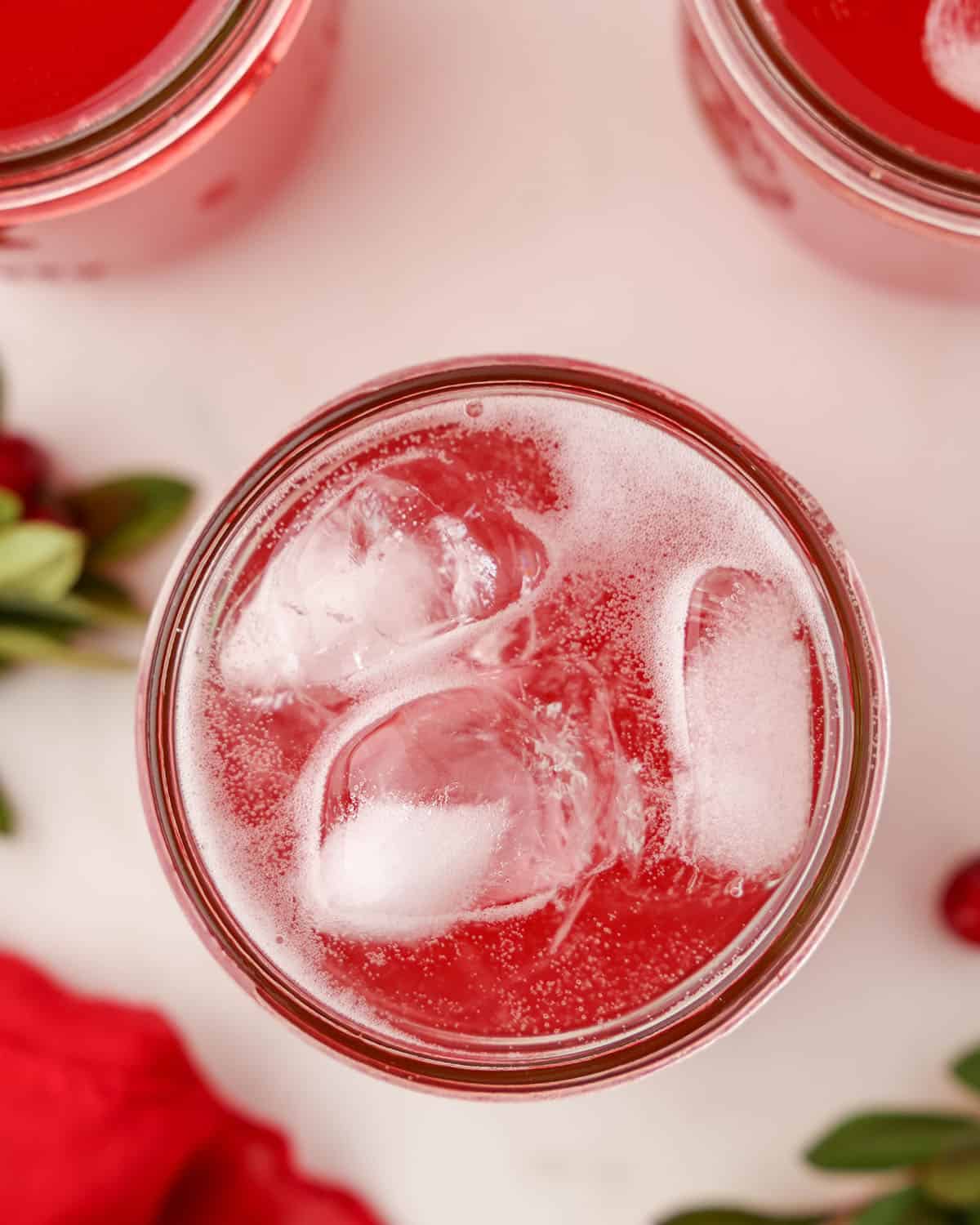
Safety Protocols and Best Practices
While the fermentation of cranberry kombucha is accessible to novices, it requires adherence to specific safety standards to prevent "bottle bombs"—a term used when internal pressure exceeds the structural integrity of the glass.
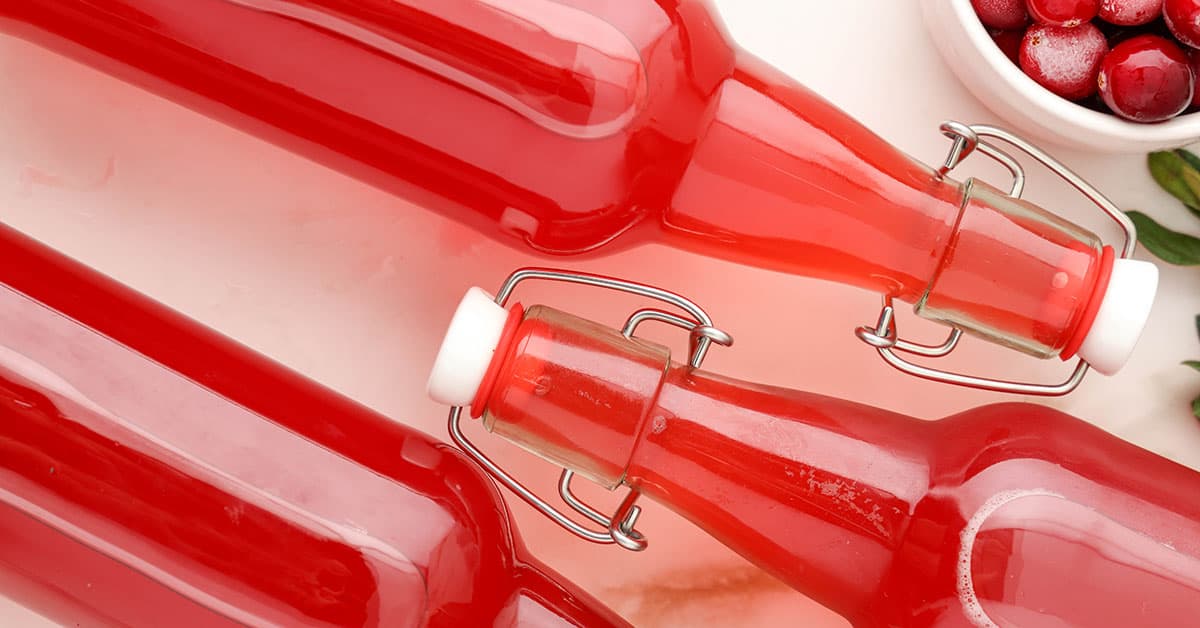
Fermentation experts recommend the use of "swing-top" or "Grolsch-style" bottles, which are designed to withstand higher carbonation levels than standard decorative glassware. Additionally, the maintenance of a 1-to-2-inch "headspace" at the top of the bottle is essential to provide a buffer for gas accumulation.
From a sanitation perspective, all equipment must be cleaned with non-antibacterial soap or specialized brewing sanitizers. The presence of residual dish soap can weaken the SCOBY, while the use of antibacterial agents can kill the very microbes required for a successful ferment.
Broader Impact on the Beverage Industry
The popularity of tart, complex ferments like cranberry-orange kombucha is influencing the broader "mocktail" movement. As a growing percentage of the population, particularly among Gen Z and Millennials, identifies as "sober curious," the demand for sophisticated non-alcoholic options has surged.
Cranberry kombucha provides the "bite" and mouthfeel often associated with alcoholic ciders or sparkling wines, thanks to its acetic acid content and carbonation. This makes it a viable social substitute during winter holidays, providing the ritual of a festive pour without the neurotoxic effects of ethanol.
Furthermore, the environmental impact of home fermentation is notably lower than commercial production. By reusing glass bottles and sourcing local, seasonal fruit, home brewers significantly reduce the carbon footprint associated with the transport, packaging, and refrigeration of industrial beverage supply chains.
Conclusion: The Future of Functional Home Brewing
The integration of cranberries and oranges into the kombucha fermentation cycle is a testament to the versatility of ancient preservation methods in a modern context. As research continues to validate the links between gut health and systemic wellness, the role of fermented functional beverages will likely move from the niche "health food" sector into the mainstream.
Cranberry-orange kombucha represents a synergy of flavor, tradition, and science. It addresses the modern consumer’s desire for transparency in ingredients and the therapeutic benefits of whole foods. As the winter season approaches, the production of this effervescent, nutrient-dense drink serves as both a culinary craft and a proactive step toward maintaining metabolic and immunological health in an increasingly demanding global environment.