
The global food retail landscape is currently grappling with a dual crisis of environmental degradation and economic volatility, as plastic packaging and systemic food waste continue to strain both planetary resources and consumer wallets. According to data from Our World in Data, plastic food packaging accounts for approximately 40% of all plastic waste generated globally, with the United States, Europe, and China identified as the primary contributors to this mounting ecological challenge. Simultaneously, the United States Department of Agriculture (USDA) has projected that food prices will increase by 3.6% by 2026, creating a situation where the reduction of waste is no longer merely an ethical choice but an economic necessity for the average household.
The Scope of the Waste Crisis in Modern Retail
The modern grocery store is often a showcase of plastic saturation. From pre-cut fruits encased in polyethylene clamshells to individual cucumbers wrapped in shrink-film, the infrastructure of food distribution is heavily reliant on single-use polymers. While these materials were originally introduced to extend shelf life and ensure hygiene, their long-term impact on the environment has become a focal point for international policy.
However, the waste crisis extends far beyond the packaging. Food waste itself represents a significant portion of the environmental burden. In the United States, approximately 40% of the total food supply is wasted. This occurs at multiple stages of the supply chain, from the retail level—where produce is often discarded for failing to meet aesthetic "beauty standards"—to the consumer level, where improper storage and over-purchasing lead to significant losses.
Industry analysts note that retailers frequently discard perfectly edible produce if it is not the ideal size or shape, or if it possesses minor surface blemishes. This practice, driven by consumer expectations for visual perfection, contributes to millions of tons of organic waste entering landfills annually, where it decomposes anaerobically and releases methane, a potent greenhouse gas.
Chronology of the Zero Waste Movement
The transition toward "zero waste" grocery shopping has evolved from a niche environmentalist practice into a broader consumer trend over the last two decades.
- The Pre-Convenience Era (Pre-1950s): Grocery shopping was inherently lower in waste, relying on bulk bins, paper wrapping, and reusable glass milk bottles.
- The Rise of Plastic (1960s–1990s): The introduction of lightweight, cheap plastic packaging revolutionized global logistics but decoupled the consumer from the waste footprint of their purchases.
- The Reusable Bag Movement (Early 2000s): Initial legislative efforts, such as plastic bag taxes and bans in various municipalities, began to shift consumer habits.
- The Refillery Expansion (2010s–Present): A surge in specialized "bulk stores" and refilleries has allowed consumers to bring their own containers for dry goods, spices, and liquids.
- The Digital Integration (Current): Modern consumers now utilize apps and digital directories to locate package-free options and manage inventory to prevent home-based food waste.
Supporting Data: The Economic and Environmental Intersections
The urgency of adopting zero waste strategies is underscored by recent economic forecasts. The USDA Economic Research Service indicates that the "all-food" price index is on a steady upward trajectory. When combined with the fact that the average American family of four loses an estimated $1,500 annually to wasted food, the financial incentives for waste reduction are clear.
Environmentally, the statistics are equally stark. The Environmental Protection Agency (EPA) reports that food is the single largest category of material placed in municipal landfills. When food is wasted, all the energy, water, and land used to produce, process, and transport it are also wasted. Furthermore, the World Economic Forum has highlighted that if plastic production continues at its current rate, the industry could account for 20% of total global oil consumption by 2050.
Industry and Expert Responses
Environmental advocates and retail industry experts are increasingly calling for systemic changes to how food is sold and consumed.
"The current model of food retail prioritizes convenience at the expense of long-term sustainability," says Marcus Thorne, a senior analyst in sustainable supply chains. "We are seeing a shift where consumers are beginning to demand ‘naked’ produce and bulk options, forcing major supermarket chains to reconsider their packaging strategies."
In response to these shifts, some retailers have begun to pilot "wonky" produce programs, selling aesthetically imperfect fruits and vegetables at a discount. This serves a dual purpose: reducing retail-level food waste and providing more affordable options for budget-conscious shoppers. Furthermore, organizations like the Refill Collective have developed digital infrastructure to help consumers find local refilleries, bridging the gap between niche sustainability and mainstream accessibility.
Strategies for Zero Waste Integration
Professional organizers and sustainability experts suggest a multi-tiered approach to zero waste shopping that addresses both packaging and organic waste.
Procurement and Planning
The primary defense against waste is a rigorous planning system. Experts recommend "ingredient-based" meal planning rather than "meal-based" planning. By purchasing versatile ingredients that can be used across multiple dishes, consumers reduce the likelihood of specialized items expiring unused in the refrigerator. Additionally, maintaining a "master list" of recipes and conducting a thorough inventory of the pantry before shopping can prevent the purchase of duplicate items.
The Role of Specialized Infrastructure
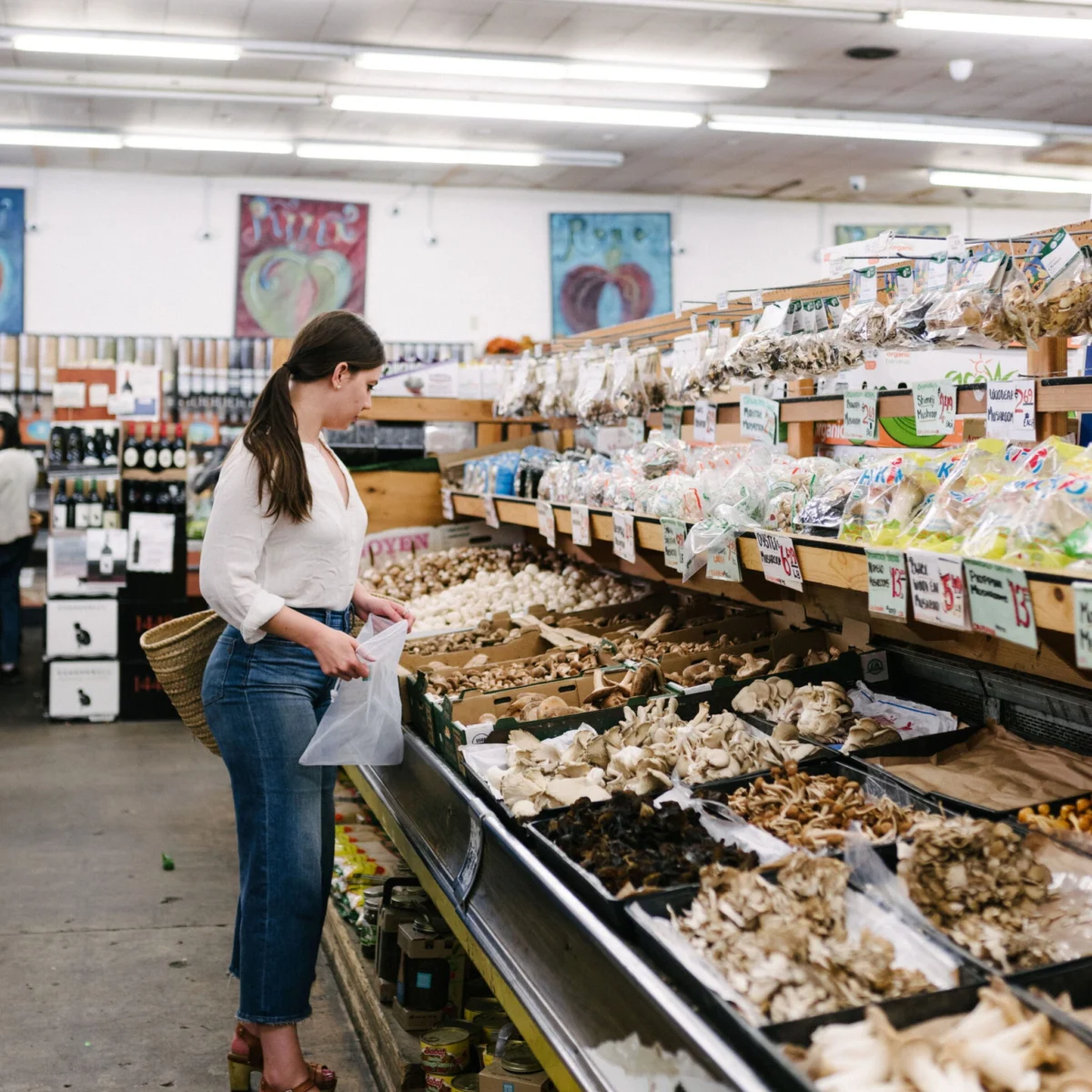
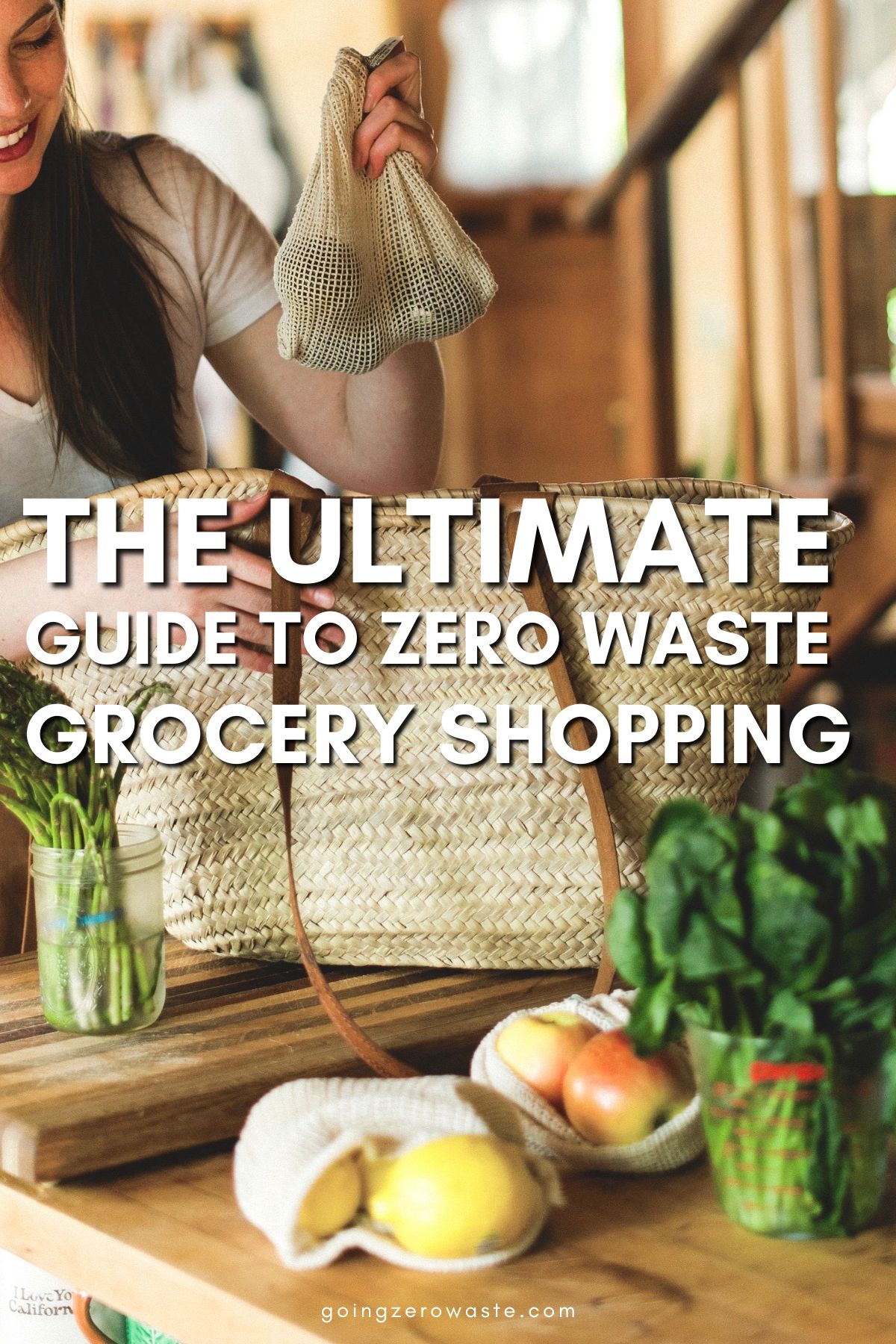
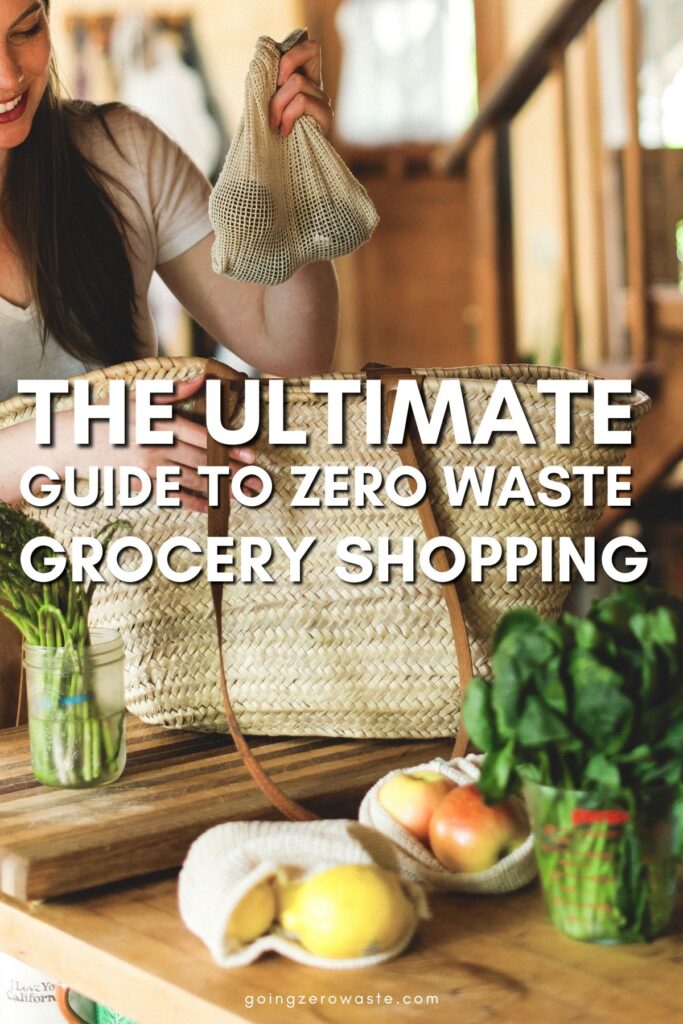
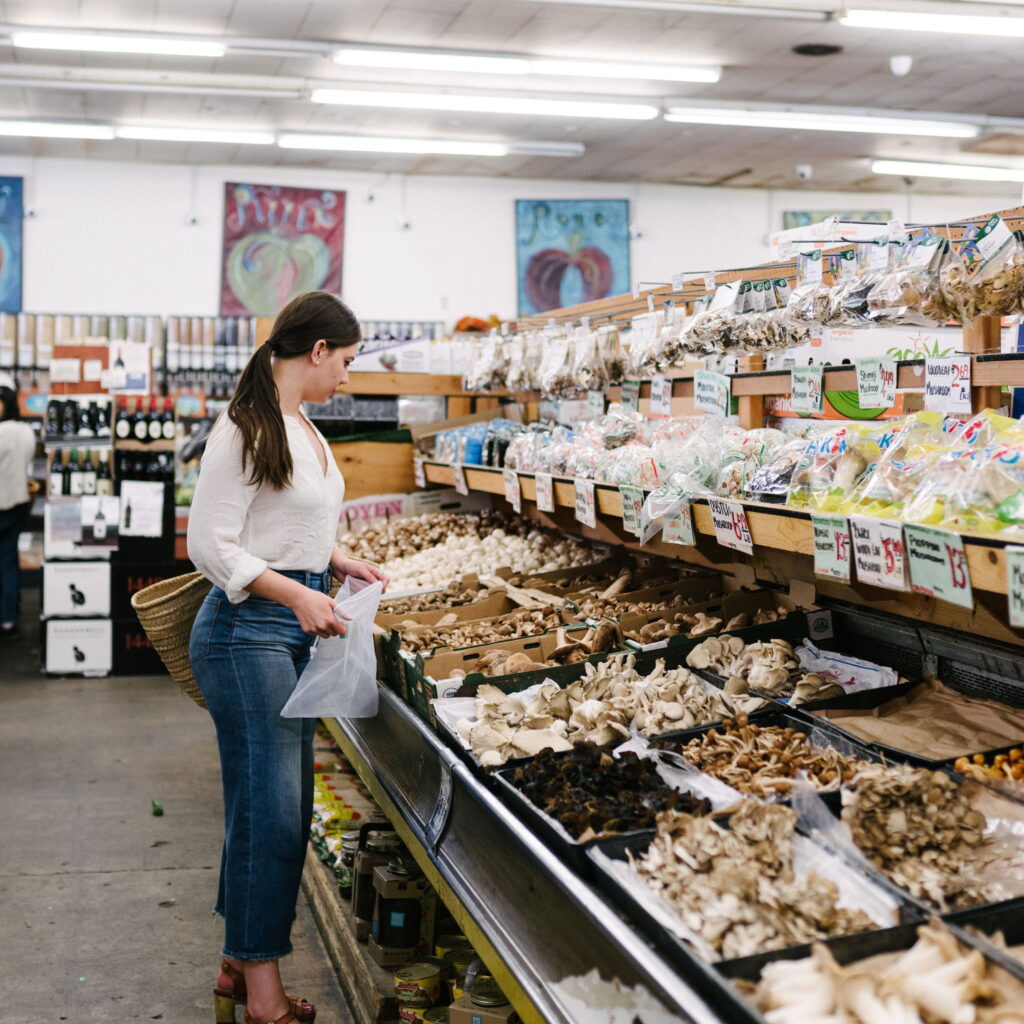
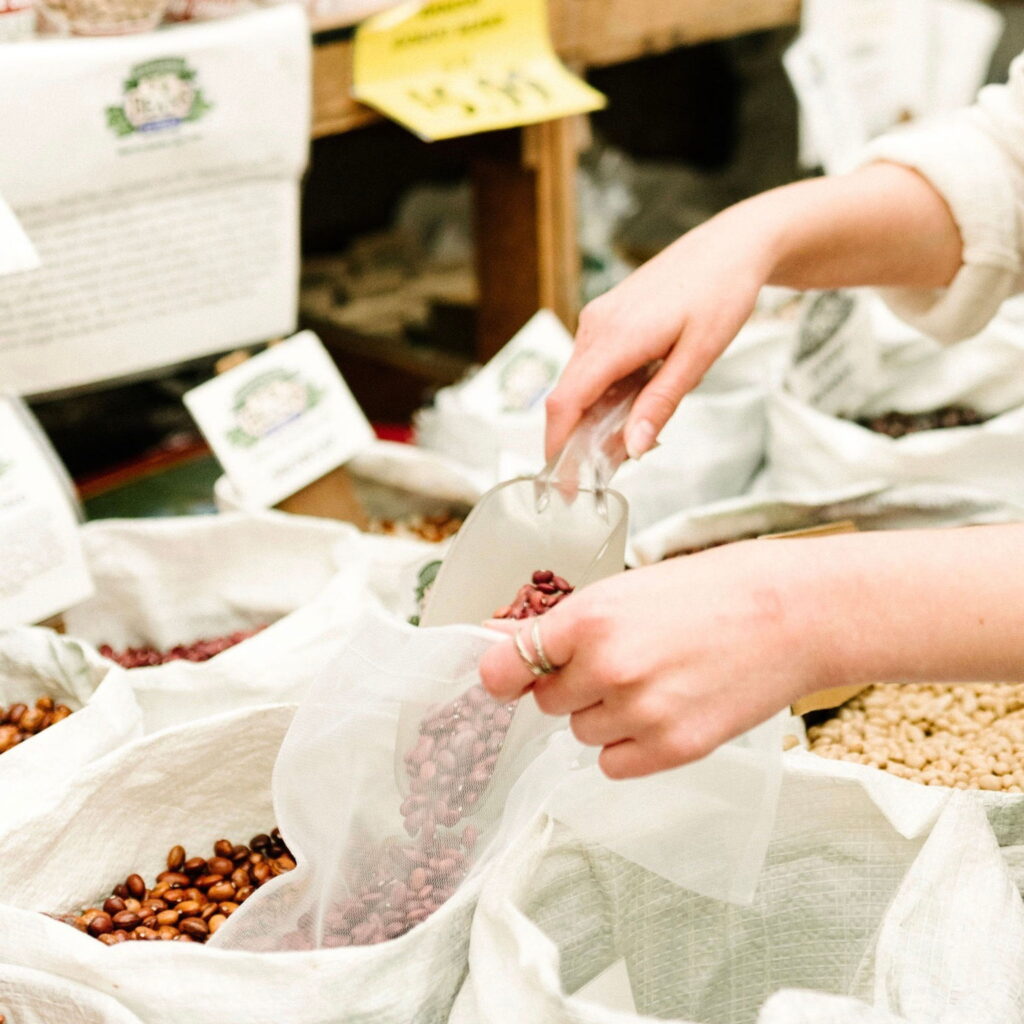
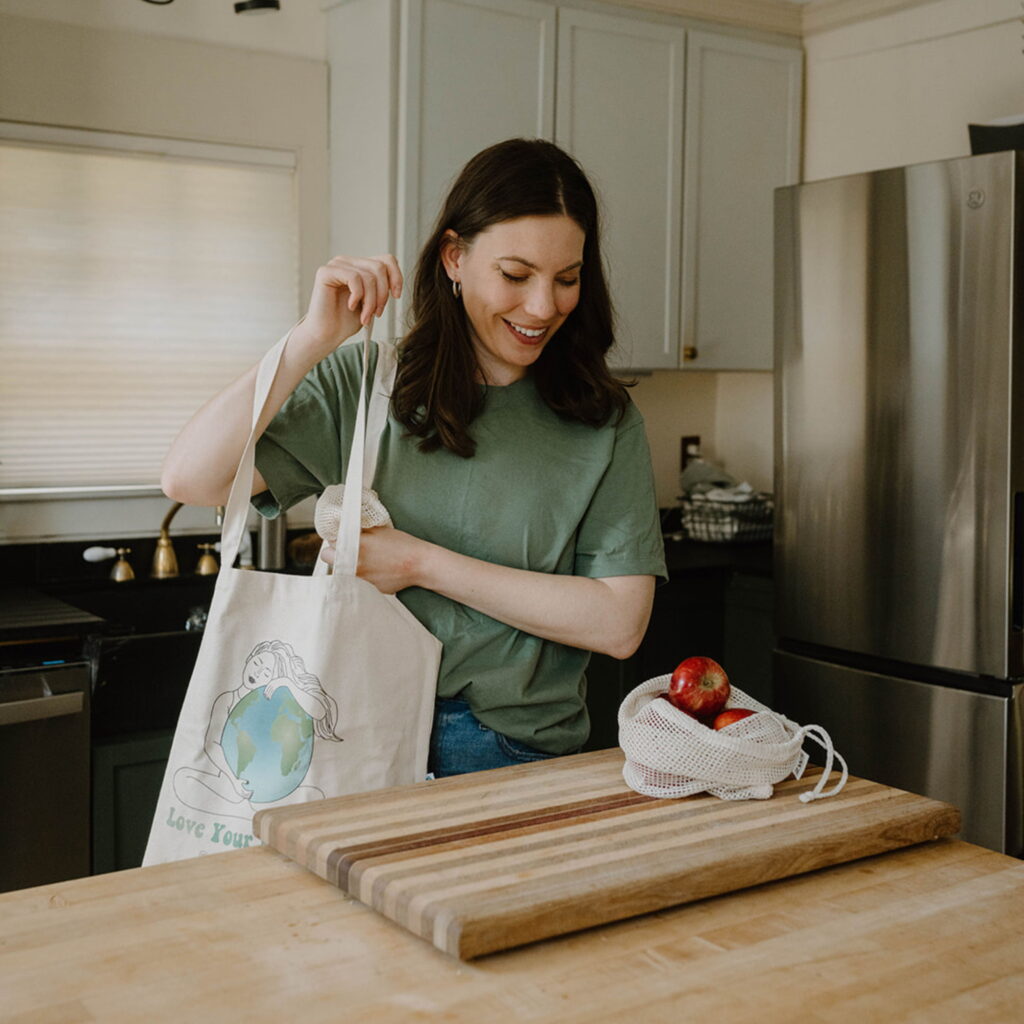
Utilizing bulk bins, also known as refilleries, allows consumers to purchase only the quantity they need. This is particularly effective for spices, grains, and flours, which often go stale when purchased in large, pre-packaged quantities. For produce, the use of mesh cotton bags for leafy greens and solid cloth bags for dry goods eliminates the need for single-use plastic produce bags.
Farmers Markets as a Solution
Farmers markets are identified as a critical component of the zero waste ecosystem. Because these markets often operate with shorter supply chains, produce is typically sold without the plastic stickers and film-wrap common in traditional supermarkets. Furthermore, local farmers are generally more willing to sell "wonky" produce and provide items like berries in compostable paper cartons rather than plastic clamshells.
Broader Impact and Implications for Food Storage
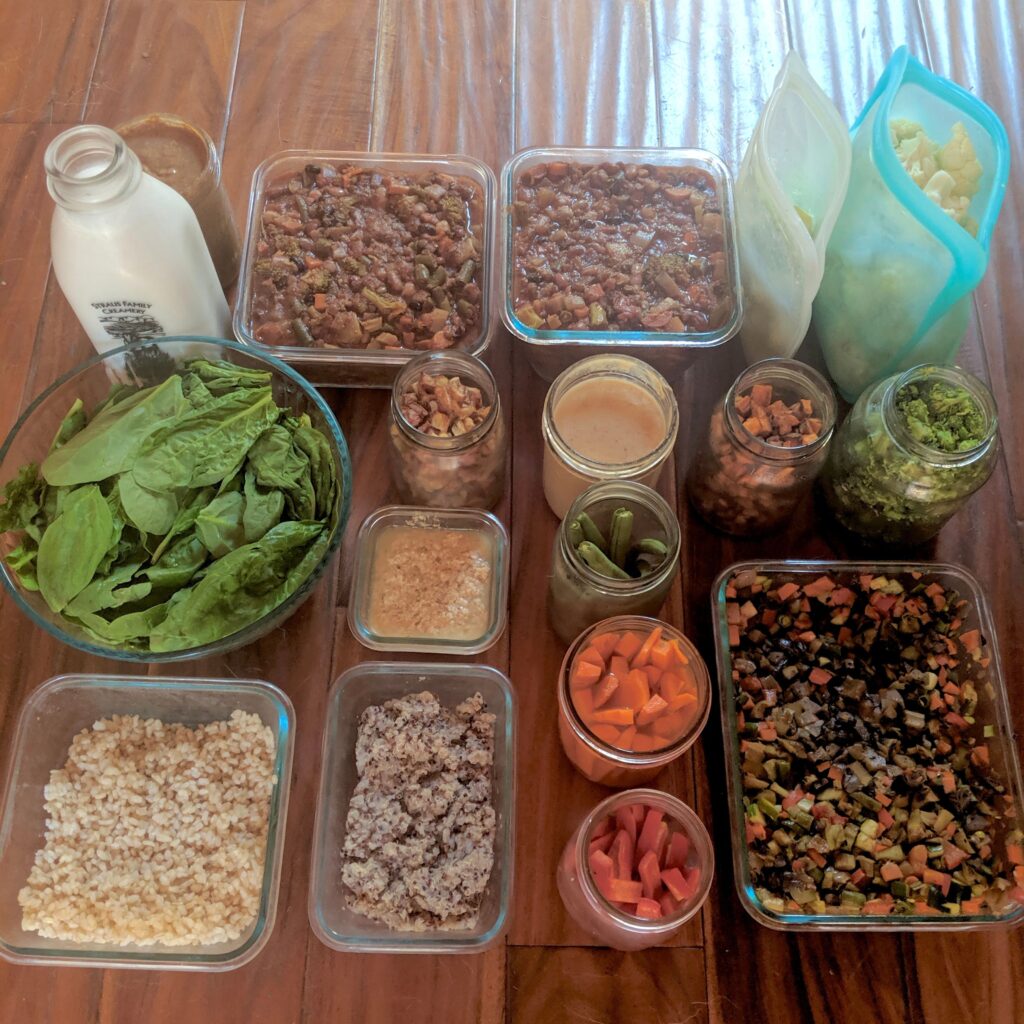
The impact of zero waste shopping is maximized through proper post-purchase handling. The science of food storage plays a vital role in extending the lifecycle of perishables. For instance, storing carrots in a container of water in the refrigerator can maintain their crispness for weeks, whereas storing them loose can lead to rapid dehydration.
Conversely, certain fruits, such as berries, should not be washed until immediately before consumption, as moisture promotes mold growth. Understanding the role of ethylene gas—a natural ripening agent emitted by fruits like bananas and apples—is also crucial; keeping ethylene-producers separate from ethylene-sensitive vegetables can prevent premature spoilage.
The Final Resort: Composting and Circularity
When food scraps are unavoidable, such as in the case of peels or pits that cannot be repurposed, composting serves as the final stage of the zero waste hierarchy. Environmental scientists emphasize that food scraps do not break down efficiently in landfills due to a lack of oxygen. Instead, they produce methane.

Municipalities are increasingly adopting curbside compost collection, utilizing industrial facilities capable of processing meat and dairy products that are typically unsuitable for backyard bins. For urban dwellers, countertop compost pails with charcoal filters and bokashi systems offer indoor alternatives for managing organic waste.
Long-term Socio-Economic Implications
The move toward zero waste grocery shopping represents a significant shift in consumer behavior that could eventually reshape the global food economy. As more consumers opt for package-free goods and prioritize waste reduction, the demand for virgin plastic production may decrease, incentivizing companies to invest in circular packaging solutions like glass, metal, and compostable fibers.
Moreover, the financial savings realized by households that successfully reduce food waste can contribute to greater economic resilience. In an era of rising food costs, the ability to extract maximum value from every purchase is a vital skill.
The ultimate guide to zero waste grocery shopping is not merely about the elimination of plastic; it is about a fundamental re-evaluation of the relationship between the consumer, the retailer, and the environment. Through a combination of better planning, smarter procurement, and scientific storage methods, it is possible to navigate the modern grocery landscape in a way that is both fiscally responsible and ecologically sound.


