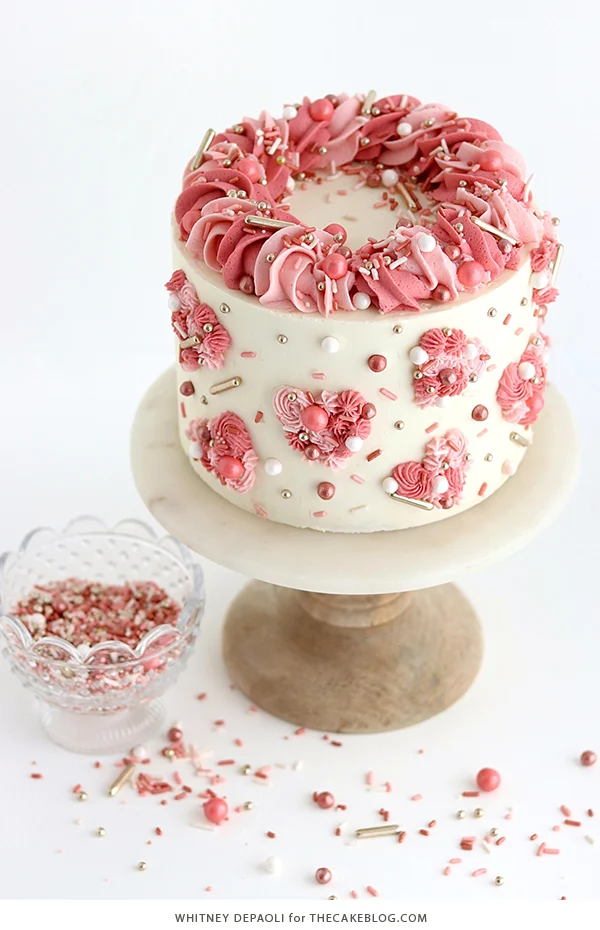
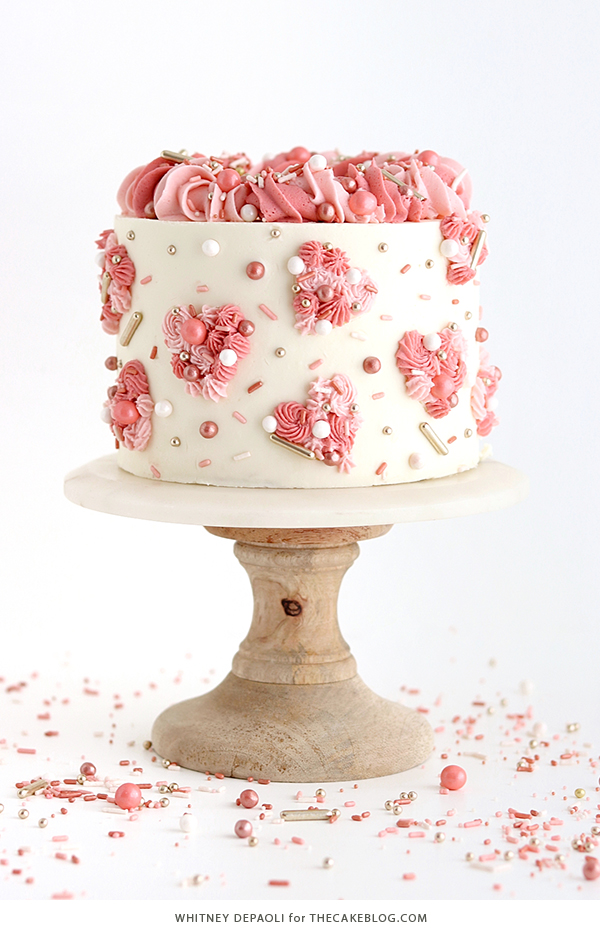
In a delightful demonstration of modern cake artistry, Whitney DePaoli, a contributing baker to TheCakeBlog.com, has unveiled a sophisticated tutorial showcasing a fresh take on traditional Valentine’s Day cake decorating. The technique, inspired by the Instagram-famous baker @frostedfujicakes, focuses on creating visually striking cakes adorned with intricately piped buttercream hearts, brimming with texture and vibrant color. This approach offers a refreshing departure from conventional Valentine’s Day themes, allowing for a personalized and eye-catching celebratory centerpiece.
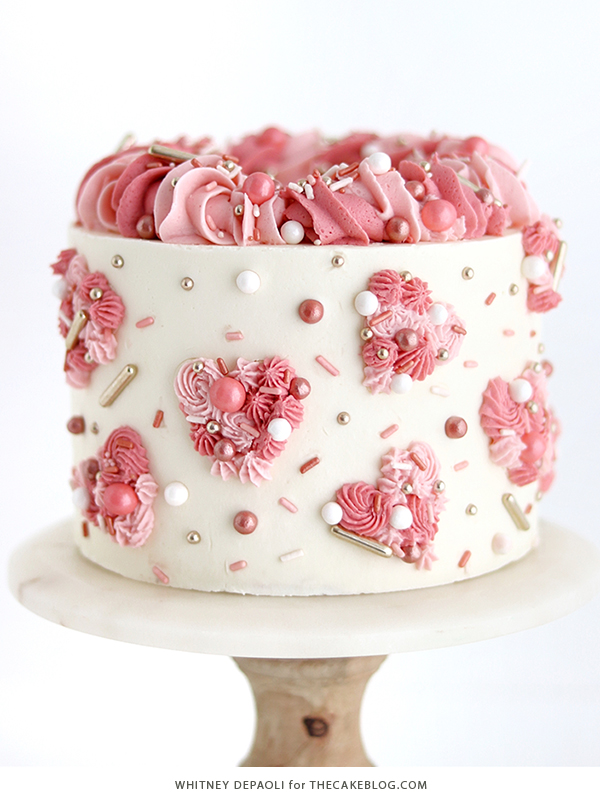
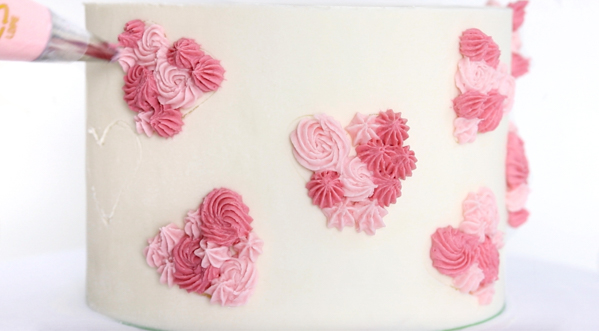
The tutorial, released in anticipation of the Valentine’s Day season, details a method that involves imprinting heart shapes onto a frosted cake and then meticulously filling these indentations with piped buttercream. The addition of decorative sprinkles further enhances the textural complexity and visual appeal of the design. DePaoli’s chosen palette for the demonstration features a sophisticated rose gold theme, extending from the buttercream hues to the carefully selected sprinkles. This choice highlights the versatility of the technique, which can be adapted to any color scheme, moving beyond the predictable pinks and reds often associated with the holiday.
A Modern Twist on a Classic Celebration
Valentine’s Day, celebrated annually on February 14th, is a significant cultural event with a rich history rooted in Roman traditions and later, romantic poetry. Its modern iteration often involves expressions of affection through gifts, cards, and culinary creations. Cake decorating, in particular, plays a central role, with iconic symbols like hearts and a spectrum of romantic colors dominating the aesthetic. DePaoli’s tutorial addresses this tradition by offering a method that respects these classic elements while injecting a contemporary flair.
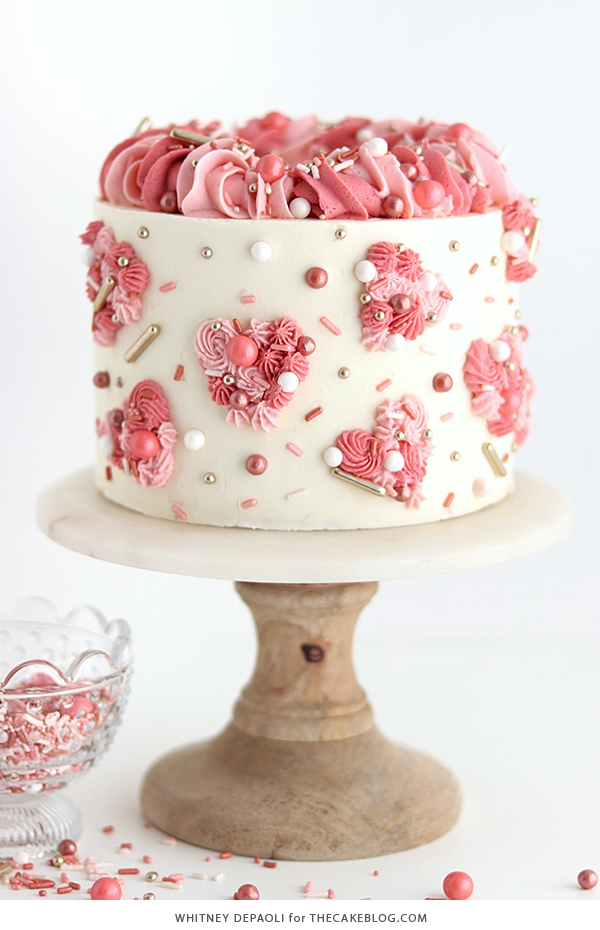
The technique’s adaptability is a key feature. Whether intended for a romantic partner, a cherished friend as part of "Galentine’s Day" celebrations, or simply as a creative outlet, the piped hearts cake is presented as an accessible yet impressive project. The tutorial emphasizes that the method works with any pipeable and tintable buttercream, with DePaoli herself preferring American buttercream for its reliability and ease of use. This inclusivity ensures that bakers of all skill levels can achieve a professional-looking result.
The Art of Piped Hearts: A Step-by-Step Approach
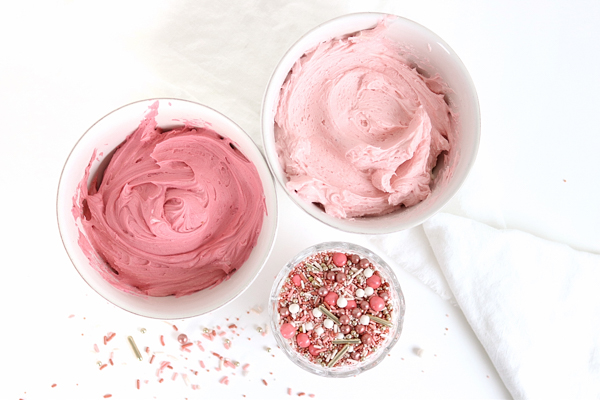
The core of DePaoli’s tutorial lies in a systematic approach to buttercream application and embellishment. The process begins with the preparation of the buttercream, which is divided and tinted to achieve the desired color palette. For the demonstration, Americolor Dusty Rose was selected for its nuanced pink tones.
Color and Buttercream Preparation
The first crucial step involves dividing the buttercream into separate bowls for tinting. DePaoli suggests using food coloring gels for optimal color saturation. The choice of "Dusty Rose" in her example demonstrates a move towards more sophisticated and less overtly saccharine color choices, fitting for a modern aesthetic. She notes the importance of achieving a color scheme that harmonizes with the chosen sprinkle mix, emphasizing a cohesive final presentation.
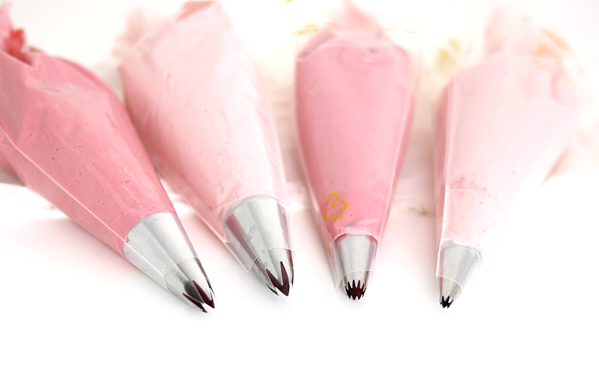
Following the coloring of the buttercream, the preparation of piping bags commences. DePaoli outlines the need for four piping bags, equipped with specific tips: two with a star tip (1M), one with a smaller star tip (199), and one with a round tip (21). The buttercream is then strategically divided among these bags. Half of the first color is placed into a bag fitted with the 1M tip, and the remaining half of that same color goes into the bag with the 199 tip. The second color of buttercream is then distributed among the remaining two piping bags. This division ensures a variety of textures and colors are available for filling the heart imprints.
The tutorial further elaborates on color customization. Bakers are encouraged to experiment with any color palette, including monochromatic schemes. In such cases, the number of piping bags required for specific tips might be adjusted. For instance, a single-color design would necessitate only one piping bag fitted with the 1M tip for that color. This flexibility underscores the tutorial’s aim to empower individual creativity.
Imprinting the Hearts
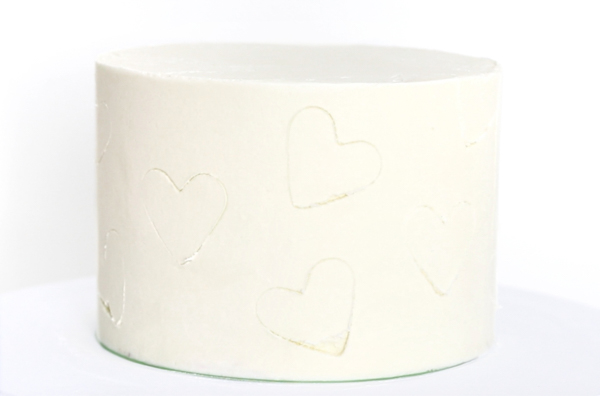
The foundation of the piped hearts design is the precise imprinting of heart shapes onto the cake’s frosted surface. This step requires a chilled cake to ensure the buttercream remains firm and receptive to the imprinting tool. A heart-shaped cookie cutter is recommended for this purpose. The cutter is used to gently press into the frosting, creating clear indentations that will serve as guides for the subsequent piping work.
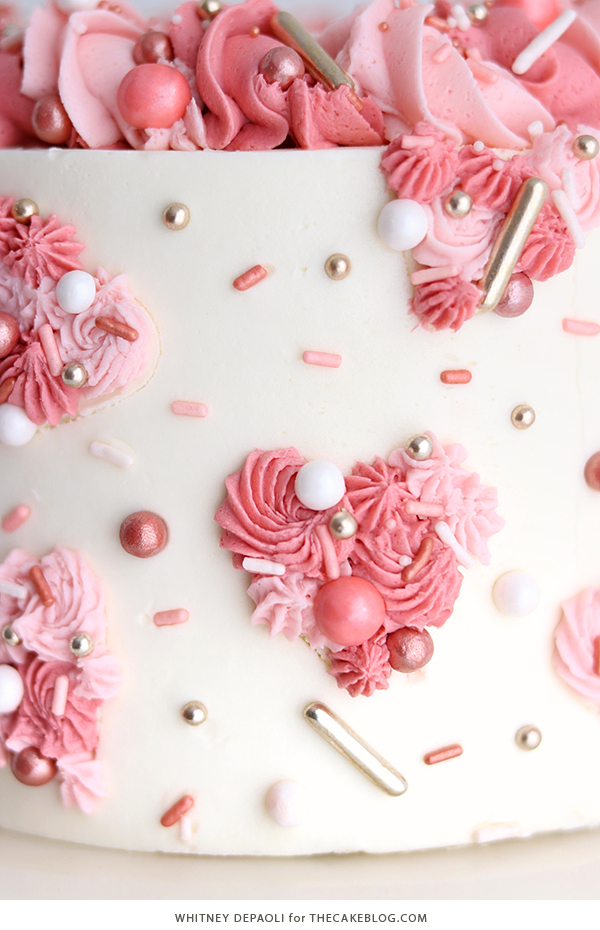
DePaoli advises spacing the imprinted hearts at least two inches apart. This spacing is critical to prevent the designs from appearing overcrowded and to allow each heart sufficient visual prominence. The random placement of these hearts adds a dynamic and organic feel to the overall design, moving away from rigid, uniform patterns. The resulting imprints act as visual anchors, guiding the baker in creating a textured and dimensional surface.
Filling the Hearts with Piped Buttercream
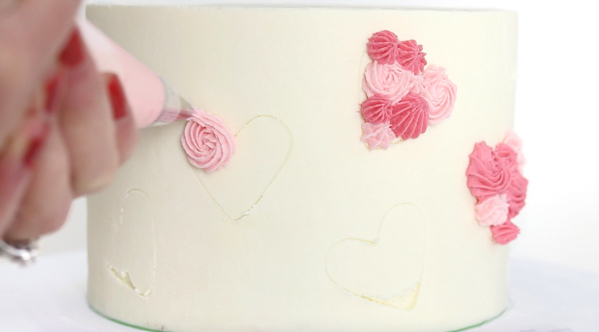
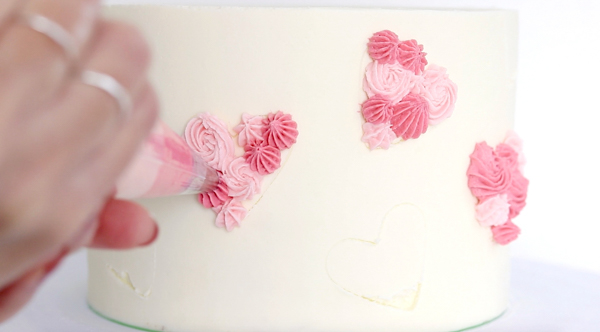
With the heart imprints established, the next phase involves filling them with intricate buttercream piping. This is where the prepared piping bags come into play, allowing for the creation of detailed textures within each heart. DePaoli instructs bakers to use the piping bags to form small rosettes and stars inside the imprinted areas.
The goal is to fill as much of the heart imprint as possible with these piped elements. The tutorial acknowledges that at this stage, the shapes may not immediately resemble perfect hearts. However, it reassures bakers that the subsequent addition of sprinkles will unify the design and enhance its overall aesthetic. The use of different piping tips (1M and 199) allows for a variety of rosette and star shapes, contributing to the textural richness.
The Art of Sprinkle Embellishment
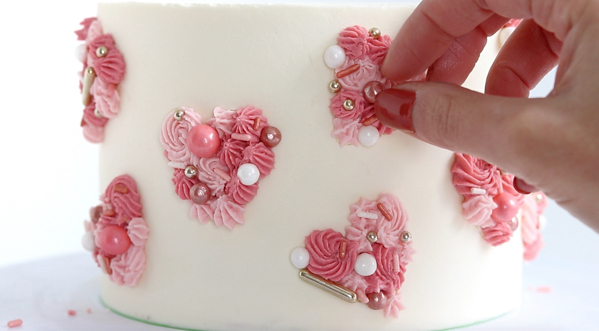
The addition of sprinkles marks a pivotal stage in elevating the piped hearts cake from a mere design to a tactile work of art. Sprinkles are strategically placed to fill any gaps within the piped buttercream hearts and to introduce an additional layer of texture and visual interest. DePaoli emphasizes how sprinkles can amplify the impact of the buttercream colors and the piped designs, creating a harmonious and captivating effect.
A particularly useful tip provided by DePaoli for precise sprinkle placement involves using a damp paper towel. By lightly pressing a fingertip to a damp paper towel before picking up sprinkles, bakers can improve their grip, preventing the tiny embellishments from falling off prematurely. This method facilitates controlled application. For those who prefer an alternative, tweezers are also suggested as a viable tool for placing individual sprinkles. While acknowledging that this process can be meticulous, DePaoli asserts that the effort is amply rewarded by the final stunning visual outcome.
Beyond filling the hearts, the tutorial also guides bakers to continue applying sprinkles in the spaces surrounding the piped hearts. This ensures a uniform distribution of texture across the entire cake surface, integrating the decorated areas seamlessly. A note is included regarding the use of gold and silver dragees, which, while visually appealing, are not FDA-approved for consumption. Bakers are advised to inform their guests about this distinction to ensure safety.
Crafting the Rosette Rope Border
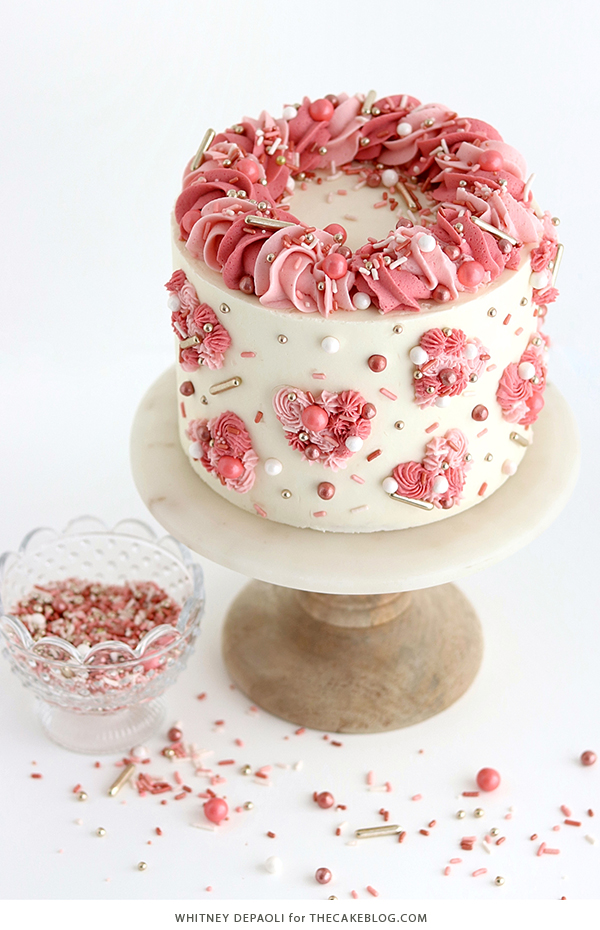
To provide a polished and elegant finish, the tutorial concludes with the creation of a rosette rope border around the cake’s perimeter. This border serves to frame the decorated surface and unify the overall design. Using the piping bag fitted with the 1M tip, bakers are instructed to position the tip approximately one inch from the cake’s edge, holding it at a 45-degree angle towards themselves.
The piping process involves creating rosettes counter-clockwise, alternating between the different buttercream colors. This technique results in a continuous, rope-like effect composed of delicate rosettes. The alternating colors add depth and visual dynamism to the border, complementing the textured hearts on the cake’s body.
To further integrate the border with the rest of the cake, additional sprinkles are applied to the rosette rope. This final touch ensures a cohesive look, tying together the various decorative elements. The completed cake, as presented in the tutorial, is a testament to the effectiveness of combining classic cake decorating techniques with modern artistic sensibilities.
Broader Implications and Future Trends in Cake Design
Whitney DePaoli’s "Piped Hearts Valentine’s Cake" tutorial represents more than just a seasonal decoration guide; it signifies a broader trend in the evolution of cake artistry. The emphasis on texture, personalized color palettes, and the incorporation of diverse embellishments reflects a growing demand for cakes that are not only delicious but also visually sophisticated and unique.
The Rise of Textured Buttercream Techniques
In recent years, there has been a significant surge in the popularity of textured buttercream finishes. Techniques like palette knife painting, combed finishes, and intricate piping styles have moved beyond basic smoothing to create dynamic surfaces. DePaoli’s method, with its layered rosettes, stars, and the strategic application of sprinkles, aligns perfectly with this trend, offering bakers a tangible way to add depth and interest to their creations. The use of specific piping tips, like the 1M and 199, is fundamental to achieving these sought-after textures, transforming simple buttercream into a versatile medium for artistic expression.
Personalization and Customization in Celebration Foods
As consumers increasingly seek experiences that reflect their individual tastes and preferences, the demand for personalized celebratory foods has grown. Valentine’s Day, with its inherent focus on personal relationships, is a prime occasion for such customization. DePaoli’s tutorial directly addresses this by encouraging bakers to deviate from traditional color schemes and to adapt the design to their own aesthetic sensibilities. This move towards bespoke creations is a significant implication for the baking industry, pushing designers to offer a wider range of options and techniques that cater to diverse client needs. The ability to tailor a cake’s appearance to specific tastes or themes, as demonstrated by this tutorial, is becoming a key differentiator in the market.
The Influence of Social Media on Culinary Trends
The tutorial explicitly credits Instagram baker @frostedfujicakes as an inspiration, underscoring the profound impact of social media platforms on the dissemination and evolution of culinary trends. Platforms like Instagram serve as digital galleries and collaborative spaces, allowing bakers to share their innovations instantly and gain inspiration from a global community. This rapid exchange of ideas fuels creativity and accelerates the adoption of new techniques. The visual nature of these platforms makes them particularly effective for showcasing intricate cake designs, driving interest and encouraging home bakers to replicate them. The "Piped Hearts Valentine’s Cake" is a prime example of how a visually compelling design, popularized through social media, can translate into a widely accessible tutorial, democratizing advanced decorating techniques.
Economic and Social Impact
The economic implications of such trends are considerable. The demand for specialized ingredients, such as unique food colorings and a wide array of decorative sprinkles, contributes to the growth of the specialty baking supply market. Furthermore, the popularity of elaborate cake designs can foster a thriving market for professional cake decorators who can offer these specialized services for events. Socially, the act of creating and sharing beautiful cakes can strengthen community bonds, whether through shared online tutorials, baking classes, or simply the joy of gifting a homemade confection. For Valentine’s Day specifically, these elaborate cakes become focal points for celebrations, enhancing the festive atmosphere and creating memorable experiences for individuals and families.
In conclusion, Whitney DePaoli’s tutorial on the "Piped Hearts Valentine’s Cake" offers a valuable insight into contemporary cake decorating. It highlights a sophisticated yet accessible technique that harmonizes traditional Valentine’s Day elements with modern aesthetic sensibilities, emphasizing texture, color, and personalization. The trend it represents—moving towards more intricate, visually dynamic, and custom-designed cakes—is poised to continue shaping the landscape of celebratory baking.