
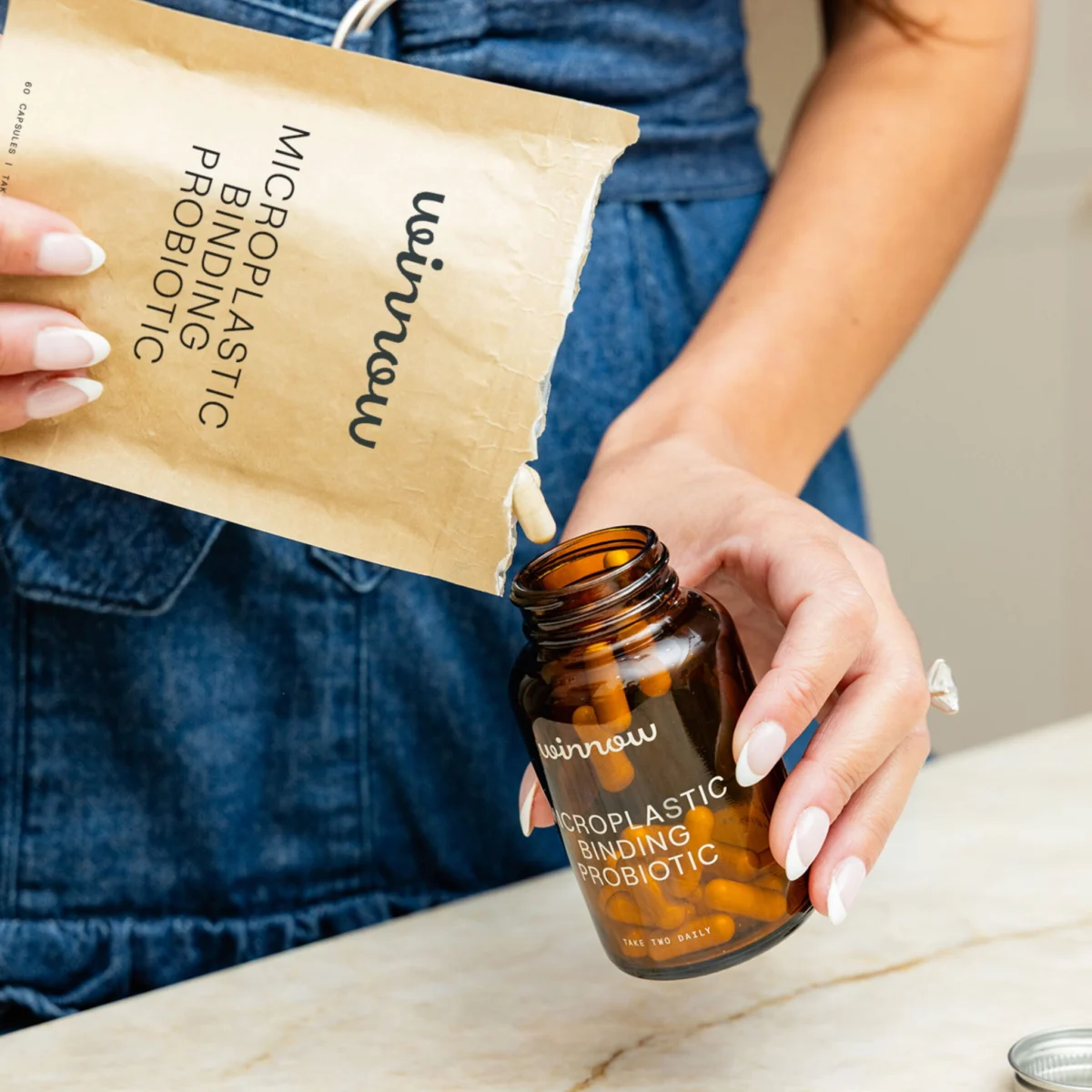
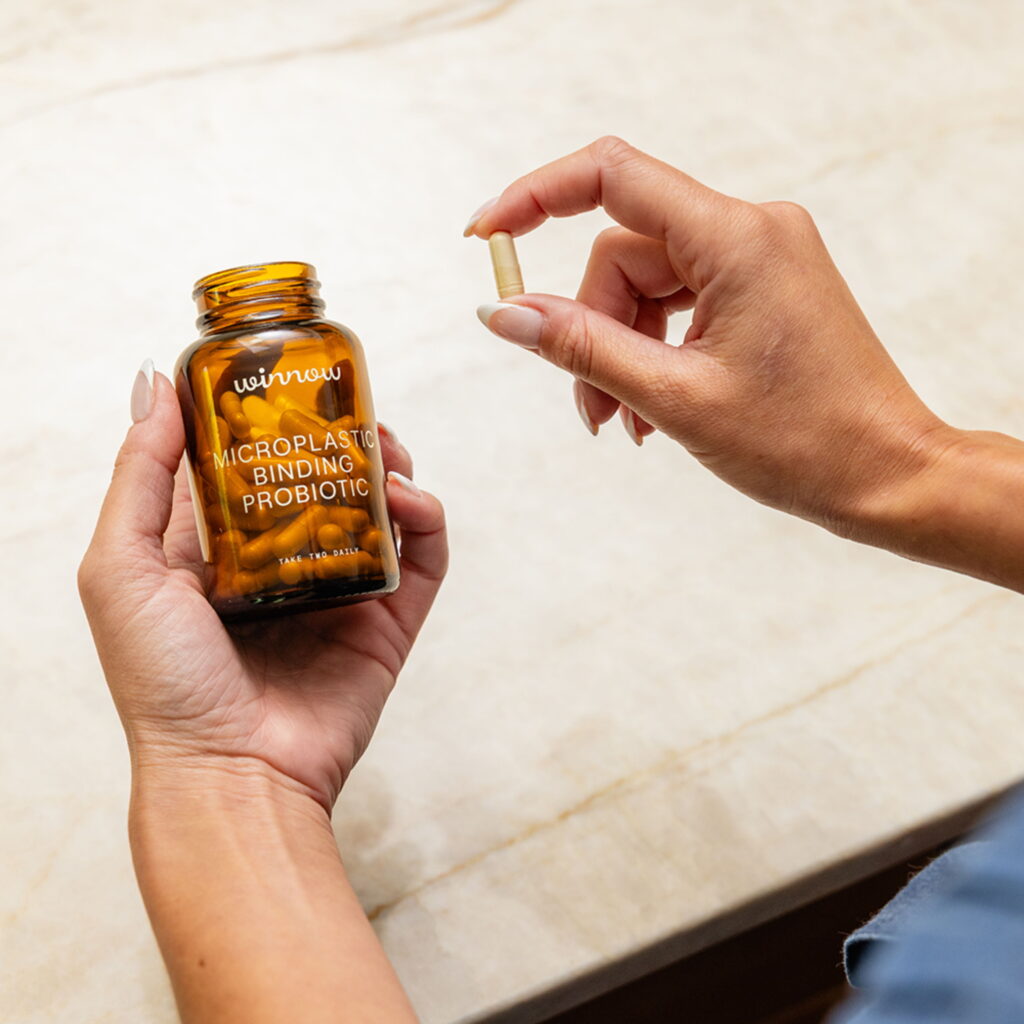
The global proliferation of microplastics has transitioned from an environmental concern to a critical public health issue, as recent scientific inquiries reveal the ubiquitous presence of these particles in the human body, including the bloodstream, lung tissue, and even placental tissue. In response to this escalating crisis, Winnow, a biotechnology-focused wellness company, has introduced a specialized daily probiotic designed to support gut health while simultaneously addressing the challenge of ingested microplastics. This dual-purpose supplement represents a significant shift in the probiotic industry, moving beyond traditional digestive support to incorporate targeted microbial strains that demonstrate the ability to bind plastic polymers within the gastrointestinal tract.
The Escalating Crisis of Microplastic Ingestion
Microplastics, defined as plastic particles smaller than five millimeters in length, have become an unavoidable byproduct of modern industrial society. Research indicates that the average human may ingest between 39,000 and 52,000 microplastic particles annually through food and water alone. When inhalation is factored in, these estimates rise significantly. These particles originate from a diverse array of sources, including synthetic textiles, food packaging, bottled water, and household dust.
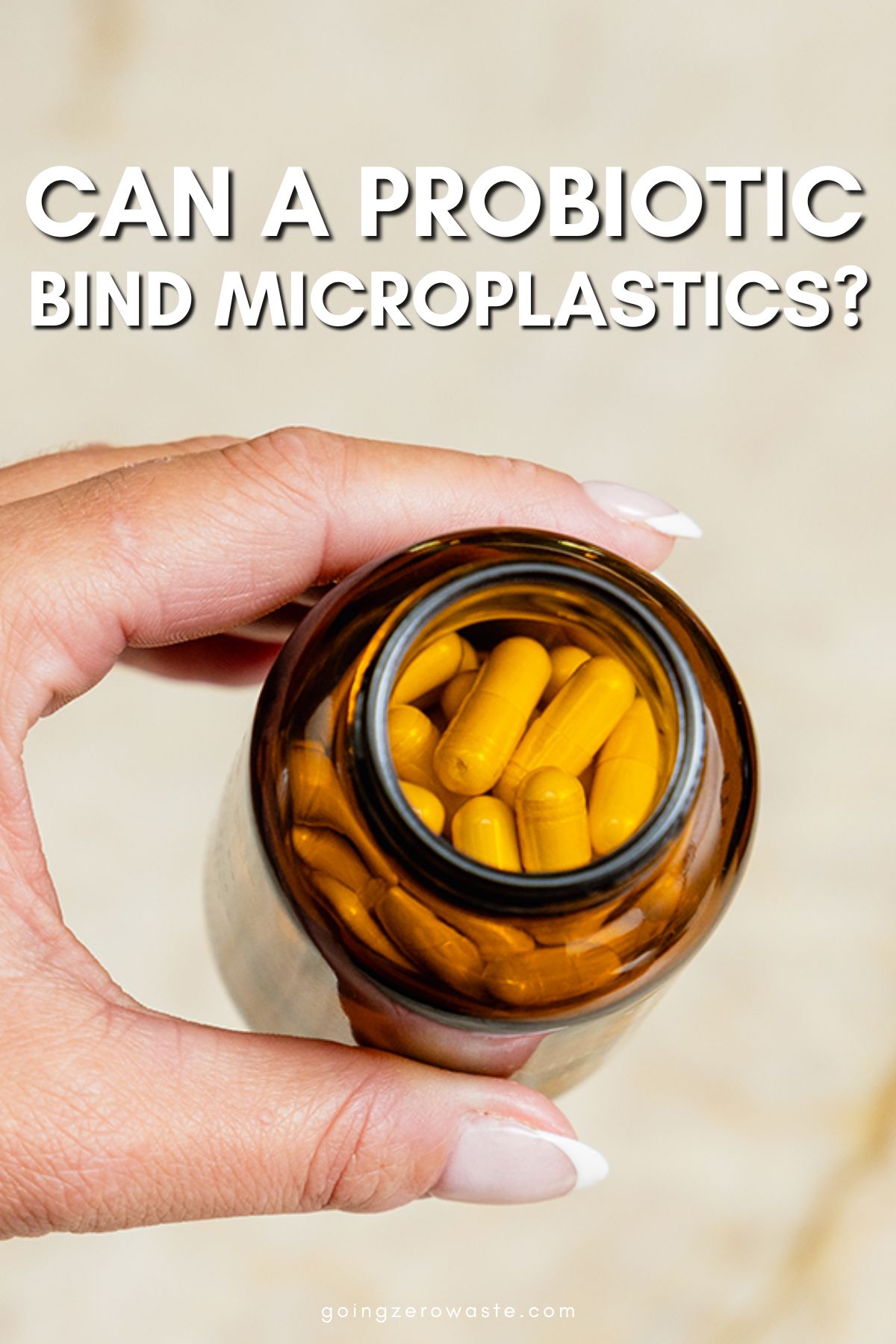
The health implications of chronic microplastic exposure are currently the subject of intense scientific scrutiny. Preliminary studies have suggested that microplastics can cause oxidative stress, inflammation, and disruptions to the gut microbiome. Furthermore, the chemical additives often found in plastics, such as phthalates and bisphenol A (BPA), are known endocrine disruptors. As the regulatory framework for plastic production remains in a state of flux, the burden of mitigation has increasingly shifted toward individual consumer choices and technological interventions.
Chronology of Probiotic Development for Plastic Mitigation
The development of microplastic-binding probiotics is the result of a decade-long evolution in microbial research. Historically, the use of bacteria for plastic degradation was focused on environmental bioremediation, such as utilizing Ideonella sakaiensis to break down PET bottles in landfills. However, the focus shifted toward human health as researchers began to identify specific probiotic strains that could interact with plastic surfaces without the need for full metabolic degradation.
By the early 2020s, laboratory screenings identified that certain lactic acid bacteria possessed surface properties capable of adhering to various polymers. In 2024 and early 2025, preclinical testing accelerated, leading to the formulation of multi-strain products like Winnow. This progression reflects a growing trend in "functional microbiology," where bacteria are selected not only for their metabolic outputs but for their physical properties within the human host.
Scientific Mechanism: Surface Adsorption and Microbial Binding
The efficacy of Winnow is predicated on the biological phenomenon of surface adsorption. Unlike chemical degradation, which breaks the plastic down into smaller (and potentially more toxic) fragments, Winnow’s probiotic strains are selected to physically adhere to plastic particles as they transit through the digestive system. This process is primarily facilitated by two components of the bacterial cell wall:
Exopolysaccharides (EPS)
EPS are high-molecular-weight polymers secreted by microorganisms into their environment. These substances create a "sticky" matrix around the bacteria. In the context of microplastics, EPS acts as a biological adhesive, trapping plastic particles and preventing them from interacting directly with the intestinal lining.
S-layer Proteins
The S-layer (surface layer) is a rigid, two-dimensional array of proteins that coats the exterior of many probiotic bacteria. These proteins possess specific hydrophobic and electrostatic properties that allow them to bind to common plastic polymers like polyethylene (PE) and polypropylene (PP). By coating the plastic particles, the bacteria facilitate their eventual excretion, thereby reducing the residence time of plastics in the gut.
Analysis of Formula and Clinical Data
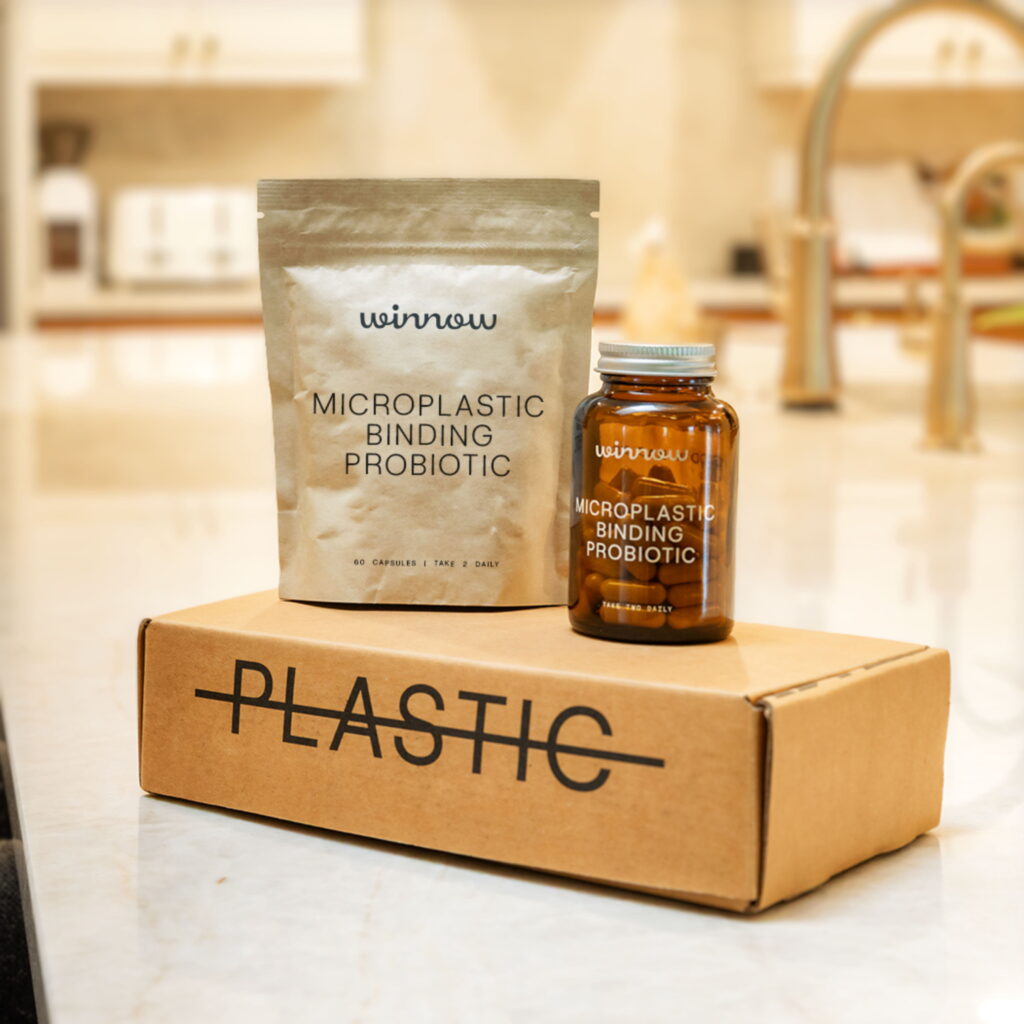
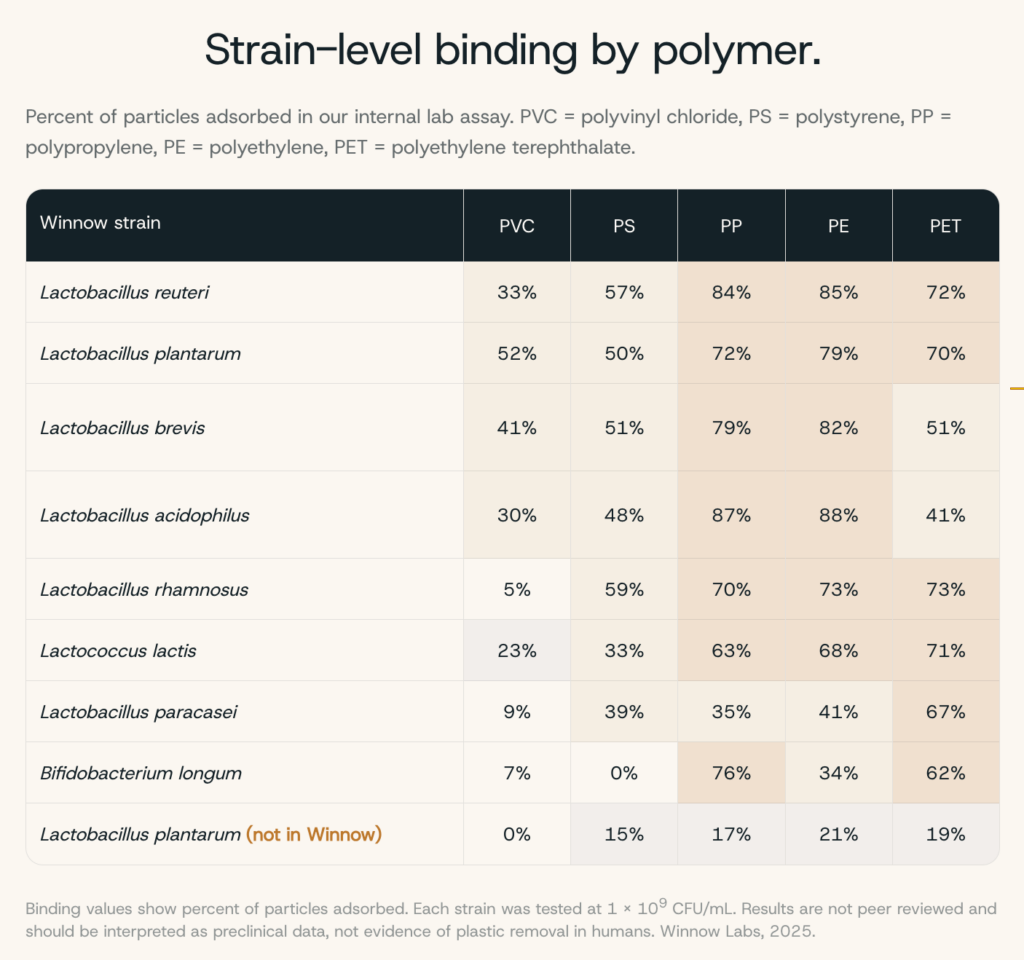
Winnow’s formulation utilizes a "clinical backbone" of three well-documented probiotic strains: L. rhamnosus ATCC 53103, L. reuteri DSM 17938, and L. acidophilus ATCC SD5212. These strains have a long history of use in supporting digestive regularity, immune function, and gut barrier integrity. The innovation lies in the synergy between these traditional benefits and the newly identified microplastic-binding potential of the full multi-strain blend.
According to internal laboratory data published by Winnow, the complete formula demonstrated a 1.8-fold increase in binding efficiency compared to any single probiotic strain when tested against a blended mix of common plastics. The testing covered a broad spectrum of polymers, including:
- Polyethylene (PE): Found in plastic bags and films.
- Polypropylene (PP): Common in takeout containers and bottle caps.
- Polystyrene (PS): Used in foam packaging and cutlery.
- Polyethylene Terephthalate (PET): The primary material for beverage bottles.
- Polyvinyl Chloride (PVC): Used in various industrial and consumer goods.
Independent peer-reviewed research supports the viability of this approach. A significant study published in early 2025 screened 784 bacterial strains and concluded that specific probiotics could significantly increase the rate of microplastic excretion in animal models, subsequently reducing the accumulation of plastic within intestinal tissues.
Industry Response and Market Positioning
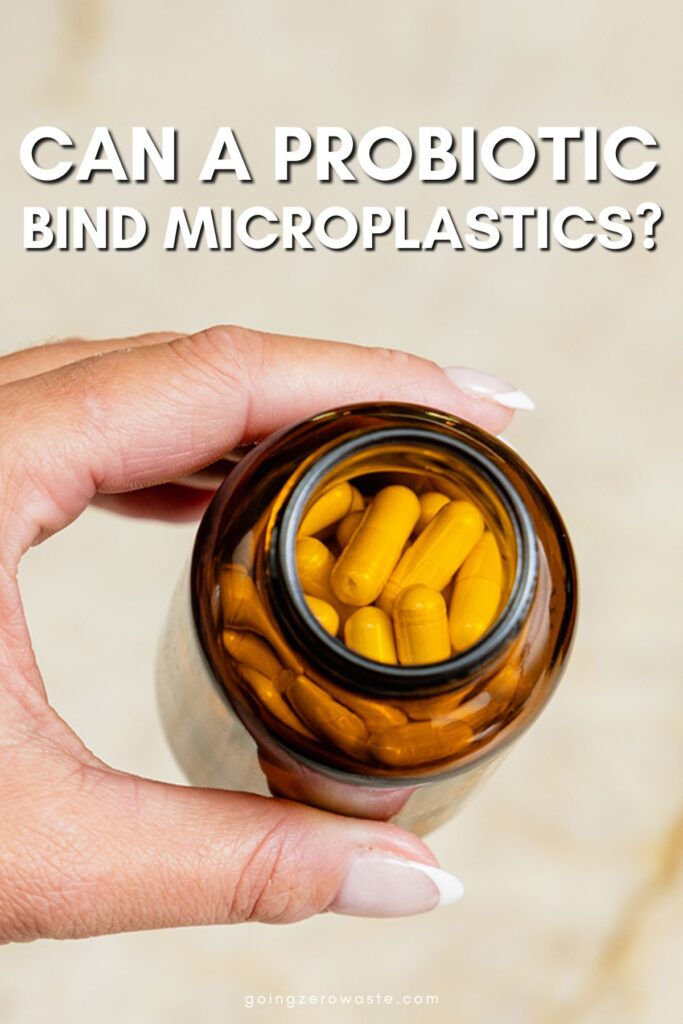
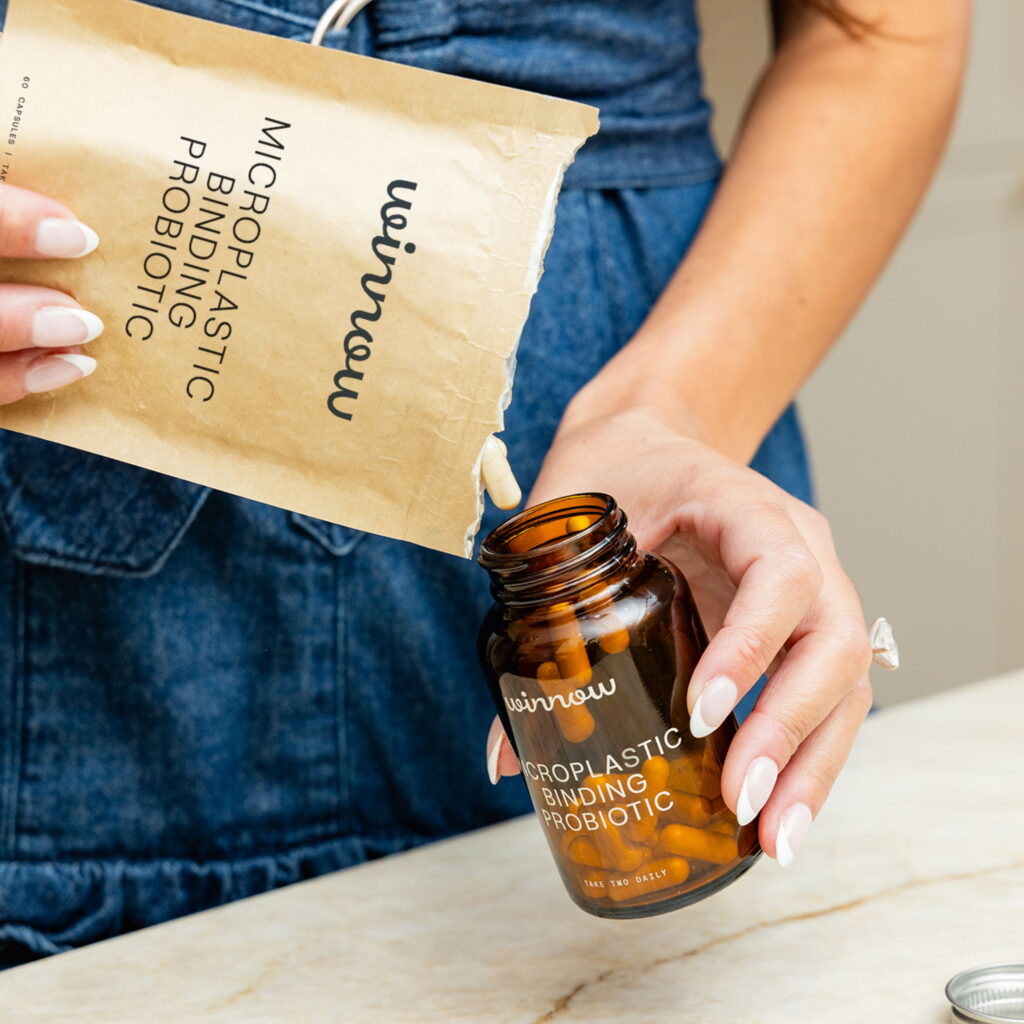
The introduction of Winnow has been met with interest from both the environmental and wellness sectors. Industry analysts note that Winnow is positioned as a premium "plastic-free" alternative to mainstream probiotics. In a market where many supplements are packaged in single-use plastic bottles, Winnow has committed to entirely plastic-free packaging, aligning its business model with its scientific mission.
Wellness experts suggest that Winnow appeals to a specific demographic: the "proactive environmentalist." This consumer segment is characterized by an awareness of environmental toxins and a preference for science-backed interventions. Winnow’s "Exposure Quiz," an online tool that assesses an individual’s lifestyle factors—such as frequency of bottled water consumption and use of synthetic clothing—further personalizes the product’s value proposition for this audience.
However, the scientific community maintains a degree of caution. While the preclinical data is promising, researchers emphasize that probiotics should not be viewed as a "magic bullet." The primary consensus remains that reducing plastic production at the source and minimizing individual exposure through lifestyle changes are the most effective long-term strategies for public health.
Broader Implications and Future Directions
The emergence of microplastic-binding technology highlights a critical juncture in environmental health. It acknowledges that plastic pollution has reached a level of ubiquity where avoidance is no longer entirely possible. This "mitigation-through-supplementation" model suggests a future where human biology is augmented to withstand a degraded environment.
From a policy perspective, the success of products like Winnow may serve as a double-edged sword. On one hand, they provide a necessary tool for individual health protection. On the other, there is a concern that such technological "fixes" could reduce the pressure on corporations and governments to implement rigorous plastic regulations. If consumers believe they can simply take a pill to remove plastic from their bodies, the urgency to reform the global plastic economy might diminish.
Nevertheless, the data-driven approach taken by Winnow Labs sets a high standard for the supplement industry. By focusing on strain-specific binding and transparently sharing preclinical results, the company provides a framework for how the wellness industry can address modern environmental challenges.
Recommendations for Reducing Microplastic Exposure
While Winnow provides a biological layer of defense, experts continue to advocate for a multi-faceted approach to reducing microplastic body burden. Key recommendations include:
- Water Filtration: Utilizing high-quality carbon or reverse osmosis filters can significantly reduce microplastic particles in tap water.
- Material Substitution: Replacing plastic cutting boards with wood or stainless steel and switching from plastic to glass or ceramic food storage containers.
- Dietary Adjustments: Minimizing the consumption of highly processed foods and avoiding heating food in plastic containers, which accelerates the leaching of microplastics and chemicals.
- Environmental Maintenance: Regular dusting and vacuuming with HEPA filters to reduce the inhalation of microplastics found in household dust.
In conclusion, Winnow represents a sophisticated intersection of microbiology and environmental science. While it does not replace the need for systemic change in plastic production, it offers a scientifically grounded tool for individuals seeking to navigate the complexities of a plastic-saturated world. As clinical research continues to evolve, the role of specialized probiotics in human detoxification is likely to become an increasingly prominent feature of modern healthcare.


