
The global culinary landscape is currently witnessing a significant shift toward the integration of wild-growing flora, with Portulaca oleracea, commonly known as purslane, emerging as a primary subject of interest for nutritionists and chefs alike. Long dismissed in North America as a common garden weed, this succulent annual is gaining international recognition for its extraordinary nutrient density and its deep-rooted history in Mexican and Mediterranean gastronomy. As food security and sustainable foraging practices become central themes in modern agricultural discourse, the transition of purslane from a "sidewalk crack volunteer" to a high-value market commodity represents a broader movement toward utilizing resilient, drought-tolerant food sources.
The Botanical and Historical Context of Portulaca Oleracea
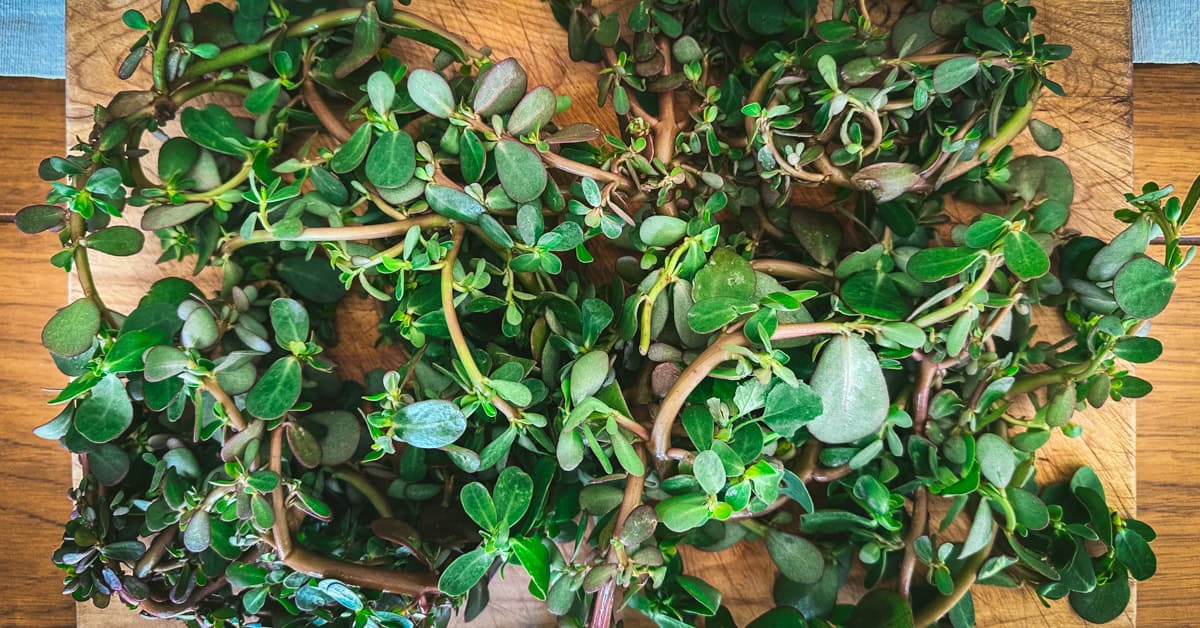
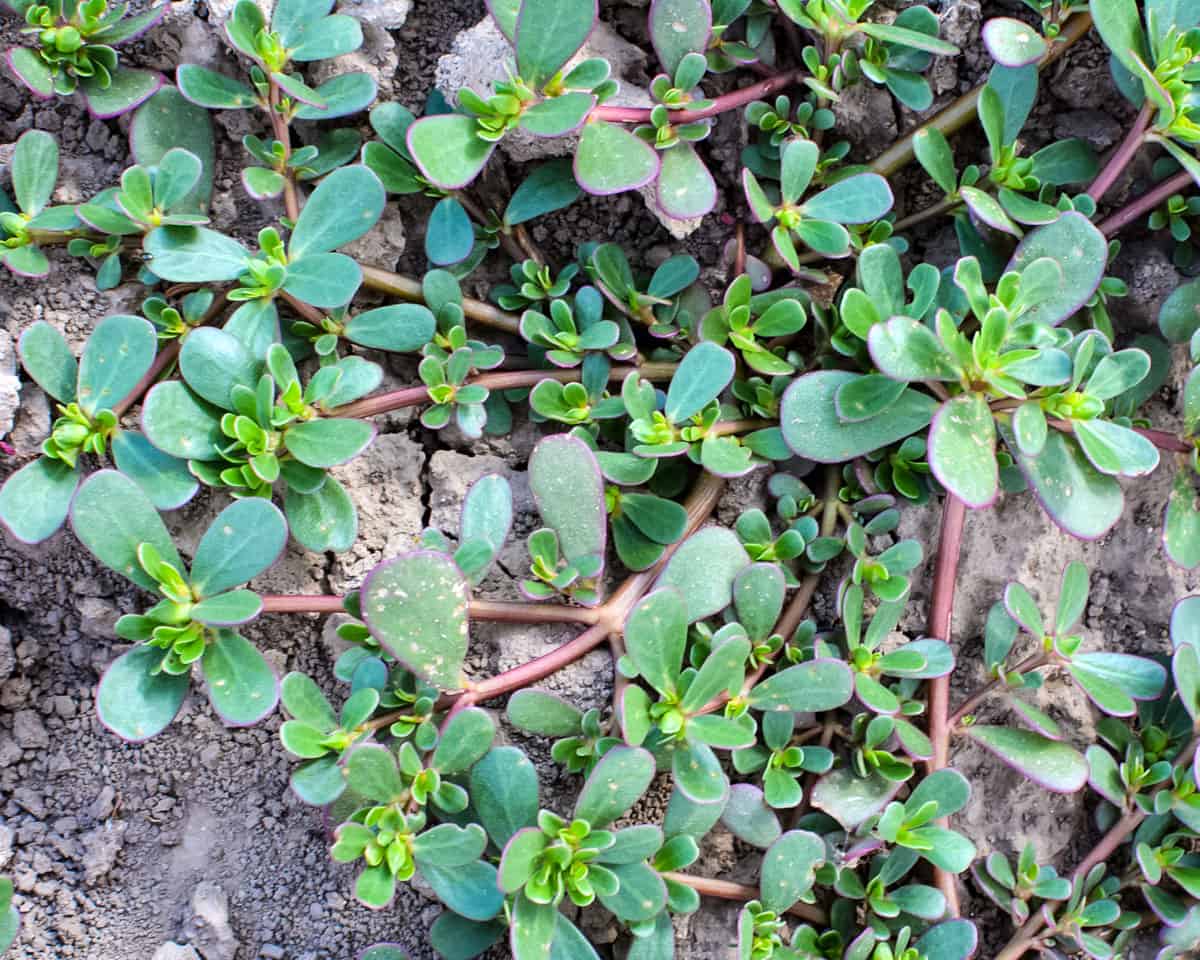
Purslane is a member of the Portulacaceae family, characterized by its prostrate growth habit, reddish fleshy stems, and paddle-shaped succulent leaves. While its exact origin remains a point of botanical debate, with some evidence pointing to North Africa or the Middle East, it has naturalized across nearly every continent. Its ability to thrive in disturbed soils, urban environments, and arid conditions is attributed to its unique metabolic pathway; it is one of the few plants that can utilize both C4 and Crassulacean Acid Metabolism (CAM) photosynthesis, allowing it to remain productive during periods of extreme heat and water scarcity.
Historically, purslane has been utilized for millennia. Archeological evidence suggests its consumption in ancient Egypt, while Greek physicians like Dioscorides and Roman naturalists like Pliny the Elder documented its use as a medicinal herb for treating inflammation and digestive ailments. In the contemporary era, the plant’s most robust culinary tradition is found in Mexico, where it is known as verdolagas. In Mexican outdoor markets, or tianguis, purslane is not viewed as a weed but as a seasonal staple, sold in vibrant green bunches and prized for its slightly acidic, salty flavor profile.
Nutritional Analysis: A Modern Power Food
The reclassification of purslane as a "superfood" is supported by rigorous clinical research. According to data from the National Center for Biotechnology Information (NCBI), purslane is identified as one of the richest vegetable sources of alpha-linolenic acid (ALA), an essential omega-3 fatty acid. While most vegetable greens are high in fiber but low in fats, purslane provides a significant concentration of these heart-healthy lipids, which are traditionally sourced from fish oils or flaxseeds.
Beyond its lipid profile, purslane contains a sophisticated array of vitamins and minerals. A 100-gram serving provides:
- Vitamin A: High levels of beta-carotene, essential for ocular health and immune function.
- Vitamin C: A potent antioxidant that aids in collagen synthesis and tissue repair.
- Vitamin E: Specifically alpha-tocopherol, which protects cell membranes from oxidative stress.
- Minerals: Substantial amounts of magnesium, calcium, potassium, and iron.
Furthermore, purslane contains two types of betalain alkaloid pigments—the reddish betacyanins and the yellow betaxanthins—both of which have been studied for their anti-mutagenic and antioxidant properties. This dense nutritional matrix has led researchers to describe the plant as a "power food" that could play a vital role in addressing micronutrient deficiencies in developing regions and health-conscious urban populations.
The Culinary Significance of Verdolagas in Mexico
In Mexican cuisine, the preparation of verdolagas is a refined practice that balances the plant’s natural mucilage with bright, acidic, and savory elements. While the plant can be consumed raw in salads or blended into smoothies—retaining a crisp texture similar to cucumber or watercress—the traditional Mexican approach often involves sautéing or stewing.
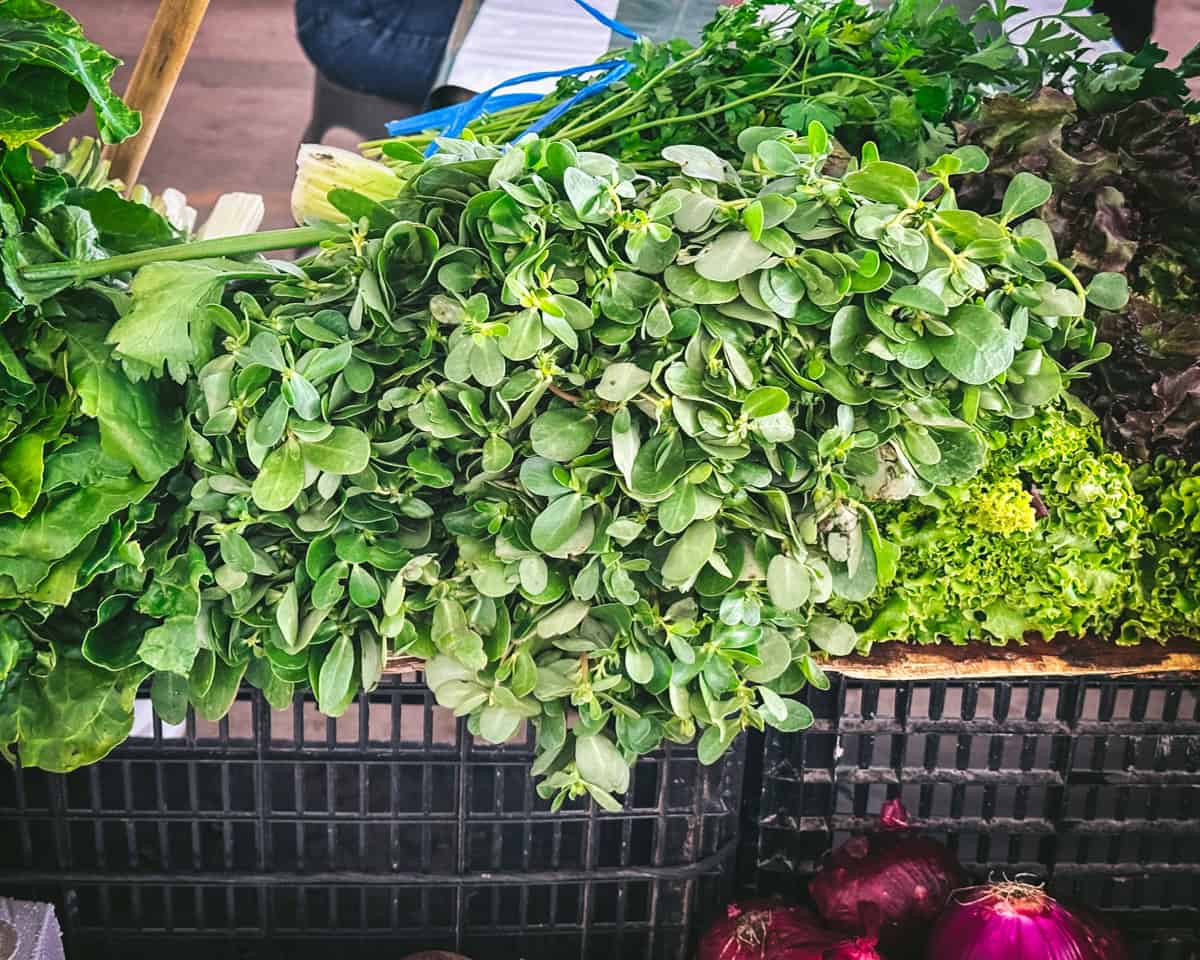
Commonly paired with pork in a salsa verde (tomatillo-based sauce), or cooked simply with potatoes and onions, purslane serves as a versatile base for numerous regional dishes. A popular breakfast preparation, Huevos con Verdolagas, involves folding the sautéed greens into scrambled eggs, providing a nutritious start to the day. The plant’s flavor is often compared to a cross between spinach and watercress, with a subtle lemony finish that intensifies when cooked.
Technical Preparation: The Sautéing Methodology
The most accessible entry point for home cooks and professional chefs looking to incorporate purslane into their repertoire is the simple sauté. This method preserves the structural integrity of the succulent leaves while mellowing the tartness of the stems.

Chronology of Preparation:
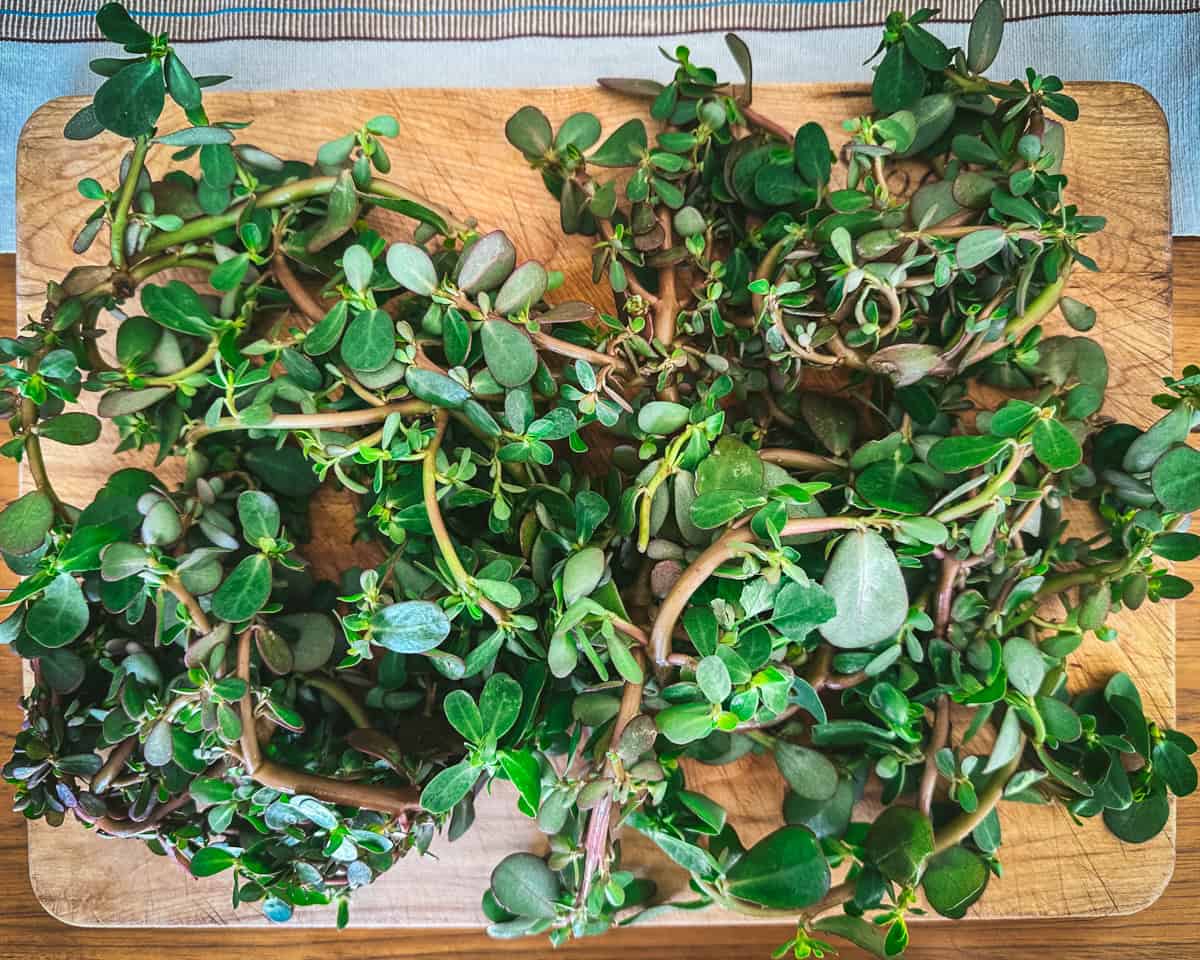
- Sourcing and Identification: Whether foraged from a chemical-free garden or purchased from a farmer’s market, the plant must be identified correctly. Foragers are cautioned to distinguish purslane from the toxic "hairy-stemmed spurge," which grows in similar environments but emits a milky white sap when broken.
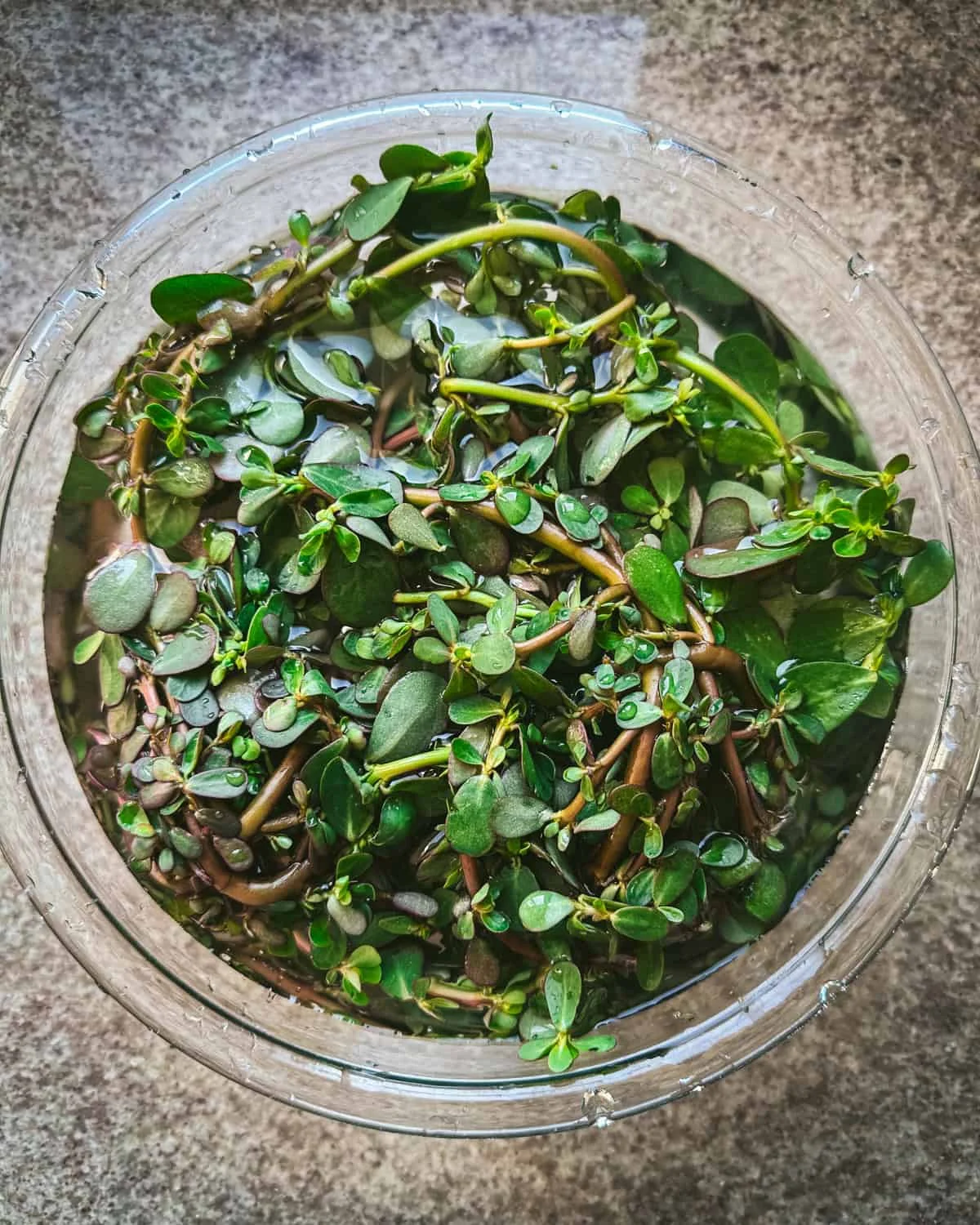
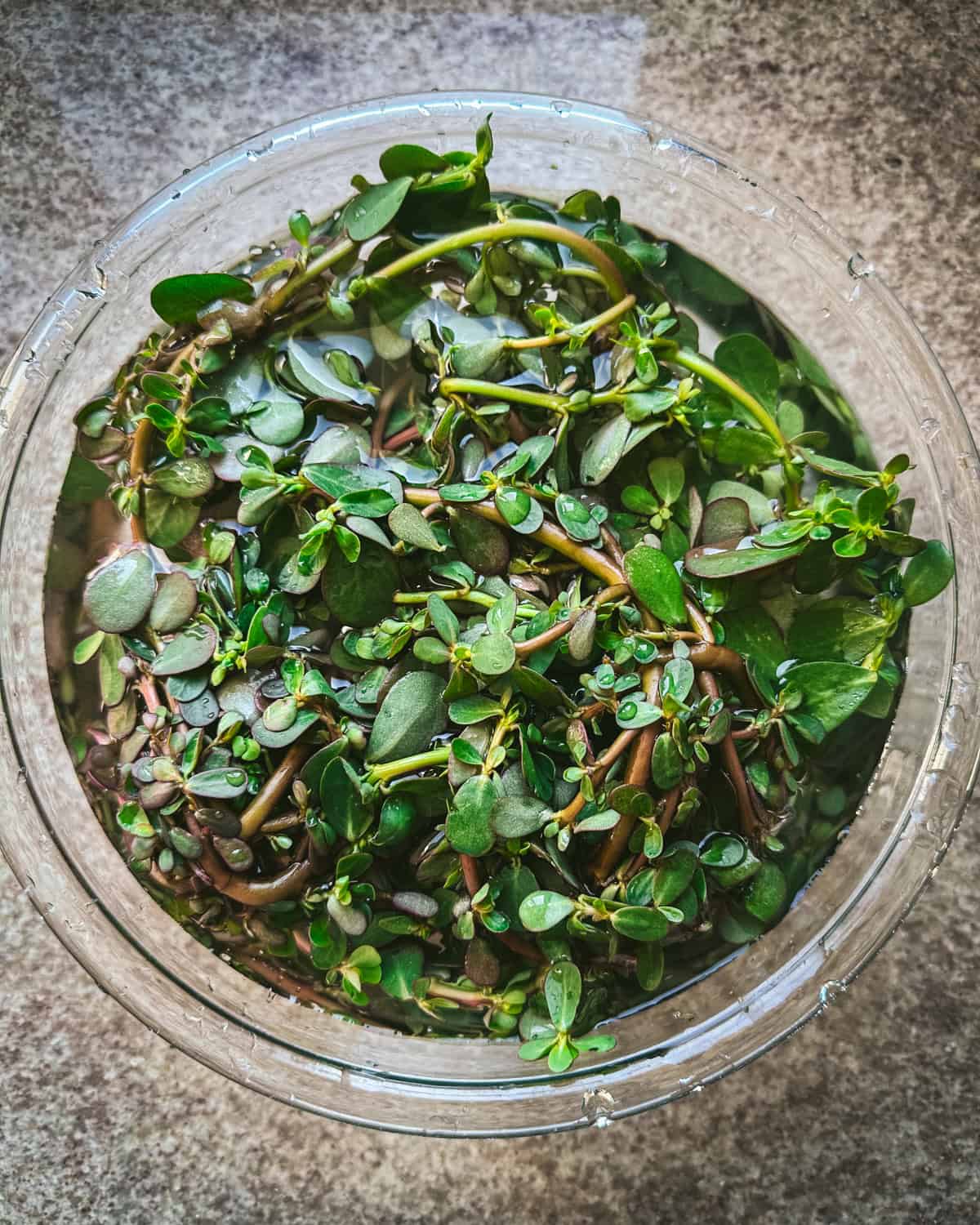
- Hydration and Cleansing: Due to its low-growing nature, purslane often traps grit. A deep-water soak is required to loosen sediment from the crevices between the leaves and stems.
- Aromatic Base: The process begins by heating a high-quality lipid, such as organic extra virgin olive oil, and infusing it with sliced garlic and onions (red or white).
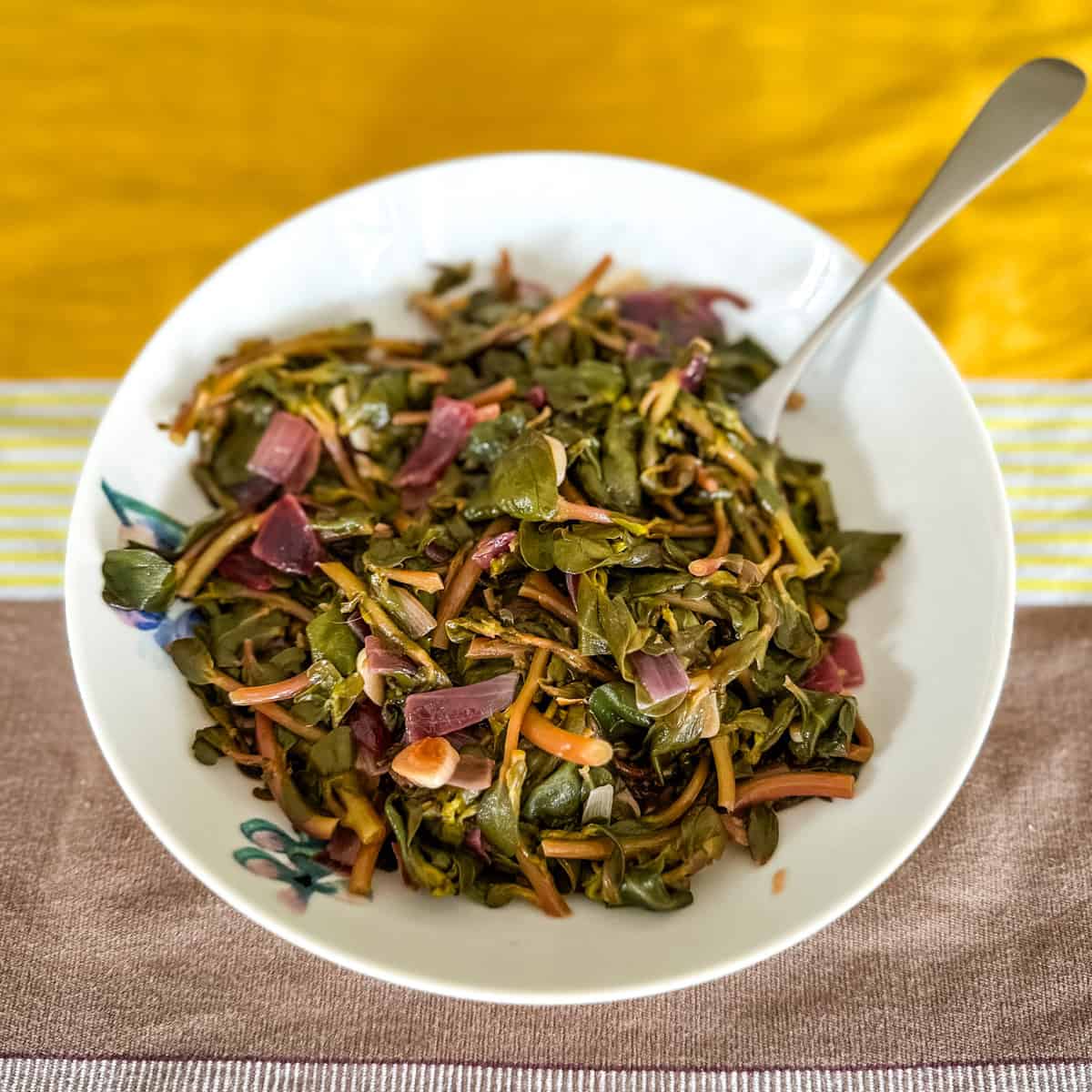
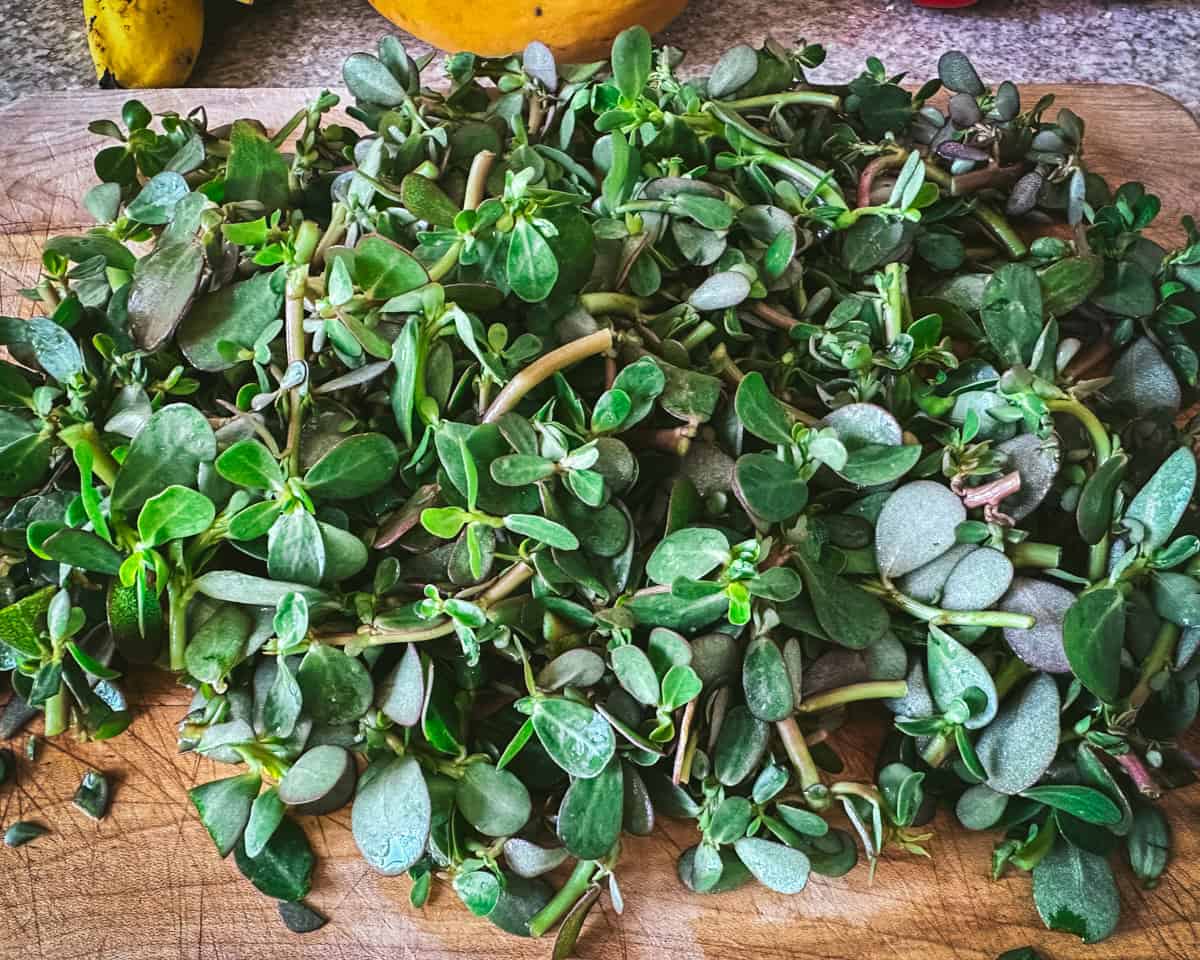
- The Sauté: The purslane is chopped into two-to-three-inch segments and added to the skillet. Because of its high water content, the plant will "wilt" significantly, similar to spinach, over a period of five to six minutes.
- Acidic Finishing: The addition of fresh lemon juice at the end of the cooking process is crucial. The citric acid interacts with the plant’s natural salts, brightening the flavor and cutting through the earthy notes of the sautéed garlic.
Economic and Environmental Implications
The rise of purslane carries significant implications for sustainable agriculture. As the global climate becomes increasingly unpredictable, the reliance on "thirsty" crops like iceberg lettuce or kale becomes a liability. Purslane, by contrast, requires minimal irrigation and no synthetic fertilizers to thrive.

Agricultural economists suggest that the commercialization of wild greens like purslane could provide a secondary income stream for small-scale farmers. In California and parts of the American Southwest, where water restrictions are tightening, purslane offers a viable alternative for "dry-farming" or as a cover crop that can be harvested for profit.
Furthermore, the foraging movement encourages a "zero-waste" philosophy. By harvesting purslane from garden beds where it would otherwise be discarded as a weed, consumers reduce the carbon footprint associated with transporting commercially grown greens from centralized industrial farms.
Safety Protocols and Foraging Best Practices
While the benefits of purslane are extensive, journalistic integrity requires the mention of safety considerations. Foragers must be certain of the soil quality where the plant is harvested. Because purslane is efficient at absorbing minerals, it can also bioaccumulate heavy metals or toxins from pesticides if grown near industrial sites or treated lawns.
Additionally, purslane contains oxalates, similar to spinach and beets. For the vast majority of the population, this is not a concern; however, individuals prone to kidney stones are often advised to consume high-oxalate foods in moderation or to boil the greens and discard the water to reduce oxalate concentration.
Statements from the Culinary and Scientific Community
"Purslane is the bridge between the wild world and the cultivated plate," states a leading proponent of the foraging movement. "It is a plant that demands we rethink our definition of a weed. When you realize that the thing you’ve been pulling out of your flower beds is actually more nutritious than the lettuce you’re buying at the store, your entire perspective on food security changes."
Nutritionists emphasize the omega-3 content as a game-changer for plant-based diets. "Finding high concentrations of ALA in a leafy green is rare. Purslane offers a unique opportunity for vegans and vegetarians to supplement their fatty acid intake through whole-food sources," notes a clinical dietitian specializing in heart health.
Conclusion: The Future of Wild Greens
The resurgence of purslane is more than a culinary trend; it is a rediscovery of a resilient biological resource. From the outdoor markets of Mexico City to the high-end farm-to-table restaurants of New York and London, Portulaca oleracea is proving that value is often found in the most overlooked places.
As we look toward a future where food systems must be both nutritious and environmentally conscious, the simple sautéed purslane recipe stands as a testament to the power of traditional knowledge. By embracing this "popular Mexican vegetable," the global community can move toward a more diversified and sustainable diet, one sidewalk crack at a time. The integration of purslane into the mainstream diet not only honors its cultural heritage in Mexico but also secures its place as a vital component of the 21st-century superfood catalog.


