
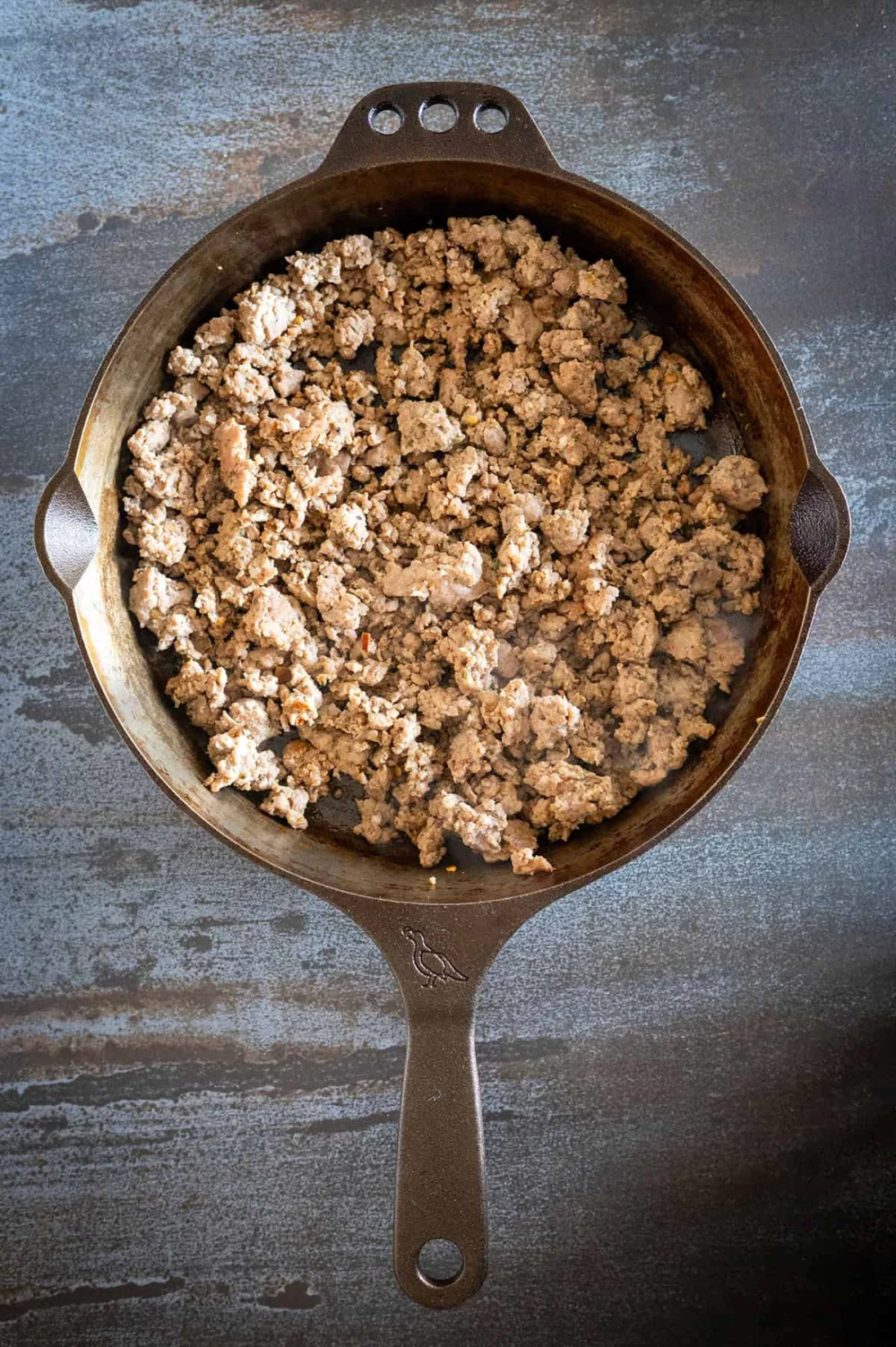
Homemade Italian sausage offers unparalleled control over ingredients and flavor, allowing home cooks to tailor this versatile staple to their exact preferences, from mild and sweet to robustly hot. This comprehensive guide delves into the art of crafting authentic Italian sausage, exploring its origins, the science behind its signature taste, and practical techniques for preparation, storage, and culinary application. By understanding the fundamental components and processes, enthusiasts can elevate their home cooking and impress with consistently delicious results.
The Essence of Italian Sausage: Beyond the Store-Bought Standard
At its core, Italian sausage is a celebration of pork seasoned with aromatic elements that define its characteristic profile. The star of this flavor symphony is undoubtedly fennel. Its subtle anise-like sweetness and earthy undertones are the hallmark of traditional Italian sausage, setting it apart from other pork sausages. Complementing fennel, garlic provides a pungent depth, while a blend of herbs, often including oregano, basil, thyme, and rosemary, adds layers of herbaceous complexity.
While commercially available Italian sausage typically comes in two main varieties—sweet (mild) and hot—homemade production offers a distinct advantage: complete customization. Consumers can precisely adjust the heat level by controlling the quantity of red pepper flakes, ensuring a mild, medium, or fiery sausage that perfectly suits their palate. This level of personalization extends to the fat content of the pork, which is crucial for both flavor and texture. A good meat-to-fat ratio, typically around 70-80% lean pork to 20-30% fat, ensures a moist and flavorful sausage that doesn’t dry out during cooking.
A Culinary Heritage: The Roots of Italian Sausage
The tradition of sausage making in Italy is ancient, deeply ingrained in the country’s culinary history and regional identities. For centuries, communities relied on preserving meat through salting, smoking, and stuffing it into casings as a means of sustenance and to utilize every part of the animal. The diverse agricultural landscapes and varied climates across Italy naturally led to a rich tapestry of regional sausage variations, each reflecting local ingredients and traditions.
The migration of Italians to other parts of the world, particularly the United States, played a significant role in popularizing Italian sausage. Immigrants brought their cherished recipes and techniques, adapting them to available ingredients and local tastes. This exchange led to the development of distinct American-Italian sausage styles, which often feature a more pronounced fennel flavor and a wider range of heat levels compared to some of their Italian counterparts. The "sweet" Italian sausage, for instance, does not derive its name from added sugar but rather from the inherent sweetness of fennel.
The Anatomy of Flavor: Key Ingredients and Their Roles
Crafting exceptional homemade Italian sausage begins with selecting the right ingredients and understanding their contribution to the final product.
1. The Pork: The foundation of any great Italian sausage is high-quality pork. Pork shoulder, also known as pork butt, is the preferred cut for its ideal balance of lean meat and fat. The fat renders during cooking, basting the meat and ensuring a tender, juicy texture. For those seeking a leaner sausage, a combination of pork shoulder and a leaner cut like pork loin can be used, but it’s essential to maintain a sufficient fat percentage to prevent dryness.

2. Fennel: As previously mentioned, fennel seeds are the quintessential spice in Italian sausage. They can be used whole or lightly crushed to release their aromatic oils. The quantity can be adjusted to achieve a more subtle or pronounced flavor.
3. Garlic: Freshly minced garlic is indispensable for its pungent, savory notes. The intensity of the garlic flavor can be moderated by the amount used.
4. Herbs: A classic Italian herb blend typically includes dried oregano, basil, thyme, and rosemary. These herbs contribute herbaceous depth and complexity. Other complementary herbs like marjoram can also be incorporated.
5. Heat (Red Pepper Flakes): For those who desire a spicier sausage, red pepper flakes (crushed red chili peppers) are the key. The amount used directly correlates to the heat level, allowing for precise control over the "hot" element.
6. Salt and Pepper: Essential for seasoning and preservation, salt enhances the natural flavors of the pork and spices. Freshly ground black pepper adds a subtle peppery bite.
7. Optional Additions: Some recipes may include a touch of sugar for a hint of sweetness that balances the savory and spicy notes, or a small amount of pork fat to ensure optimal moisture content, especially if using leaner cuts of pork.
The Process: From Seasoning to Storage
Creating homemade Italian sausage is a straightforward process that can be accomplished with basic kitchen equipment.
Step 1: Preparing the Meat
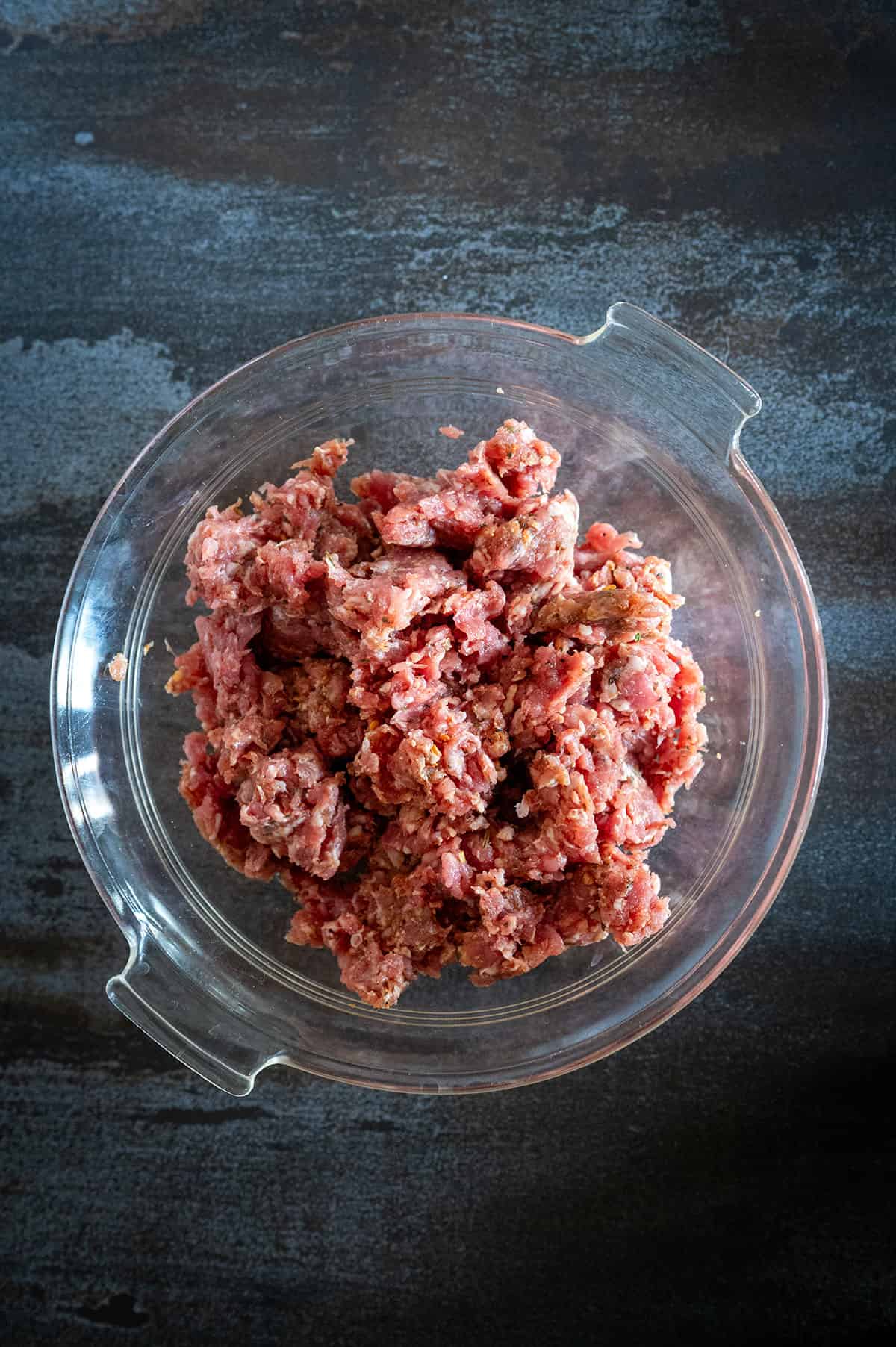
Begin with chilled ground pork. It is often recommended to chill the pork in the freezer for about 30 minutes before mixing. This helps the fat firm up, making it easier to incorporate the seasonings evenly and preventing the meat from becoming mushy.

Step 2: Mixing the Seasonings
In a large bowl, combine the ground pork with all the dry seasonings: fennel seeds, minced garlic, dried herbs, red pepper flakes (if using), salt, and pepper. For best results, use whole fennel seeds and crush them lightly before adding. This releases more of their volatile oils and enhances their flavor.
Step 3: Thoroughly Combining
The key to evenly seasoned sausage is thorough mixing. Using clean hands, gently but thoroughly combine the meat and seasonings until all ingredients are evenly distributed. Avoid overmixing, which can toughen the sausage. The goal is to coat every piece of meat with the spice blend.
Step 4: Storage Options
Once mixed, the sausage can be stored in several ways:
- Refrigeration: For immediate use or consumption within 2-3 days, store the raw sausage mixture in an airtight container in the refrigerator.
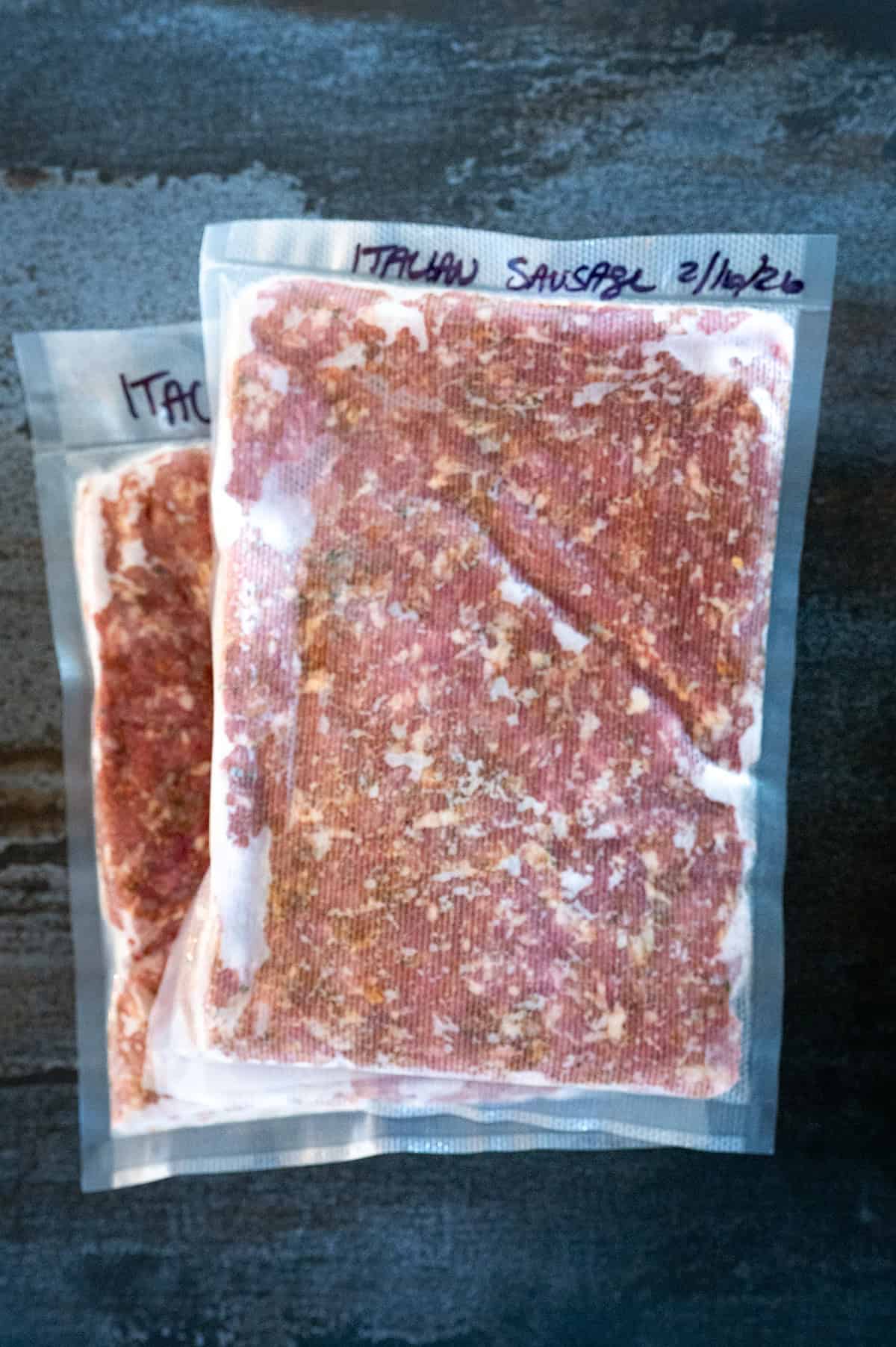
- Freezing: For longer storage, the sausage can be portioned into freezer bags or vacuum-sealed bags. Removing as much air as possible is crucial to prevent freezer burn. Label the bags with the date and contents. Homemade Italian sausage can remain frozen for up to a year, retaining its quality. Portioning the sausage into manageable amounts (e.g., 1-pound or 1/2-pound batches) makes it convenient to thaw and use as needed.
Step 5: Cooking the Sausage
There are two primary methods for cooking homemade Italian sausage:
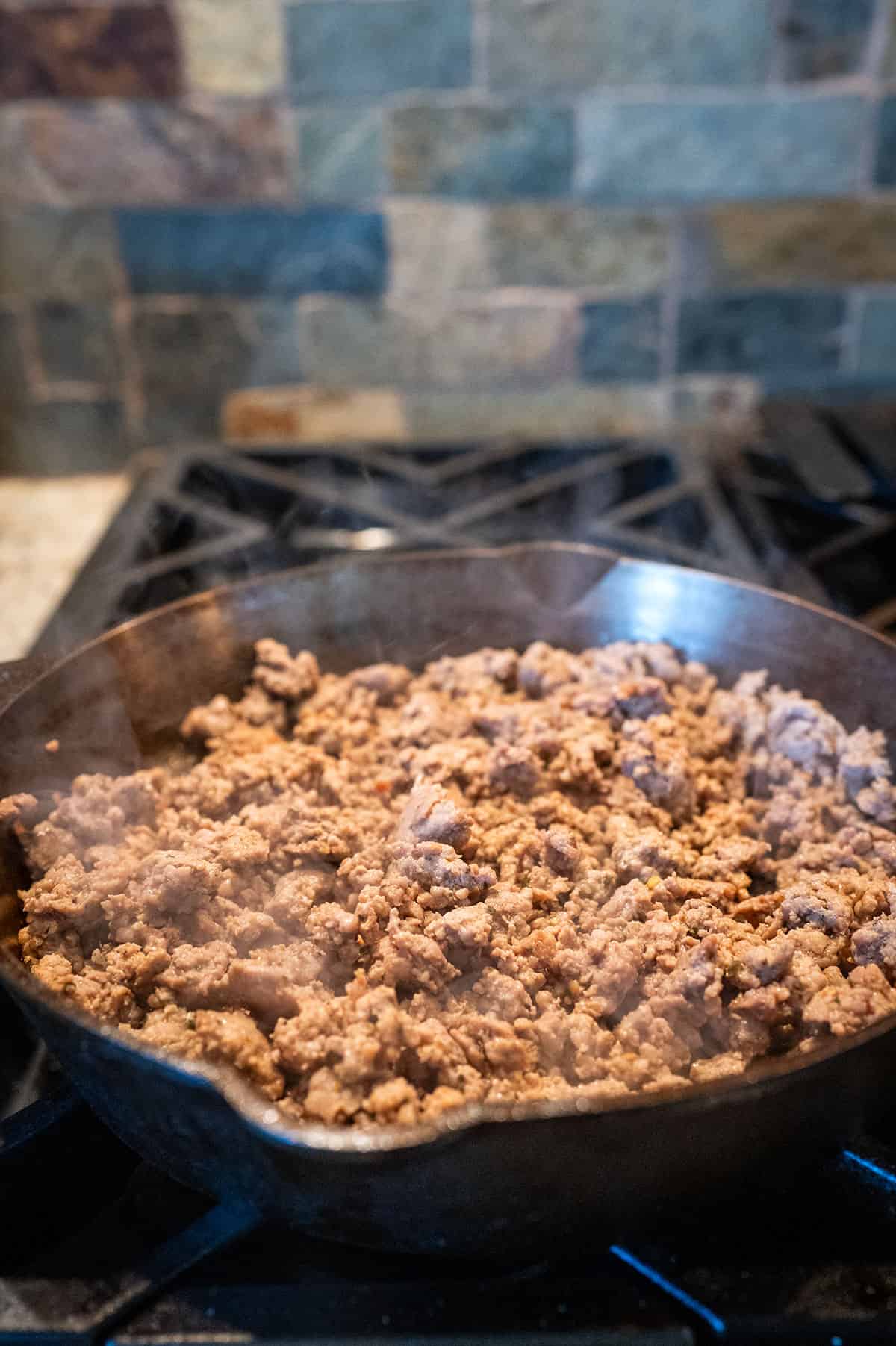
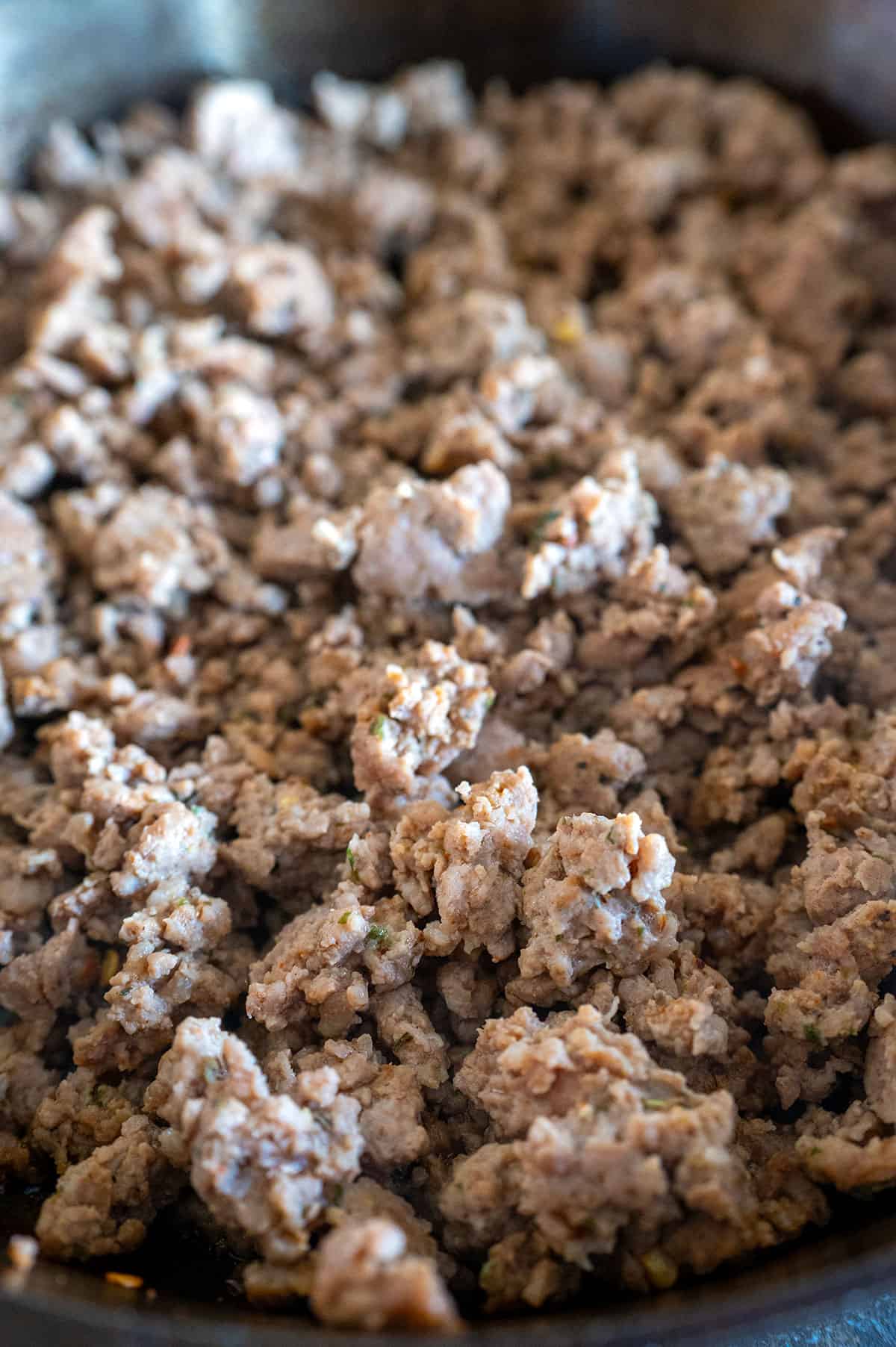
- Cooking from Raw: Heat a large skillet over medium heat and add a small amount of oil. Add the sausage mixture to the hot skillet. Break it up with a spoon or spatula as it cooks. Continue to stir frequently until the sausage is evenly browned and cooked through. The internal temperature should reach 160°F (71°C) for safe consumption. Any excess grease can be drained off after cooking.
- Forming into Patties or Links: For a more traditional presentation, the sausage mixture can be formed into patties or, if you have a sausage stuffer, into links. Patties can be cooked directly in a skillet or on a grill. Links can be cooked in a skillet, on a grill, or baked in the oven.
Culinary Applications: Unleashing the Versatility of Italian Sausage
The beauty of homemade Italian sausage lies in its adaptability across a wide range of dishes. Its robust flavor profile makes it a star ingredient, enhancing everything from comforting pasta sauces to vibrant soups and hearty pizzas.
- Pasta Dishes: Italian sausage is a classic addition to pasta sauces, providing a rich, savory depth. It pairs exceptionally well with tomato-based sauces like marinara or a hearty bolognese. Dishes like spaghetti with meat sauce, baked ziti, or lasagna are elevated by the inclusion of crumbled Italian sausage.
- Pizza: Crumbled and cooked Italian sausage is a popular and delicious pizza topping, adding a savory and slightly spicy dimension that complements cheese and other toppings.
- Soups and Stews: Italian sausage is a key ingredient in hearty soups and stews. Zuppa Toscana, a creamy Tuscan soup featuring kale and sausage, and Italian Wedding Soup, a flavorful broth-based soup with tiny meatballs and vegetables, are prime examples.
- Stuffed Peppers: The savory notes of Italian sausage make it an excellent filling for bell peppers, often combined with rice and other seasonings.
- Sandwiches and Appetizers: Cooked Italian sausage can be sliced and used in sandwiches, or chopped and incorporated into appetizers like sausage dips or stuffed mushrooms.
Nutritional Considerations
Homemade Italian sausage offers a richer nutritional profile compared to many processed meats, as the ingredients are transparent and controllable. A typical serving of homemade Italian sausage (approximately 3 ounces, or about 85 grams, based on a recipe yielding 12 servings from 3 pounds of pork with a 70/30 lean-to-fat ratio) can provide:
- Calories: Approximately 304 kcal
- Protein: Around 19 grams, crucial for muscle repair and satiety.
- Fat: Approximately 24 grams, with a significant portion being monounsaturated fat (around 11 grams), which is considered heart-healthy. Saturated fat is around 9 grams.
- Carbohydrates: Typically low, around 1 gram, as the primary ingredients are meat and spices.
- Cholesterol: Around 82 mg.
- Sodium: Varies based on added salt, but can be around 649 mg.
- Vitamins and Minerals: Provides essential minerals like iron and zinc, and varying amounts of B vitamins.
It’s important to note that these nutritional values are approximations and can fluctuate based on the specific fat content of the pork used and the exact quantities of salt and other seasonings. By controlling these elements, individuals can manage their sodium intake and fat content more effectively.
Frequently Asked Questions
What gives Italian sausage its distinct flavor?
The distinctive flavor of Italian sausage is primarily attributed to fennel seeds, which impart a subtle anise-like sweetness and aroma. Garlic and a blend of traditional Italian herbs further contribute to its complex taste profile.
What cut of meat is used for Italian sausage?
Pork shoulder, also known as pork butt, is the most commonly used cut for Italian sausage. Its ideal meat-to-fat ratio (typically 70-80% lean to 20-30% fat) ensures a moist and flavorful sausage that doesn’t dry out during cooking.
Is Italian sausage spicy?
Italian sausage can be either mild (sweet) or spicy (hot). The heat level is determined by the inclusion of red pepper flakes. "Sweet" Italian sausage does not contain sugar; its perceived sweetness comes from the fennel. "Hot" Italian sausage contains red pepper flakes, with the quantity dictating the intensity of the spice.
Conclusion: A Culinary Endeavor Worth Pursuing
The art of making homemade Italian sausage is a rewarding culinary endeavor that offers a superior taste experience and greater control over ingredients. By understanding the fundamental components—the quality of pork, the role of fennel, and the balance of herbs and spices—home cooks can confidently create a versatile staple that enhances a myriad of dishes. From its ancient roots in Italian culinary tradition to its modern-day adaptations, Italian sausage remains a beloved and adaptable ingredient, and mastering its homemade preparation unlocks a new level of flavor and culinary creativity.


