

Pizza, a dish transcending its humble Italian origins, has solidified its place as one of the world’s most beloved and consumed foods. From bustling pizzerias in Naples to global fast-food chains and gourmet restaurants in Tokyo, its appeal is universal. While the crust and sauce lay the foundational character, it is unequivocally the cheese that breathes life into the pizza, providing that irresistible melt, sensational taste, and delectable aroma that defines the experience. The quest for the "best cheese" is not a singular pursuit but rather an exploration of diverse textures, flavors, and melting properties that elevate this iconic dish from good to extraordinary. This comprehensive guide delves into the intricate world of pizza cheeses, examining their origins, characteristics, ideal pairings, and the subtle art of selection for a truly sublime pizza experience.
The Foundational Role of Cheese in Pizza History and Evolution
The story of pizza is intimately linked with the history of cheese. Originating as a simple flatbread in ancient Mediterranean cultures, pizza as we know it today, particularly the Neapolitan style, came into prominence with the introduction of tomatoes from the Americas in the 16th century. However, it was the marriage of tomato with cheese that truly cemented its status. Mozzarella, specifically mozzarella di bufala, crafted from the milk of water buffaloes in the Campania region, became the quintessential cheese for the Pizza Margherita, famously created in 1889 to honor Queen Margherita of Savoy, its red tomato, white mozzarella, and green basil symbolizing the Italian flag. This historical precedent established mozzarella as the benchmark, but as pizza traveled the globe, culinary traditions adapted, and a diverse array of cheeses found their way onto pizza crusts, each contributing a unique dimension. The secret behind many famous pizza recipes, passed down through generations and fueling centuries-long rivalries between different styles and even cities, often lies in the nuanced choice and application of cheese.
The Science of the Melt: Key Characteristics of Superior Pizza Cheese

Beyond taste, the physical properties of cheese are paramount for pizza. Food scientists and pizzaiolos alike focus on several critical characteristics that define a great pizza cheese:
- Meltability: How smoothly and evenly the cheese melts without becoming watery or overly greasy. This is influenced by fat content and protein structure.
- Stretch (Elasticity): The iconic "cheese pull" is a hallmark of good pizza. This elasticity comes from proteins like casein, which denature and re-link when heated, forming long, elastic strands.
- Oiling Off: The release of fat as the cheese heats. While some oiling off adds flavor and helps brown the crust, excessive oil can make the pizza greasy.
- Blistering/Browning: The formation of small, golden-brown spots on the cheese surface. This indicates desirable caramelization and adds textural contrast. Cheeses with lower moisture and specific protein-to-fat ratios tend to blister well.
- Flavor Contribution: The cheese must complement or enhance the other toppings without overpowering them. This balance is key to a harmonious pizza.
The ideal pizza cheese typically has a moderate moisture content and a balanced fat-to-protein ratio, allowing it to melt uniformly, stretch enticingly, and develop appealing golden blisters.
Spotlight on Traditional Cornerstones: The Pillars of Pizza Cheese
Mozzarella: The Unchallenged Sovereign

Mozzarella’s global dominance in pizza is undeniable. Legend suggests its creation was an accident, with cheesemakers inadvertently tipping curds into hot water, a fortunate mishap that birthed one of the world’s most beloved cheeses. Originating in Naples, Italy, traditionally from rich buffalo milk (though cow’s milk versions are now more common), mozzarella is characterized by its soft, moist, milky, and spongy texture. While it graces salads and sandwiches, its true magic unfolds in the oven, transforming into that wonderfully stringy and gooey texture everyone cravers.
Pizzaiolos often distinguish between two primary types:
- High-Moisture Mozzarella: Very fresh, typically sold in water, with a short shelf-life. Its subtle, creamy flavor is delightful, but its high water content can make a pizza soggy. It’s often drained thoroughly or added towards the end of baking.
- Low-Moisture Mozzarella: This is the preferred choice for most pizzas. It has a longer shelf-life, more concentrated flavor, is saltier, and melts faster and more evenly without releasing excess water. It offers superior melt, stretch, and browning.
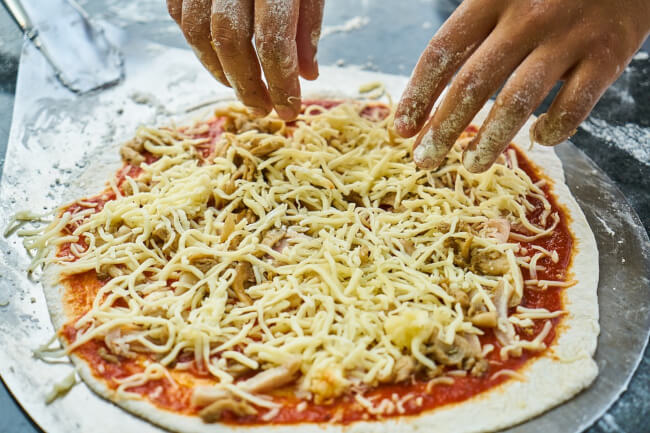
Low-moisture mozzarella can be used solo for a classic Neapolitan touch or as a foundational component in cheese blends. Its mild flavor profile makes it exceptionally versatile, pairing seamlessly with virtually any topping combination. For a fresh, vibrant take, some chefs add fresh high-moisture mozzarella after the pizza comes out of the oven. Data from the dairy industry consistently shows mozzarella as the leading cheese consumed on pizza worldwide, a testament to its unparalleled suitability. Enthusiasts can even embark on the rewarding journey of making their own mozzarella at home.
Cheddar: A Bold, Familiar Companion

Once a regional specialty of south-west England, dating back to the 12th century, Cheddar cheese has become a pantry staple globally. It was one of the first cheeses to be mass-produced and exported, contributing to its widespread recognition. Cheddar offers a broad spectrum of flavor profiles, from mild, crumbly varieties to sharper, aged cheddars with a more robust tang, ensuring a type to suit every palate.
On pizza, Cheddar performs admirably, often incorporated into cheese blends. Its limited elasticity compared to mozzarella means it doesn’t offer the same stringy pull, but its resistance to blistering in intense heat and its pronounced flavor make it an excellent addition. Sharper Cheddars, in particular, stand up well against strong flavors like pepperoni, spicy sausage, chili flakes, and even unconventional toppings like pineapple. Its widespread appeal makes it an ideal choice for pizzas designed to please a diverse crowd, providing a familiar yet impactful taste. Many agree that when combined with a more elastic, subtly flavored cheese like mozzarella, Cheddar contributes depth and character that elevate the overall pizza experience.
Exploring Diverse Flavor Profiles and Textures: Beyond the Staples
Ricotta: The Cloud-Like Counterpoint

Ricotta, a light and fluffy soft cheese, is cherished worldwide for its ethereal texture and fresh, slightly tangy flavor. Uniquely, ricotta is a "whey cheese," primarily made from the leftover whey and a small amount of curds after another cheese production. It can be made from cow, goat, sheep, or water buffalo milk, highlighting its versatility. Its fresh, tangy, and moist characteristics often draw comparisons to cream cheese.
Ricotta introduces a distinctive creaminess to pizza, often used as an alternative to traditional tomato-based sauces. Blended with mozzarella and a robust cheese like blue cheese, gorgonzola, or Gruyère, it forms a rich white sauce base. Dollops of fresh ricotta can also be added directly onto the pizza before or after baking. It pairs exquisitely with seafood, chicken, broccoli, fresh rocket, pears, or salty pancetta, transforming the pizza into a gourmet creation with a delightful textural contrast. Its application signals a move towards more sophisticated, non-traditional pizza styles.
Gouda: Sweet, Buttery, and Universally Appealing
This iconic Dutch cheese, easily recognized by its distinctive bright red wax seal, is a softer hard cheese known for its sweet, smooth texture. With a widely appealing rich flavor, Gouda is a superb choice for everyday pizzas, melting beautifully in the oven. Crafted from cow’s milk, its mild and sweet, nutty taste deepens into a sharper flavor and more crumbly texture as it matures. Similar to Cheddar in its versatility, Gouda offers a distinctly softer, more buttery flavor profile.

Gouda’s all-around appeal earns it a spot on the "best cheese for pizza" list, especially for its synergy with certain toppings. It shines with savory ingredients such as pulled pork, BBQ chicken, roasted peppers, crispy bacon, and smoked sausage, where its sweetness complements smoky and robust flavors. Its excellent melt and balanced flavor make it a consistent performer.
Sophisticated Finishes and Bold Statements: Elevating the Experience
Parmesan: The Umami Powerhouse
Parmesan, or Parmigiano-Reggiano, is an aged Italian hard cheese with a venerable history stretching back to Roman times. Characterized by its finely granular texture and intensely savory, umami-rich flavor, it is typically grated or shaved as a garnish for pasta, salads, and, crucially, pizza.
The key to utilizing Parmesan on pizza lies in its application: it should never be added before baking. Its delicate, dry nature means high heat destroys its nuanced flavor and umami. Instead, Parmesan should be generously grated or shaved over the pizza immediately before serving. This preserves its sharp, salty notes, which act as a perfect counterpoint to the melted, softer cheeses. Parmesan works exceptionally well with plainer pizzas, where its depth of flavor can truly shine, enhancing simple cheese pizzas, garlic pizzas, or those topped with delicate ingredients like prosciutto, fresh arugula, and thinly sliced tomatoes. It’s the ultimate cheese for adding a salty, complex umami finish to any pizza blend.
Chevre (Goat Cheese): For the Culinary Adventurer
Chevre, a French cheese made from goat’s milk, stands out with its rindless, soft, white, and creamy texture, coupled with a strong, tart flavor that intensifies with age. While not a traditional pizza cheese, its unique profile has inspired many to adapt recipes, injecting excitement into their culinary creations. Notably, Chevre is lower in lactic acid, making it a viable option for individuals with lactose intolerance.
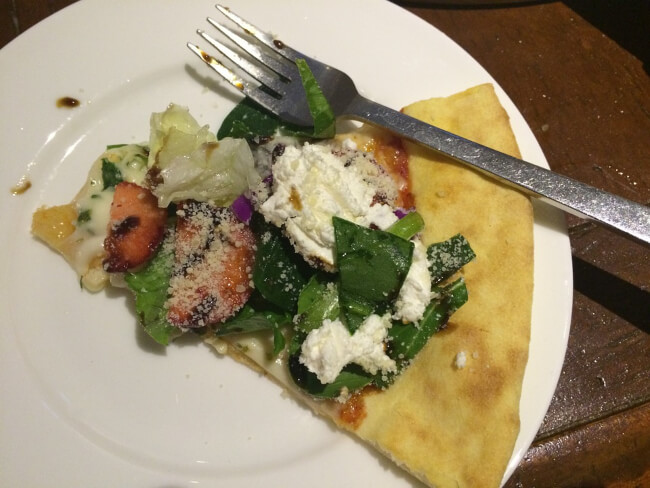
Unlike mozzarella or Cheddar, goat cheese doesn’t melt into a stringy pool but rather softens, maintaining its form. For optimal distribution, it’s recommended to crumble Chevre into small chunks and dot them evenly over the pizza base before cooking. Its distinctive tangy taste pairs remarkably well with surprising toppings such as sweet caramelized onions, figs, roasted bell peppers, peppery rocket, and roasted butternut squash, pushing the boundaries of conventional pizza. Chevre is undoubtedly the best cheese for those seeking bold, tangy flavors and an adventurous pizza experience. The simplicity of making Chevre also makes it an excellent choice for beginner cheesemakers.
Gruyère: A Rich Tapestry of Flavor
Gruyère, a celebrated Swiss cheese, is renowned for its remarkable complexity. As an aged cheese made from cow’s milk, its texture evolves from dense to flaky and granular with maturation. Its flavor journey begins with full-bodied fruitiness, gradually deepening into nutty and earthy tones with a smooth, soft finish. The unique terroir of the Gruyère region, where cows graze on distinct pastures, contributes to its inimitable flavor, making it a challenge to replicate elsewhere.
On pizza, Gruyère is a standout. It melts beautifully, imparting a rich, savory depth without blistering excessively. Its strong character commands attention, suggesting a minimalist approach to additional toppings to allow its complexity to shine. Light sprinklings of smoked sausage, peppers, smoked ham, or thinly sliced potatoes complement its robust profile perfectly. Gruyère is the definitive choice for those desiring a rich, flavorful, and profoundly complex pizza. For the ambitious home cheesemaker, attempting Gruyère is a rewarding endeavor.
Camembert: The Elegant, Unconventional Choice

Camembert, a soft French cheese from Normandy, holds the title as the most popular white mold cheese, offering a mild yet distinctly adventurous flavor, less intimidating than blue cheese or gorgonzola. Traditionally paired with breads, crackers, wine, and fruit, Camembert has recently found a surprising niche in non-traditional pizza recipes, appealing to those who crave something uniquely exciting.
To incorporate Camembert onto a pizza, a simple olive oil base often replaces the traditional tomato sauce. Generous slices of the cheese are then artfully arranged. Upon melting, it develops a deliciously rich and creamy texture. Its delicate yet earthy flavor marries well with toppings such as garlic, sweet cherry tomatoes, fresh rocket, salty prosciutto, caramelized onions, or even a daring combination of nuts, honey, and cranberries, leaning into a more gourmet or even dessert-pizza style. Camembert is the ideal selection for crafting a pizza that truly breaks the mold. Aspiring cheesemakers can also find satisfaction in creating their own Camembert at home.
The Art of Blending Cheeses: Achieving Perfect Harmony
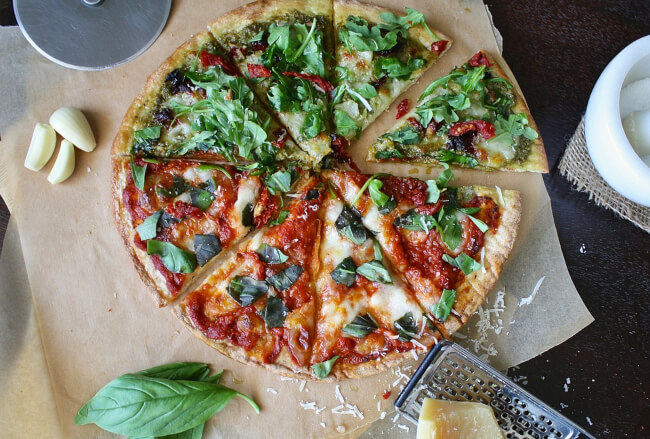
While individual cheeses offer distinct advantages, the true artistry of pizza cheese often lies in strategic blending. Combining different cheeses allows pizzaiolos to achieve a multifaceted profile that leverages the strengths of each. For instance, a blend might feature low-moisture mozzarella for its unparalleled melt and stretch, a sharp Cheddar for a tangy flavor kick, and a sprinkle of Parmesan post-bake for a burst of umami. Ricotta can be swirled in for creamy pockets, while a touch of smoked Gouda can add a sweet, smoky undertone. This approach ensures optimal melt characteristics, a balanced flavor spectrum, and desirable textural variations across the pizza. Understanding how different cheeses interact—their fat content, moisture levels, and protein structures—is crucial for crafting a truly harmonious and dynamic pizza.
Homemade Cheese: A Deeper Dive for the Enthusiast
For those passionate about cheese and pizza, the journey can extend to crafting their own cheese at home. Recipes for mozzarella, Cheddar, ricotta, Gouda, Parmesan, Chevre, and Camembert are widely available, offering an intimate connection to the ingredients. Making cheese from scratch provides unparalleled control over flavor, texture, and freshness, allowing enthusiasts to tailor their cheese precisely to their pizza preferences. It is a rewarding endeavor that deepens appreciation for the craftsmanship behind this essential pizza component.
Ultimately, the quest for the "best" cheese for pizza is a delightful and ongoing exploration. It encourages experimentation, fosters creativity, and celebrates the incredible versatility of both cheese and pizza itself. Whether adhering to traditional choices or venturing into bold, unconventional pairings, understanding the characteristics of each cheese empowers every pizza maker to craft a truly unforgettable culinary experience.


