
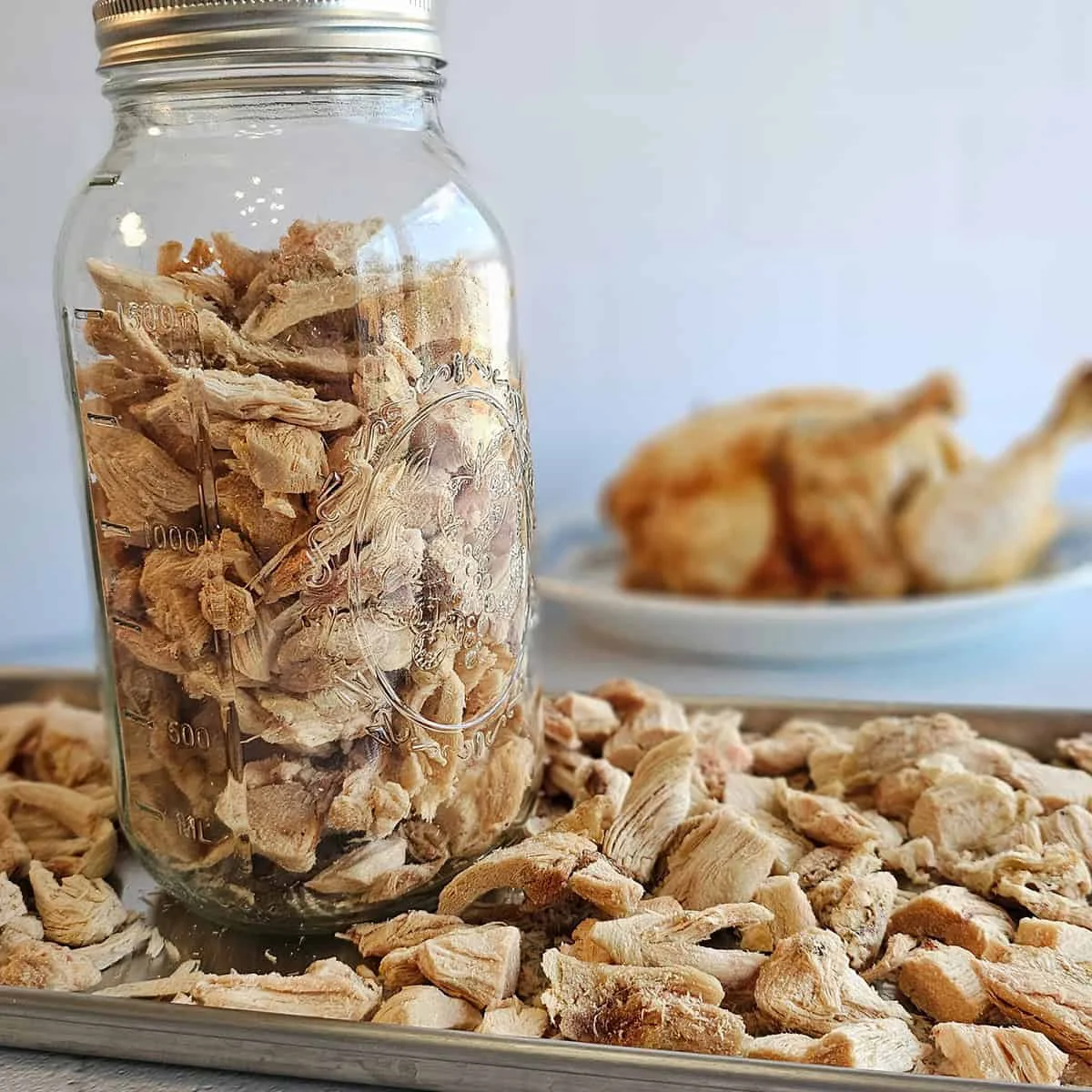
The landscape of domestic food preservation has undergone a significant transformation over the last decade, transitioning from traditional canning and dehydration to the sophisticated technology of home freeze-drying. As global supply chains face periodic volatility and the cost of living continues to rise, consumers are increasingly seeking methods to extend the shelf life of protein-rich staples. Rotisserie chicken, a ubiquitous and cost-effective product found in nearly every major grocery retail chain, has emerged as a primary candidate for this preservation method. By utilizing sublimation—the process of turning ice directly into vapor without passing through a liquid phase—homeowners can transform a perishable, fat-heavy poultry product into a shelf-stable resource that retains its nutritional profile and texture for months, and in some cases, years.
The Economic and Strategic Context of Poultry Preservation
The rotisserie chicken has long served as a "loss leader" for major retailers like Costco and Walmart, designed to draw foot traffic into stores with its low price point and high convenience. For the proactive consumer, these pre-cooked birds represent a significant opportunity for bulk food storage. Market analysts observe that the domestic freeze-dryer industry, led by manufacturers such as Harvest Right, has seen a compound annual growth rate (CAGR) as more households prioritize food security and waste reduction.
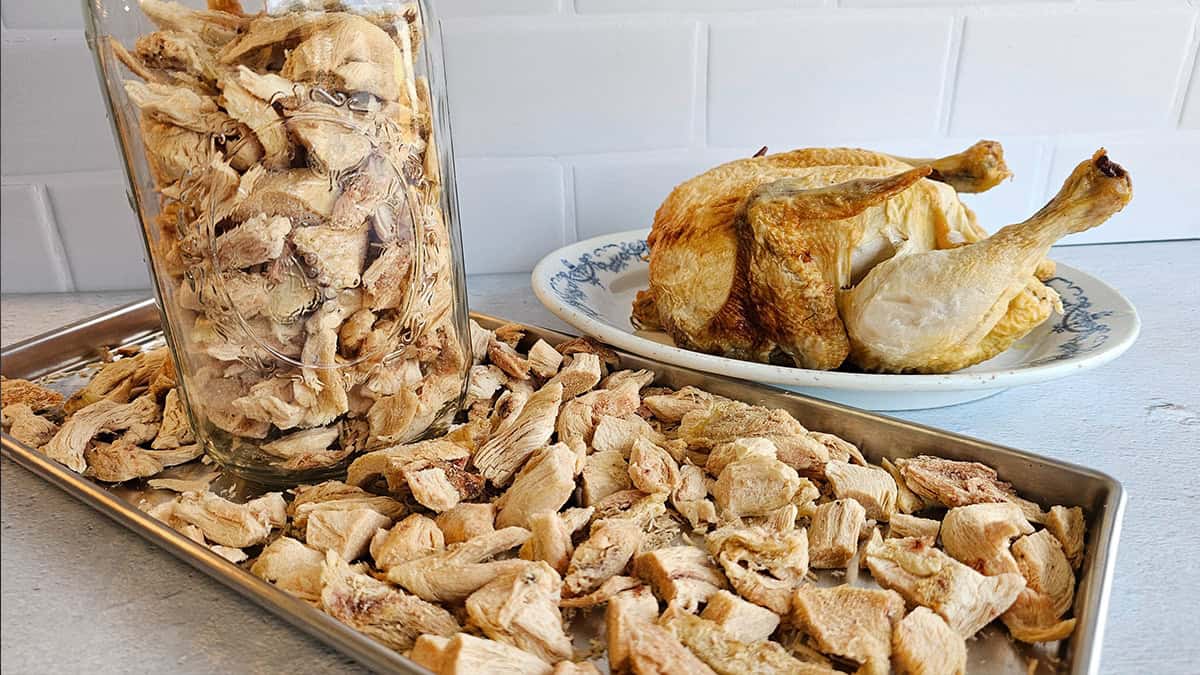
Freeze-drying rotisserie chicken is not merely a matter of convenience; it is a strategic approach to managing household resources. By purchasing these birds during clearance cycles—often occurring late in the evening or the day after the initial roasting—consumers can acquire high-quality protein at a fraction of the cost of raw poultry. Furthermore, the process allows for a "zero-waste" kitchen cycle, where the meat is preserved for future meals and the remaining carcass is utilized for bone broth, which can itself be freeze-dried into concentrated bouillon.
Technical Protocol: A Systematic Approach to Processing
The success of preserved poultry depends heavily on the precision of the preparation process. Unlike fruits or vegetables, meats contain fats and complex proteins that require specific handling to ensure safety and longevity.
Phase One: Preparation and Mechanical Separation
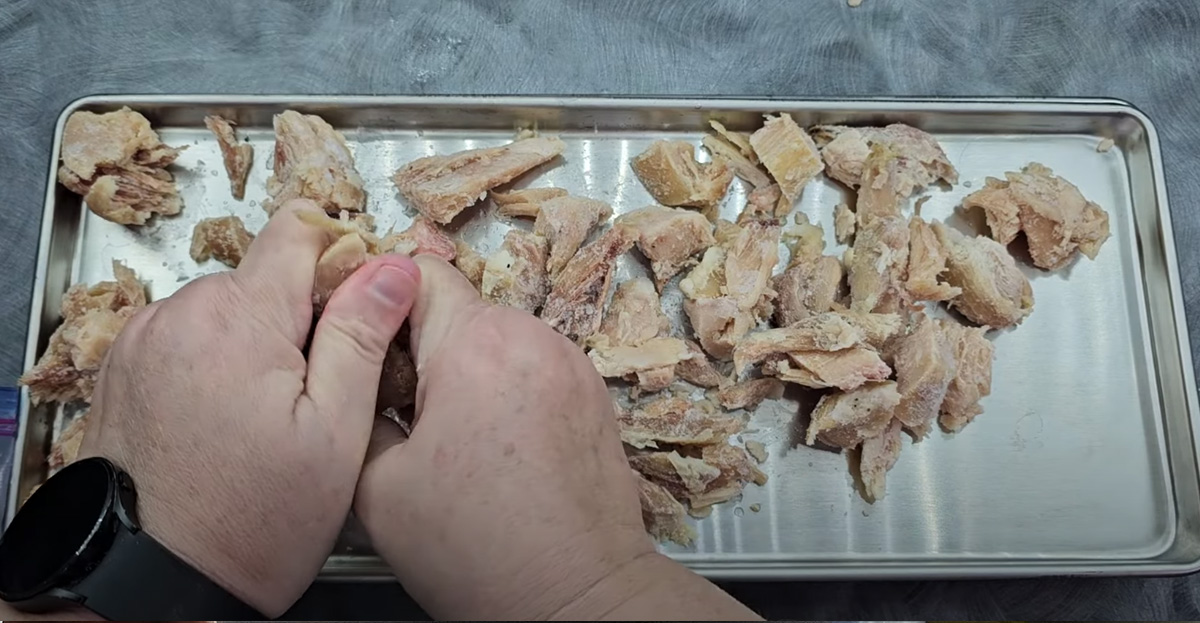
The initial stage involves the total "stripping" of the bird. Professional food preservationists emphasize the removal of all skin, visible fat, and connective tissue. While the skin is flavorful when fresh, its high lipid content is the primary enemy of the freeze-drying process. Fats do not freeze-dry; instead, they can go rancid even in an anaerobic environment, significantly shortening the shelf life of the final product.
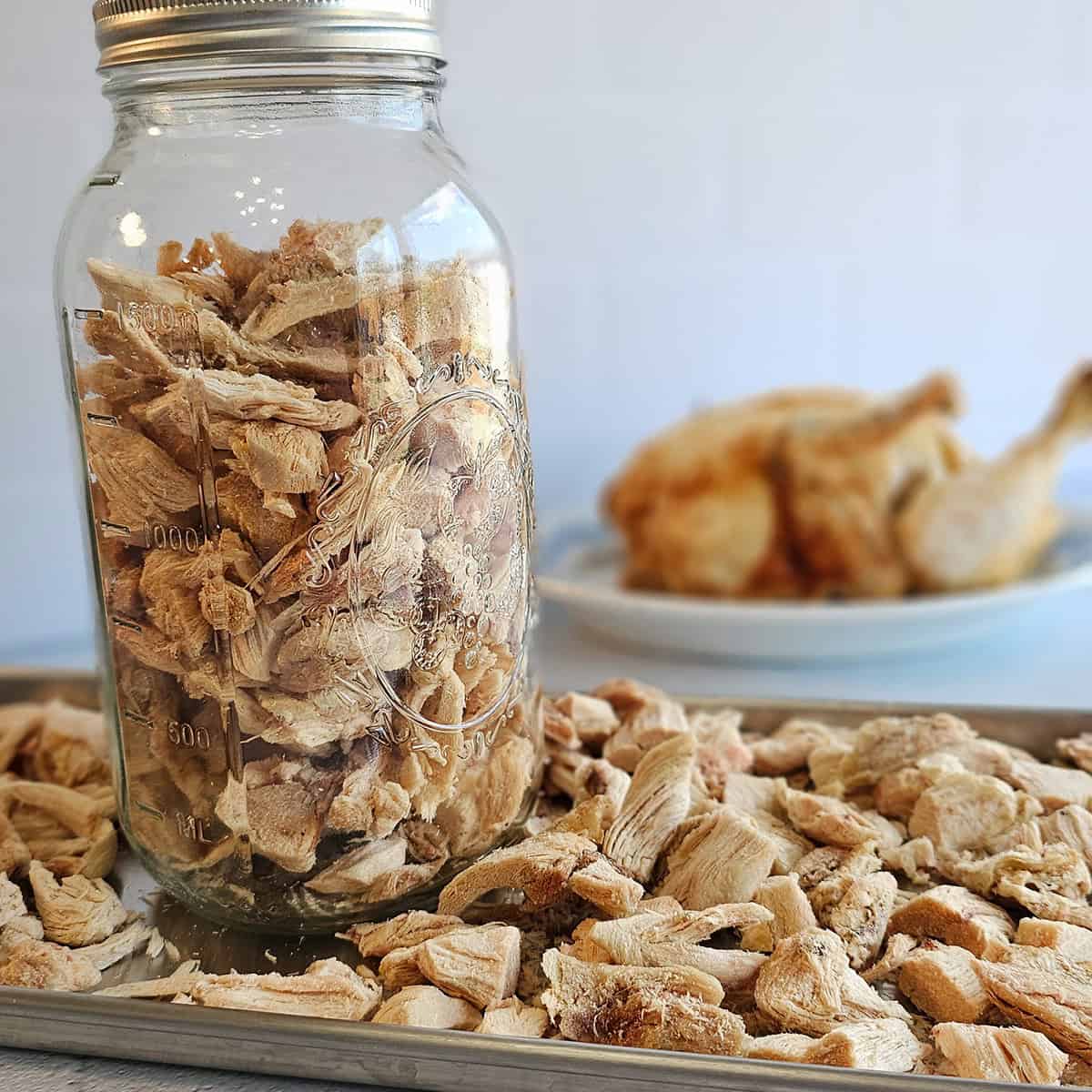
Following separation, the meat must be standardized into uniform sizes. Industrial standards suggest bite-sized pieces of approximately one inch or smaller. This uniformity ensures that the vacuum pressure in the freeze-dryer can pull moisture evenly from the center of each piece, preventing "cold spots" or "wet spots" that could lead to bacterial growth during storage.
Phase Two: The Pre-Freezing Cycle
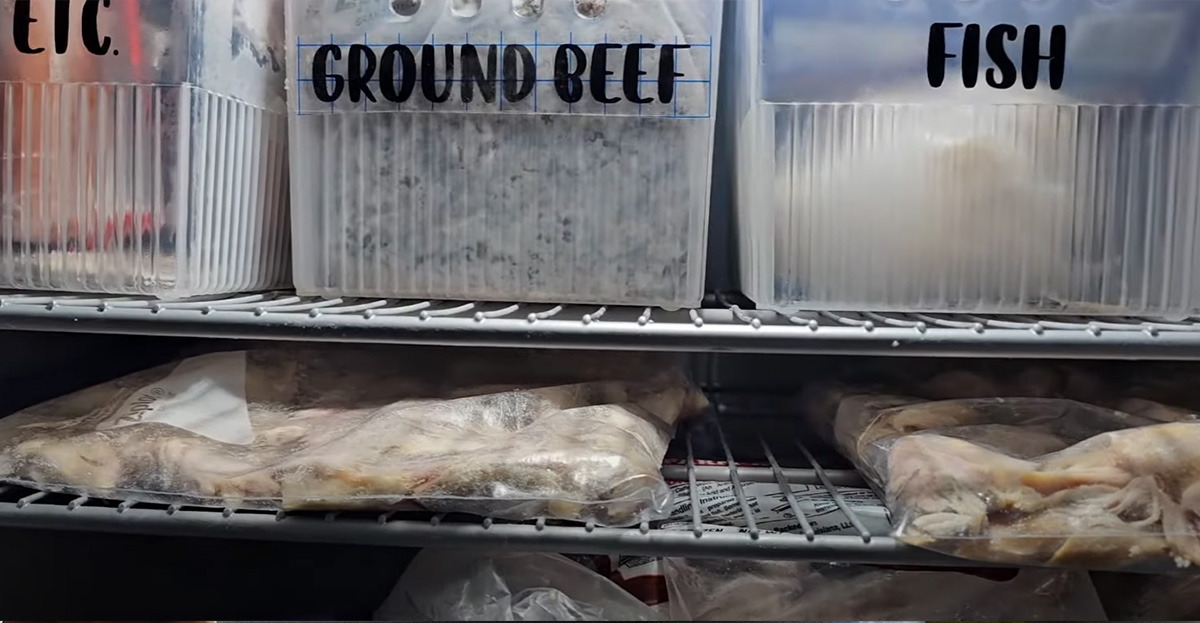
While modern freeze-dryers include a freezing phase, manual pre-freezing is a critical step for efficiency. By placing prepared chicken pieces in a deep freezer at temperatures reaching -10°F to -20°F for up to 24 hours, the user reduces the mechanical strain on the freeze-dryer’s compressor. This phase also allows for better organization; users can prep multiple batches in bags or on trays, loading the machine as soon as a previous cycle concludes.
Phase Three: Sublimation and Drying
Once the machine has reached the appropriate vacuum pressure and temperature—a process known as the "pre-cool" or "pre-freeze" cycle—the frozen chicken is introduced. The freeze-dryer then applies gentle heat to the trays while maintaining a vacuum. This causes the ice crystals within the chicken to sublime.
For poultry, an additional 24-hour "dry time" is often appended to the standard cycle. This serves as a safety margin to ensure that the internal moisture content is reduced to below 2%. Experts recommend a "look and feel" test: the chicken should be brittle, airy, and break easily without any sensation of coldness or moisture in the center.
Data-Driven Analysis of Nutritional and Storage Factors
The nutritional integrity of freeze-dried rotisserie chicken remains remarkably stable. According to nutritional estimations, a one-cup serving of rehydrated chicken provides approximately 16 grams of protein and 5 grams of fat, with a caloric value of roughly 109 kcal. Because freeze-drying does not use the high heat associated with canning, the amino acid profile and vitamin content remain largely intact.
| Nutrient | Value per 1 Cup Serving (Rehydrated) |
|---|---|
| Calories | 109 kcal |
| Protein | 16g |
| Total Fat | 5g |
| Cholesterol | 57mg |
| Sodium | 205mg |
| Carbohydrates | 0.01g |
The primary variable in the longevity of the product is the fat content. While lean vegetables can last 25 years in a Mylar bag with oxygen absorbers, rotisserie chicken—due to the inherent fats in dark meat—typically carries a reliable shelf life of six months to two years. This makes it an ideal "working pantry" item rather than a multi-decade survival food.
Storage Logistics and Atmospheric Control
Proper storage is the final defense against spoilage. Oxygen and moisture are the two primary catalysts for food degradation. To mitigate these risks, the dried chicken must be moved quickly from the freeze-dryer to airtight containers.
- Vacuum Sealing: For short-to-medium-term use (up to one year), half-gallon glass canning jars are the preferred vessel. Using a vacuum sealer to remove the air from the jar creates a stable environment for the chicken.
- Oxygen Absorbers: For those seeking a multi-year shelf life, Mylar bags paired with Oxygen Absorbers (O2 absorbers) are necessary. These packets contain iron powder which chemically binds with any residual oxygen, bringing the oxygen level in the bag down to 0.01% or less.
- Environmental Stability: Containers should be stored in a "cool, dark, and dry" location. Temperature fluctuations can cause "sweating" inside the containers if any residual moisture remains, leading to mold.
Culinary Integration and Rehydration Science
One of the distinct advantages of freeze-dried chicken over dehydrated alternatives is its rehydration ratio. Because the cellular structure of the meat remains open (the "scaffolding" left behind by the ice crystals), it absorbs water rapidly.
The rehydration process follows a 1:1 ratio by volume. If a recipe calls for one cup of fresh chicken, the cook can use one cup of freeze-dried chicken. There are two primary methods for rehydration:
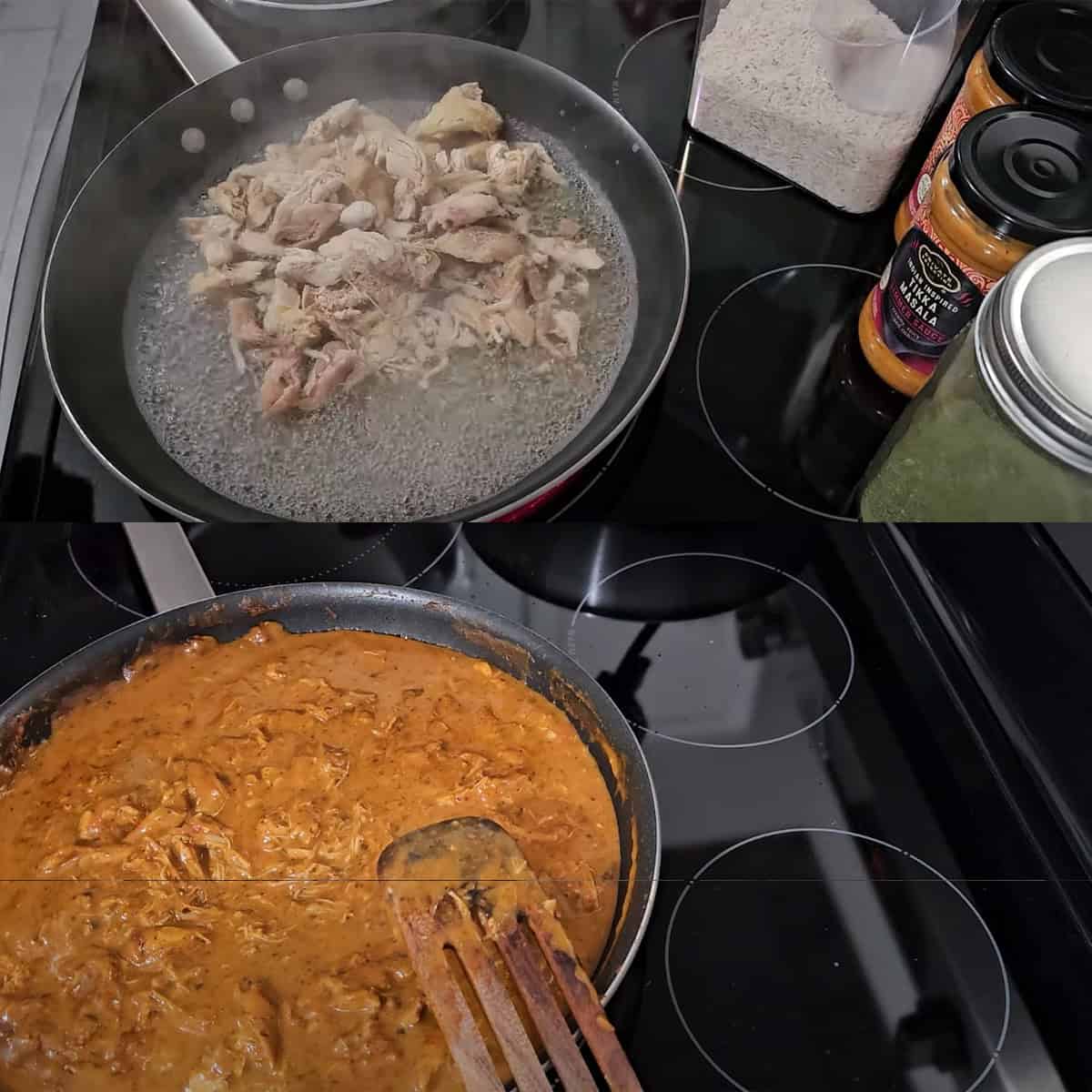
- The Simmer Method: Ideal for hot meals such as stews, curries, or pasta sauces. The chicken is added directly to the skillet with enough broth or water to cover the bottom, allowing it to simmer for three to five minutes.
- The Cold-Soak Method: Necessary for chicken salads or cold wraps. The chicken is placed in a bowl of water or broth and refrigerated for approximately 15 to 30 minutes until the texture is restored.
Broader Implications for Food Security and Waste Reduction
The practice of freeze-drying rotisserie chicken reflects a broader trend toward decentralized food systems. As consumers become more wary of "just-in-time" grocery logistics, the ability to process and store proteins at home provides a significant buffer against local food shortages or price spikes.
Furthermore, the environmental impact of this practice cannot be overlooked. By salvaging clearance-item poultry and utilizing the bones for broth, households significantly reduce their contribution to food waste. According to the USDA, nearly 30-40 percent of the food supply in the United States is wasted; home preservation technologies like the Harvest Right freeze-dryer offer a practical solution to this systemic issue.
In conclusion, while the initial investment in a freeze-dryer is substantial, the long-term benefits of preserving versatile proteins like rotisserie chicken are clear. The process combines economic savvy with scientific precision, resulting in a pantry that is not only well-stocked but also resilient. As more families adopt these methods, the rotisserie chicken is transformed from a simple dinner solution into a cornerstone of a modern, purposeful pantry.


