
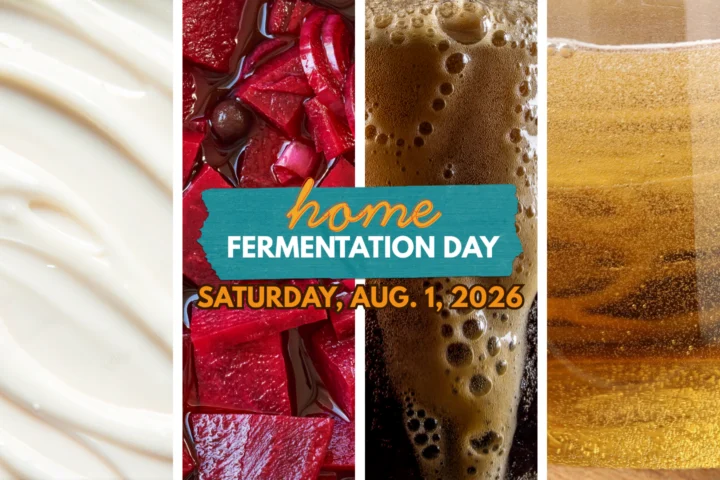
Home Fermentation Day, an annual observance dedicated to the multifaceted world of fermentation, is set to ignite enthusiasm and engagement among enthusiasts and newcomers alike. This occasion serves as a vibrant platform to acknowledge and explore the diverse array of fermented projects, extending far beyond the well-established realms of homebrewing. From the comforting familiarity of beer, mead, and cider to the intriguing frontiers of fermented foods and an ever-expanding universe of unique beverages, Home Fermentation Day aims to inspire and equip individuals with the knowledge and resources necessary to embark on their own transformative culinary and beverage-making journeys.
The American Homebrewers Association (AHA) champions this day, encouraging participants to share their fermentation endeavors. By tagging the organization on social media platforms using the handle @homebrewassoc or the hashtag #HomeFermentationDay, individuals can showcase their creations, fostering a sense of community and shared passion. This interactive element underscores the democratic and accessible nature of fermentation, inviting everyone from seasoned artisans to curious beginners to contribute to the collective celebration.
The Expanding Horizon of Fermentation
While homebrewing has long been a cornerstone of the fermentation community, Home Fermentation Day deliberately broadens the scope to encompass the rich tapestry of fermented foods. This expansion acknowledges that the principles and practices of fermentation are not confined to liquid creations. Introducing fermented foods into one’s repertoire unlocks a "whole new world of projects and experiments," providing a creative outlet that can complement and enrich the homebrewing process. This dual focus reflects a growing trend towards holistic approaches to food and beverage production, where the understanding of microbial activity is applied across a spectrum of culinary arts.
The AHA’s digital archives, accessible through their website, serve as a crucial repository of information for those seeking to delve deeper into the world of fermentation. The "Beyond Beer" category, in particular, is a testament to the association’s commitment to exploring the full potential of fermentation. This curated collection of articles offers a wealth of knowledge, providing practical guidance, historical context, and innovative ideas for a wide range of fermented projects. Exploring this archive is an invitation to move beyond traditional boundaries and discover the myriad possibilities that lie within the transformative power of fermentation.
Zymurgy Magazine: A Premier Resource
Central to the AHA’s educational mission is Zymurgy magazine, recognized as the preeminent publication dedicated to the art of homebrewing. However, its purview extends significantly beyond beer. Zymurgy regularly features in-depth explorations into diverse fermented projects, making it an indispensable resource for anyone interested in the broader spectrum of fermentation. For AHA members, access to Zymurgy is seamless, with online archives providing instant access to past issues and four new editions delivered annually.
A particularly valuable component for those looking to expand their fermentation horizons is the "You Can Ferment That" column within Zymurgy. This regular feature is specifically designed to spark inspiration and offer practical advice on a wide range of fermentation projects, including those beyond the realm of beer. By highlighting the accessibility and feasibility of various fermentation techniques, the column empowers readers to experiment with confidence, fostering a culture of continuous learning and innovation within the home fermentation community. The AHA’s dedication to providing such resources highlights their understanding that the journey of a fermenter is often one of continuous discovery and expansion.
The American Homebrewers Association: A Hub for Enthusiasts
Membership in the American Homebrewers Association provides a gateway to a wealth of exclusive resources, many of which are housed on HomebrewersAssociation.org. This online platform serves as a central hub for information, community engagement, and educational materials pertinent to home fermentation. The AHA’s commitment to its members is evident in the breadth and depth of the resources they offer, catering to both the novice and the experienced fermenter.
The AHA’s role in fostering Home Fermentation Day is not merely promotional; it is deeply rooted in their mission to advance the hobby of homebrewing and fermentation through education, advocacy, and community building. By dedicating a day to this practice, they aim to raise awareness about the benefits of fermentation, which include improved gut health, enhanced flavor profiles, and the satisfaction of creating something unique and wholesome from basic ingredients. The organization understands that a well-informed and engaged community is essential for the continued growth and evolution of the fermentation arts.
The Historical and Scientific Context of Fermentation
Fermentation, as a process, is ancient, dating back millennia. Archaeological evidence suggests that humans have been utilizing fermentation for food and beverage production since at least the Neolithic period. Early civilizations discovered that by allowing certain foods and liquids to sit under specific conditions, they would transform, developing new flavors, textures, and preservative qualities. This accidental discovery laid the groundwork for sophisticated techniques that have been passed down through generations.
Scientifically, fermentation is a metabolic process that converts sugar to acids, gases, or alcohol. It occurs in yeast and bacteria, and also in oxygen-starved muscle cells, as in the case of lactic acid fermentation. The microorganisms involved, such as Saccharomyces cerevisiae (brewer’s yeast) for beer and bread, Lactobacillus species for yogurt and sauerkraut, and various acetic acid bacteria for vinegars, are nature’s tiny alchemists. They break down complex molecules into simpler ones, creating a cascade of desirable byproducts.
The resurgence of interest in home fermentation can be attributed to several factors. A growing consumer awareness of the health benefits associated with fermented foods, such as probiotics for gut health, has fueled demand. Furthermore, a desire for greater control over ingredients, a rejection of highly processed foods, and a renewed appreciation for traditional crafts have all contributed to the modern fermentation renaissance. Home Fermentation Day taps into this zeitgeist, providing a dedicated occasion to celebrate these powerful processes.
Data and Trends in Home Fermentation
While precise global data on the scale of home fermentation is challenging to quantify, indicators suggest a significant and growing trend. The increasing availability of specialized ingredients, equipment, and educational resources points to a burgeoning market and a widening enthusiast base. Online forums, social media groups, and dedicated websites dedicated to homebrewing and fermentation have seen substantial growth in membership and activity over the past decade.
For instance, sales of homebrewing kits and starter cultures for products like kombucha and sourdough have seen consistent year-over-year increases. Specialty ingredient suppliers report a diversification of their customer base, with many now catering to those interested in ferments beyond traditional beer. This suggests that the "great beyond of fermented drinks and fermented foods" is not a niche pursuit but a rapidly expanding area of interest.
The accessibility of information has been a key driver. Online tutorials, YouTube channels, and blogs dedicated to fermentation offer step-by-step guidance, demystifying processes that might have once seemed intimidating. This democratization of knowledge empowers individuals to experiment with confidence, leading to a wider variety of home-produced fermented goods. The economic implication, though small on a macro scale, is that consumers are investing in their own production, potentially reducing reliance on commercially produced alternatives and fostering a more self-sufficient approach to food and beverage consumption.
Official Responses and Community Engagement
The American Homebrewers Association’s proactive approach to promoting Home Fermentation Day is a strategic move to engage its existing membership and attract new enthusiasts. By providing a focal point for celebration and knowledge sharing, they aim to solidify their position as a leading authority and community hub for all things fermentation. The emphasis on sharing projects via social media serves a dual purpose: it provides user-generated content that can inspire others and also acts as a de facto market research tool, offering insights into popular trends and emerging techniques within the community.
The implied reaction from the broader fermentation community is one of enthusiastic participation. Home fermenters, often passionate and eager to share their knowledge and creations, are likely to embrace an opportunity to showcase their skills and connect with like-minded individuals. This communal aspect is crucial for the sustained growth of any hobby. Sharing successes and troubleshooting challenges in a supportive environment fosters a sense of camaraderie and encourages continued exploration.
Broader Impact and Future Implications
The continued celebration of Home Fermentation Day and the broader movement towards home fermentation hold significant implications. On an individual level, it promotes a deeper understanding of food systems, encourages healthier eating habits, and fosters a sense of accomplishment and creativity. It reconnects individuals with traditional practices that have been a part of human culture for millennia.
Societally, a more engaged home fermentation community could contribute to a greater appreciation for artisanal food production and a reduced reliance on industrial food chains. It can also lead to a more resilient and self-sufficient approach to food security, particularly in local contexts. As interest grows, there may be increased demand for specialized agricultural products that support home fermentation, such as heritage grains for sourdough or specific fruit varieties for ciders and meads.
Furthermore, the educational aspect of Home Fermentation Day extends beyond practical skills. It can spark curiosity about microbiology, biochemistry, and the intricate relationships between humans and the microbial world. This can inspire future generations of scientists, chefs, and food producers to explore the vast and largely untapped potential of fermentation. The AHA’s initiative, by providing a structured platform for this exploration, is instrumental in nurturing this evolving landscape of culinary and scientific endeavor. As the understanding and practice of fermentation continue to evolve, events like Home Fermentation Day will play a crucial role in shaping its future, ensuring that this ancient art continues to thrive and innovate.


