

The Evolution of Food Preservation and the Rise of Plastic
To understand the current crisis of food waste, it is necessary to examine the chronology of food storage. For centuries, preservation relied on natural methods such as root cellars, fermentation, drying, and ice-cooled chambers. The mid-20th century marked a paradigm shift with the introduction of synthetic polymers. In 1946, the commercialization of polyethylene containers revolutionized the domestic kitchen, offering lightweight, airtight, and inexpensive solutions for leftovers.
However, the "plastic revolution" introduced unforeseen complications. While plastic was marketed as a preservation tool, modern food science reveals that many types of plastic packaging actually accelerate the decomposition of fresh produce. Plastic traps moisture and ethylene gas—a natural ripening agent emitted by many fruits—leading to premature rot and mold. Furthermore, the 21st century has seen a surge in scientific concern regarding the chemical composition of food-grade plastics. Studies have identified phthalates and bisphenols (such as BPA and BPS) as endocrine disruptors that can migrate from packaging into food, particularly when exposed to heat or long-term storage. Consequently, the movement toward plastic-free storage is driven as much by public health concerns as it is by waste reduction.
The Science of Spoilage: Why Storage Methods Fail
The premature spoilage of groceries is rarely a matter of food quality at the point of purchase; rather, it is a result of improper environmental management. Different categories of food require specific levels of humidity, gas exchange, and temperature stability.
A primary error in domestic food management is the reliance on original retail packaging. Thin plastic produce bags create a high-moisture, low-oxygen environment that facilitates the growth of anaerobic bacteria, turning leafy greens into slime within days. Conversely, certain items like potatoes and onions require high airflow to prevent sprouting and rot. When stored together, onions emit gases that cause potatoes to spoil faster, yet they are frequently marketed and stored in close proximity.
Furthermore, temperature fluctuations within the refrigerator play a decisive role in shelf life. Many consumers store highly perishable items, such as milk and eggs, in the refrigerator door. As the door is the most frequently opened part of the appliance, it experiences the highest temperature variance, significantly reducing the lifespan of dairy products.
Strategic Produce Management and Plastic Alternatives
To extend the viability of produce for weeks rather than days, experts recommend a transition toward breathable, natural materials. The following strategies represent the current best practices in sustainable food management:
High-Moisture Produce and Leafy Greens
Leafy greens, including spinach, kale, and lettuce, require a delicate balance of moisture and respiration. The use of unbleached cotton storage bags—often referred to as "swag bags"—has been scientifically shown to extend the life of greens by maintaining a damp environment without allowing the produce to sit in stagnant water. These bags, which are machine-washable and fully compostable, allow the vegetables to "breathe," preventing the slimy texture associated with plastic bags.
Ethylene Management and Separation
Understanding the distinction between ethylene producers and ethylene-sensitive produce is vital. Apples, bananas, avocados, and tomatoes should be stored away from sensitive items like broccoli, carrots, and leafy greens. For those seeking to eliminate plastic wrap, beeswax wraps—made from organic cotton infused with beeswax, plant oils, and tree resin—provide a breathable, antimicrobial seal for bowls or halved produce.
The Utility of Glass and Stainless Steel
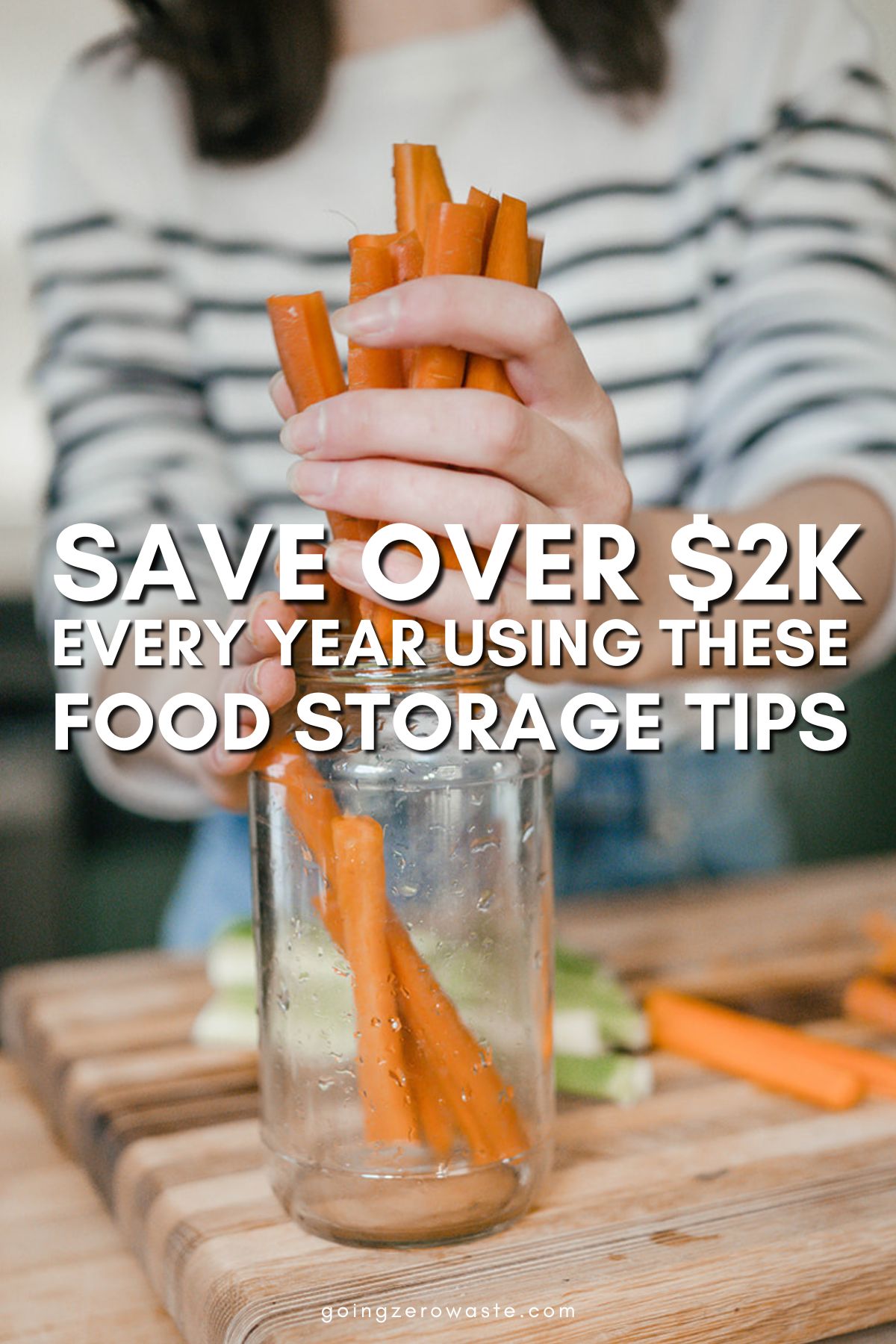
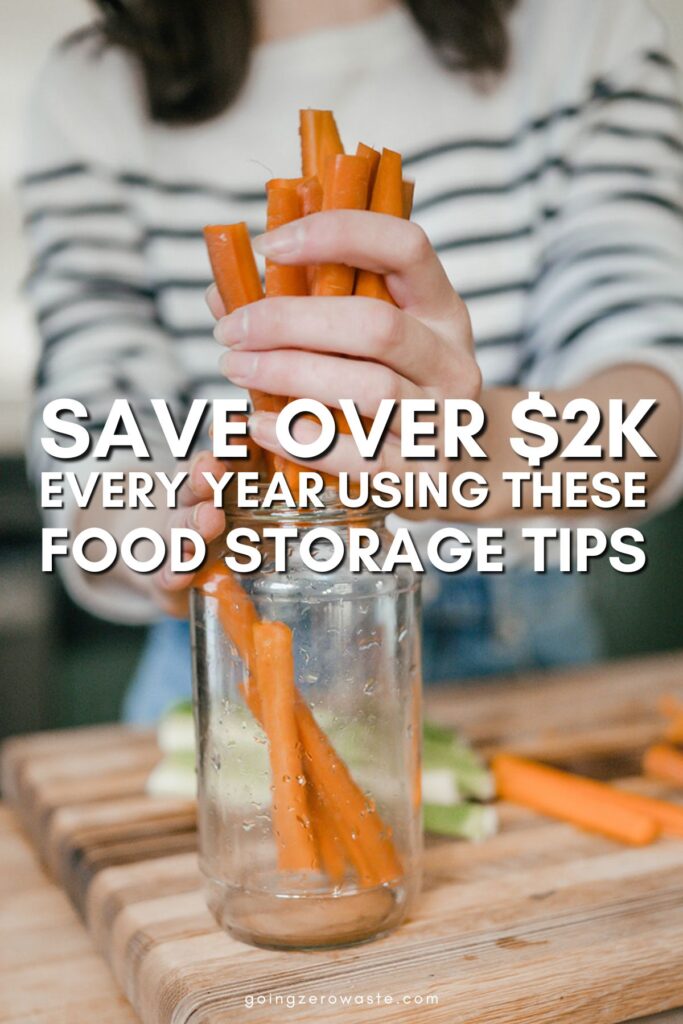
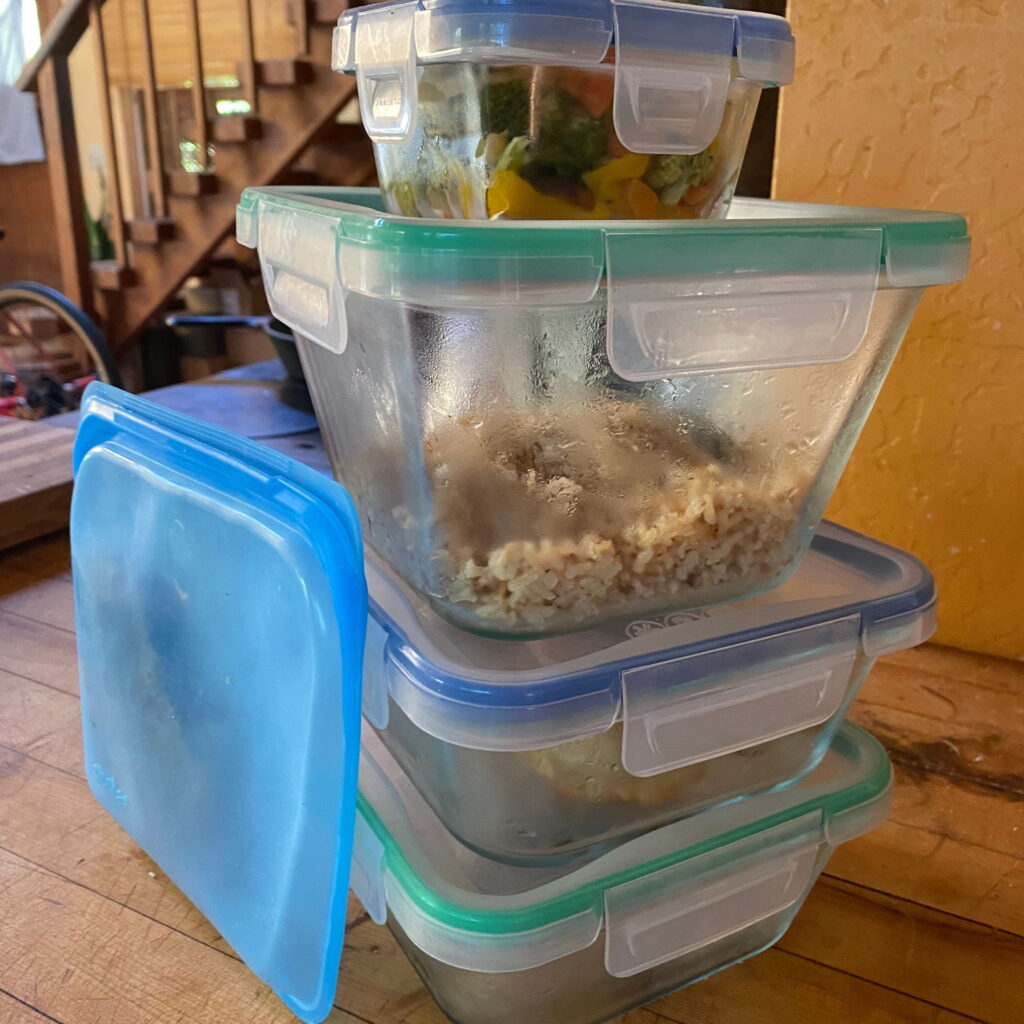
For long-term storage of dry goods and leftovers, borosilicate glass and stainless steel remain the industry standards. Glass is non-porous and chemically inert, meaning it does not absorb odors or leach chemicals into food. Upcycling glass jars from consumer goods like marinara sauce or preserves is a cost-effective method for storing herbs "bouquet-style" in the fridge, with their stems submerged in water to maintain turgidity.
For mobile food storage, such as lunches for work or school, stainless steel "tiffins" or bento boxes offer a durable, non-toxic alternative to plastic containers. High-quality metal containers are often designed with silicone gaskets to ensure a leakproof seal, combining modern convenience with traditional materials.
Engineering the Efficient Refrigerator: A Zonal Approach
Professional kitchen management relies on a systematic organization of refrigeration units, a practice that can be mirrored in the home to maximize food longevity.
- The Top Shelf: This area maintains the most consistent temperature and is furthest from the cooling elements that can cause accidental freezing. It is the ideal location for ready-to-eat foods, pre-prepared meals, and leftovers.
- The Bottom Shelf: As the coldest part of the main compartment, the bottom shelf should be reserved for raw proteins, including meat and fish, and dairy products. This placement also prevents cross-contamination, as any accidental drips from raw meat cannot fall onto other food items.
- The Crisper Drawers: Modern refrigerators typically feature adjustable humidity controls for these drawers. High-humidity settings are designed for thin-skinned vegetables and greens that wilt easily. Low-humidity settings are intended for fruits that emit ethylene gas; the vent allows the gas to escape, preventing the fruit from ripening too quickly.
- The Fridge Door: Reserved for condiments, shelf-stable juices, and sodas, the door should never be used for highly perishable items due to the constant influx of warm air.
Institutional Responses and Global Implications
The push for better food storage is gaining traction among government agencies and international organizations. The UN Sustainable Development Goal 12.3 specifically aims to halve per capita global food waste at the retail and consumer levels by 2030. In response, the USDA has developed the "FoodKeeper" application, which provides consumers with data-backed storage timelines for thousands of food items.
Retailers are also beginning to face pressure to reduce "over-packaging." In several European nations, legislation has been introduced to ban plastic packaging on various types of fruit and vegetables, forcing a shift toward the bulk-buy and reusable bag models. This systemic change highlights the growing recognition that the current model of "disposable" food management is unsustainable.
Broader Impact and Economic Analysis
The implications of mastering food storage extend beyond the individual kitchen. On a macro-economic scale, reducing food waste decreases the demand for overproduction, which in turn reduces the pressure on land use, water resources, and nitrogen-based fertilizers.
From a household perspective, the transition to high-quality, non-plastic storage solutions requires an initial investment but yields significant long-term savings. By reducing the frequency of grocery trips and eliminating the need for recurring purchases of disposable plastic bags and wraps, consumers can regain a portion of the $2,913 lost annually to spoilage.
The shift toward glass, metal, and natural fibers also addresses the "microplastic" crisis. As plastic containers degrade over time, they shed microscopic particles that enter the human body. By utilizing inert materials like glass and stainless steel, households can significantly reduce their internal exposure to these contaminants.
In conclusion, the proper storage of food is a multifaceted discipline that requires an understanding of biology, chemistry, and domestic engineering. By moving away from plastic-heavy, disorganized storage habits and adopting a zonal, material-conscious approach, consumers can protect their health, their finances, and the environment. The transition to weeks-long food freshness is not merely a convenience; it is a necessary adaptation to a world where resources are increasingly finite and the costs of waste are no longer ignorable.


