
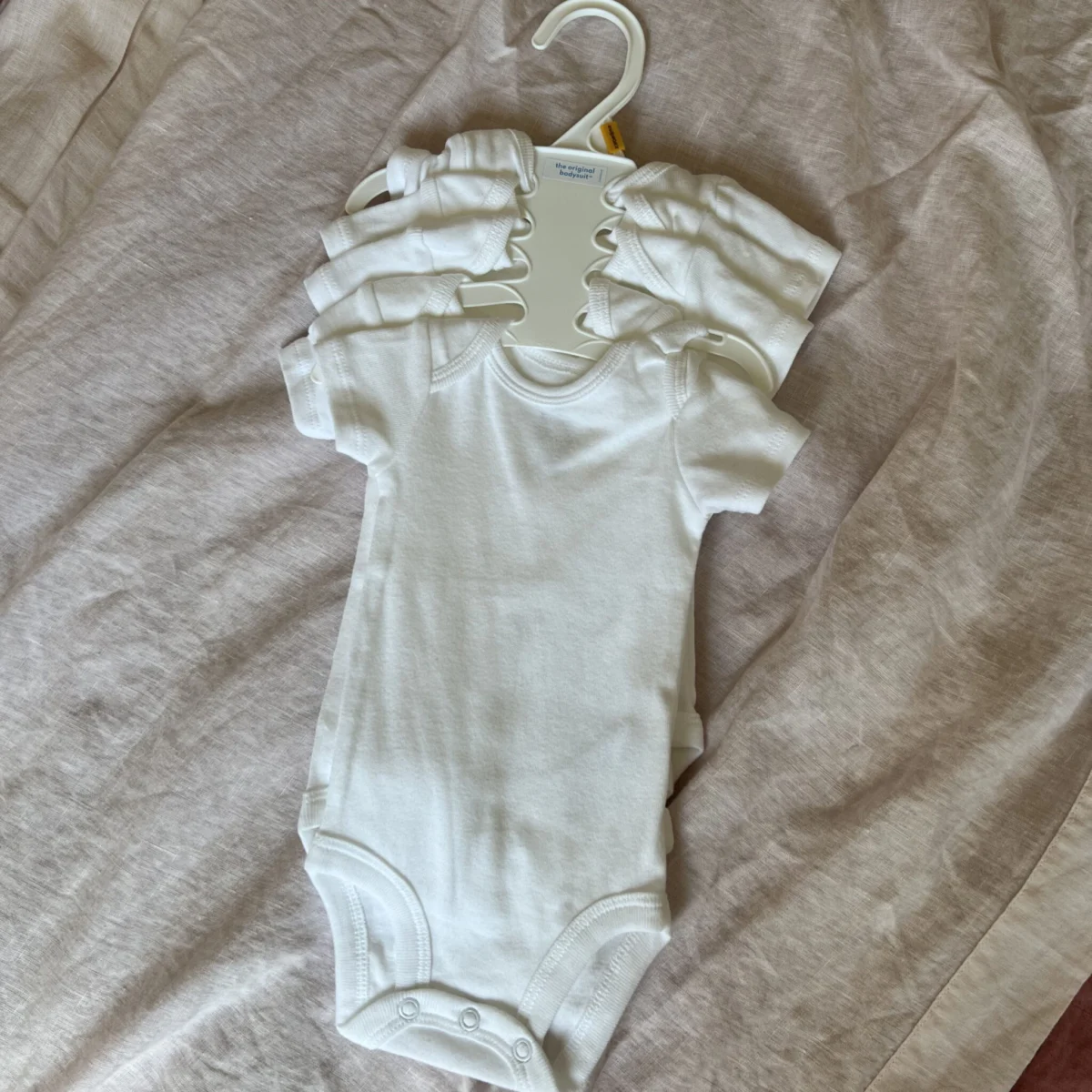
The prevalence of plastic in the multi-billion dollar infant care industry has become a focal point of concern for pediatric health experts, environmental scientists, and consumer advocacy groups. From synthetic textiles and polyurethane-filled toys to the polyethylene components of disposable diapers, plastic is the foundational material for the vast majority of modern baby products. However, growing evidence regarding the leaching of endocrine-disrupting chemicals and the shedding of microplastics has prompted a shift toward natural alternatives. This movement is driven by a necessity to protect developing biological systems that are uniquely vulnerable to chemical interference.
The Biological Vulnerability of Infants to Plastic Additives
Phthalates, a class of chemicals used primarily as plasticizers to increase the flexibility and durability of polyvinyl chloride (PVC), represent one of the most significant risks in the pediatric environment. These chemicals are not chemically bound to the plastic matrix, meaning they can easily leach out into the air, dust, or directly into the mouths of infants. Because infants engage in frequent hand-to-mouth behavior and spend a significant amount of time on floors—where phthalate-laden dust accumulates—their exposure levels are often disproportionately higher than those of adults.
According to a study published in the journal Healthcare, the exposure to phthalates in early childhood is linked to adverse effects on reproductive hormones, thyroid function, and even the development of the anogenital distance, a marker of prenatal androgen exposure. The endocrine system, which regulates everything from metabolism to brain development, relies on precise hormonal signals. Phthalates act as "endocrine disruptors," mimicking or blocking these signals, which can lead to long-term developmental and physiological consequences.
Furthermore, infants possess a higher metabolic rate and a less developed detoxification system than adults. Their skin is thinner and more permeable, and their organs are undergoing rapid stages of mitosis. Consequently, the presence of synthetic chemicals during these critical windows of development can result in epigenetic changes or permanent physiological shifts that may not manifest until later in life.
A Chronology of Synthetic Materials in Childcare
The transition from natural materials to synthetics in the childcare sector followed the broader industrial boom of the mid-20th century. To understand the current landscape, it is necessary to examine the timeline of how plastic became the standard for infant care:
- Pre-1940s: Infant care relied almost exclusively on natural materials. Diapers were made of linen or cotton bird’s-eye fabric, toys were primarily wooden or metal, and bottles were made of glass.
- 1950s–1960s: The advent of mass-produced plastics led to the introduction of the first plastic rattles and teethers. During this era, PVC became a staple due to its low cost and versatility.
- 1970s–1980s: The disposable diaper underwent a revolution with the introduction of "super-absorbent polymers" (SAP) and plastic outer shells. This period also saw the rise of polyester and nylon "easy-care" infant clothing.
- 1990s–2000s: Plastic baby bottles made of polycarbonate became the global standard. It was not until the late 2000s that concerns regarding Bisphenol A (BPA) led to widespread bans and a return to glass or BPA-free plastics.
- 2010s–Present: The discovery of microplastics and the persistence of "forever chemicals" (PFAS) and phthalates have fueled a "non-toxic" consumer movement. This era is characterized by a return to bio-based materials and increased transparency in the manufacturing supply chain.
Innovations in the Diapering Industry: A Case Study in Material Transition
Disposable diapers are among the most plastic-intensive products used in infancy, with the average child utilizing between 2,500 and 3,000 diapers in their first year alone. Traditionally, these products utilize a topsheet (the layer in direct contact with the skin) made of polypropylene or polyethylene—petroleum-derived plastics.
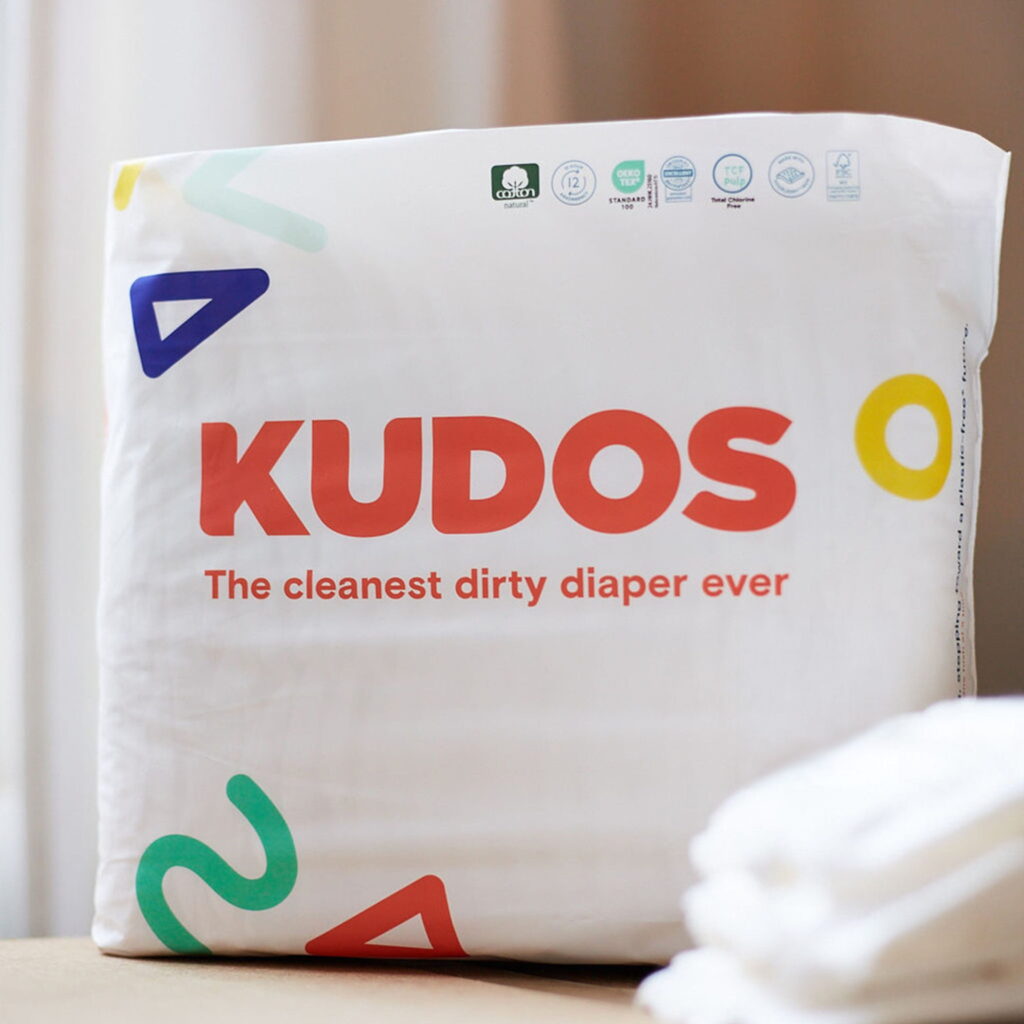
The industry has recently seen the emergence of "hybrid" or "bio-based" disposables that aim to mitigate chemical exposure while maintaining the convenience of a single-use product. A notable advancement in this sector is the development of diapers featuring 100% cotton liners. While most disposable diapers still require some plastic components for waterproofing and structural integrity, the replacement of the synthetic topsheet with natural cotton represents a significant reduction in direct skin-to-plastic contact.

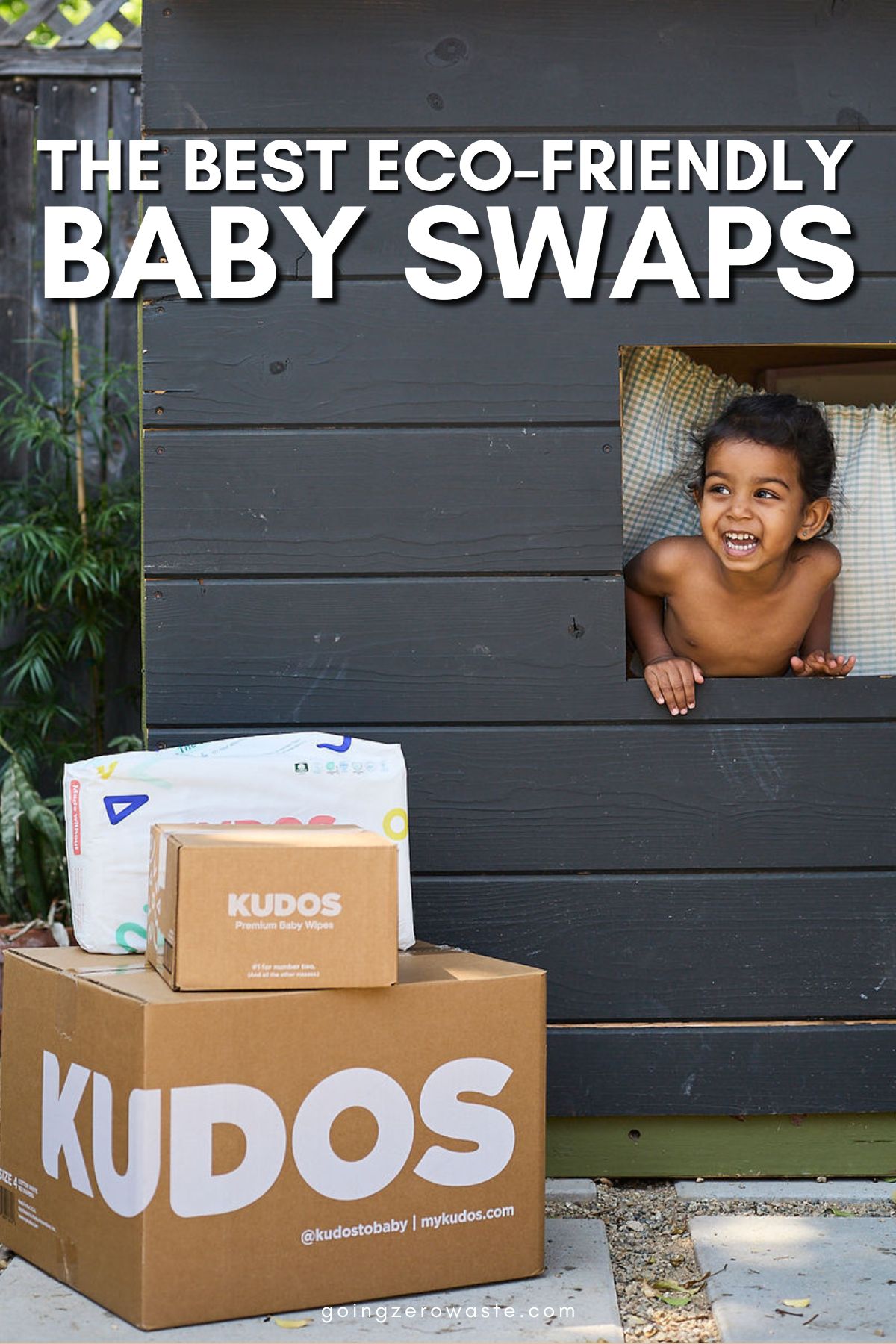
Cotton used in these high-performance diapers is often processed without water, process heat, or harsh chemicals, ensuring the material remains hypoallergenic and breathable. Market leaders in this niche, such as the brand Kudos, have also pursued rigorous third-party certifications to validate their safety claims. These include the OEKO-TEX Standard 100, which tests for over 100 harmful substances, and the "Totally Chlorine Free" (TCF) designation. TCF is a critical distinction in the industry; unlike "Elemental Chlorine Free" (ECF), which may still produce trace dioxins, TCF bleaching processes utilize oxygen, peroxide, or ozone, eliminating the risk of chlorine-based toxic byproducts.
The Microplastic Crisis in Infant Nutrition
One of the most pressing concerns in pediatric health is the ingestion of microplastics through feeding equipment. A landmark study published in Nature Food revealed that plastic baby bottles made of polypropylene can release millions of microplastic particles per liter when exposed to high temperatures during sterilization and formula preparation.
The study estimated that the average bottle-fed infant could be consuming upwards of 1.5 million microplastic particles daily. The mechanism of release is primarily thermal and mechanical stress; heating the bottle or vigorously shaking it to mix formula accelerates the degradation of the plastic surface.
To mitigate this, health experts recommend several procedural changes:
- Material Substitution: Utilizing glass or high-grade stainless steel bottles, which do not shed microplastics.
- Temperature Management: If using plastic bottles, formula or breastmilk should be heated in a non-plastic container and transferred to the bottle only after it has reached a safe feeding temperature.
- Avoidance of Microwaves: Microwaving plastic containers creates localized "hot spots" that can trigger significant plastic degradation and chemical leaching.
Environmental and Structural Solutions in the Home
Beyond diapers and bottles, the domestic environment offers numerous opportunities for reducing plastic load. Synthetic textiles, such as polyester fleece and rayon blends, are essentially woven plastics that shed microfibers into the air and water.
Textile Alternatives:
The transition to natural fibers like organic cotton, hemp, and wool is recommended for clothing, bedding, and floor coverings. Certifications such as the Global Organic Textile Standard (GOTS) provide a framework for consumers to identify products that are free from toxic dyes and finishes. Experts also suggest that for families unable to fully transition to natural fibers, washing synthetic clothes with gentle, fragrance-free detergents and air-drying can reduce the rate of fiber breakdown.
Toy Safety and Development:
The "mouth-centric" stage of infant development makes the chemical composition of toys a primary health concern. While the Consumer Product Safety Improvement Act (CPSIA) in the United States has restricted the use of certain phthalates in toys, many older or imported toys may still contain these substances. Opting for toys made from solid wood (with water-based finishes), natural rubber, or organic cotton plushies is an effective strategy for minimizing oral exposure to plasticizers.
Homemade Nutrition:
The commercial baby food industry often utilizes plastic pouches and lined cans. By preparing homemade purees using fresh produce and storing them in glass jars or food-grade silicone molds, parents can bypass the chemical migration that often occurs during the high-heat processing of packaged foods.

Broader Implications and Public Health Outlook
The move toward a plastic-reduced infancy is not merely a consumer trend but a public health imperative. The cumulative "body burden" of synthetic chemicals is a growing field of study, with researchers investigating the links between early-life plastic exposure and the rising rates of asthma, allergies, and neurodevelopmental disorders.
From an environmental perspective, the impact is equally profound. Disposable diapers alone contribute approximately 3.4 million tons of waste to U.S. landfills annually, where they can take up to 500 years to decompose. The shift toward bio-based materials and circular economy models in the infant care sector is essential for reducing the carbon footprint of the next generation.
While it is currently impossible to eliminate plastic entirely from the modern world, the adoption of a "precautionary principle"—choosing natural materials whenever feasible—offers a pathway to reducing the chemical load on developing children. As regulatory bodies like the European Chemicals Agency (ECHA) and the U.S. Environmental Protection Agency (EPA) continue to scrutinize the safety of plastic additives, the burden of safety currently rests on informed consumer choice and industry innovation.
The integration of natural materials into high-performance products, such as TCF-bleached cotton diapers and glass feeding systems, demonstrates that convenience does not have to come at the cost of biological integrity. By prioritizing materials that respect the delicate physiology of the infant, the childcare industry can move toward a future that is both safer for the child and more sustainable for the planet.


