
The process of nixtamalization, a sophisticated method for preparing corn, has been recently underscored by enthusiasts, highlighting its profound historical, cultural, and nutritional significance. This ancient technique, central to Mesoamerican civilizations for millennia, transforms raw corn into masa, a versatile dough that forms the foundation of countless dishes, from tortillas to tamales, and significantly enhances the grain’s bioavailability of essential nutrients.
The Ancient Art of Nixtamalization: A Historical Perspective
The origins of nixtamalization trace back to Mesoamerica, with archaeological evidence suggesting its practice as early as 1500-1200 BCE by the Olmec civilization. This sophisticated food processing method predates many modern nutritional discoveries and was independently developed by various indigenous cultures across the region, including the Maya, Aztec, and Zapotec. For these civilizations, corn (maize) was not merely a food source but a sacred crop, deeply interwoven with their cosmology, mythology, and daily life. Nixtamalization was the technological innovation that made extensive corn-based diets sustainable and healthy.
The term "nixtamalization" itself is derived from the Nahuatl word "nixtamalli," meaning "nixtamal," the processed corn. The method involves cooking dried corn kernels in an alkaline solution, typically water mixed with slaked lime (calcium hydroxide) or wood ash, followed by steeping and rinsing. This process softens the kernels, loosens the hull, and initiates a series of chemical changes crucial for both culinary utility and nutritional enhancement. Without nixtamalization, corn-dependent societies would have faced severe dietary deficiencies, particularly pellagra, a disease caused by niacin deficiency, which plagued populations in Europe and parts of the United States when corn was adopted without this traditional preparation method.
The Science Behind the Transformation: Unlocking Nutritional Power
The scientific underpinnings of nixtamalization are remarkable. During the cooking and steeping phases, several transformative chemical reactions occur. The alkaline environment causes the corn kernels to hydrate and absorb calcium or potassium from the cooking liquid. This dramatically increases the calcium content of the corn, often by five to seven times, making masa a significant dietary source of this vital mineral. The starches within the corn swell and gelatinize, contributing to the dough’s characteristic texture and pliability, which is essential for forming tortillas and other masa-based products without tearing.
Crucially, nixtamalization alters the corn’s protein matrix, releasing bound niacin (Vitamin B3) and making it readily assimilable by the human body. In unprocessed corn, niacin exists primarily in a bound form (niacytin), making it largely unavailable for digestion and absorption. The alkaline treatment breaks these bonds, increasing niacin bioavailability by an estimated 20 to 30 times. This chemical liberation of niacin was a public health triumph millennia before the concept of vitamins was understood, effectively preventing pellagra in Mesoamerican populations. Furthermore, the process improves the digestibility of other proteins and nutrients, and enhances the balance of amino acids, particularly lysine, making corn a more complete protein source. The resulting nixtamal is then traditionally dried and ground into masa harina, or freshly ground into masa dough.
Masa: The Culinary Foundation of Mexican and Mesoamerican Cuisine
Masa is far more than just processed corn flour; it is the culinary soul of Mexico and much of Central America. Its unique texture and flavor profile are indispensable for authentic regional dishes. The versatility of masa allows for an astonishing array of culinary creations, each deeply embedded in cultural tradition. The most iconic application is the tortilla, a thin, flatbread that serves as a staple accompaniment to almost every meal, functioning as a plate, utensil, and integral component of dishes like tacos, enchiladas, and quesadillas. It is estimated that the average Mexican person consumes around 300 grams of tortillas daily, underscoring its central role in the national diet.
Beyond tortillas, masa is the primary ingredient for tamales, savory or sweet fillings steamed in corn husks or banana leaves; sopes and gorditas, thick masa patties topped with various ingredients; pupusas, stuffed masa tortillas from El Salvador; and atole, a warm, thick corn-based beverage. It also contributes to the richness of stews like pozole. The distinct fresh corn flavor achieved through nixtamalization is paramount, offering a depth and earthiness that cannot be replicated by simple corn flour. The economic significance of masa production and tortilla consumption is immense, supporting millions of farmers, millers, and street vendors across the region and forming a multi-billion dollar industry globally.
The Craft of Tortilla Making: From Grain to Table
The process of transforming masa harina into fresh tortillas is a cherished culinary tradition, often passed down through generations. While industrial production exists, many home cooks and artisans prefer to make tortillas from scratch to achieve superior flavor and texture. The basic recipe involves combining masa harina with warm water and a pinch of salt to form a pliable dough. The dough is then divided into small balls, which are flattened into thin, round disks using a tortilla press.
The choice of tortilla press is crucial for optimal results. Traditional presses are often crafted from solid wood or sturdy cast iron, materials that provide the necessary weight and even pressure distribution to create uniformly thin tortillas. Presses made from aluminum, while lighter, are often less durable and may not achieve the desired thinness and consistency. The author’s personal experience with a well-built, hefty wooden press inherited from a housemate’s "abuela" (grandma) highlights the enduring quality and effectiveness of traditional tools. Once pressed, the tortillas are cooked on a hot comal (griddle) until lightly browned and puffed, indicating perfect doneness. The freshness of homemade tortillas, with their distinct corn aroma and tender chew, is a culinary experience unmatched by packaged alternatives.
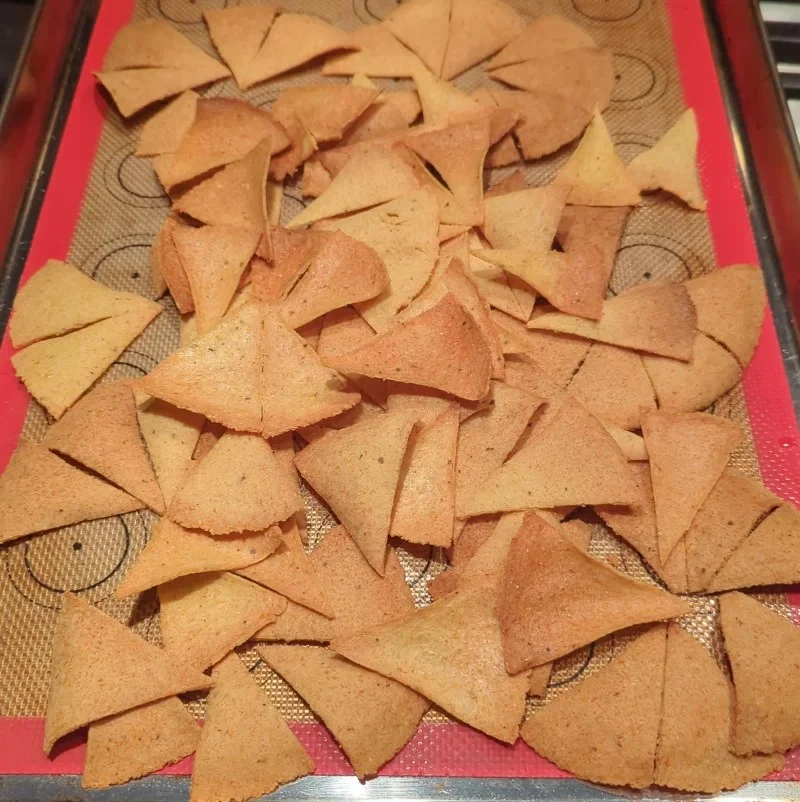
This same versatile masa dough can also be repurposed to create homemade tortilla chips. By cutting fresh tortillas into wedges and frying or baking them until crispy, one can produce a snack that boasts an authentic corn flavor, far superior to many mass-produced varieties. This dual utility underscores the efficiency and adaptability inherent in masa-based cooking.
Global Recognition and Modern Relevance
In recent decades, the ancient practice of nixtamalization and the use of masa have gained increasing recognition beyond their traditional geographical boundaries. Culinary professionals worldwide are embracing masa for its superior flavor and texture, incorporating it into innovative dishes and authentic recreations of Mexican cuisine. Health-conscious consumers are also drawn to masa due to its enhanced nutritional profile, seeking out masa harina as a healthier alternative to standard corn flour.
This global interest extends to academic research, with food scientists continuing to explore the intricate chemical and nutritional benefits of nixtamalization. The process serves as a powerful example of indigenous knowledge systems providing sustainable and nutritionally complete food solutions. It also resonates with movements advocating for traditional foodways and indigenous food sovereignty, recognizing the importance of preserving ancestral methods for cultural identity and public health. The distinction between nixtamalized masa harina and non-nixtamalized corn flour is a critical one for consumers, as only the former offers the full nutritional advantages.
Statements and Expert Perspectives
Food historians consistently laud nixtamalization as a profound human achievement. Dr. Sofia Ramirez, a prominent food historian specializing in Mesoamerican diets, states, "Nixtamalization represents one of humanity’s most ingenious culinary and nutritional discoveries, transforming a staple crop into a powerhouse of sustenance that allowed great civilizations to flourish." This perspective underscores the process’s role not just in diet, but in the very fabric of societal development.
From a nutritional standpoint, the benefits are equally compelling. Dr. Alan Chen, a nutritionist focused on traditional food systems, comments, "The process is a masterclass in ancient food science, addressing nutrient deficiencies long before modern chemistry provided the answers. Its impact on preventing pellagra alone is monumental." This highlights the foresight embedded in indigenous food practices.
Chefs also attest to the unparalleled quality of masa. Chef Elena Rodriguez, known for her authentic Mexican restaurants, affirms, "The depth of flavor and superior texture masa offers is unparalleled; it’s the soul of authentic Mexican cuisine. There’s no substitute for the fresh, earthy taste and pliable texture that only nixtamalized corn can provide."
The recent discovery of masa by individuals, such as the founder of Fermenters Club, Austin Durant, reflects a broader trend of rediscovering and appreciating traditional food preparation methods. Durant’s journey, rooted in 16 years of fermenting experience and his publication of "Fearless Fermenting," aligns with a growing public interest in understanding the origins and benefits of our food. His exploration of masa is a testament to the enduring relevance of these ancient techniques in modern culinary and health pursuits.
The Broader Implications: Food Security and Cultural Preservation
The continued practice and appreciation of nixtamalization carry significant broader implications. In an era concerned with sustainable food systems and food security, nixtamalization offers a model of how traditional knowledge can maximize the nutritional value of staple crops. It underscores the importance of preserving cultural food heritage, not merely as a nostalgic endeavor, but as a practical strategy for public health and economic resilience.
The challenges include ensuring access to quality masa harina and educating consumers about its unique benefits. Opportunities lie in promoting home-based masa production, supporting small-scale nixtamalization operations, and integrating this ancient wisdom into modern dietary guidelines. By understanding and valuing nixtamalization, societies can better appreciate the complex interplay between food, culture, and human well-being, ensuring that this ingenious process continues to nourish and sustain future generations.
In conclusion, nixtamalization is far more than a simple cooking technique; it is a profound testament to human ingenuity, a cornerstone of cultural identity, and a vital contributor to nutritional health. Its rediscovery and renewed appreciation in contemporary society underscore its timeless relevance and enduring legacy in the global culinary landscape.


