

The human skin serves as the primary physiological barrier against external pathogens, environmental pollutants, and ultraviolet radiation. As the body’s largest organ, its permeability allows for the absorption of various substances, which has led to increasing scrutiny regarding the chemical composition of topical skincare products. Recent market shifts and scientific inquiries suggest that conventional lotions, often containing complex synthetic compounds, may pose long-term health and environmental risks. This analysis explores the transition toward non-toxic skincare, the regulatory landscape governing cosmetic ingredients, and the top-tier brands currently leading the industry in safety and sustainability.
The Scientific Context of Dermal Absorption and Chemical Exposure
Topical application is a significant route of exposure for environmental chemicals. While the stratum corneum, the outermost layer of the skin, is designed to keep foreign substances out, many modern cosmetic formulations utilize penetration enhancers to ensure active ingredients reach deeper layers. Consequently, non-target chemicals—such as preservatives and stabilizers—can also enter the bloodstream.
A growing body of research has linked certain common lotion ingredients to endocrine disruption and allergic sensitization. For instance, phthalates and parabens have been identified in human tissue samples, prompting a demand for more transparent labeling and cleaner formulations. According to data from the Environmental Working Group (EWG), the average woman uses 12 personal care products a day, exposing herself to an average of 168 unique chemicals. This cumulative exposure, known as the "body burden," is the driving force behind the non-toxic beauty movement.
Chronology of Cosmetic Regulation and the Shift Toward Transparency
The regulatory framework for cosmetics has undergone significant changes over the last century, though many advocates argue that progress remains slow.
- The Federal Food, Drug, and Cosmetic Act (1938): For decades, this served as the primary legislation in the United States, granting the FDA limited authority over cosmetic safety. Unlike pharmaceuticals, cosmetic ingredients (except for color additives) did not require FDA approval before hitting the market.
- The European Union Lead (2003–Present): The EU has been significantly more proactive, banning or restricting over 1,600 chemicals in cosmetics. This created a global dichotomy where products sold in Europe often featured safer formulations than those sold under the same brand name in the United States.
- The Modernization of Cosmetics Regulation Act of 2022 (MoCRA): This marked the first major expansion of the FDA’s authority over cosmetics since 1938. MoCRA introduced mandatory facility registration, serious adverse event reporting, and gave the FDA the power to mandate product recalls.
- The Rise of Third-Party Certifications (2010s–Present): In the absence of strict federal "non-toxic" definitions, organizations like the EWG, MADE SAFE, and B Corp have established independent standards. These certifications provide consumers with verified data regarding ingredient safety and ethical manufacturing.
Critical Ingredients Under Investigation
To understand the necessity of non-toxic lotions, one must examine the specific chemicals that dermatologists and environmental scientists frequently flag.
Parabens and Endocrine Disruption
Used as preservatives to prevent the growth of mold and bacteria, parabens (such as methylparaben and propylparaben) are known xenoestrogens. This means they can mimic the hormone estrogen in the body. Studies have suggested a potential link between paraben exposure and reproductive toxicity, leading many "clean" brands to switch to safer alternatives like sodium benzoate or potassium sorbate.
Synthetic Fragrance and the Labeling Loophole
Under current trade secret laws, companies are not required to disclose the specific components of "fragrance" or "parfum." A single "fragrance" listing can hide dozens of undisclosed chemicals, including phthalates, which are often used to make scents last longer. These compounds are frequent triggers for contact dermatitis and respiratory issues.
Mineral Oil and Petroleum Derivatives
Mineral oil is a byproduct of refining crude oil. While generally considered "safe" by the FDA for topical use, it acts as an occlusive layer that can clog pores and interfere with the skin’s natural ability to eliminate toxins. Furthermore, if not properly refined, petroleum products can be contaminated with polycyclic aromatic hydrocarbons (PAHs), which are classified as potential carcinogens.

Leading Non-Toxic Lotion Brands: A Comparative Analysis
The following brands have been identified based on their commitment to ingredient purity, third-party verification, and sustainable packaging.
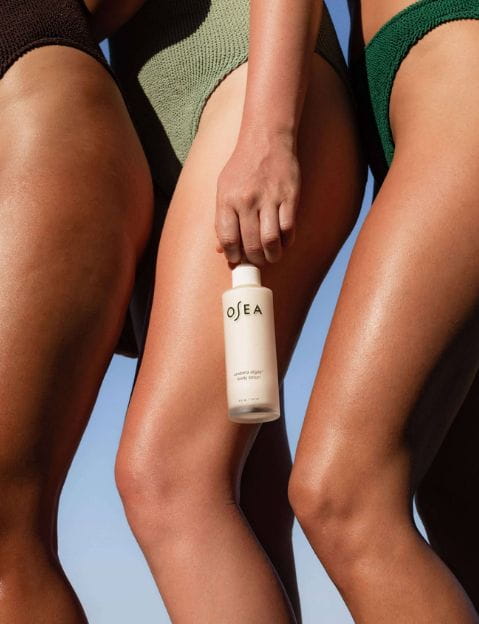
1. Osea
Based in California, Osea has been a pioneer in seaweed-based skincare for over 25 years. Their formulations focus on bioavailable minerals and nutrients derived from organic algae. Osea was the first company to sign the Compact for Global Production of Safe Health and Beauty Products, signaling an early commitment to eliminating known toxins. Their products are packaged primarily in glass to reduce plastic leaching.
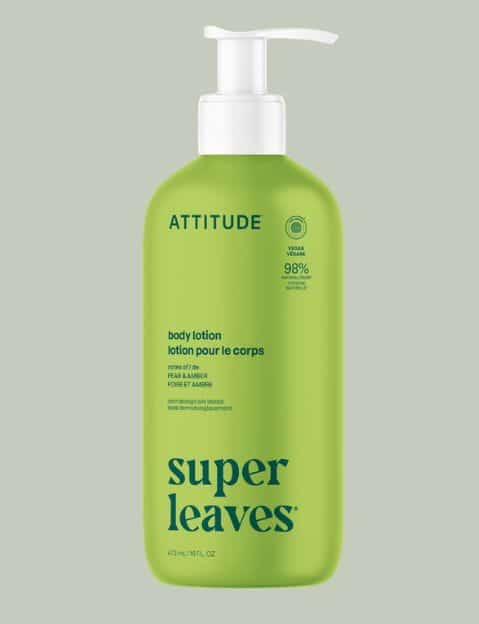
2. Attitude
Attitude focuses on "Living Consciously" by utilizing ingredients that are EWG Verified. This means their lotions are free from the EWG’s chemicals of concern and meet strict transparency requirements. Notably, Attitude has introduced plastic-free leaves bars and bulk refill options, addressing the environmental impact of skincare packaging alongside chemical safety.
3. Ecoroots
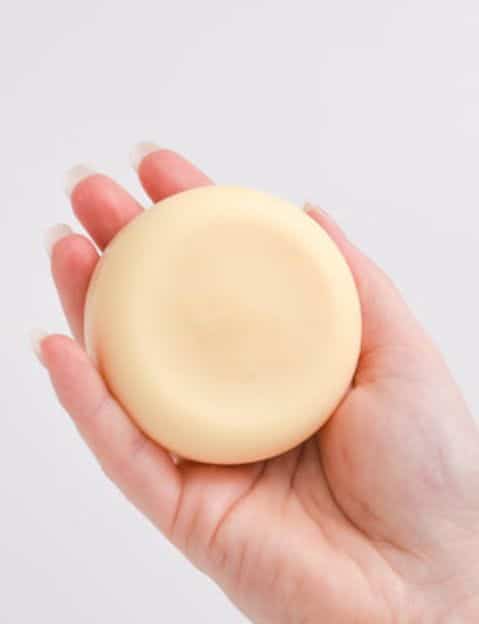
Ecoroots targets the "zero-waste" consumer segment. Their lotions are often formulated in solid bar form or packaged in glass jars with metal lids. By removing water from the formulation (in the case of lotion bars), they eliminate the need for synthetic preservatives and reduce the carbon footprint associated with shipping heavy, water-based liquids.
4. Public Goods
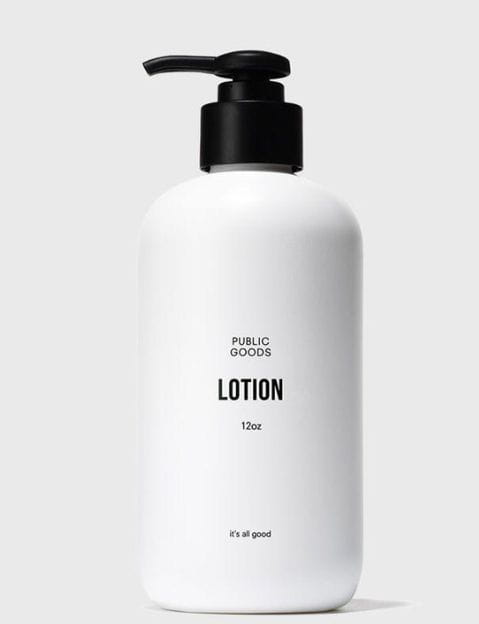
This brand utilizes a minimalist approach, focusing on essential, plant-based ingredients. Public Goods emphasizes a transparent supply chain and uses bioplastics derived from sugarcane for their bottles. Their lotions are free from parabens, synthetic fragrances, and sodium lauryl sulfates, appealing to consumers seeking a budget-friendly entry point into non-toxic living.
5. Plaine Products
Plaine Products operates on a circular economy model. Their lotions are housed in aluminum bottles that consumers can return to the company for cleaning and refilling. This "closed-loop" system effectively eliminates single-use plastic waste. Their ingredients are vegan, non-GMO, and biodegradable, ensuring that the product is safe for both the user and the water systems it enters after washing.
6. The Good Fill
The Good Fill focuses on the "refill revolution" by offering bulk quantities of unscented and naturally scented lotions. This allows consumers to reuse existing containers indefinitely. Their formulations prioritize simplicity, often using base oils like jojoba and shea butter, which closely mimic the skin’s natural sebum.
7. Meow Meow Tweet
This B Corp-certified brand is known for its small-batch, vegan formulations. Meow Meow Tweet uses compostable packaging and glass for its lotions. Their "Aloe Rose" and other plant-based formulations avoid synthetic stabilizers and rely on the natural preservative properties of plant extracts and essential oils.
8. Upcircle
Upcircle represents the "upcycled beauty" movement. They incorporate ingredients that would otherwise go to waste, such as discarded coffee grounds or fruit stones, which are rich in antioxidants. Their body lotions are dermatologically approved and packaged in glass with aluminum caps, emphasizing a holistic approach to "clean" beauty that includes resource conservation.
Environmental and Public Health Implications
The transition to non-toxic lotions is not merely a matter of personal health; it is a significant environmental imperative. Conventional skincare products contribute to the "chemical soup" found in municipal wastewater. Ingredients like oxybenzone and certain synthetic musks are difficult for treatment plants to filter, eventually ending up in oceans and rivers where they can damage coral reefs and aquatic life.
Furthermore, the issue of microplastics has gained international attention. Many lotions contain "liquid plastics" or carbomers used as thickeners. When these products are washed off, they contribute to the global microplastic crisis. Research published in the journal Environmental Science & Technology has highlighted that microplastics are now present in human blood and lung tissue, with personal care products being a notable source of secondary microplastic pollution.
Industry Perspectives and Future Outlook
Industry analysts suggest that the "clean beauty" market is expected to reach a valuation of approximately $15.3 billion by 2028. This growth is driven by a demographic shift toward younger, more health-conscious consumers who prioritize brand ethics over traditional marketing.
Dermatologists are also increasingly recommending fragrance-free and paraben-free options for patients with sensitive skin or compromised barriers. "We are seeing a rise in ‘cosmetic intolerance syndrome,’" says Dr. Elena Rodriguez, a clinical dermatologist. "The more complex the ingredient list, the higher the likelihood of a reactive event. Moving toward simpler, non-toxic formulations is often the first step in restoring skin health."
As the FDA continues to implement MoCRA and as global standards for "natural" and "organic" become more harmonized, the burden of proof will shift further onto manufacturers. The era of the "unpronounceable ingredient list" is gradually being replaced by a new standard of radical transparency, where the safety of the largest organ in the human body is no longer a secondary consideration.


