
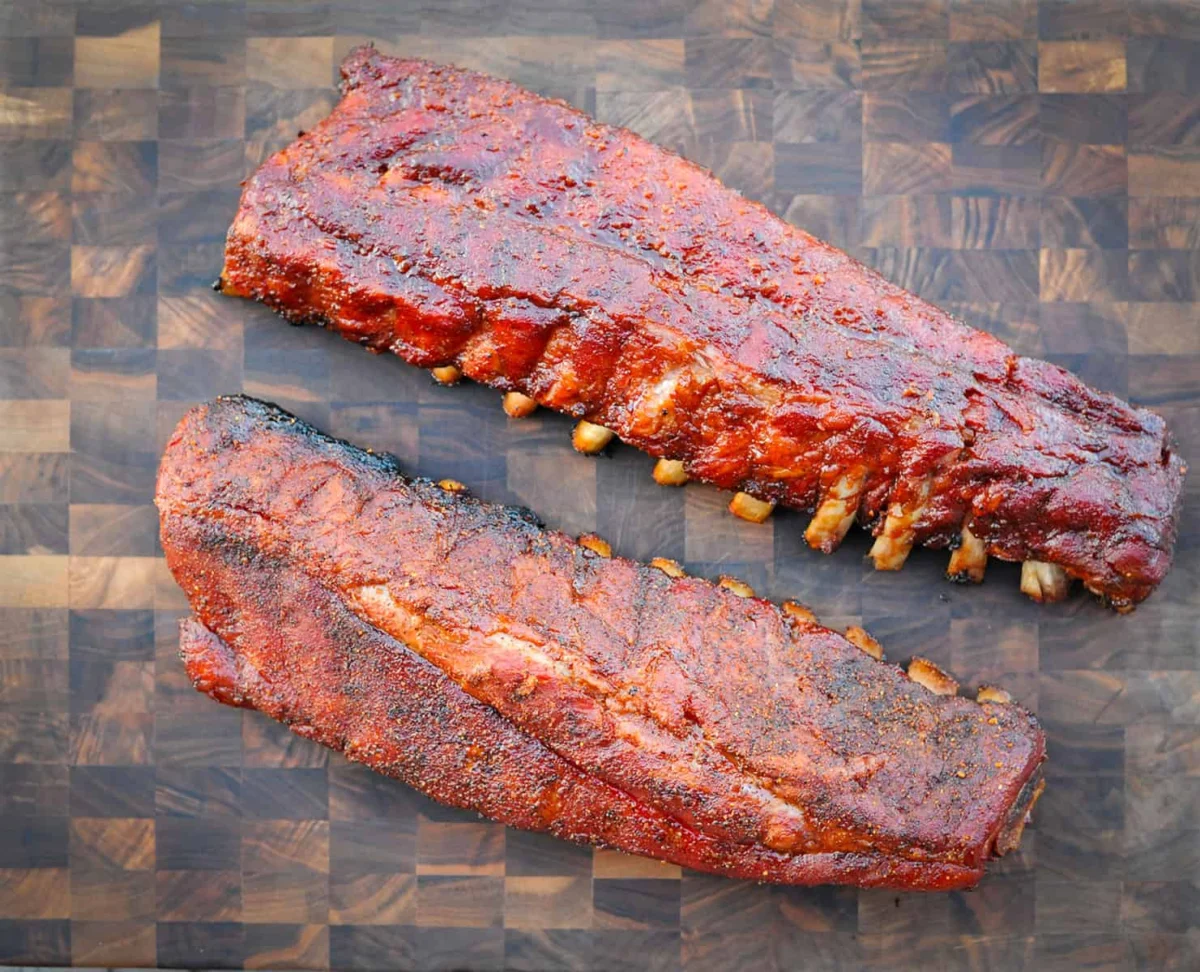
The aroma of barbecue is synonymous with holiday weekends, and for Labor Day, pork ribs often take center stage. However, as home cooks fire up their smokers and grills, a long-standing culinary debate resurfaces: should ribs boast a "fall-off-the-bone" tenderness, or should they offer a satisfying "clean bite"? This perennial question, recently reignited by a lively discussion on Reddit, highlights a fundamental difference in barbecue philosophy, pitting the stringent requirements of competitive cooking against the more relaxed standards of backyard indulgence.
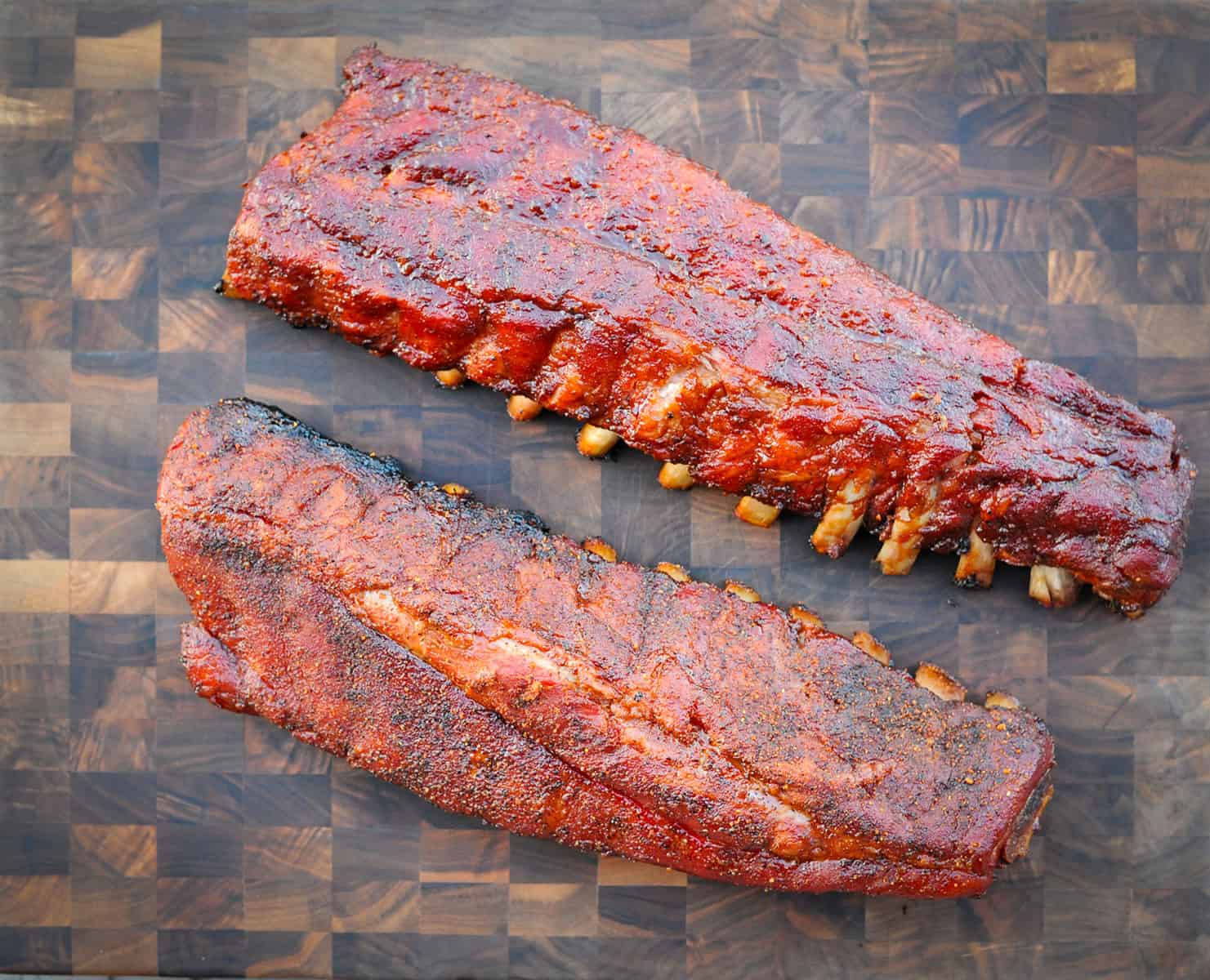
The Reddit thread, which garnered nearly 200 comments, saw numerous pitmasters and enthusiasts express strong opinions. Many argued that ribs truly falling off the bone are a sign of overcooking, a culinary misstep rather than a desired outcome. While this perspective holds weight, particularly within the competitive barbecue circuit, the reality of achieving perfectly cooked ribs is more nuanced, involving a delicate balance of time, temperature, and technique.
The Uncompromising World of Competitive Barbecue
In the high-stakes arena of professional barbecue competitions, the standard for ribs is unequivocally clear: judges demand a clean bite. This means that when a diner bites into the meat, only the portion actively being eaten should detach cleanly from the bone, leaving the rest of the meat firmly attached. A clean separation signifies optimal tenderness without succumbing to mushiness. In fact, ribs that are so tender they slide off the bone entirely will often result in a deduction in the tenderness score, a critical component of judging.

This precise standard is not merely theoretical. It’s the objective that pitmasters strive for during rigorous culinary events. For instance, the upcoming Meat and Tater Festival in Idaho, scheduled to host rib competitions on both Friday and Saturday of Labor Day weekend, will see competitors like Christie Vanover, an award-winning pitmaster and founder of Girls Can Grill, adhering to this exacting criterion. Vanover, who will be presenting three racks of ribs for judging on each day of the festival, with six bones submitted per competition, emphasizes the importance of targeting that clean-bite consistency. Her dedication to this principle is further detailed in her comprehensive competition rib course, designed to impart the techniques necessary to achieve such precise results.
The history of competitive barbecue, which gained significant traction in the latter half of the 20th century with the establishment of organizations like the Kansas City Barbeque Society (KCBS) in 1986, has solidified these specific textural expectations. Over decades, judging criteria have evolved to reward a complex interplay of flavor, aroma, tenderness, and appearance, with tenderness often being the most subjective yet crucial element. The emphasis on a clean bite emerged as a way to objectively measure this tenderness, distinguishing masterful cooking from accidental overcooking.
Backyard Barbecue: A Haven for Culinary Freedom
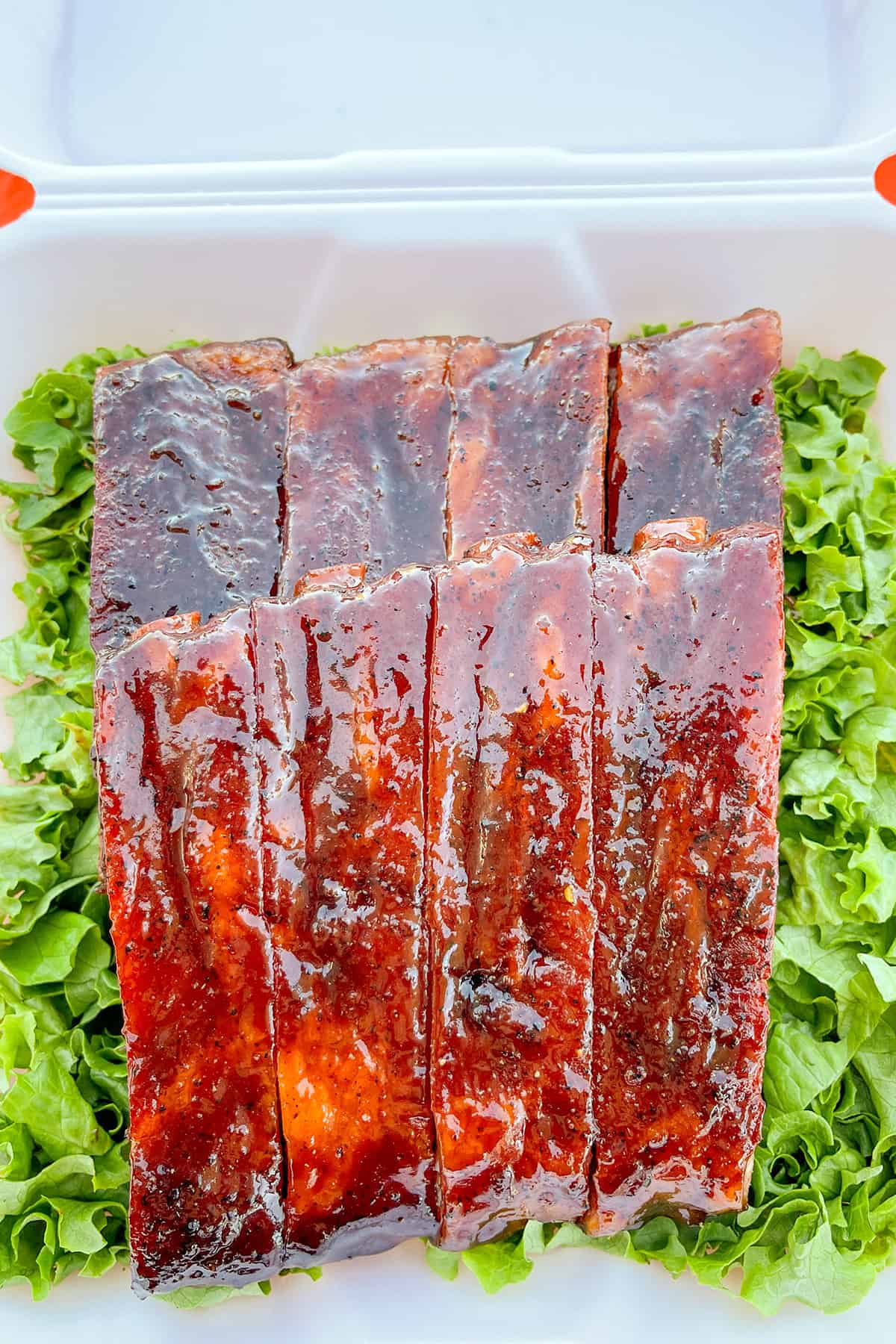
While competition tables demand unwavering adherence to specific textures, the backyard barbecue offers a more forgiving and personalized culinary landscape. At home, many enthusiasts, including experienced cooks, find a particular satisfaction in ribs that release from the bone with minimal effort. This "fall-off-the-bone" texture, often achieved through longer cooking times and specific wrapping techniques, offers a melt-in-your-mouth experience that is highly prized in informal settings.
However, the line between exquisitely tender and unpleasantly mushy is a fine one, and it’s a line that is easily crossed. A common pitfall for home cooks aiming for this level of tenderness is an overreliance on rigid cooking methods, such as the popular 3-2-1 rib technique. This method, which typically involves three hours of smoking unwrapped, followed by two hours of smoking wrapped in foil, and a final hour of saucing and unwrapping, provides a solid framework. Yet, its fixed timelines can become problematic when variables like the size and thickness of the ribs, the ambient temperature of the smoker, or even external weather conditions are not taken into account.
The key to achieving desirable tenderness, whether aiming for fall-off-the-bone or a cleaner bite, lies in a dual focus on both internal temperature and visual cues. Rather than solely relying on elapsed time, attentive cooks should monitor the meat’s internal temperature, often aiming for a range between 200-215°F (93-102°C) for maximum tenderness. Simultaneously, observing the bend and flex of the rib rack provides crucial visual feedback. When the rack bends significantly and the meat begins to crack without fully breaking, it often indicates a state of perfect tenderness. Overcooking past this point, typically due to prolonged exposure to heat, leads to the undesirable mushy texture and loss of desirable meat integrity.
Navigating the Weekend’s Barbecue Strategy
As college football season kicks off and the nation observes Labor Day, the demand for perfectly cooked ribs is at its peak. For those who prefer their ribs with a soft, yielding texture that practically melts in the mouth, the 3-2-1 method, extended to push towards that higher internal temperature range (210-215°F), is a reliable path. This extended cooking time, particularly during the wrapped phase, allows connective tissues to break down thoroughly, resulting in that coveted fall-off-the-bone sensation.
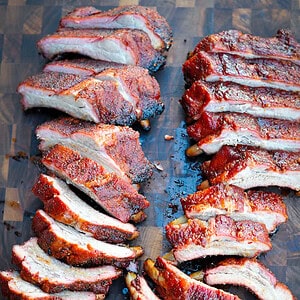
Conversely, for those who appreciate a more substantial bite and the nuanced textural contrast between the meat and bone, the approach shifts. On this same 3-2-1 trajectory, the ribs should be pulled from the heat when the rack demonstrates significant bend and begins to crack, but before it breaks entirely. This subtle distinction in cooking endpoint is what separates a perfectly tender rib from one that is overly cooked.
The type of ribs also influences the cooking process. Baby back ribs, known for their smaller size and leaner composition, generally require a slightly shorter cooking time compared to larger cuts like spare ribs or St. Louis-style ribs. Adjusting the duration of each stage in the 3-2-1 method, or any other cooking process, is crucial to prevent them from becoming dry or mushy.
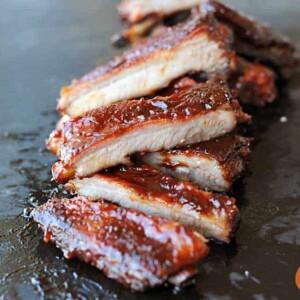
For those seeking a faster cooking method, often employed by competitive teams to save time, the "hot and fast" approach is favored. This involves cooking ribs at a higher temperature, significantly reducing the overall cook time while still aiming for optimal tenderness and flavor. This technique requires a keen understanding of heat management and precise timing to avoid overcooking.
Furthermore, the presentation of ribs can also impact the perceived texture. Individually cut "party ribs" offer an advantage for achieving a superior bark – the flavorful, caramelized crust that forms on the exterior of smoked meats. When cooked individually, all sides of the meat are exposed to the heat and smoke, promoting a more even bark formation and a more intense flavor profile in every bite. This method can contribute to a satisfying textural contrast, even if the meat itself is quite tender.
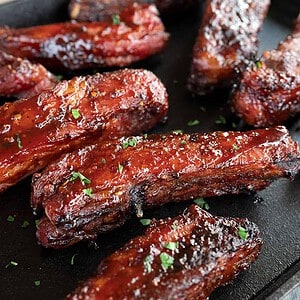
Ultimately, the decision of how to cook ribs this Labor Day weekend rests on personal preference and the intended audience. Whether the goal is the unctuous tenderness of fall-off-the-bone ribs or the more structured, flavorful experience of a clean bite, the key lies in understanding the cooking process and adjusting techniques to achieve the desired outcome. The art of barbecue, whether in a competition setting or a casual backyard gathering, is about mastering these nuances and serving a dish that delights the palate.
A Culinary Debate with Deep Roots
The discussion around rib texture is not a new phenomenon. It reflects a broader evolution in barbecue traditions across the United States. Regional styles, such as the vinegar-based sauces of the Carolinas, the dry rubs of Kansas City, and the slow-smoked brisket of Texas, all contribute to distinct preferences in meat preparation and texture. The rise of barbecue competitions in recent decades has further codified certain standards, influencing how many home cooks approach their craft.
The proliferation of online platforms like Reddit has democratized culinary discourse, allowing enthusiasts from diverse backgrounds to share experiences and debate techniques. This open exchange, while sometimes leading to passionate disagreements, ultimately enriches the barbecue community by exposing cooks to different perspectives and fostering continuous learning. As pitmasters and home cooks alike continue to experiment and refine their methods, the great rib debate is likely to persist, a testament to the enduring passion and artistry involved in barbecue.


