
The global market for small kitchen appliances has seen a significant shift toward food preservation tools, with Cosori food dehydrators emerging as a prominent choice for consumers seeking to extend the shelf life of produce through controlled thermal processing. As household interest in food security and waste reduction continues to rise, the technical specifications, performance metrics, and market positioning of these machines have become focal points for both domestic users and industry analysts. The Cosori brand, a subsidiary of the Hong Kong-based Vesync Co., Ltd, has positioned its stainless steel dehydrator line as a bridge between entry-level plastic units and high-end commercial-grade machinery. By examining the engineering, operational efficiency, and consumer feedback regarding the 6-tray and 10-tray models, a clearer picture emerges of how modern dehydration technology is reshaping the contemporary pantry.
The Rise of Domestic Food Preservation and Market Context
Food dehydration is one of the oldest methods of preservation, relying on the removal of moisture to inhibit the growth of bacteria, yeast, and mold. While historically dependent on solar exposure or open-air circulation, modern appliances like the Cosori series utilize horizontal airflow systems to ensure uniform drying. The resurgence of interest in this technology can be traced to a broader cultural movement toward self-sufficiency and clean-label eating. Consumers are increasingly seeking to avoid the preservatives and added sugars found in commercially dried snacks, leading to a surge in demand for reliable home-use hardware.
Cosori entered this competitive landscape by emphasizing a "design-forward" approach, utilizing stainless steel construction at a price point that challenges legacy brands. Since its parent company’s initial public offering in 2020, the brand has expanded its footprint significantly in North American and European markets. This expansion reflects a strategic response to the growing "homesteading" trend, where urban and suburban dwellers alike utilize dehydration to manage seasonal harvests and reduce grocery expenditures.
Technical Specifications and Design Engineering
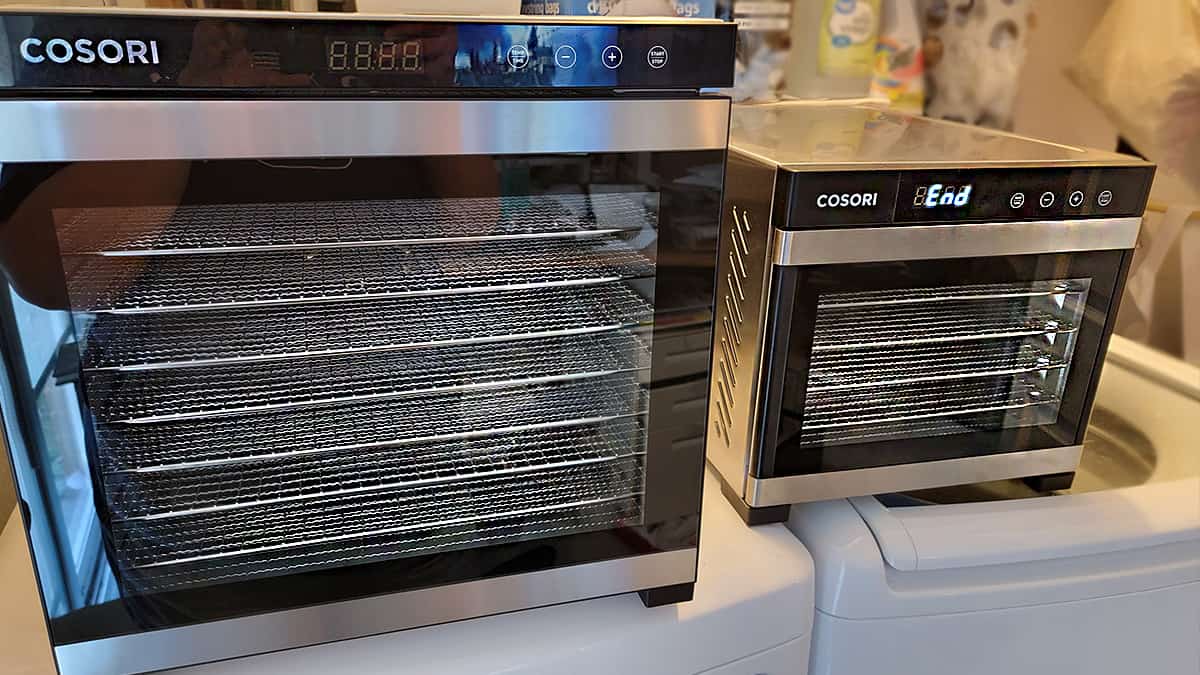
The Cosori Premium Stainless Steel Dehydrator, specifically the 6-tray CP267-FD model, represents the core of the brand’s dehydrating lineup. Engineering analysis reveals a machine built for durability and thermal retention. The outer chassis and the drying trays are constructed from food-grade stainless steel, a material preferred over plastic for its resistance to chemical leaching (BPA-free) and its ability to withstand higher temperatures without warping.
The technical breakdown of the 6-tray model includes:
- Power Output: 600 Watts of heating power.
- Temperature Range: A digital thermostat adjustable from 95°F (35°C) to 165°F (73°C).
- Timing Mechanism: A digital timer capable of 30-minute increments up to 48 hours.
- Airflow Dynamics: A rear-mounted fan system that promotes horizontal airflow across all trays simultaneously, eliminating the need for tray rotation.
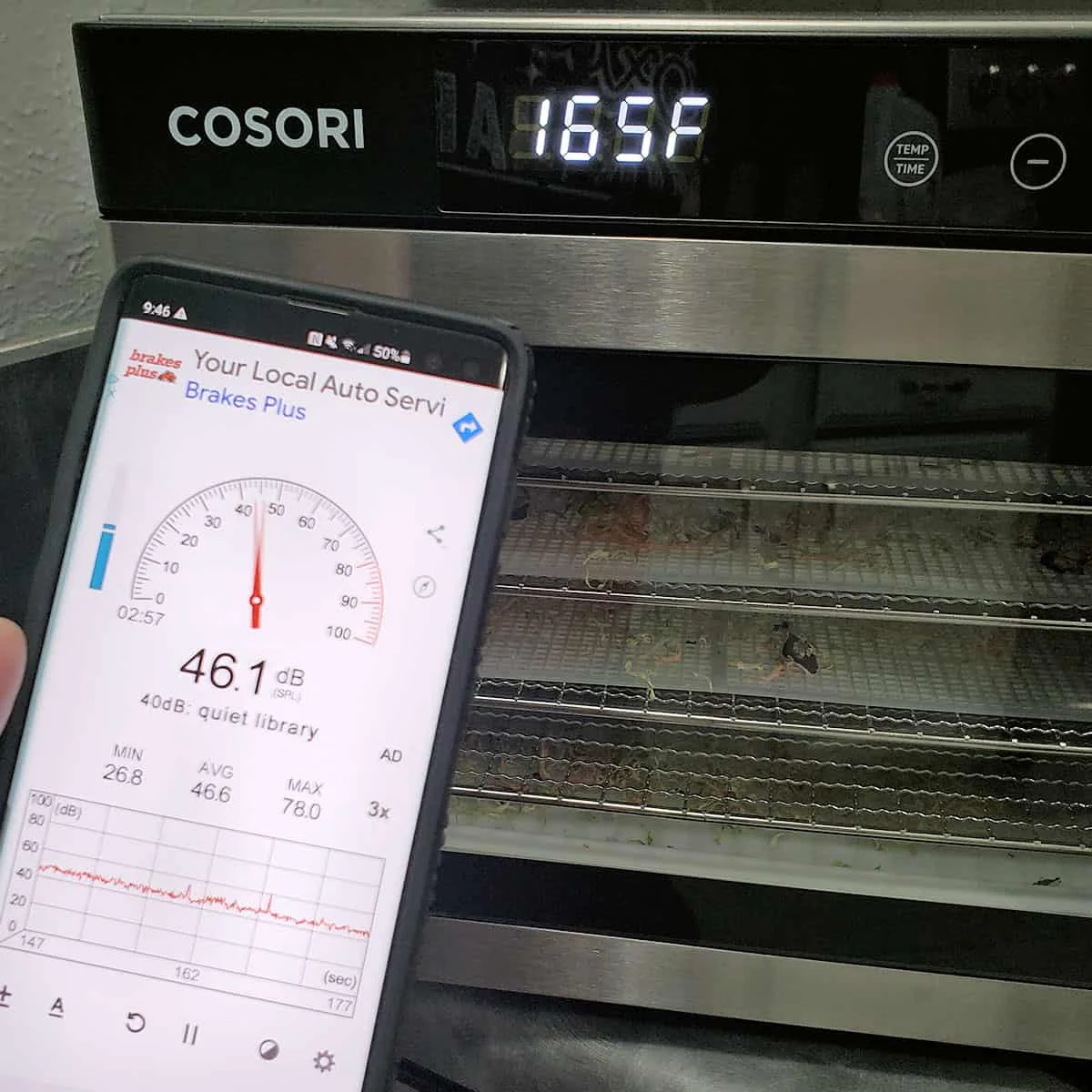
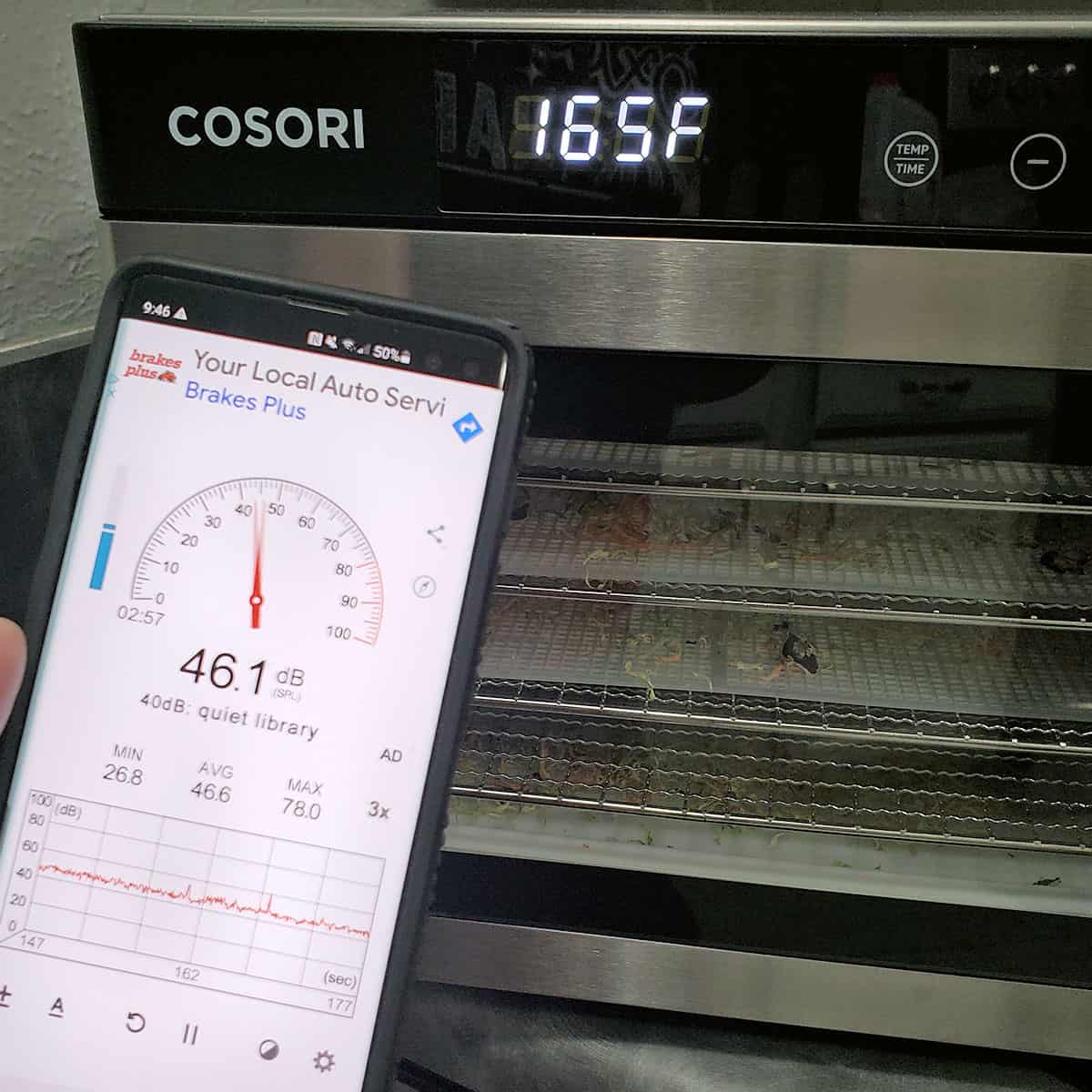
- Noise Emission: Operational levels averaged at approximately 48 decibels, comparable to a quiet refrigerator or background office noise.
In contrast, the 10-tray variant increases the power output to 1000 Watts to accommodate the larger internal volume. However, performance data indicates that the drying speed remains consistent between the two models; the higher wattage is primarily required to maintain the set temperature across the expanded cubic footage rather than accelerating the dehydration process itself.
Performance Metrics and User Experience Data
Field testing and consumer reports highlight several key performance indicators that distinguish the Cosori line from its competitors. The horizontal airflow system is cited as the most critical engineering feature. Unlike vertical flow dehydrators—where the fan is located at the top or bottom, often resulting in uneven drying and flavor contamination between trays—the Cosori’s rear-mounted fan ensures that each tray receives an equal distribution of heated air.
However, the user interface presents a specific operational nuance regarding the "pause" function. Current models do not feature a dedicated pause button. If the door is opened for an extended period to check the progress of the food, the internal sensors may trigger a reset or simply continue the countdown without accounting for the heat loss. Analysts suggest that an integrated pause feature would improve the precision of the drying cycle for delicate items like herbs or floral arrangements.
Another point of technical scrutiny involves the provided accessories. While the machines are shipped with a limited number of mesh liners and fruit leather sheets, consumer feedback suggests a discrepancy between the number of trays and the provided liners. This has led to a secondary market for third-party silicone mats, which many users find superior to the original equipment for preventing sticky fruits from adhering to the stainless steel mesh.
Maintenance, Longevity, and Manufacturer Support
The longevity of small kitchen appliances is a frequent concern in the "replace rather than repair" economy. Reports of "dud" units—machines that fail within the first year of operation—are present in the data, though they appear to represent a small percentage of total units sold. These failures are typically attributed to heating element malfunctions or sensor errors.
Cosori’s response to these issues has generally been proactive. The standard warranty period is one year, with the manufacturer often requiring video evidence of the malfunction to facilitate a replacement. The customer support infrastructure, based in California for the North American market, operates during standard business hours (9 am–5 pm PST). This localized support is a strategic advantage over brands that offer only overseas email communication.
Cleaning protocols for the Cosori series are straightforward but require adherence to specific guidelines to maintain the integrity of the stainless steel. The trays are generally dishwasher-safe, though manual scrubbing is often necessary for high-sugar residues. The interior of the machine, which features the heating element and fan housing, must be wiped down with a damp cloth to prevent the buildup of food particles that could carbonize over time.
Regulatory Compliance and Global Market Integration
The Cosori dehydrator is designed for a 120V/60Hz power supply, making it standard for the United States and Canada. The manufacturer explicitly warns against using the device with 220V power sources, as this will lead to immediate electrical failure. This limitation has necessitated different manufacturing runs for the European and Australian markets.
In recent years, Cosori has successfully navigated the logistical hurdles of the Canadian market. Previously, Canadian consumers faced high import fees and limited availability. The brand’s formal entry into the Canadian Amazon marketplace and other retailers has stabilized pricing and improved accessibility. For markets where Cosori remains unavailable, brands like Ivation and Magic Mill offer virtually identical hardware, suggesting a shared original equipment manufacturer (OEM) base in China, despite different branding and localized customer service.
Economic and Environmental Implications of Home Dehydration
The adoption of dehydration technology carries significant economic implications for the average household. By converting perishable produce into shelf-stable snacks, consumers can reduce food waste—a major contributor to household financial loss and environmental impact. For example, the dehydration of "ugly produce" or bulk-purchased seasonal fruit can reduce the cost-per-serving of snacks by up to 70% compared to store-bought organic alternatives.
Furthermore, the environmental footprint of home dehydration is relatively low when compared to the industrial processing and transportation of commercial dried goods. While a 600W machine running for 12 hours consumes approximately 7.2 kWh of electricity, the ability to store food without refrigeration (unlike freezing) results in long-term energy savings.
Safety Standards and Nutritional Integrity
A critical aspect of the Cosori manual that is often debated by preservation experts is the recommended drying times and storage durations. The manufacturer’s manual often leans toward conservative "snack-style" drying, which leaves a higher moisture content for better texture but shorter shelf life. Professional food preservers recommend ignoring these guidelines in favor of established USDA or National Center for Home Food Preservation (NCHFP) standards for long-term storage.
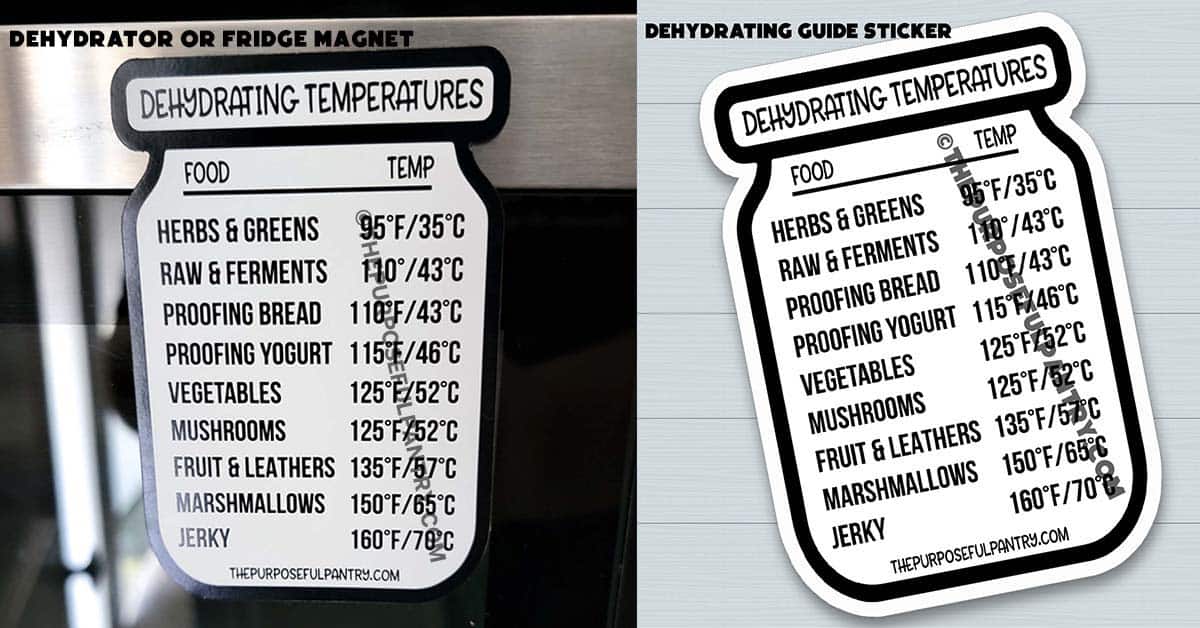
To ensure safety, the Cosori’s ability to reach 165°F is vital for jerky production, as this temperature is necessary to kill potential pathogens in meat. Conversely, the lower setting of 95°F is essential for preserving the enzymatic activity and nutritional profile of raw foods and herbs. The accuracy of the digital thermostat is therefore the machine’s most important safety feature, ensuring that users can reliably hit these critical thermal targets.
Future Outlook for the Small Kitchen Appliance Sector
As the market for home preservation matures, the next generation of dehydrators is expected to integrate "smart" technology, including Wi-Fi connectivity and app-based monitoring. While the current Cosori models rely on manual digital input, the trend toward the "Internet of Things" (IoT) in the kitchen suggests that future iterations may allow users to adjust temperatures or receive alerts on their smartphones when a drying cycle is complete.
For now, the Cosori Premium Stainless Steel Dehydrator remains a benchmark for the mid-range market. It balances industrial-style construction with consumer-friendly digital controls. While it faces competition from both low-cost plastic units and high-end professional models, its combination of quiet operation, aesthetic appeal, and consistent airflow makes it a pivotal tool in the modern movement toward food independence and sustainable living. The ongoing success of the brand will likely depend on its ability to address minor user interface critiques and maintain a robust supply chain for replacement parts and accessories.


