

The American Homebrewers Association (AHA) has successfully concluded its inaugural board of directors election following its transition to a newly independent structure, marking a significant organizational milestone. In March, AHA members cast their votes to elect four new board members from a competitive pool of 10 candidates, who were themselves selected from an initial 28 nominees. This process underscores a commitment to democratic representation and member engagement as the organization embarks on a new chapter.
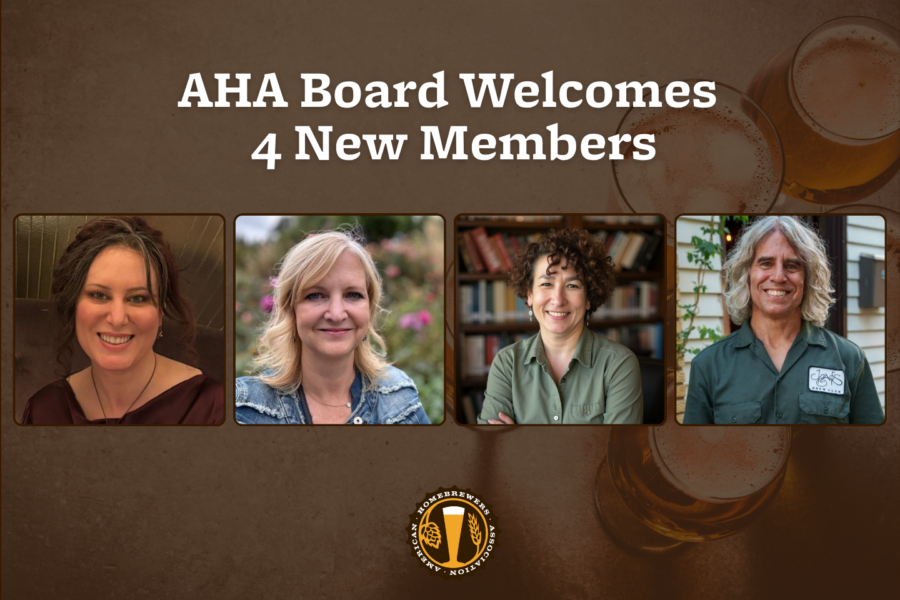
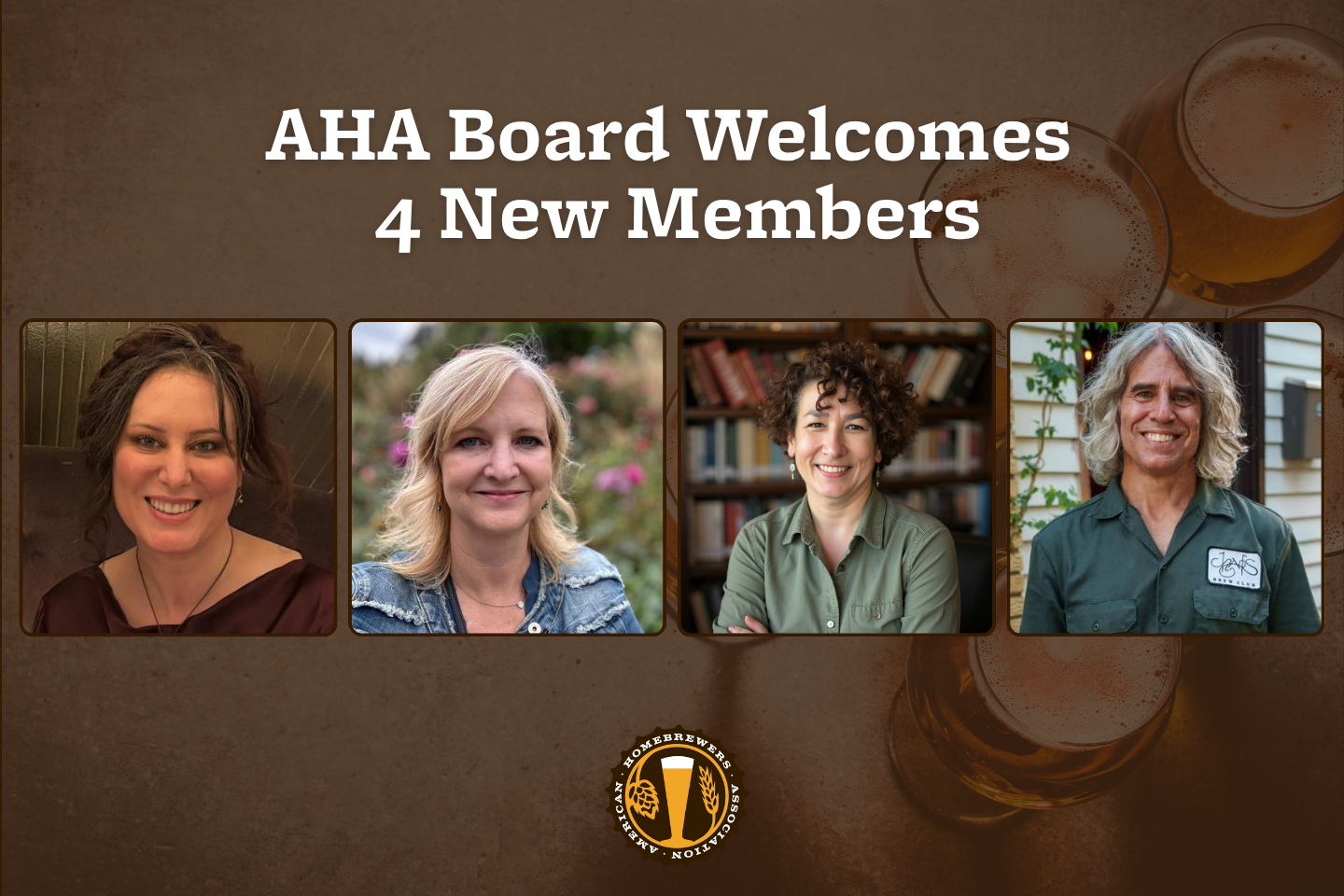
The newly elected directors joining the AHA Board of Directors are Jen Blair, Stephanie Butler, Jen Pereira, and Jeff Whelpley. Each will commence a three-year term, contributing their expertise and passion to the organization’s governance. They will serve alongside continuing board members Shawna Cormier, Drew Beechum, and Gregory Roskopf, forming a robust leadership team poised to guide the AHA’s future initiatives. The official seating of the new board is scheduled to take place at the AHA’s 2026 annual meeting on June 20, 2026, in Asheville, North Carolina, a highlight of Homebrew Con, the association’s premier annual gathering for its membership.
This landmark election is a direct consequence of the AHA’s recent organizational restructuring, which saw it emerge as an independent entity. Historically, the AHA operated under the umbrella of the Brewers Association. The transition to an independent 501(c)(6) membership organization, alongside its 501(c)(3) supporting arm, the A-HA Foundation, signifies a strategic move to enhance its focus and agility in serving the homebrewing community. This independence allows the AHA to dedicate its resources and strategic direction more directly to the needs and interests of homebrewers, fostering growth and innovation within the hobby.
The election process itself reflects a significant investment in member participation. The rigorous selection of candidates from an initial pool of 28 nominees to a final slate of 10, followed by the membership vote, demonstrates a commitment to a thorough and inclusive selection process. This approach ensures that the individuals chosen possess a deep understanding of the homebrewing landscape and are dedicated to the association’s mission. The overwhelming engagement from both candidates and voting members highlights the vibrant and active nature of the homebrewing community.
A New Era of Leadership and Governance
The AHA expressed profound gratitude to all candidates who participated in this year’s election, acknowledging their willingness to dedicate their time and efforts to the betterment of the organization. Similarly, appreciation was extended to the AHA members who actively participated by casting their votes, a fundamental act of democratic engagement that shapes the future of the association.
The organization also extended sincere thanks to its departing AHA Board members, Sandy Cockerham and Gary Glass. As Founding Board members, their contributions have been foundational to the AHA’s recent transformation and its subsequent independence. Their dedication to the advancement of homebrewing and their commitment to representing the interests of the newly independent AHA’s members have been instrumental in laying the groundwork for the organization’s future success. Their tenure has established a strong precedent for leadership and service within the AHA.
Voices from the Board: A Vision for the Future
Shawna Cormier, AHA Board Chair, shared her perspective on the significance of this electoral milestone and the path forward. "The work started by the AHA Founding Board to bring the association to a new future has been impressive to say the least," Cormier stated. "With our new elected board members, we are positioned to help the AHA grow for generations. We look forward to bringing AHA’s vision of ‘a homebrewer in every neighborhood and a homebrew club in every community’ to life.”
Cormier’s statement underscores the strategic imperatives driving the AHA. The vision of widespread homebrewing engagement and community participation is a guiding principle that will likely inform the board’s priorities. The inclusion of newly elected members, alongside experienced continuing directors, promises a blend of fresh perspectives and established institutional knowledge. This dynamic is crucial for navigating the evolving landscape of the craft beverage industry and the homebrewing community.
Understanding the Organizational Structure: 501(c)(6) and 501(c)(3)
The AHA’s operational structure as both a 501(c)(6) membership organization and a 501(c)(3) supporting organization (the A-HA Foundation) is a key element in its strategic positioning. As a 501(c)(6), the AHA functions as a business league, dedicated to promoting the common business interests of its members – in this case, homebrewers. This designation allows for activities such as lobbying, advocacy, and providing services that directly benefit its membership.
The accompanying 501(c)(3) status for the A-HA Foundation enables the organization to engage in charitable and educational activities. This dual structure allows the AHA to pursue a broader range of initiatives, including educational programs, research, and community outreach, while maintaining a strong focus on the direct interests of its dues-paying members. This comprehensive approach is designed to foster the growth and sustainability of homebrewing across multiple facets.
Background and Chronology of the AHA’s Evolution
Founded in 1978, the American Homebrewers Association has a long-standing history of supporting and advocating for homebrewers. For decades, it operated as an affiliate of the Brewers Association, a national trade association for the craft brewing industry. This relationship provided the AHA with resources and a connection to the professional brewing world. However, the landscape of both professional brewing and homebrewing has evolved significantly, prompting a strategic review of the AHA’s organizational structure.
The decision to pursue independence was likely a multi-year process, involving extensive discussions, strategic planning, and legal consultations. The transition to a fully independent entity, comprising both a membership association and a supporting foundation, represents a significant commitment to self-governance and focused mission delivery. This move allows the AHA to tailor its programs and services exclusively to the needs of homebrewers, free from the broader, albeit related, interests of the professional brewing sector.
The timeline leading up to this election can be traced through several key phases:
- Pre-Independence Era: Decades of operation under the Brewers Association, building a strong membership base and developing key programs like Zymurgy® magazine and the National Homebrew Competition.
- Strategic Review and Decision: A period of internal deliberation and assessment of the AHA’s long-term goals and optimal organizational structure.
- Formal Transition: The legal and operational steps required to establish the AHA as an independent 501(c)(6) and the A-HA Foundation as a 501(c)(3). This likely involved establishing new governance structures, financial frameworks, and operational procedures.
- Nomination and Candidate Recruitment: Identifying and encouraging individuals with relevant expertise and a commitment to homebrewing to step forward as potential board members.
- Membership Election: The core event of this news cycle, where AHA members exercised their right to vote for their representatives.
- Board Seating and Inauguration: The formal commencement of the new board’s term at the upcoming Homebrew Con.
This methodical approach ensures that the AHA’s evolution is guided by careful consideration and a deep understanding of its community’s needs.
Data and Supporting Evidence of Community Engagement
While specific voting turnout figures were not provided in the initial announcement, the context of the election—a pool of 28 nominees narrowing to 10, and then a membership vote—suggests a robust level of interest and participation. The American Homebrewers Association boasts a significant membership, acting as a central hub for homebrewing enthusiasts across the United States and internationally. The organization’s stated mission, "a homebrewer in every neighborhood and a homebrew club in every community," implies a desire to reach and engage a broad demographic.
The AHA’s publications, such as Zymurgy® magazine, and its online resources at HomebrewersAssociation.org, are vital conduits for information and community building. The National Homebrew Competition, a prestigious event validated by professional brewers, serves as a benchmark for quality and a source of inspiration for homebrewers. These initiatives, alongside member deals and awards, contribute to a vibrant ecosystem that fosters continued engagement and attracts new members. The success of this first independent election is a testament to the health and active participation within this ecosystem.
Implications and Future Outlook
The establishment of an independent AHA board with newly elected members carries significant implications for the future of homebrewing advocacy and community development.
- Enhanced Advocacy: As an independent entity, the AHA is better positioned to advocate for homebrewing interests at local, state, and federal levels. This could involve lobbying on issues related to ingredient availability, brewing equipment regulations, or taxation policies that affect homebrewers.
- Tailored Programming: The board’s decisions will now be solely focused on the needs and desires of the homebrewing community. This could lead to the development of new educational programs, expanded competition formats, or innovative resources specifically designed for homebrewers.
- Increased Transparency and Accountability: The election process itself promotes transparency and ensures that the board is accountable to its membership. This direct line of communication and representation can strengthen the bond between the AHA and its members.
- Organizational Growth and Sustainability: The independent structure allows the AHA to pursue its mission with greater autonomy, potentially leading to new revenue streams, strategic partnerships, and expanded reach. The dual 501(c)(6) and 501(c)(3) structure provides a flexible framework for diverse initiatives.
- Strengthened Community Bonds: By placing more direct governance in the hands of its members, the AHA can further solidify its role as the central unifying force for homebrewers, fostering a stronger sense of community and shared purpose.
The AHA’s commitment to its vision, as articulated by Board Chair Shawna Cormier, suggests a forward-looking approach. The emphasis on having "a homebrewer in every neighborhood and a homebrew club in every community" indicates a strategic focus on grassroots growth and accessibility. This involves not only supporting experienced brewers but also making homebrewing approachable and achievable for newcomers.
The AHA invites interested individuals to learn more about its committees and board structure through its website, recognizing that volunteerism and active participation are crucial for the organization’s continued success. The call to "Join us" further reinforces the AHA’s inclusive ethos, encouraging all homebrewing enthusiasts to become part of this evolving community. The successful completion of this historic election marks not an end, but a beginning for the American Homebrewers Association, poised to lead and innovate for the benefit of homebrewers for years to come.


