

The transition into the autumnal season has historically been marked by the harvest, the changing of the foliage, and a shift toward cooler temperatures. However, in recent years, the cultural perception of fall has been increasingly influenced by a phenomenon known as "seasonal creep," where retailers begin marketing autumn-themed products as early as July. This commercialization has led to a growing movement focused on reclaiming the season through "whimsy"—a term defined by spontaneity, imagination, and a departure from performative consumerism. As digital fatigue reaches record levels, community organizers and environmental advocates are highlighting specific, non-commercial activities designed to foster mental well-being and environmental stewardship.
The Commercialization of the Harvest Season
The modern retail landscape has transformed the months of September through November into one of the most heavily marketed periods of the year. According to market research, the "Pumpkin Spice" economy alone is now valued at over $500 million annually. This commercial push often prioritizes the purchase of new apparel, plastic decorations, and flavored commodities over traditional seasonal experiences.
Sociologists note that this trend can lead to a sense of "performative autumn," where individuals feel pressured to curate a specific aesthetic for social media rather than experiencing the season directly. In response, a counter-culture of "slow living" has emerged. This movement emphasizes activities that cannot be easily packaged or sold—what enthusiasts call "true whimsy." Unlike the sanitized version of the season found in advertisements, true whimsy is characterized by being off-beat, personal, and often unpolished.
Chronology of Seasonal Marketing Shifts
The timeline of seasonal marketing has shifted significantly over the last two decades. While "Back to School" sales once occupied the late summer months, "Fall Creep" has seen autumn decor and beverages appear on shelves before the summer solstice in some regions.
- Late July: Initial launch of autumnal home decor and "harvest" scents in major big-box retailers.
- Late August: Introduction of pumpkin-flavored beverages in national coffee chains, often despite high outdoor temperatures.
- September: Peak saturation of fall fashion marketing, emphasizing the "need" for new wardrobes.
- October: Transition into high-intensity Halloween commercialization.
This accelerated timeline has contributed to a sense of seasonal exhaustion among consumers, prompting the current shift toward screen-free, low-impact activities that prioritize connection over consumption.
Environmental Literacy Through Nature Walks
One of the primary methods of reconnecting with the season is through intentional nature walks. While "leaf peeping" is a well-established tourism driver, environmentalists are now encouraging a more granular approach to outdoor engagement. This involves addressing "plant blindness"—a term used by educators to describe the human tendency to overlook the specific plant species in one’s immediate environment.
Participants are encouraged to carry journals for sketching and to use library resources to identify native flora versus invasive species. For example, in the Northeastern United States, the "burning bush" (Euonymus alatus) is a common invasive plant that turns a brilliant red in the fall but disrupts local ecosystems. By learning to distinguish native oaks, maples, and asters from invasive varieties, citizens become more invested in local conservation efforts.
Furthermore, community-led scavenger hunts for specific flora—such as acorns, crabapples, or various leaf patterns—provide a structured yet whimsical way to engage with the environment without the need for digital assistance.
The Resurgence of Analog Communication
In an era dominated by instant messaging and social media, the practice of writing "gratitude letters" has seen a resurgence. Psychologists suggest that the act of handwriting notes significantly improves mental health and strengthens social bonds. Unlike digital communication, "snail mail" requires a slower pace and more deliberate thought.
Advocates of this practice suggest enhancing letters with small, found objects from nature, such as pressed flowers or feathers, which adds a tactile, whimsical element to the correspondence. From a sustainability perspective, this activity utilizes existing materials like scrap paper and upcycled envelopes, bypassing the need for expensive stationery. This shift toward analog connection serves as a direct antidote to the "performative" nature of digital interactions, allowing for a more authentic exchange of sentiment.
Sustainable Craftsmanship and Fiber Arts
The "slow fashion" movement has found a natural home in the autumn season through knitting and crocheting. As the environmental impact of fast fashion—which accounts for approximately 10% of global carbon emissions—becomes more widely understood, many are turning to traditional fiber arts to create their own seasonal garments.

Knitting circles and yarn swaps have become vital community hubs. These gatherings allow for the exchange of surplus materials and the sharing of technical skills across generations. Many participants are now focusing on "seasonal homage" projects, using gem-toned yarns or patterns inspired by fungi and foliage.
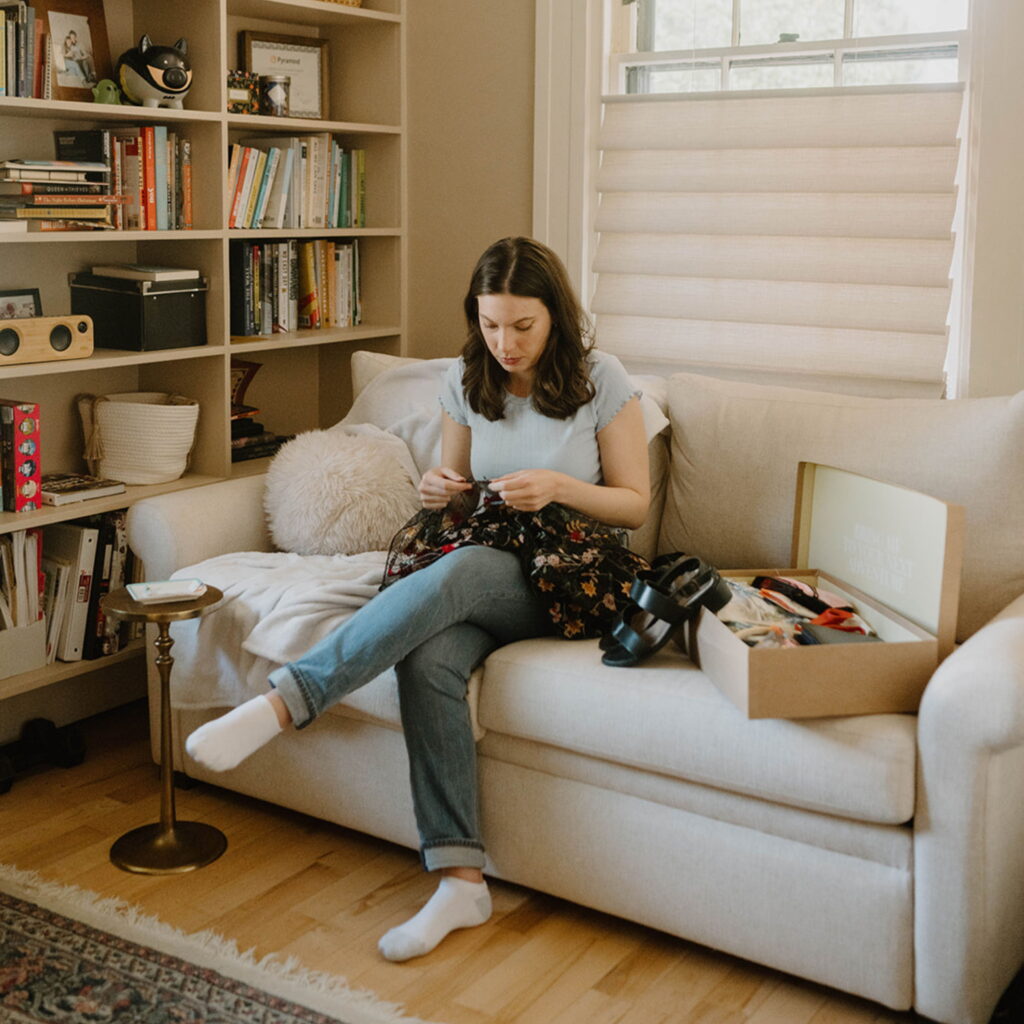
The social aspect of these circles is particularly significant. By meeting in public parks or community centers, participants reduce the isolation often associated with digital life. Furthermore, engaging with older generations, such as grandparents, for instruction in sewing or embroidery fosters intergenerational knowledge transfer and preserves cultural heritage.
The Home Cafe Movement and Culinary Mindfulness
The "home cafe" trend represents a shift away from the commercialized, high-sugar seasonal offerings of major franchises. By hosting fall-themed gatherings at home, individuals can control the quality and sustainability of their ingredients. Culinary experts suggest focusing on recipes that utilize local, seasonal produce, such as:
- Homemade apple cider and chai lattes
- Cinnamon rolls and pumpkin-based breads
- Soups and stews featuring root vegetables
This approach encourages the development of baking skills and promotes the "circular economy" through the sharing of leftovers with neighbors and the community. To minimize waste, organizers of these events often encourage "BYOB" (Bring Your Own Box) policies for leftovers, ensuring that no food is discarded. This practice not only reduces environmental impact but also serves as a catalyst for local neighborhood socialization.
Creative Engagement and Upcycled Art
Crafting has long been a staple of the autumn season, but the modern "whimsical" approach emphasizes the use of foraged or thrifted materials. Rather than purchasing plastic decorations, individuals are increasingly hosting craft nights focused on:
- Leaf Garlands: Preserving fallen leaves with wax to create natural home decor.
- Fairy Homes: Building miniature structures from twigs, moss, and stones found in nature.
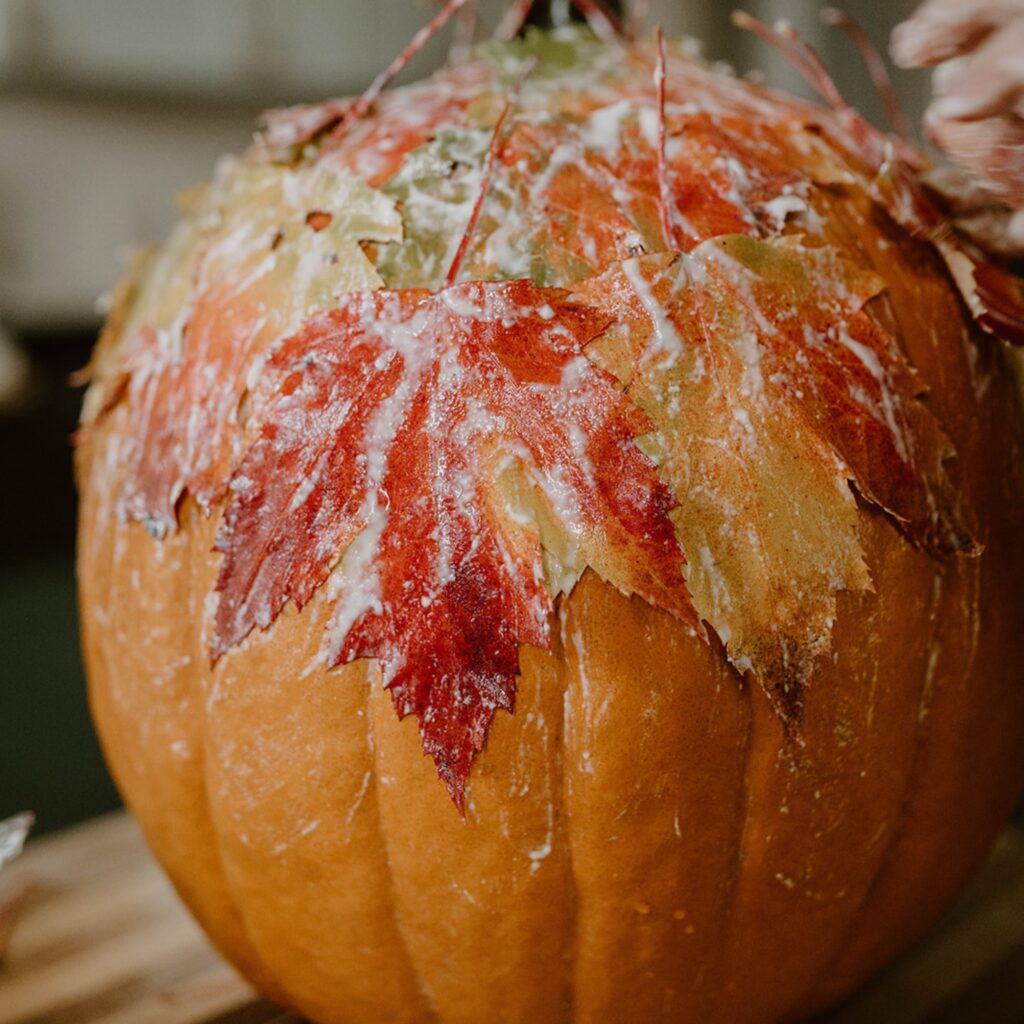
- Compostable Art: Decorating pumpkins with natural elements using homemade, biodegradable glues.
A key component of this movement is the acceptance of imperfection. Educators argue that the "fear of being bad" at a hobby is a significant barrier to creative expression in a digital world where everything is expected to be "Instagram-ready." Embracing "failed" experiments—such as glue that doesn’t dry clear or asymmetrical carvings—is viewed as a vital part of the whimsical experience.
Spontaneous Adventure and Local Tourism
The final pillar of reclaiming the season involves spontaneous, unplanned day trips. This contrasts with the highly structured, ticketed "agritainment" events that have become common. Walking or biking through one’s own town allows for a slower appreciation of the landscape and the discovery of locally-owned bookstores, cafes, and family farms.
Structured group activities that remain budget-friendly and low-impact include:
- Community stargazing events
- Visiting local apple orchards for gleaning
- Attending neighborhood bonfires
- Participating in outdoor "Bingo" challenges based on seasonal observations
These activities promote physical health and provide a sense of adventure that is often missing from routine digital consumption.
Analysis of Broader Impact and Implications
The shift toward whimsical, screen-free fall activities has significant implications for both public health and environmental sustainability. From a psychological perspective, "forest bathing" and analog hobbies are proven to reduce cortisol levels and combat the symptoms of seasonal affective disorder (SAD).
Environmentally, the rejection of "fast decor" and seasonal fast fashion reduces the amount of plastic waste entering landfills. By prioritizing experiences over commodities, the "whimsy" movement aligns with global sustainability goals.
Furthermore, the emphasis on community-based activities—such as knitting circles and home cafes—rebuilds social capital. In a time of increasing social fragmentation, these low-stakes, high-engagement gatherings provide a necessary framework for local resilience and connection. As the "whimsy" trend continues to grow, it serves as a robust model for how individuals can navigate a highly commercialized world while maintaining their mental well-being and ecological integrity.


