
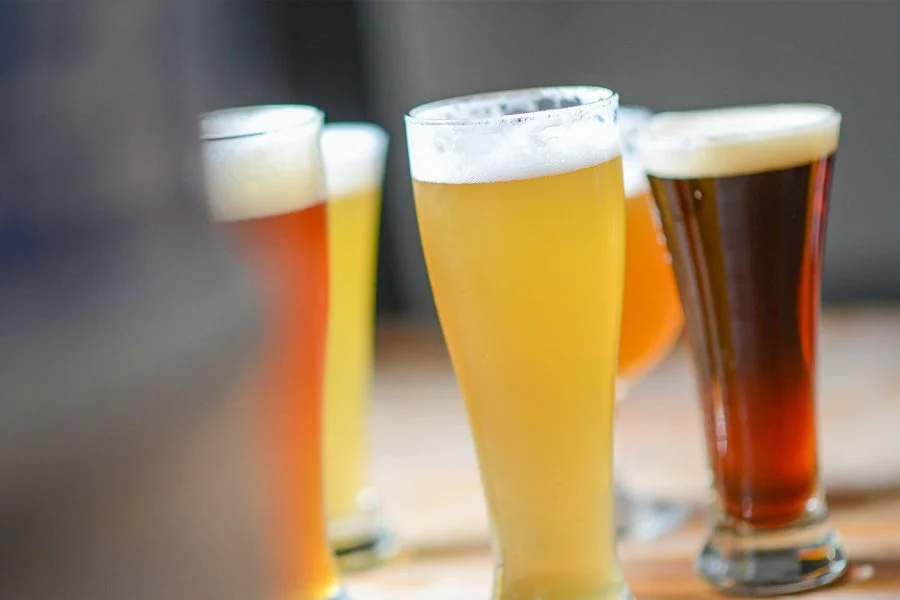
The National Homebrew Competition, a cornerstone event for amateur brewers across the globe, continues to showcase the innovation and dedication within the homebrewing community. Hundreds of meticulously crafted, medal-winning recipes are now available for enthusiasts to explore, offering a glimpse into the techniques and inspirations behind some of the world’s most accomplished homebrews. This extensive collection represents a significant repository of brewing knowledge, providing aspiring and experienced brewers alike with invaluable resources to elevate their craft.
A Legacy of Homebrewing Excellence
The National Homebrew Competition, organized by the American Homebrewers Association (AHA), has a long-standing tradition of recognizing and celebrating the best in homebrewed beer. Established in 1979, the competition has grown exponentially, mirroring the burgeoning popularity of craft brewing as a hobby and a passion. Each year, thousands of entries are submitted, judged by a rigorous panel of experienced brewers and BJCP (Beer Judge Certification Program) certified judges. The competition spans a wide array of beer styles, from traditional lagers and ales to experimental and historically inspired brews, demanding technical proficiency and creative flair from its participants.
The selection process is designed to identify beers that not only adhere to their respective style guidelines but also exhibit exceptional balance, complexity, and overall drinkability. Medals – gold, silver, and bronze – are awarded in numerous categories, with the most coveted accolades being the coveted "Best of Show" awards. These winning recipes, meticulously documented, serve as benchmarks of quality and provide a tangible connection to the art of homebrewing for a wider audience.
Unlocking Award-Winning Recipes: A Gateway to Brewing Mastery
The recent release of hundreds of medal-winning recipes from the National Homebrew Competition offers an unparalleled opportunity for homebrewers to learn from the best. These recipes are not merely instructions; they are insights into the thought processes, ingredient choices, and fermentation strategies that led to award-winning results. Each recipe provides a detailed breakdown of ingredients, including malt bills, hop schedules, yeast selection, and specific brewing parameters, allowing brewers to replicate or adapt these successful brews.
One such example highlighted within the collection is a recipe for a beer inspired by Mexican pale lagers, a style known for its refreshing character and broad appeal. The brewer behind this particular creation, whose recipe is now accessible, describes the inspiration as deriving from a desire to capture the "balanced, crisp Mexican pale lagers to be enjoyed in your backyard or on vacation." The appeal of this style, according to the brewer, lies in its "impeccable balance, high attenuation, and effortless drinkability."
Innovative Approaches to Traditional Styles
The brewer’s approach to this Mexican pale lager deviates slightly from some traditional methods, showcasing the innovative spirit prevalent in homebrewing. Instead of solely relying on a conventional malt and adjunct combination, the brewer opted for a foundation of "high-quality continental Pilsner malt and flaked corn." This choice is deliberate, aiming to achieve a specific flavor profile and fermentation characteristics. The continental Pilsner malt, the brewer explains, contributes a "softer, more refined light malt character" while ensuring "excellent fermentability." This high fermentability is crucial, as it allows the flaked corn to effectively lighten the body of the beer without imparting an overwhelming sweetness, resulting in the desired crisp and highly drinkable finish.
This nuanced approach exemplifies how homebrewers constantly experiment with ingredient ratios and types to fine-tune their creations. The careful selection of Pilsner malt over potentially harsher base malts, combined with the judicious use of flaked corn for body and fermentability, demonstrates a sophisticated understanding of how different grains interact and contribute to the final beer. This level of detail is what distinguishes truly exceptional homebrews and what makes these award-winning recipes so valuable for learning.

The Value of Accessible Recipe Data
The availability of these recipes extends beyond mere replication. They serve as educational tools, allowing brewers to dissect the underlying principles of recipe formulation. By studying the hop additions, for instance, one can learn about achieving specific bitterness, flavor, and aroma profiles. Understanding the yeast strains chosen reveals insights into fermentation temperatures and their impact on flavor development. The meticulous documentation of each component—from base malts and specialty grains to adjuncts and water profiles—offers a comprehensive education in beer ingredient synergy.
The AHA’s commitment to making these recipes publicly accessible, even if sometimes behind a membership wall to support their initiatives, democratizes brewing knowledge. This practice fosters a collaborative environment where the collective experience and success of the homebrewing community are shared, benefiting both newcomers and seasoned veterans. It allows for the exploration of diverse flavor profiles and techniques that might otherwise remain exclusive to the award-winning brewers themselves.
Supporting Data and Trends in Homebrewing
The National Homebrew Competition’s growing number of entries over the decades reflects broader trends in the craft beer industry. As craft breweries have gained mainstream popularity, so too has the interest in homebrewing. Data from the AHA consistently shows an increase in membership and participation in homebrewing events, indicating a sustained and expanding interest in the hobby. The diversity of beer styles entered into the competition also mirrors the evolution of the commercial craft beer scene, with brewers exploring everything from traditional German lagers to hazy IPAs and barrel-aged stouts.
The increasing sophistication of homebrewing equipment and ingredient availability has also contributed to the higher quality of entries seen year after year. Homebrewers now have access to a wider range of malts, hops, and yeasts than ever before, as well as advanced brewing technologies that were once only available in commercial breweries. This accessibility, coupled with a wealth of online resources and educational materials, has empowered a new generation of homebrewers to push the boundaries of what is possible.
Broader Impact and Implications for the Brewing Industry
The National Homebrew Competition and the accessibility of its winning recipes have significant implications for the broader brewing industry. Many successful commercial craft breweries today were founded by individuals who honed their skills through homebrewing and often participated in competitions like the AHA’s. The competition serves as a crucial proving ground for aspiring professional brewers, allowing them to test their creations against a competitive field and receive valuable feedback.
Furthermore, the innovation that emerges from the homebrewing community often trickles up into the commercial sector. Novel hop combinations, unique fermentation techniques, or the revival of obscure beer styles can first gain traction among homebrewers before being adopted by professional breweries looking for the next big trend. The detailed documentation of these award-winning recipes contributes to this dynamic, providing a documented history of brewing innovation that can inspire future developments.
The AHA’s role in facilitating this exchange of knowledge and fostering the homebrewing community is invaluable. By providing platforms like the National Homebrew Competition and making recipes available, they are not only supporting a hobby but also nurturing a pipeline of talent and innovation that benefits the entire craft beverage landscape. The continuous flow of fresh ideas and expertly crafted recipes from the competition ensures that the art and science of brewing will continue to evolve and thrive. The collection of hundreds of medal-winning recipes stands as a testament to the passion, creativity, and technical skill present within the global homebrewing community, offering a rich resource for anyone looking to explore the exciting world of beer creation.


