
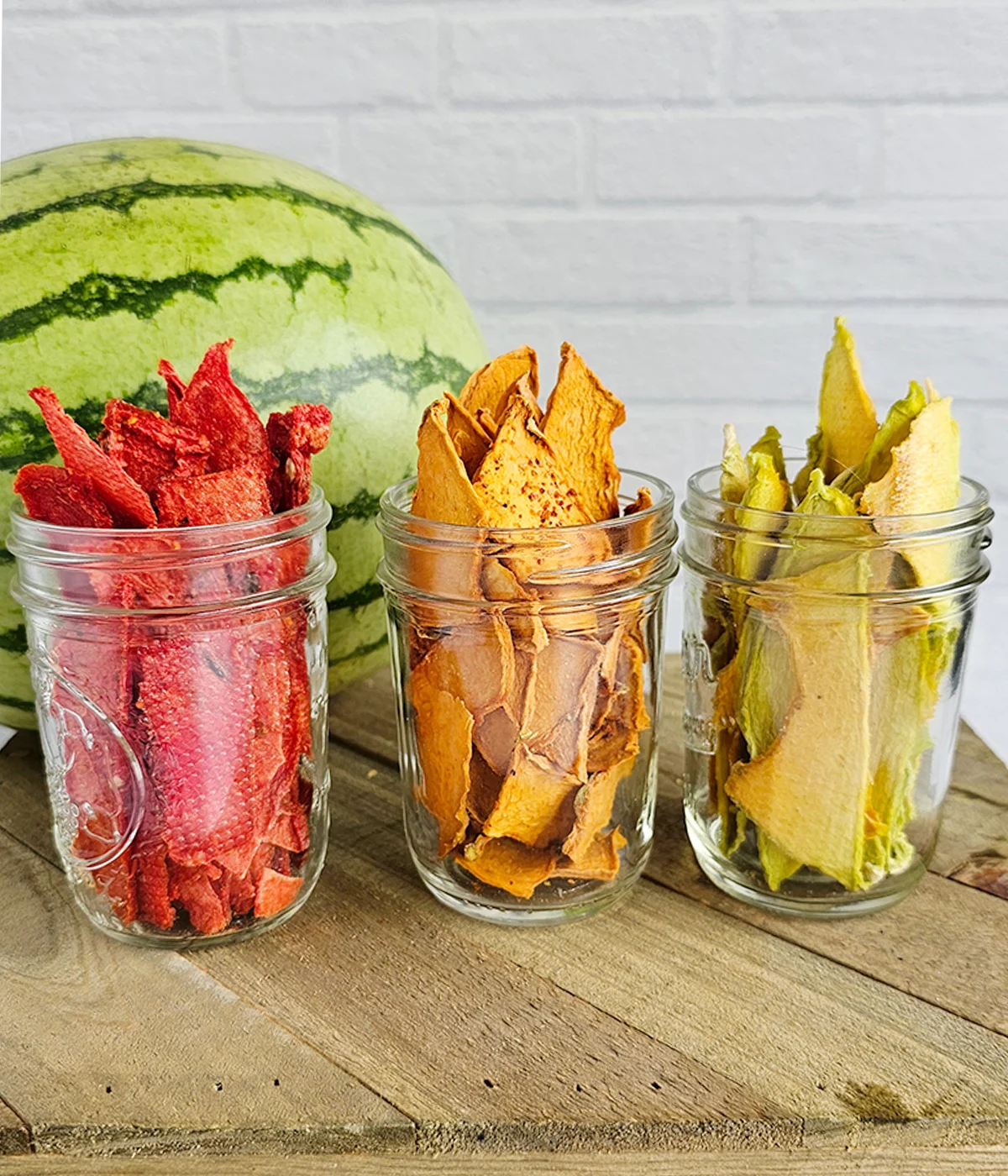
The practice of food dehydration has emerged as a critical strategy for households seeking to mitigate food waste and enhance food security through the creation of shelf-stable, nutrient-dense provisions. As seasonal produce like watermelon, cantaloupe, and honeydew often reach their peak simultaneously, the challenge of consuming these high-water-content fruits before spoilage occurs has led to a resurgence in home-based preservation techniques. By utilizing controlled heat and airflow, dehydrating melons transforms highly perishable items into portable, long-lasting snacks suitable for various applications, from school lunches to backcountry expeditions.
The Economic and Environmental Context of Food Preservation
The shift toward home dehydration is situated within a broader global movement to address the staggering levels of food waste. According to data from the United Nations Food and Agriculture Organization (FAO), approximately one-third of all food produced for human consumption is lost or wasted globally. In the United States, the Department of Agriculture (USDA) estimates that food waste at the retail and consumer levels corresponds to approximately 31 percent of the food supply. Melons, which consist of roughly 90 to 92 percent water, are particularly susceptible to rapid bacterial growth and fermentation once sliced, making them a primary candidate for waste in the average kitchen.
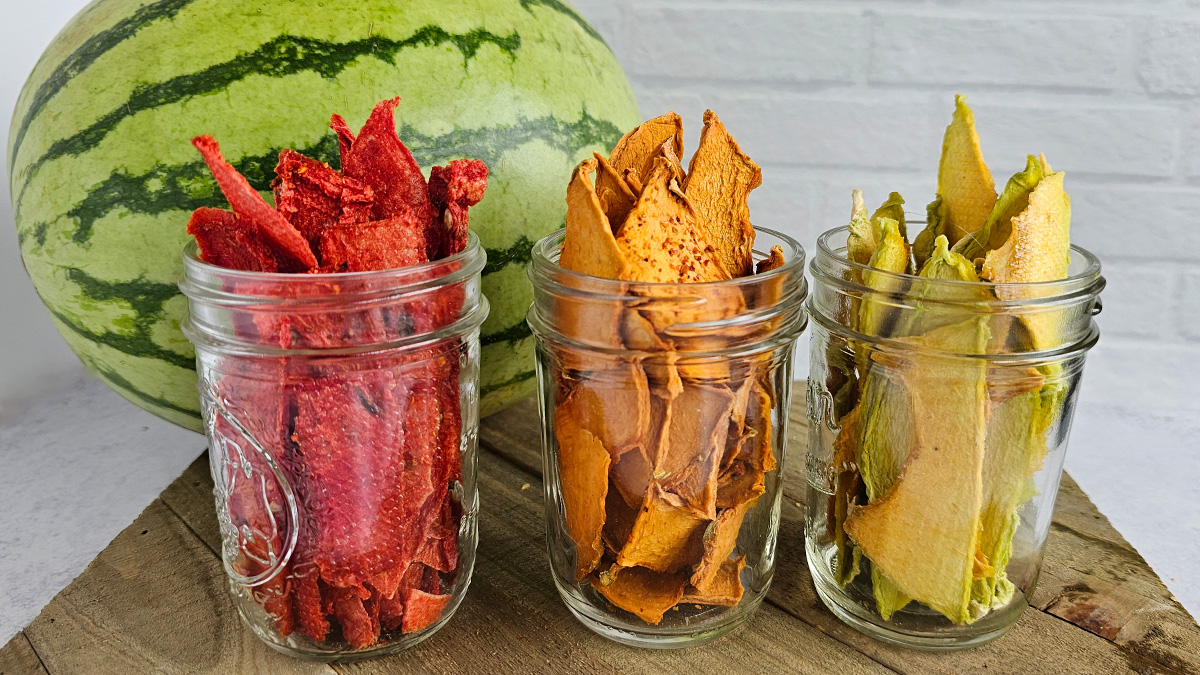
Furthermore, rising inflationary pressures on consumer goods have increased the appeal of "putting up" seasonal harvests. By purchasing melons at their peak—when prices are lowest and nutritional density is highest—and dehydrating them for year-round consumption, consumers can effectively bypass the premium prices associated with commercially processed dried fruits, which often contain added sugars and sulfur dioxide as a preservative.
The Science of Dehydration: Inhibiting Microbial Growth
The fundamental principle of dehydration is the reduction of "water activity" within the food item. Microorganisms, including bacteria, yeast, and mold, require a specific moisture threshold to proliferate. By reducing the water content of a melon to approximately 10 to 15 percent, the environment becomes inhospitable to these pathogens.
When dehydrating melons, the process must be carefully calibrated to avoid "case hardening." This phenomenon occurs when the exterior of the fruit dries too quickly due to excessive heat, creating a hard shell that traps moisture inside the piece. This trapped moisture eventually leads to mold growth during storage. Maintaining a consistent temperature of 135°F (57°C) ensures that moisture is drawn from the center of the fruit to the surface at a steady rate, resulting in a safe, leathery texture.
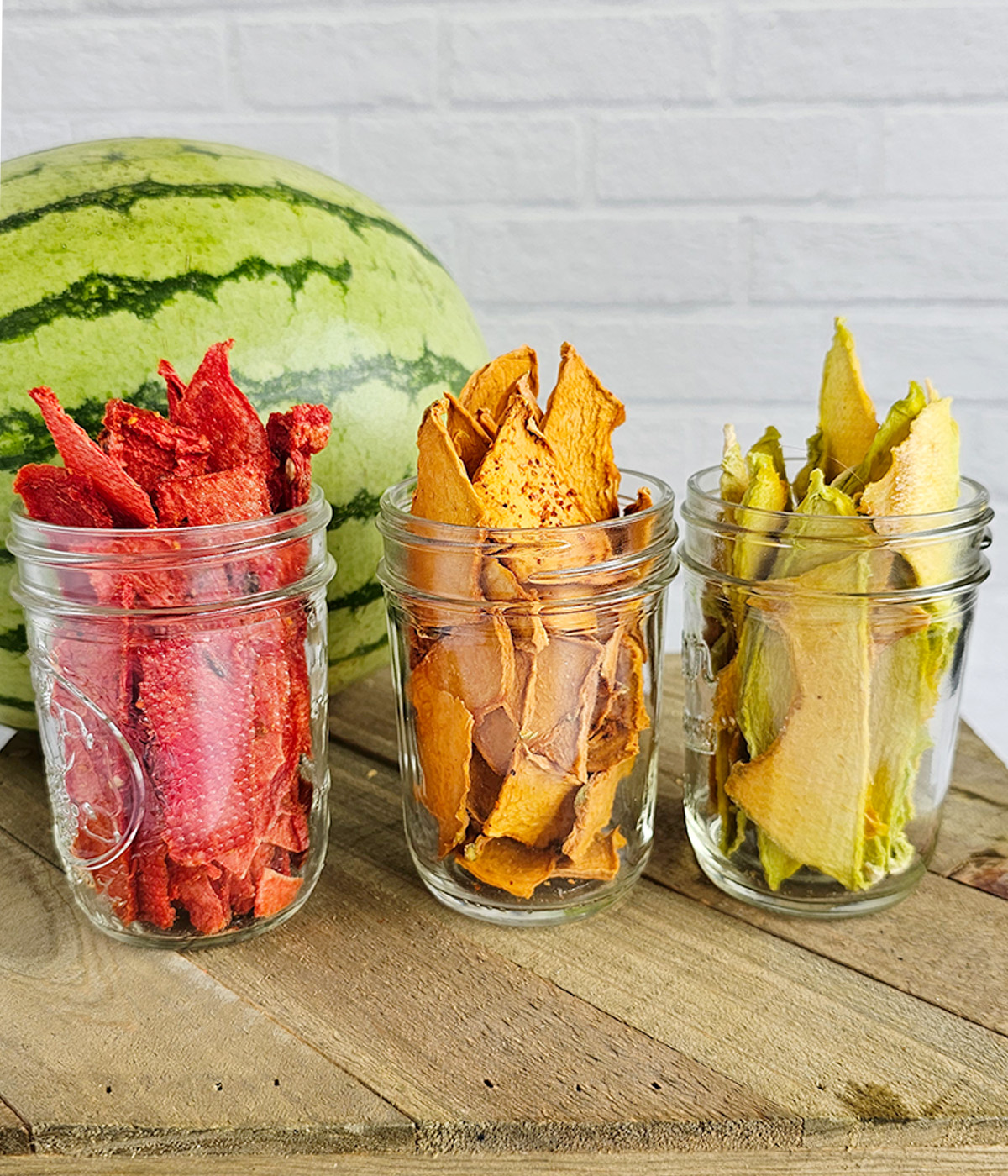
A Chronological Guide to the Dehydration Process
The transition from fresh fruit to shelf-stable snack follows a precise chronological sequence designed to maximize safety and flavor retention.
Phase 1: Selection and Preparation
The quality of the final product is directly proportional to the ripeness of the initial fruit. Melons should be at their peak sweetness; under-ripe melons lack the concentrated sugars necessary for a palatable dried snack, while over-ripe melons may have begun the fermentation process.
- Sanitization: The exterior rind must be thoroughly washed to prevent cross-contamination during slicing.
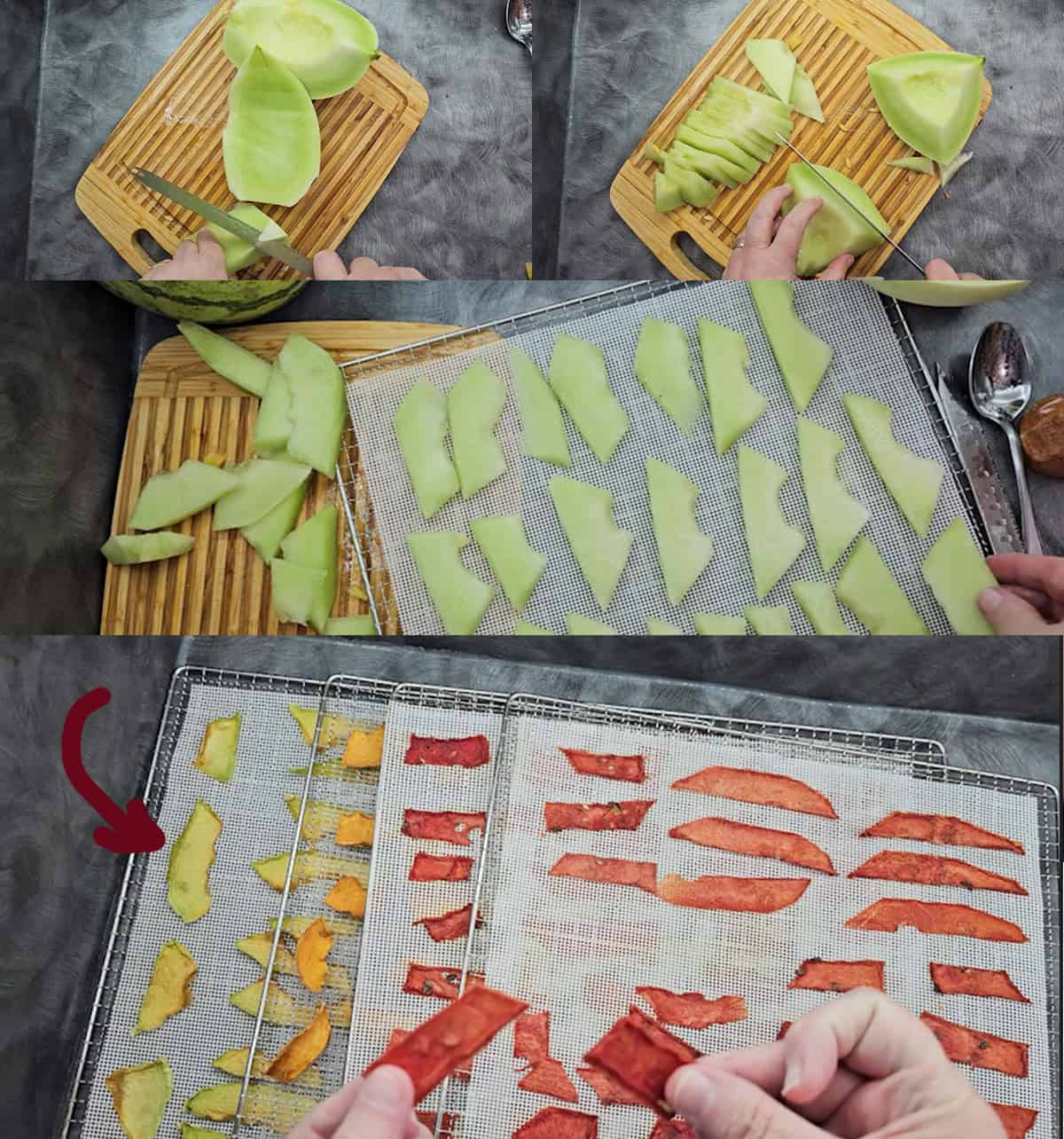
- Slicing: The melon is halved, seeded, and the rind is removed. For optimal results, the fruit should be sliced into uniform pieces between 1/4-inch and 1/2-inch thick. Uniformity is essential for ensuring that all pieces reach the required dryness simultaneously.
Phase 2: The Dehydration Cycle
Once prepared, the slices are arranged on dehydrator trays with sufficient spacing to allow for horizontal or vertical airflow.
- Temperature Setting: The equipment is set to 135°F (57°C).
- Duration: The process typically requires 10 to 14 hours. However, environmental factors such as ambient humidity and the specific sugar content of the melon can influence this timeline.
- Testing for Doneness: A piece is considered fully dehydrated when it reaches a leathery, non-sticky consistency. It should bend without snapping but should not exhibit any visible moisture when squeezed.
Phase 3: Conditioning for Long-Term Storage
Conditioning is a vital, often overlooked step in the preservation timeline. Even if the fruit appears dry, there may be slight variances in moisture levels between pieces on different trays.
- The Jar Method: The dried fruit is cooled and placed in a clear, airtight jar, filled about two-thirds full.
- Observation: Over a period of five to seven days, the jar is shaken daily. If condensation appears on the glass, the fruit must be returned to the dehydrator. If no moisture is detected, the pieces have reached an equilibrium and are ready for permanent storage.
Nutritional Profile and Data Analysis
Dehydrating melons does not significantly alter their caloric content, but it does concentrate their nutrients and sugars. Because the water is removed, the serving size for dried fruit is substantially smaller than that of fresh fruit.
Comparative Nutritional Estimation (per 1/4 cup dried vs. 1 cup fresh):

- Calories: Approximately 14–16 kcal.
- Carbohydrates: 3–4g.
- Sugar: 3g (Concentrated natural fructose).
- Potassium: 60–70mg.
It is important for consumers, particularly those monitoring glycemic intake, to recognize that 1/4 cup of dehydrated melon contains the same amount of sugar as a full cup of fresh melon. However, the retention of fiber and essential vitamins, such as Vitamin A in cantaloupe and Vitamin C in honeydew, makes these snacks a superior alternative to processed candies.
Enhancing the Flavor Profile: Culinary Applications
While dehydrated melons are naturally sweet, culinary experts often suggest seasonings to enhance the flavor profile or provide a savory contrast. Common additions applied prior to the dehydration cycle include:
- Citrus Zest: Lime or lemon juice can provide an acidic balance to the high sugar content of watermelon.
- Spices: Cinnamon or ginger can complement the musky sweetness of cantaloupe.
- Heat: Chili powder or Tajín seasoning is a popular addition for those seeking a "sweet and spicy" snack.
Beyond direct consumption, these fruits serve as versatile ingredients. They can be rehydrated for use in compotes, chopped into granola, or ground into powders to flavor yogurts and desserts.

Safety Protocols and Equipment Standards
While specialized electric dehydrators with adjustable thermostats and fans are recommended for consistent results, the process can be adapted for conventional ovens.
Oven-Based Dehydration
For households without a dedicated dehydrator, the oven serves as a viable alternative, provided it can maintain low temperatures.
- Low Heat: The oven should be set to its lowest possible setting, ideally 170°F (77°C) or below.
- Airflow Management: Propping the oven door open slightly with a heat-resistant utensil can facilitate moisture escape and lower the internal temperature to the desired range.
- Safety Warning: This method requires constant supervision, particularly in households with small children or pets, due to the exposed heat source and the extended duration of the process.
Storage and Shelf-Life Implications
The ultimate goal of dehydration is to achieve a shelf life of approximately one year. To maintain this longevity, the fruit must be stored in a cool, dark, and dry environment.
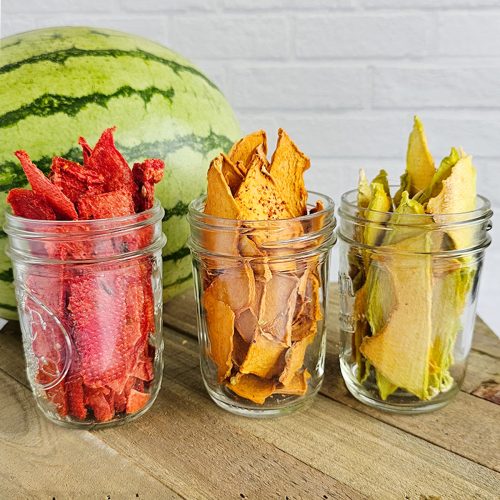
- Airtight Containers: Glass canning jars or vacuum-sealed bags are preferred.
- Moisture Control: The use of food-grade desiccant packets (moisture absorbers) is highly recommended, especially in regions with high relative humidity.
- Environmental Factors: Exposure to light and oxygen will eventually degrade the vitamins and color of the fruit. Therefore, opaque containers or storage in a dark pantry are ideal for maintaining quality over the full twelve-month period.
Broader Impact on Sustainable Living
The movement toward preserving melons and other high-moisture fruits reflects a significant shift in consumer behavior toward self-sufficiency and sustainable living. By mastering these techniques, individuals reduce their reliance on complex global supply chains and minimize their personal contribution to landfill waste.
Industry analysts suggest that the market for home preservation equipment—including dehydrators, vacuum sealers, and canning supplies—will continue to grow as more households prioritize pantry-building. The transformation of a seasonal watermelon into a shelf-stable "taffy" or a cantaloupe into a nutrient-rich snack is more than a culinary trend; it is a practical application of food science that addresses modern economic and environmental challenges.
As we move toward a future where resource management becomes increasingly vital, the ability to extend the life of our food through methods like dehydration remains a cornerstone of a resilient and purposeful kitchen. Through careful preparation, adherence to safety standards, and proper storage, the humble melon can be enjoyed long after the summer sun has set.


