
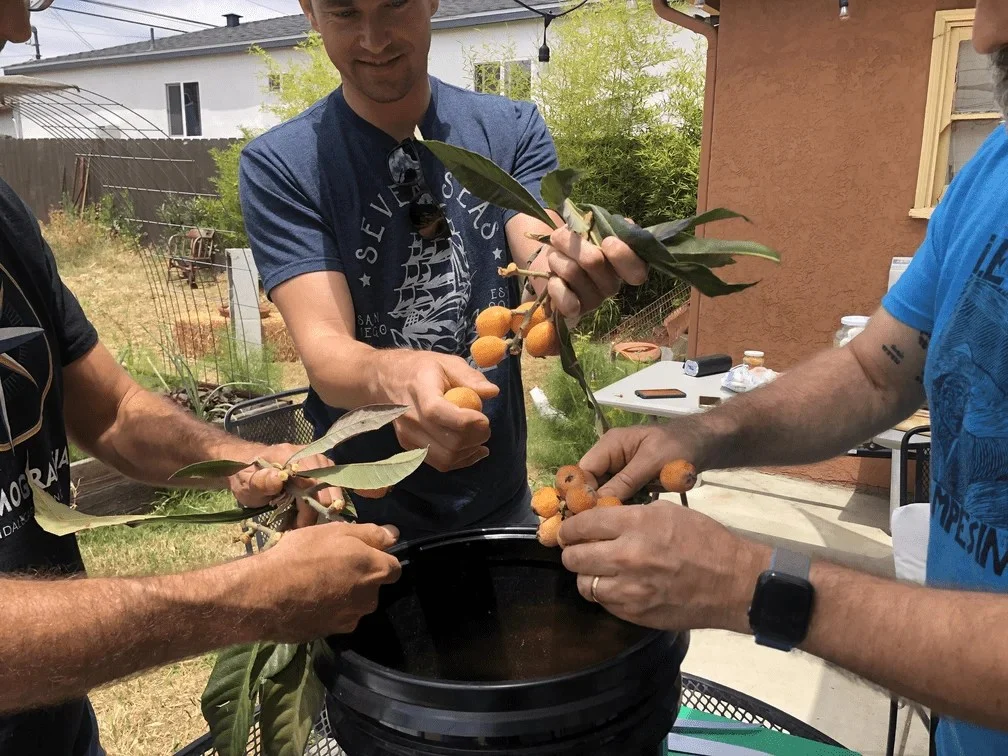
The loquat tree (Eriobotrya japonica), an evergreen species native to southeastern China, stands as a testament to nature’s generosity, particularly during its peak fruiting season from mid-March through mid-May. For many homeowners and cultivators fortunate enough to host these trees, the annual spectacle of branches heavy with hundreds of pounds of unique, pear-like fruit presents both a delightful bounty and a significant culinary challenge. Unlike many common orchard fruits, loquats ripen rapidly and possess a notable perishability, necessitating swift and creative preservation strategies to prevent waste and fully capitalize on this seasonal delicacy. Among the most effective and increasingly popular methods is the creation of a fermented savory-sweet condiment, akin to a chutney, which transforms the ephemeral fruit into a versatile, long-lasting culinary asset.
Botanical Profile and Ecological Contributions
The Eriobotrya japonica, often mistakenly identified as a kumquat due to its similar-sounding name and orange hue, is a distinct species prized for both its ornamental qualities and edible fruit. Growing up to 25 feet tall, these trees are characterized by their large, stiff, dark green leaves, which are not only visually appealing but also serve practical purposes. The prolific shedding of these leaves throughout the year provides a continuous source of carbon-rich material, making them an excellent natural additive for compost piles, enriching soil, and supporting sustainable gardening practices. Beyond their use in composting, loquat leaves have a long history of traditional medicinal application, particularly in East Asia. They are commonly brewed into a tea, known for properties attributed to compounds such as triterpenes, flavonoids, and polyphenols, which are studied for potential anti-inflammatory, antioxidant, and respiratory benefits.
The fruit itself is a small, round to oval drupe, typically 1 to 2 inches in length. Its skin is fuzzy and thin, often blushing from pale yellow to a vibrant orange-yellow as it ripens. Beneath the delicate skin lies a juicy, aromatic flesh, ranging in color from white to deep orange, encasing one to five large, shiny brown seeds. The flavor profile is a complex blend of sweetness and tartness, often compared to a cross between an apricot, a peach, and a plum, with subtle floral undertones. This unique taste makes it a sought-after ingredient in various culinary applications, though its fleeting availability often limits its widespread commercial distribution.
Ecologically, loquat trees contribute significantly to their environment. As evergreen specimens, they provide year-round shade and contribute to local biodiversity by offering nectar for pollinators during their autumn/winter flowering period and fruit for birds and other wildlife in spring. Their deep root systems can also help with soil stabilization, making them a valuable addition to permaculture landscapes and urban green spaces.
The Seasonal Deluge: Harvesting and Perishability
The arrival of loquat season in mid-spring marks a distinct "rite of passage" for those with access to these fruitful trees. From late March through mid-May, branches become heavily laden, often requiring support to prevent breakage under the sheer weight of the ripening clusters. Harvesting is typically a labor-intensive but rewarding endeavor, often yielding dozens, if not hundreds, of pounds of fruit from a single mature tree. This abundance, while desirable, poses a logistical challenge: loquats are highly perishable. Once picked, their delicate skin and juicy flesh mean they have a very short shelf life—often just a few days at room temperature before softening, bruising, or spoiling. Refrigeration can extend this slightly, but the sheer volume of a successful harvest necessitates immediate processing to capture their peak flavor and nutritional value.
This short window of usability compels growers to seek efficient and effective preservation methods. Traditionally, loquats have been transformed into jams, jellies, pies, and tarts, capitalizing on their natural pectin content and sweet-tart flavor. However, a growing interest in diverse culinary techniques and flavor profiles has led many to explore more adventurous options, particularly those that enhance the fruit’s inherent characteristics while extending its utility beyond simple sweet applications.
Strategic Preservation: The Rise of Loquat Chutney
Given the seasonal glut and inherent perishability of loquats, preservation becomes not merely an option but a necessity. While traditional methods like canning jams and jellies remain popular, the crafting of chutney offers a distinctive and versatile alternative. Chutney, a condiment with roots in ancient Indian cuisine, is characterized by its complex interplay of sweet, sour, spicy, and sometimes savory notes, often featuring fruits or vegetables cooked down with vinegar, sugar, and an array of aromatic spices. For loquats, this format proves particularly advantageous, allowing their unique flavor profile to shine while being balanced by other ingredients.
What sets modern loquat chutney apart, especially for enthusiasts of fermentation, is the incorporation of lacto-fermentation. Unlike conventional cooked chutneys that rely on high sugar and vinegar content, and often canning for preservation, fermented chutneys harness beneficial microorganisms to transform the ingredients. This process not only extends shelf life but also introduces a depth of flavor and nutritional benefits that are difficult to achieve through cooking alone.
Fermented Loquat Chutney: A Culinary Transformation
The process of creating a fermented loquat chutney involves a careful orchestration of ingredients and a patient wait. The foundation, of course, is the ripe loquat fruit. To prepare them, the fuzzy skin is typically removed (though some prefer to leave it for texture), and the large seeds are carefully extracted. The flesh is then diced, forming the sweet-tart base of the condiment.
Key ingredients for a fermented loquat chutney often include:
- Loquats: Peeled, pitted, and diced, providing the primary fruit base.
- Sweeteners: Brown sugar, jaggery, or even a touch of honey, to balance the fruit’s tartness and aid in the fermentation process.
- Acidity: Apple cider vinegar or white wine vinegar, which contributes to the tangy profile and acts as an additional preservative.
- Aromatics: Diced onions, garlic, and fresh ginger, providing a savory and pungent backbone.
- Spices: A carefully selected blend of whole and ground spices is crucial for the chutney’s character. Common choices include mustard seeds, cumin seeds, fenugreek seeds, coriander, turmeric, and a touch of chili flakes or fresh chili for a subtle heat.
- Salt: Essential for initiating and controlling the lacto-fermentation process, inhibiting undesirable bacteria while promoting the growth of beneficial lactic acid bacteria.
- Optional Additions: Raisins, dried cranberries, or other dried fruits can add extra sweetness and chewiness; a touch of orange zest can enhance the fruit’s bright notes.
The preparation typically begins by combining the prepared loquats with the sweeteners, vinegar, aromatics, and spices. Some recipes might involve a brief initial cooking phase to soften the fruit and meld flavors before fermentation, while others proceed directly to the fermentation stage after mixing. Once combined, the mixture is packed into a clean, air-tight jar, ensuring that the contents are submerged under their own brine (often achieved by pressing down or using a fermentation weight) to create an anaerobic environment. A small amount of headspace is left at the top, and an airlock or a loosely fitted lid allows gases to escape while preventing oxygen from entering.
The fermentation process usually takes around four days, though this can vary based on ambient temperature and desired flavor profile. During this time, the lactic acid bacteria, naturally present on the fruit and vegetables or introduced via a starter culture (like a tablespoon of brine from a previous ferment), begin to convert sugars into lactic acid. This activity is evident through the appearance of small bubbles and a gradual decrease in the pH of the mixture, which is critical for preservation. The flavor profile deepens and becomes more complex, developing tangy, umami-rich notes that complement the fruit’s inherent sweetness and tartness.
Austin Durant, author and founder of Fermenters Club, a renowned advocate for home fermentation, emphasizes the transformative power of this process. "Fermentation isn’t just about preservation; it’s about unlocking new dimensions of flavor and nutrition," states Durant, whose expertise is detailed in his book, "Fearless Fermenting." He suggests that incorporating fermented elements like loquat chutney into one’s diet offers not only culinary delight but also potential health benefits associated with probiotic consumption.
Culinary Versatility and Market Potential
The resulting fermented loquat chutney is a remarkably versatile condiment, capable of elevating a wide array of dishes. Its complex flavor profile—simultaneously sweet, tart, savory, and subtly spicy—makes it an excellent accompaniment to both simple and sophisticated meals. Culinary experts often recommend pairing loquat chutney with rich, savory foods to provide a contrasting burst of flavor. It is particularly well-suited for:
- Roasted Meats: A dollop alongside roasted pork loin, chicken, or duck provides a tangy counterpoint to the richness of the meat.
- Cheese Boards: Its sweet and tart notes complement various cheeses, from creamy brie to sharp cheddar, making it a sophisticated addition to any charcuterie spread.
- Curries and Stews: A spoonful stirred into a curry or lentil stew can add depth and brightness, echoing its Indian culinary roots.
- Sandwiches and Wraps: Spreading a thin layer on a sandwich or wrap can add an unexpected gourmet twist.
- Glazes and Marinades: Blended with a little oil or citrus juice, it can form a flavorful glaze for grilled vegetables or a marinade for poultry.
- Dips and Spreads: Mixed with cream cheese or yogurt, it creates a unique dip for crackers or crudités.
The increasing consumer demand for artisanal, locally sourced, and fermented foods presents a significant market opportunity for loquat chutney. Small-scale producers could tap into this niche, offering a unique product that stands out from more common fruit preserves. Food service establishments, from farm-to-table restaurants to specialty delis, could also integrate this distinctive condiment into their menus, appealing to adventurous palates and those seeking innovative flavor experiences. This could provide an economic incentive for loquat growers to manage their abundant harvests more effectively, turning what might otherwise be surplus into a value-added product.
Sustainability and Home-Scale Food Systems
The widespread cultivation of loquat trees, particularly in residential settings, underscores their role in fostering sustainable home-scale food systems. By embracing preservation methods like fermented chutney, individuals contribute to reducing food waste, a critical environmental concern. Rather than letting excess fruit fall and rot, or requiring energy-intensive transportation for distant markets, home growers can process their harvests directly, minimizing their ecological footprint.
This practice aligns with the principles of permaculture gardening, which Austin Durant also champions, focusing on perennial plants that provide consistent yields with minimal intervention. The loquat tree, with its perennial nature, year-round leaf production for compost, and dependable spring fruit, perfectly embodies these ideals. It encourages a deeper connection to seasonal eating and the bounty of one’s local environment.
Moreover, the act of fermenting food at home empowers individuals with traditional skills, fostering self-sufficiency and resilience in food preparation. It moves beyond passive consumption, transforming the consumer into an active participant in the food production chain, from cultivation to preservation. This engagement often leads to a greater appreciation for the origins of food and the effort involved in bringing it to the table.
Outlook: Embracing the Loquat’s Full Potential
The loquat, Eriobotrya japonica, remains a somewhat unsung hero in the world of fruit, often relegated to the status of an ornamental tree or a pleasant, but fleeting, backyard snack. However, its prolific nature, distinctive flavor, and the medicinal properties of its leaves suggest a far greater potential. Through innovative and time-honored preservation techniques, particularly the creation of fermented chutney, this seasonal abundance can be fully realized.
As interest in sustainable living, home gardening, and artisanal food production continues to grow, the loquat stands poised for a resurgence in culinary appreciation. By understanding its botanical characteristics, embracing its harvest challenges, and leveraging the transformative power of fermentation, growers and food enthusiasts can ensure that the delightful taste of spring’s loquat bounty can be savored throughout the year, enriching diets, supporting sustainable practices, and celebrating the ingenuity of food preservation. The journey from a tree laden with fruit to a jar of complex, flavorful chutney is a testament to both nature’s generosity and human creativity in the kitchen.


