
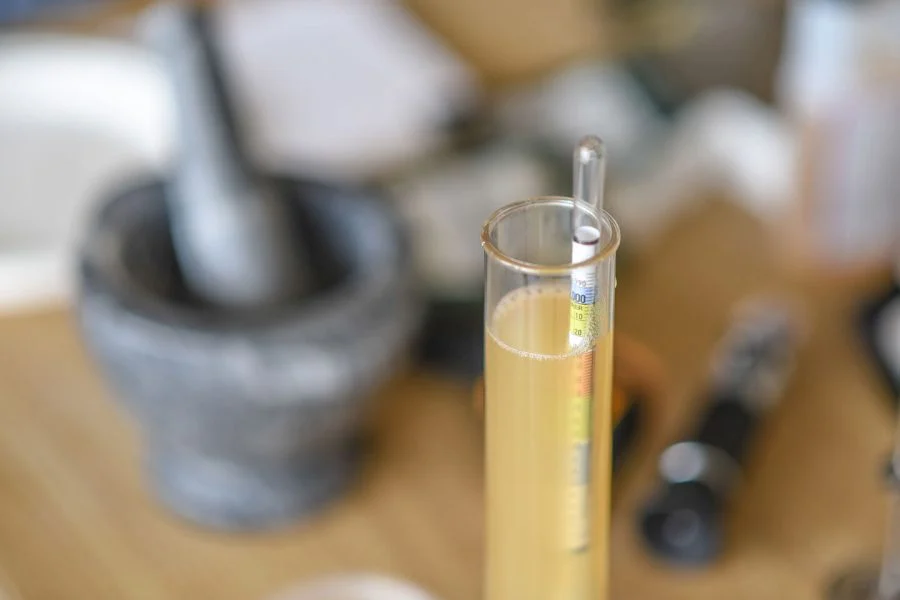
Nelson Crowle of Foxfield, Colorado, a dedicated member of the Indian Peaks Alers homebrewing club, has achieved a significant honor, securing a gold medal in the highly competitive Category 40: Strong and Specialty Cider and Perry at the 2026 National Homebrew Competition Final Round. This prestigious award recognizes Crowle’s exceptional skill and dedication in crafting a cider that stood out among a field of 69 entries. The National Homebrew Competition, organized by the American Homebrewers Association (AHA), is widely regarded as the pinnacle of homebrewing achievement in the United States, drawing participants from across the nation and celebrating the creativity and technical prowess of amateur brewers.
The National Homebrew Competition: A Legacy of Excellence
The National Homebrew Competition (NHC) boasts a long and storied history, dating back to its inception in 1979. Initially a smaller gathering, it has evolved into a massive undertaking, attracting thousands of entries annually across a diverse range of beer, mead, and cider categories. The competition serves as a crucial platform for homebrewers to test their creations against the highest standards, receive expert feedback from certified judges, and gain recognition within the burgeoning craft beverage community. Winning an NHC medal, especially a gold, is a testament to a brewer’s mastery of ingredients, process, and stylistic understanding. The competition’s rigorous judging process involves multiple rounds, with entries first evaluated at regional or state-level competitions before advancing to the final round, where the most outstanding brews are scrutinized by a panel of highly experienced BJCP (Beer Judge Certification Program) certified judges.
The 2026 NHC Final Round, like in previous years, culminated in an intensive judging period where hundreds of beers, meads, and ciders were meticulously evaluated. Each entry is assessed based on a comprehensive score sheet that considers aroma, appearance, flavor, mouthfeel, and overall impression, all within the context of its declared style guidelines. The "Strong and Specialty Cider and Perry" category, in which Crowle excelled, is known for pushing the boundaries of traditional cider making. It encompasses a wide array of styles, from barrel-aged creations and those infused with exotic fruits or spices to naturally fermented ciders with complex profiles, requiring brewers to demonstrate both technical skill and innovative spirit. The sheer volume of entries in this category underscores the growing popularity and sophistication of home-produced ciders.
Nelson Crowle’s Triumph: A Champion’s Craft
Crowle’s gold medal-winning cider was selected from a pool of 69 contenders in Category 40, a highly competitive segment of the competition. This achievement signifies that his creation not only met but exceeded the stringent criteria for excellence within the Strong and Specialty Cider and Perry style. While specific details of Crowle’s winning cider, such as its exact ingredients, yeast strain, or aging process, are not publicly disclosed in the initial announcement, the award itself speaks volumes about its quality. Winning gold in such a robust field suggests a cider with exceptional balance, a captivating aroma, a nuanced flavor profile, and a satisfying finish that impressed the discerning judges.
The Indian Peaks Alers, Crowle’s homebrewing club based in Colorado, is known for fostering a community of passionate and skilled brewers. Membership in such a club often provides a supportive environment for sharing knowledge, receiving constructive criticism, and collectively advancing brewing techniques. Crowle’s success likely reflects not only his individual talent but also the collaborative spirit and shared pursuit of brewing excellence within his club. Many homebrewers find that the camaraderie and mentorship available in organized clubs are instrumental in their development and in achieving competitive recognition.
The Journey to Gold: A Look at the Competition’s Chronology
The National Homebrew Competition typically unfolds over several months, involving a structured timeline that ensures fairness and thorough evaluation. The process generally begins with the opening of registration and entry submission in the late fall or early winter of the preceding year. Homebrewers prepare their best batches, adhering to specific competition rules and style guidelines.
Early Stages (Late Fall/Early Winter): Homebrewers select their most promising ciders and beers and register them for the competition. Ingredient sourcing, recipe refinement, and meticulous brewing and fermentation processes are paramount during this period.
Preliminary Judging (Winter Months): Entries are typically submitted to various regional or state-level qualifying competitions. These preliminary rounds, often organized by local homebrew clubs or AHA affiliates, serve as a crucial filtering mechanism. Highly skilled judges evaluate thousands of entries, identifying those that best represent their respective styles and possess exceptional quality.

Advancement to Finals (Late Winter/Early Spring): Winners and top-placing entries from the preliminary rounds earn the right to advance to the National Homebrew Competition Final Round. This signifies that these ciders have already demonstrated a high level of brewing skill and have been recognized as among the best in their initial competitive arenas.
Final Round Judging (Spring): The NHC Final Round is the ultimate test. Selected judges, often with advanced certifications and extensive experience, gather to meticulously evaluate the crème de la crème of homebrewed beverages. This intensive judging period, which can span several days, involves blind tastings and detailed scoring based on established criteria.
Awards Ceremony (Late Spring/Early Summer): The culmination of the competition is the announcement of the medal winners in each category. This is often celebrated with an awards ceremony, sometimes held in conjunction with a major homebrewing event or conference. Nelson Crowle’s gold medal announcement falls within this final stage of the competition’s lifecycle.
Supporting Data and Industry Trends
The success of homebrewers like Nelson Crowle highlights several significant trends within the craft beverage industry:
- Growing Sophistication of Homebrewing: The quality of homebrewed beverages has reached unprecedented levels. Advances in brewing equipment, ingredient availability, and access to information have empowered homebrewers to produce creations that rival commercial offerings in complexity and flavor. The NHC serves as a benchmark for this increasing sophistication.
- Rise of Cider as a Craft Beverage: While beer has historically dominated the homebrewing scene, cider is experiencing a remarkable surge in popularity. Homebrewers are exploring a vast spectrum of cider styles, from traditional dry ciders and barrel-aged variations to hopped ciders and those infused with fruits, herbs, and spices. This mirrors the broader craft cider movement, which emphasizes artisanal production and diverse flavor profiles.
- Specialty Categories Driving Innovation: The inclusion of categories like "Strong and Specialty Cider and Perry" encourages brewers to experiment and innovate. These categories allow for more creative freedom, leading to the development of unique and complex beverages that might not fit into traditional style guidelines. The high number of entries in such categories indicates a strong interest in pushing the boundaries of what is possible in home fermentation.
- The Economic Impact of Homebrewing: While homebrewing is primarily a hobby, its influence on the commercial craft beverage industry is undeniable. Many successful craft breweries and cideries were founded by individuals who honed their skills through homebrewing and gained recognition in competitions like the NHC. This pipeline of talent contributes significantly to the innovation and growth of the beverage sector.
Broader Impact and Implications
Nelson Crowle’s gold medal win carries several implications for the homebrewing community and the broader craft beverage landscape. Firstly, it serves as an inspiration to aspiring homebrewers, demonstrating that dedication and skill can lead to national recognition. For members of the Indian Peaks Alers, it is a moment of pride and a testament to the strength of their club.
Secondly, this award highlights the growing importance of cider as a craft beverage. As homebrewers continue to innovate in this space, they are likely to influence commercial cider production, introducing new styles and techniques to the market. The NHC’s recognition of specialty cider categories further validates this trend and encourages further exploration.
Finally, the National Homebrew Competition, through achievements like Crowle’s, plays a vital role in maintaining and elevating the standards of homebrewing. The detailed feedback provided by judges, even to those who do not medal, is invaluable for brewers seeking to improve their craft. The competition’s success in identifying and celebrating top talent ensures a continuous flow of expertise and creativity within the homebrewing world. The American Homebrewers Association, as the organizer, continues to be a cornerstone in supporting and promoting this vibrant community.
The availability of hundreds of medal-winning homebrew recipes, as suggested by the context of the original article, further amplifies the impact of such competitions. These publicly accessible recipes serve as educational resources, allowing homebrewers worldwide to learn from the best and replicate award-winning creations. This democratization of high-quality brewing knowledge fosters a culture of continuous learning and improvement across the entire homebrewing spectrum. Nelson Crowle’s achievement, therefore, is not just a personal triumph but a contribution to the collective advancement of the art and science of home fermentation.


