
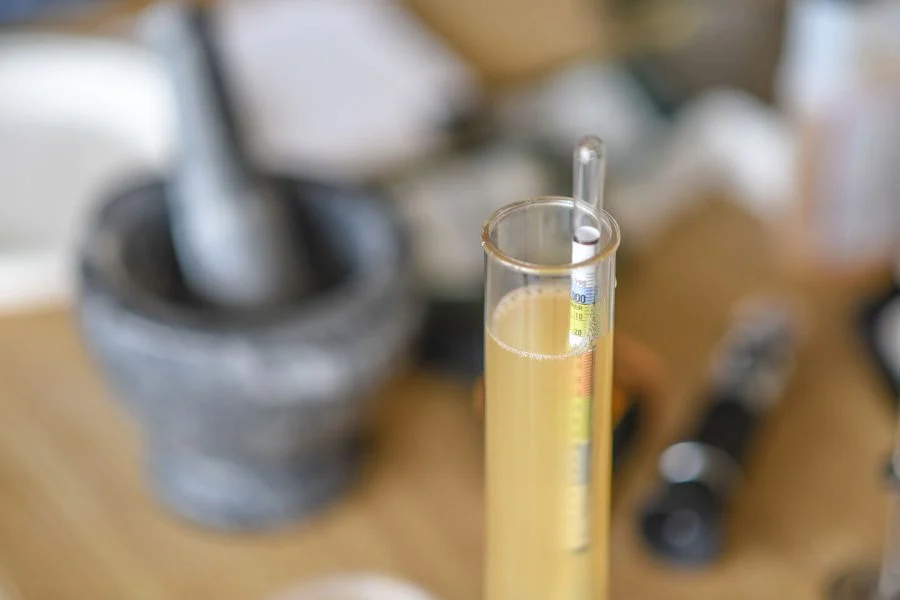
Chuck Beckman of Gilbert, Arizona, a dedicated member of the Arizona Society of Homebrewers, has secured a coveted gold medal in Category 5: Pale Malty European Beer at the 2026 National Homebrew Competition. His winning brew triumphed over 95 other entries in the fiercely competitive final round, solidifying his status as a top-tier homebrewer on the national stage. The victory highlights the exceptional quality and craftsmanship emerging from the vibrant homebrewing community.
A Celebration of Homebrewing Excellence
The National Homebrew Competition, widely regarded as the pinnacle of amateur brewing in the United States, draws thousands of participants each year. Organized by the American Homebrewers Association (AHA), the competition serves as a crucial platform for brewers to showcase their skills, gain recognition, and contribute to the ever-evolving landscape of craft beer. The 2026 edition, culminating in the final round where Beckman’s beer shone, represented a significant milestone, featuring hundreds of medal-winning recipes from the nation’s most talented homebrewers.
The competition’s rigorous judging process involves multiple stages, beginning with local and regional preliminaries before advancing to the national finals. Beers are evaluated by a panel of experienced judges based on a strict set of criteria, including aroma, appearance, flavor, mouthfeel, and overall impression, all aligned with established beer style guidelines. Category 5, "Pale Malty European Beer," typically encompasses styles such as Helles, Oktoberfest, and Vienna Lager, demanding a delicate balance between malt character and subtle hop presence, with a clean fermentation profile.
The Winning Brew: A Masterclass in Helles Lager
Beckman’s gold medal-winning entry, a meticulously crafted Helles Lager, impressed judges with its nuanced malt profile and impeccable balance. The recipe details reveal a thoughtful approach to ingredient selection and brewing technique, aimed at achieving the quintessential characteristics of this classic German lager.
Ingredients:
-
Malts & Adjuncts:
- 9 lbs. (4.08 kg) Root Shoot Genie Pale 2-row
- 8 oz. (227 g) Root Shoot Genie Vienna
- 8 oz. (227 g) Weyermann Carahell
-
Hops:
- 0.7 oz. (20 g) Liberty, 8% alpha acid @ 60 min
- 1 oz. (28 g) Spalt Select, 3.5% alpha acid @ 10 min
- 0.22 oz. (6 g) Spalt Select, 3.5% alpha acid, whirlpool 10 min
-
Yeast:
- 2L starter (379 billion cells) White Labs WLP 860 Munich Helles Lager Yeast
-
Water Profile:
- Calcium (Ca): 52 ppm
- Magnesium (Mg): 0 ppm
- Sodium (Na): 36 ppm
- Chloride (Cl): 99 ppm
- Sulfate (SO4): 45 ppm
- Bicarbonate (HCO3): 24 ppm
-
Additional Items:
- 32 oz. (946 mL) home-made Sauergut (0.68% lactic acid), in mash
- 32 oz. (946 mL) home-made Sauergut (0.68% lactic acid), end of boil
- 0.5 tsp Irish moss @ 15 min
Specifications:

- Yield: 5 U.S. gal. (18.9 L)
- Original Gravity (OG): 1.045 (11.2 °P)
- Final Gravity (FG): 1.012 (3 °P)
- Alcohol by Volume (ABV): 4.3%
- International Bitterness Units (IBU): 21
- Standard Reference Method (SRM): 4
- Brewing Efficiency: 72%
The recipe highlights the use of specific malts known for their contribution to a clean, bready malt character, such as Root Shoot Genie Pale 2-row and Weyermann Carahell. The moderate hop additions of Liberty and Spalt Select are strategically placed to provide a subtle hop aroma and flavor that complements, rather than overpowers, the malt. The selection of White Labs WLP 860 Munich Helles Lager Yeast is crucial for fermenting at lager temperatures, ensuring a clean profile characteristic of the style.
A notable aspect of Beckman’s recipe is the use of "Sauergut," a traditional German sour mash wort. The inclusion of 64 oz. of homemade Sauergut, with a calculated lactic acid content of 0.68%, suggests a deliberate effort to manage mash pH and potentially impart a subtle tanginess or enhance malt complexity, a technique often employed in authentic Helles brewing. The water profile, with its balanced chloride-to-sulfate ratio and moderate mineral content, is also finely tuned to support the delicate malt and hop interplay.
Brewing Process and Fermentation Insights
The brewing instructions provided offer a glimpse into the meticulous process employed by Beckman. The recipe specifies a step mash, a traditional method for lager brewing that involves a series of temperature rests to optimize enzyme activity for malt conversion. The recommended rests include:
- Protein Rest: 131°F (55°C) for 10 minutes, aiding in the breakdown of proteins.
- Saccharification Rest: 147°F (64°C) for 30 minutes, the primary stage for sugar conversion.
- Mashout: 162°F (72°C) for 30 minutes, followed by a mashout at 170°F (77°C) for 10 minutes to stop enzymatic activity and prepare for lautering.
The instruction to "avoid too many finishing hops in the boil to preserve the malt-forward attribute for this style" is a critical piece of advice for brewers aiming to replicate a Helles. This emphasizes the style’s character, which is built on a foundation of malt, with hops playing a supporting role.
Fermentation details are equally important for lager production. Beckman advocates for primary fermentation at a cool 50-52°F (10-11°C), the ideal range for Helles Lager yeast to produce a clean, crisp beer without undesirable esters or phenols. The inclusion of a three-day diacetyl rest at 64°F (18°C) is a standard practice for lagers, allowing the yeast to reabsorb diacetyl, a compound that can impart buttery or butterscotch off-flavors if not properly managed. Following fermentation, a cold crash and packaging are standard procedures for lagers.
Expert Analysis and Implications
The success of Chuck Beckman’s Helles Lager at the National Homebrew Competition underscores several key trends and insights within the homebrewing community. Firstly, it highlights a continued appreciation for traditional European lager styles, which often demand a higher level of technical skill and patience compared to many ale styles. The meticulous attention to mash profiles, fermentation temperatures, and yeast health is paramount for achieving the clean, refined character of a Helles.
Secondly, Beckman’s innovative use of homemade Sauergut demonstrates a growing interest among homebrewers in exploring traditional brewing techniques and ingredients to achieve authentic flavor profiles. While the use of Sauergut can be challenging, its potential to manage mash pH and contribute subtle complexities makes it a valuable tool for brewers dedicated to historical accuracy and nuanced flavor development. The brewer’s note about "your mileage may vary" regarding the lactic acid content is a testament to the experimental nature of homebrewing and the pursuit of personalized perfection.
The judges’ feedback, indicating a desire for "more maltiness in aroma and flavor," provides valuable constructive criticism that can guide future iterations of the recipe. Beckman’s own contemplation of substituting light Munich malt for Vienna and increasing its percentage suggests a proactive approach to refining his craft, embodying the spirit of continuous improvement that defines the homebrewing ethos. This exchange between brewer and judge exemplifies the educational and developmental aspect of competitive homebrewing.
A Community of Champions
Chuck Beckman’s victory is not just a personal achievement but also a significant moment for the Arizona Society of Homebrewers. Such successes often inspire fellow club members and aspiring brewers, fostering a collaborative environment where knowledge and passion are shared. The AHA’s commitment to supporting and promoting homebrewing through events like the National Homebrew Competition plays a vital role in nurturing this vibrant community.
The availability of winning recipes, such as Beckman’s, on platforms like the Homebrewers Association website allows enthusiasts worldwide to learn from the best. This democratization of award-winning recipes empowers homebrewers to experiment, refine their techniques, and perhaps even aspire to their own gold medal achievements. The competition serves as a testament to the ingenuity and dedication of homebrewers, proving that exceptional beer can be crafted with passion, precision, and a commitment to quality, regardless of scale.
The 2026 National Homebrew Competition has once again showcased the depth of talent and innovation within the homebrewing world. Chuck Beckman’s gold medal-winning Helles Lager stands as a shining example of brewing excellence, a testament to his skill, dedication, and the enduring appeal of well-executed traditional beer styles. As the homebrewing community continues to grow and evolve, such victories will undoubtedly inspire future generations of brewers to push the boundaries of creativity and craftsmanship.


