
The Environmental and Biological Context of Konjac
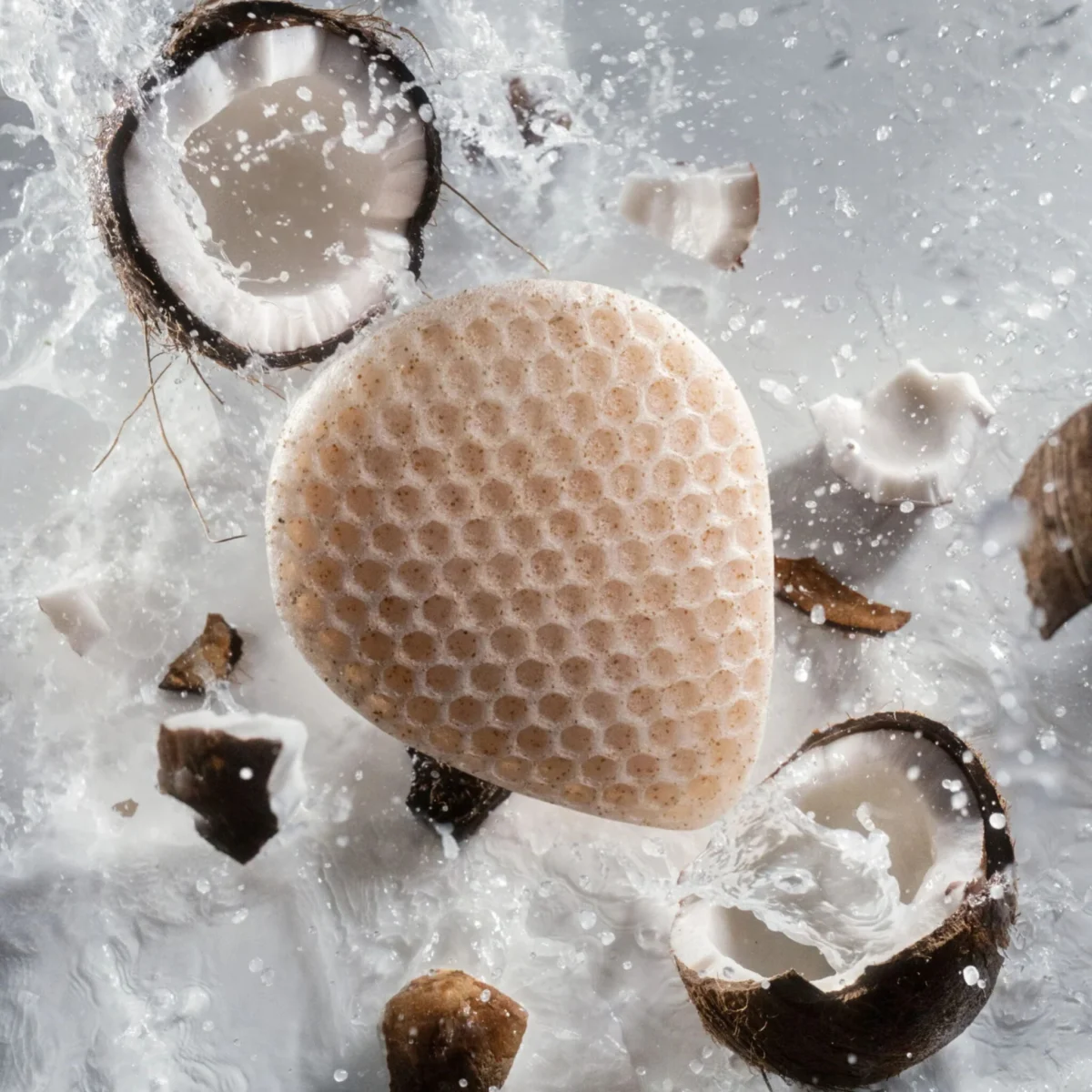
The konjac plant, scientifically known as Amorphophallus konjac, has been utilized in Asian cultures for over 1,500 years, primarily as a food source and a traditional medicine. However, its application in skincare is rooted in the plant’s unique chemical composition. The primary component of the konjac root is glucomannan, a water-soluble dietary fiber with exceptional water-retention properties.
The manufacturing process for a konjac sponge involves extracting the glucomannan fiber from the harvested tubers. This fiber is then mixed with water and natural infusions to create a gel-like substance. This mixture is poured into specialized molds and subjected to a steaming process that solidifies the structure while maintaining its porous, breathable nature. Unlike synthetic sponges, which are derived from petroleum-based polymers, the resulting konjac sponge is entirely alkaline and rich in minerals, providing a natural pH balance for human skin.
The Crisis of Synthetic Shower Accessories
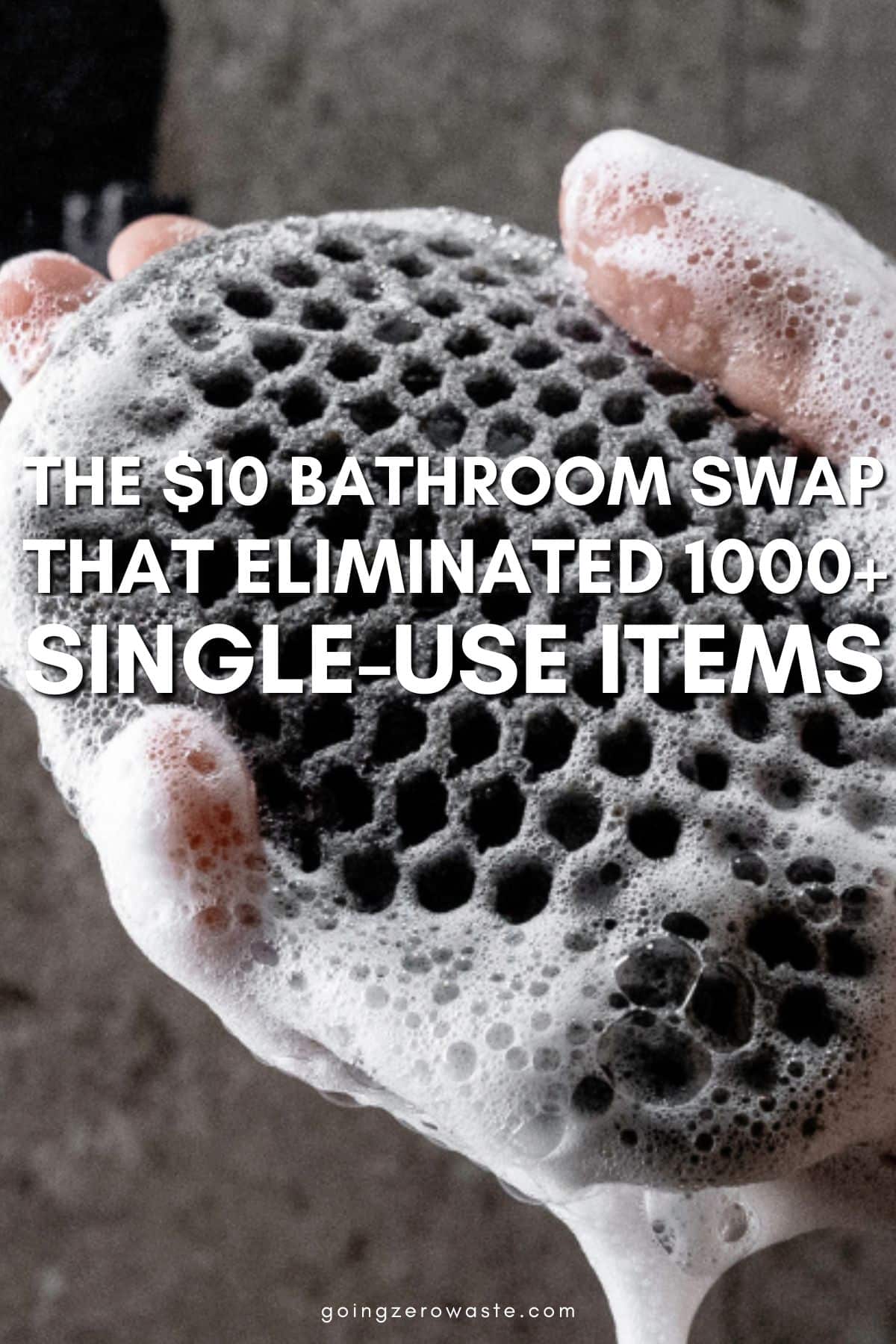
The traditional plastic shower pouf, typically made from polyethylene (PE), represents a significant source of household plastic waste. Environmental data suggests that the average consumer replaces a plastic pouf every two months due to structural degradation and odor. Because these items are composed of tightly wound plastic mesh, they are non-recyclable in most municipal systems, leading to millions of units entering landfills annually.
Furthermore, the hygiene implications of synthetic poufs have come under scrutiny from dermatologists. The humid environment of a shower, combined with the dead skin cells trapped in plastic mesh, creates a breeding ground for bacteria, including Staphylococcus and various fungal spores. When these sponges are used, they can inadvertently reintroduce pathogens to the skin or cause micro-abrasions that lead to irritation. Additionally, as plastic poufs degrade, they shed microplastics—particles smaller than five millimeters—which pass through domestic filtration systems and eventually contaminate marine ecosystems.
Innovation in Natural Exfoliation: The Casamera Model
In response to the limitations of both traditional plastic poufs and standard facial konjac sponges, Casamera has developed a dual-sided scrubber designed for full-body application. This innovation addresses a common critique of natural sponges: that they are often too soft for effective body exfoliation.
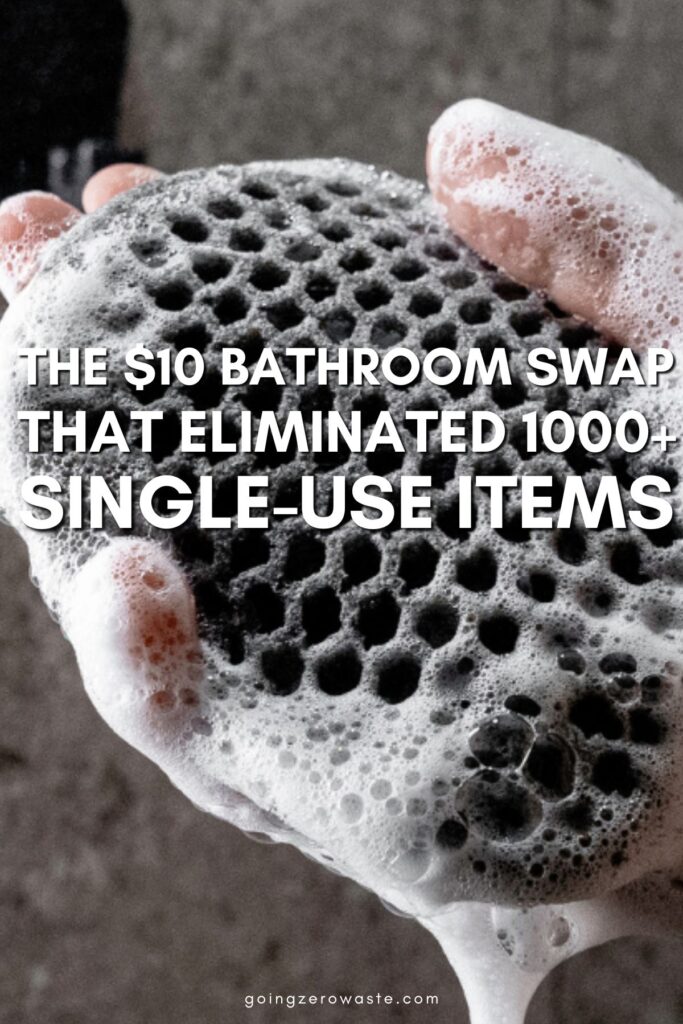
The Casamera design incorporates a soft honeycomb side for sensitive areas and a more abrasive exfoliating side reinforced with natural walnut shells. This hybrid approach allows for a "deep clean" without the use of synthetic materials. To cater to specific skin types, these sponges are infused with various natural elements:
- Activated Charcoal: Targeted at oily and acne-prone skin to draw out impurities.
- Matcha: Utilized for its antioxidant properties to soothe inflammation.
- Volcanic Mud: Employed for deep pore cleansing and mineral replenishment.
- Peppermint and Walnut: Designed for invigoration and intense physical exfoliation.
By integrating an ergonomic handle and antimicrobial properties, these natural scrubbers offer a functional parity with plastic alternatives while remaining 100% compostable at the end of their lifecycle.
Comparative Chronology: The Evolution of Cleansing Tools
The history of bathing tools reveals a cyclical return to natural materials:

- Pre-Industrial Era: Use of natural sea sponges, loofahs (from the Luffa aegyptiaca plant), and textile cloths.
- Mid-20th Century: The rise of mass-produced synthetic polymers leads to the invention of the polyethylene mesh pouf, marketed for its ability to generate excessive lather with minimal soap.
- Early 21st Century: Initial introduction of konjac sponges to the Western market, primarily as high-end facial tools in the "K-Beauty" and "J-Beauty" sectors.
- 2020–Present: The "Zero Waste" movement gains mainstream traction. Consumers begin replacing all bathroom plastics with compostable alternatives, prompting the development of larger, body-sized konjac scrubbers like those produced by Casamera.
Supporting Data: Waste Reduction and Sewer Infrastructure
The shift toward konjac sponges also carries implications for urban infrastructure. A significant portion of the "everything shower" trend involves the use of single-use face wipes. According to municipal water reports in major cities like London and New York, non-biodegradable wipes are a primary component of "fatbergs"—massive, solidified blockages in sewer systems. These blockages, formed by the combination of fats, oils, and synthetic fibers, cost taxpayers millions of dollars in annual maintenance and repair.
In contrast, konjac sponges serve as a reusable alternative to wipes for makeup removal and cleansing. Data indicates that a single konjac sponge can replace up to 100 single-use wipes over its three-month lifespan. Furthermore, because konjac is a plant-based material, it breaks down in a home composting environment within weeks, whereas a plastic pouf may persist in a landfill for centuries.
Official Responses and Industry Impact
Environmental advocacy groups have lauded the move toward plant-based hygiene tools. In statements regarding the reduction of household waste, proponents of the "Circular Economy" emphasize that product design must account for "end-of-life" disposal. Casamera has aligned its operations with these principles, utilizing low-waste shipping materials and participating in carbon-offset programs, such as tree-planting initiatives, to neutralize the environmental cost of manufacturing and logistics.

Dermatological analysis further supports the transition. Clinical observations suggest that the gentle exfoliation provided by glucomannan fibers is superior for maintaining the skin’s lipid barrier compared to the harsh, irregular edges of degraded plastic mesh. By unclogging pores without causing inflammatory micro-tears, natural sponges are increasingly recommended for patients with sensitive skin or chronic conditions like keratosis pilaris.
Maintenance and Longevity Protocol
To maximize the utility of an all-natural scrubber, a specific maintenance routine is required. Unlike plastic, which is inert but prone to bacterial colonization, konjac is a biological material that requires proper airflow to remain effective.
- Activation: The sponge must be fully submerged in warm water until it expands and softens. Using a dry or partially hard sponge can cause skin irritation.
- Sanitization: To ensure the tool remains antimicrobial, it is recommended to submerge the sponge in boiling water for two minutes once per week. This process kills any lingering bacteria without damaging the plant fibers.
- Storage: The sponge should be hung in a well-ventilated area rather than left on a damp shower shelf.
- Disposal: Once the sponge begins to lose its texture or develops a distinct odor (typically after 2–3 months), it can be buried in a garden or placed in a compost bin.
Broader Impact and Market Implications
The success of the konjac sponge reflects a larger trend in the $500 billion global beauty and personal care market. Consumers are no longer satisfied with products that only deliver aesthetic results; they demand "clean" supply chains and biodegradable packaging. The rise of brands like Casamera signifies a move away from the "more is more" philosophy of the 12-step shower routine toward a more intentional, minimalist approach.

As microplastic regulations tighten globally—including bans on microbeads in many jurisdictions—the industry is bracing for a future where synthetic accessories may face similar legislative hurdles. The transition to all-natural alternatives is not merely a consumer preference but a strategic necessity for the long-term sustainability of the personal care sector.
In summary, the replacement of plastic poufs with konjac-based scrubbers represents a confluence of traditional botanical wisdom and modern environmental science. By choosing biodegradable materials, consumers can achieve superior dermatological outcomes while significantly reducing their contribution to the global plastic crisis. The "everything shower" of the future is likely to be defined not by the number of products used, but by the ecological integrity of the tools employed.


