
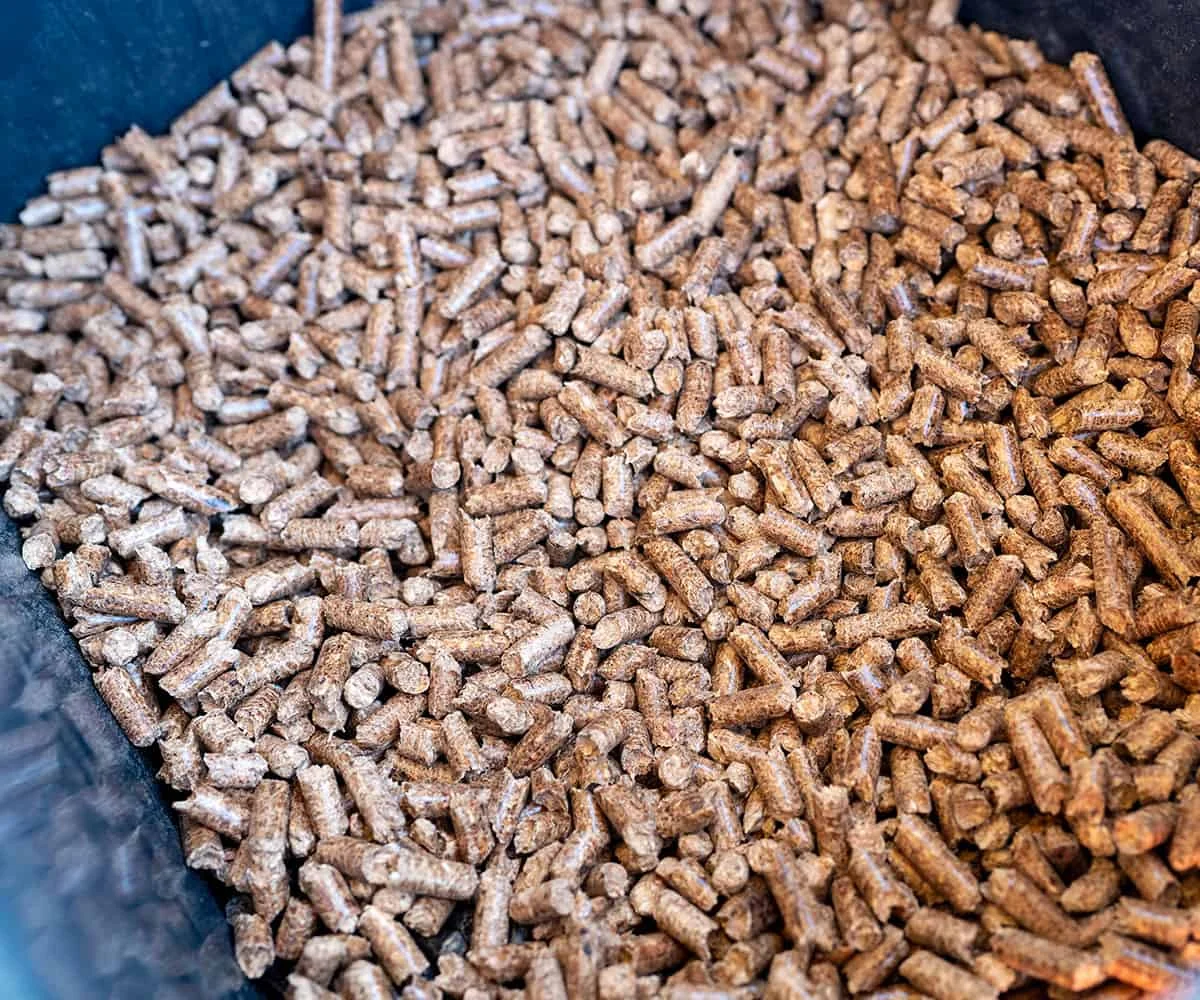
The transition from summer to autumn brings a welcome shift for many pellet grill enthusiasts, offering cooler temperatures ideal for extended smoking sessions. However, this seasonal change also presents a significant, often overlooked, challenge: the degradation of wood pellets due to increased humidity, which can compromise the performance of these popular outdoor cooking appliances. While a dry summer may have preserved pellet fuel, a wetter forecast for the South and East Coast heading into winter signals a potential shift in the reliability of pellet grills for many users.
According to data from the U.S. Drought Monitor, approximately 60% of the contiguous United States experienced drought conditions throughout the summer months. This arid spell has, in many cases, meant that stored bags of wood pellets have remained in relatively dry environments like garages and sheds, maintaining their integrity. This has likely contributed to the smooth operation of pellet smokers throughout September for many users.
However, meteorological forecasts, including those from The Weather Channel, indicate a significant change in atmospheric conditions for the latter half of the year. Predictions suggest that much of the Southern United States, and subsequently the East Coast, will experience above-average precipitation as winter approaches. This increased moisture in the air poses a direct threat to the quality and usability of wood pellets, even those stored in seemingly dry conditions.
The primary concern stems from the hygroscopic nature of wood pellets. Even without direct exposure to rain, pellets stored in garages or sheds can absorb ambient moisture. This absorption is particularly pronounced during cooler nights when humidity levels naturally rise. Pellets stored in opened bags or loosely sealed hoppers are especially vulnerable. As they absorb moisture, they begin to swell, lose their structural integrity, and can clump together. This degradation directly impacts the pellet grill’s feeding mechanism, the auger, leading to inconsistent fuel delivery, hard ignitions, and frustrating flameouts. The resulting temperature fluctuations can significantly affect the outcome of cooks, leading to disappointment and a perception of grill malfunction.
Understanding the Impact of Moisture on Pellet Performance
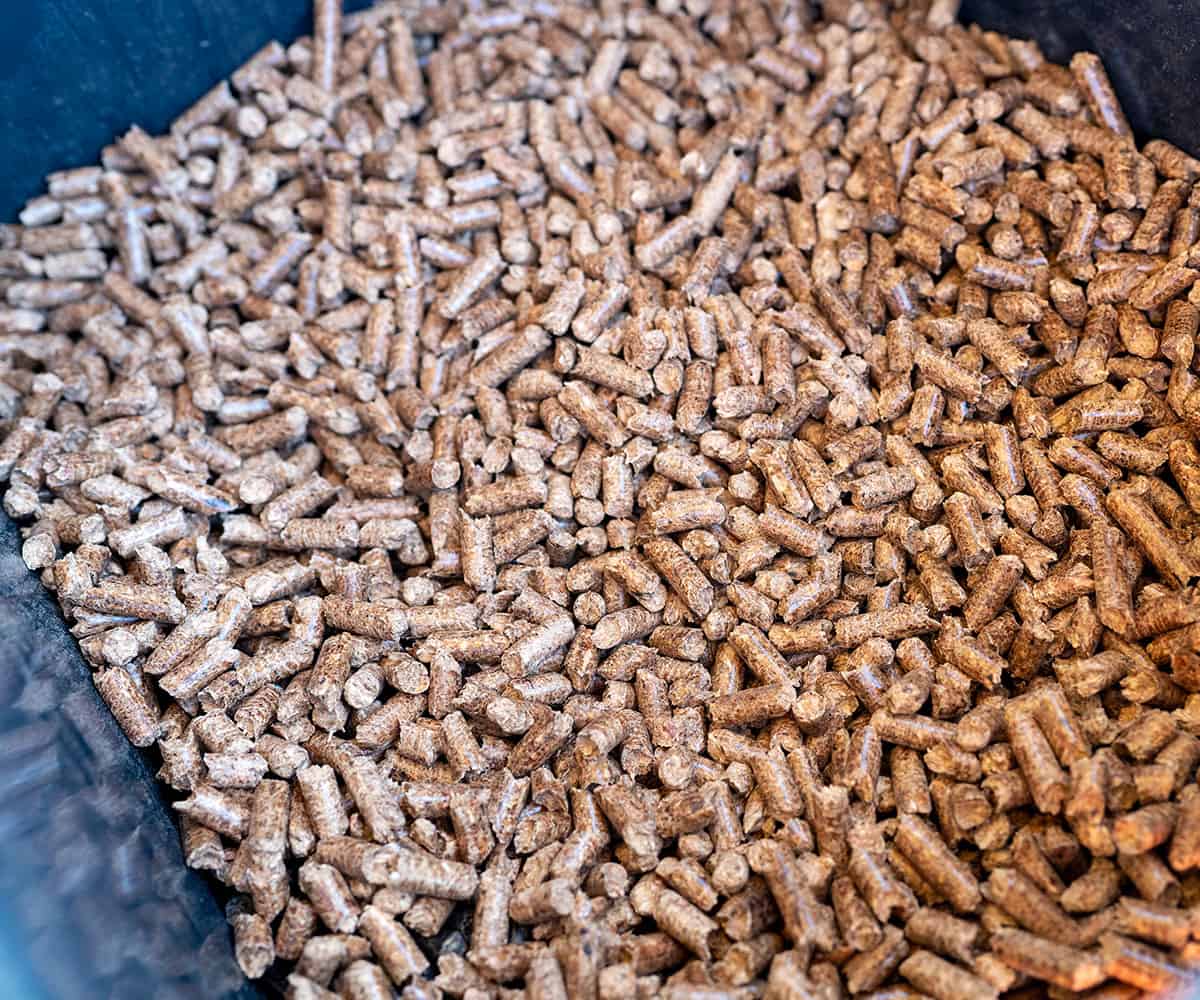
The science behind pellet degradation is straightforward. Wood pellets are essentially compressed sawdust and wood chips. When exposed to moisture, the wood fibers expand. In a pellet grill, this can manifest in several ways:
- Swelling and Clumping: Damp pellets can stick together, forming larger masses that are difficult for the auger to break down and feed into the firepot.
- Crumbling and Dust: Excessive moisture can cause pellets to lose their compact form, turning them into a powdery dust. This dust can clog the auger mechanism and create a less efficient burn.
- Auger Jams: The most common and frustrating symptom of damp pellets is the jamming of the auger. The mechanism designed to precisely deliver pellets to the fire can become overwhelmed by swollen or clumped fuel.
- Inconsistent Burn and Temperature Fluctuations: As the auger struggles to feed damp pellets, the fire in the firepot becomes irregular. This leads to unpredictable temperature swings, making it challenging to maintain the desired cooking temperature and potentially ruining delicate dishes.
- Hard Starts and Flameouts: The initial ignition process can be hampered by damp pellets, leading to multiple attempts to start the grill. Similarly, the fire can extinguish unexpectedly (flameout) due to insufficient or inconsistent fuel supply.
These issues can lead users to believe their pellet grill is malfunctioning, when in fact, the root cause lies in the quality of the fuel being used. As one experienced pitmaster noted, "I blame the fuel first." This perspective highlights the critical importance of proper pellet storage, especially as weather patterns shift.
Strategic Pellet Storage for All Climates
The need for vigilant pellet storage is not uniform across all regions or seasons. Individuals residing in arid climates like Las Vegas, where the author of the original piece lives, might find their pellets remain usable for longer periods, even if stored in less-than-ideal conditions. However, for those who have lived in more humid or precipitation-prone areas such as Kentucky, Mississippi, and Kansas, the necessity of careful storage becomes paramount.
The fundamental principle of preserving pellet quality is to protect them from moisture. This begins the moment a bag of pellets is opened. Transferring pellets from the original bag into an airtight container is a highly recommended practice. Common and effective storage solutions include:
- Five-Gallon Buckets with Lids: These are widely available, durable, and provide a good seal against moisture ingress.
- Airtight Storage Bins: Lidded plastic bins designed for food storage or general organization can also serve this purpose effectively.
Beyond the container itself, the location of storage is crucial. In areas prone to dampness, it is advisable to keep pellet containers off concrete floors. Concrete can act as a wick, drawing moisture up into the bags or containers. For individuals in particularly humid environments, bringing sealed pellet containers indoors, such as into a garage or even the main living space, can provide the most consistent protection.

Adopting a "first-in, first-out" (FIFO) inventory system is also beneficial. By using the oldest bags of pellets first, users minimize the risk of having aged pellets degrade over time. For those who enjoy experimenting with different wood types, creating custom blends of pellets and storing them together in an airtight container can also be an efficient strategy.
When stored correctly in sealed, dry conditions, wood pellets can maintain their quality for months, and in some cases, even years. Conversely, a partially used bag left open in a damp garage can become unusable within a matter of weeks.
The "Snap Test" for Pellet Integrity
A simple yet effective method to assess the quality of wood pellets is the "snap test." By taking a single pellet and attempting to bend it, one can gauge its moisture content and structural integrity.
- Good Pellets: High-quality, dry pellets will snap cleanly when bent, indicating they are brittle and properly compressed.
- Bad Pellets: Pellets that bend, flex, or crumble instead of snapping cleanly are likely compromised by moisture.
Visual inspection can also reveal signs of degradation. Pellets that appear swollen, clumpy, dull in color, or excessively dusty should be considered suspect. While it can be disheartening to discard fuel, attempting to salvage compromised pellets by drying them is generally not recommended. Forcing damp or degraded pellets through the auger system can lead to more significant mechanical issues with the grill and result in inconsistent cooking performance.
Wet-Weather Habits for Pellet Grill Users

For pellet grill owners who frequently encounter damp conditions, adopting specific habits can ensure continued enjoyment of their equipment. Many pellet grills are equipped with a pellet release mechanism in the hopper, designed to allow users to change wood flavors. This feature can be repurposed as a valuable tool for managing moisture.
After each cooking session, especially in damp weather, it is advisable to empty the pellet hopper. By storing the remaining pellets in an airtight container, users can prevent them from absorbing ambient moisture within the grill itself. While the grill’s design typically offers some protection against direct rain, it is rarely entirely airtight. Residual heat from the cook can also contribute to condensation inside the hopper as it cools, further increasing the risk of moisture absorption.
By implementing these proactive storage and maintenance strategies, pellet grill enthusiasts can mitigate the common issues associated with fuel degradation. This ensures that their grills remain reliable and continue to deliver the consistent performance that makes them such a popular choice for outdoor cooking, even as the seasons change and weather patterns shift. The investment in proper pellet storage is a small price to pay for the assurance of successful and enjoyable grilling experiences throughout the autumn and winter months.


