
The holiday season marks a significant period of growth for the botanical and wellness industries, as an increasing number of consumers transition from commercial pharmaceutical products toward traditional, plant-based remedies. For the modern herbalist—ranging from the novice kitchen crafter to the clinical practitioner—the gift-giving season provides an essential opportunity to restock the home apothecary, upgrade extraction hardware, and pursue advanced education. This comprehensive guide details the necessary components for a functional herbal practice, categorized by raw materials, specialized equipment, topical ingredients, and pedagogical resources.

The Rising Prominence of Botanical Wellness
The resurgence of interest in herbalism is not merely a passing trend but a documented shift in consumer behavior toward "slow medicine" and self-reliance. According to market research, the global herbal medicine market was valued at approximately $165.66 billion in 2022 and is projected to reach over $347.50 billion by 2030. This growth is driven by a demographic that prioritizes organic sourcing, transparency in supply chains, and the desire to manage minor ailments through preventative, plant-based care. As a result, gifts that facilitate these practices have become highly sought after, reflecting a broader societal move toward sustainability and holistic health.
A Chronology of the Modern Herbal Movement
To understand the current demand for herbal gifts, one must examine the timeline of the craft’s modern revival:
- 1960s–1970s: The "Back to the Land" movement initiates a renewed interest in foraging and traditional plant lore in North America and Europe.
- 1990s: The Dietary Supplement Health and Education Act (DSHEA) of 1994 provides a regulatory framework for herbal products in the United States, leading to increased retail availability.
- 2010s: The digital revolution allows for the proliferation of online herbal schools, such as the Herbal Academy, standardizing botanical education for a global audience.
- 2020–Present: Global supply chain disruptions and a heightened focus on immune health lead to a surge in home-based herbalism, with individuals seeking to grow and process their own medicinal plants.
Sourcing the Raw Materials: The Foundation of the Apothecary
The core of any herbalist’s practice is the plant material itself. For those who do not grow or forage their entire supply, sourcing high-quality, organic dried herbs is a logistical priority. Industry experts emphasize that the efficacy of an herbal preparation is directly tied to the freshness and purity of the raw ingredients.
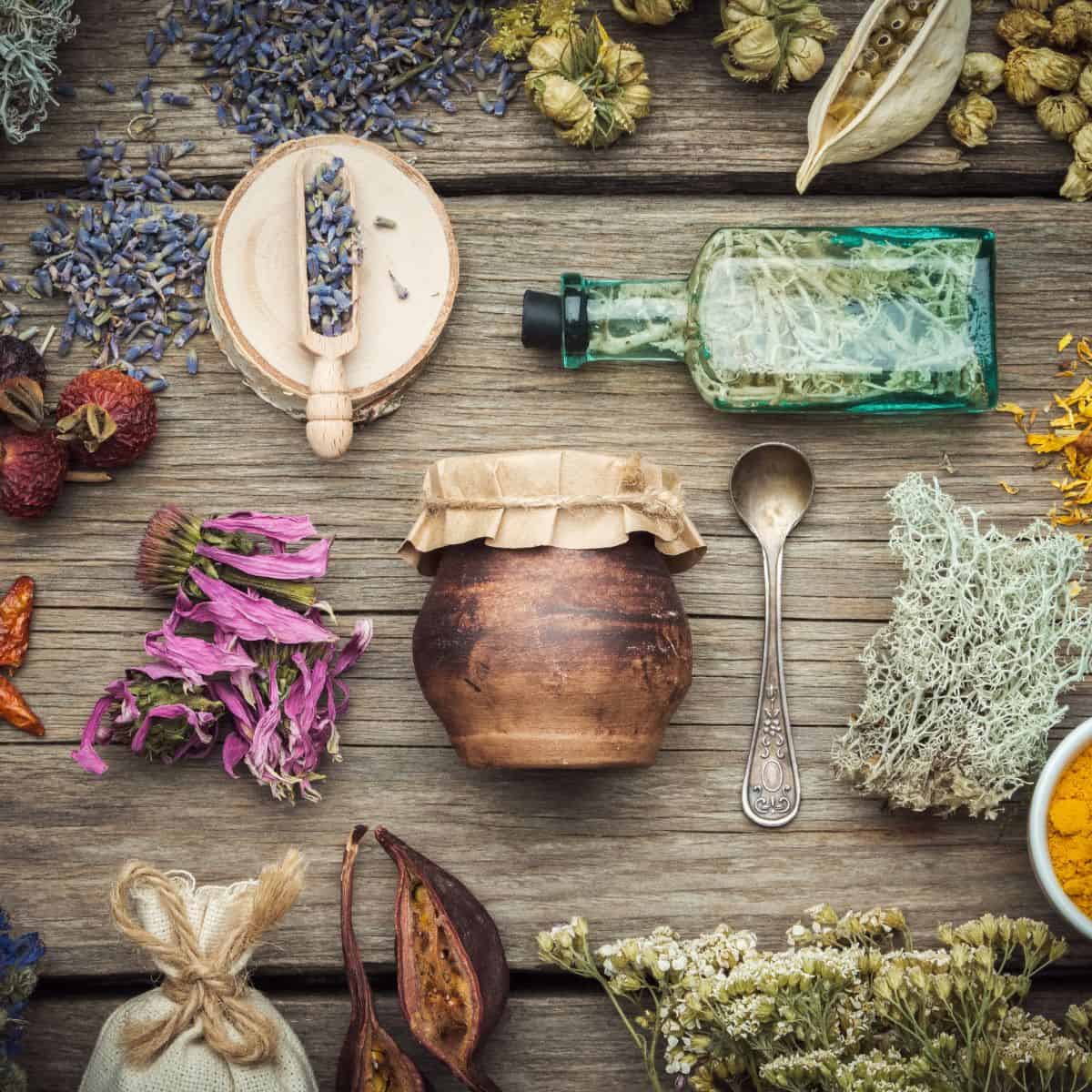
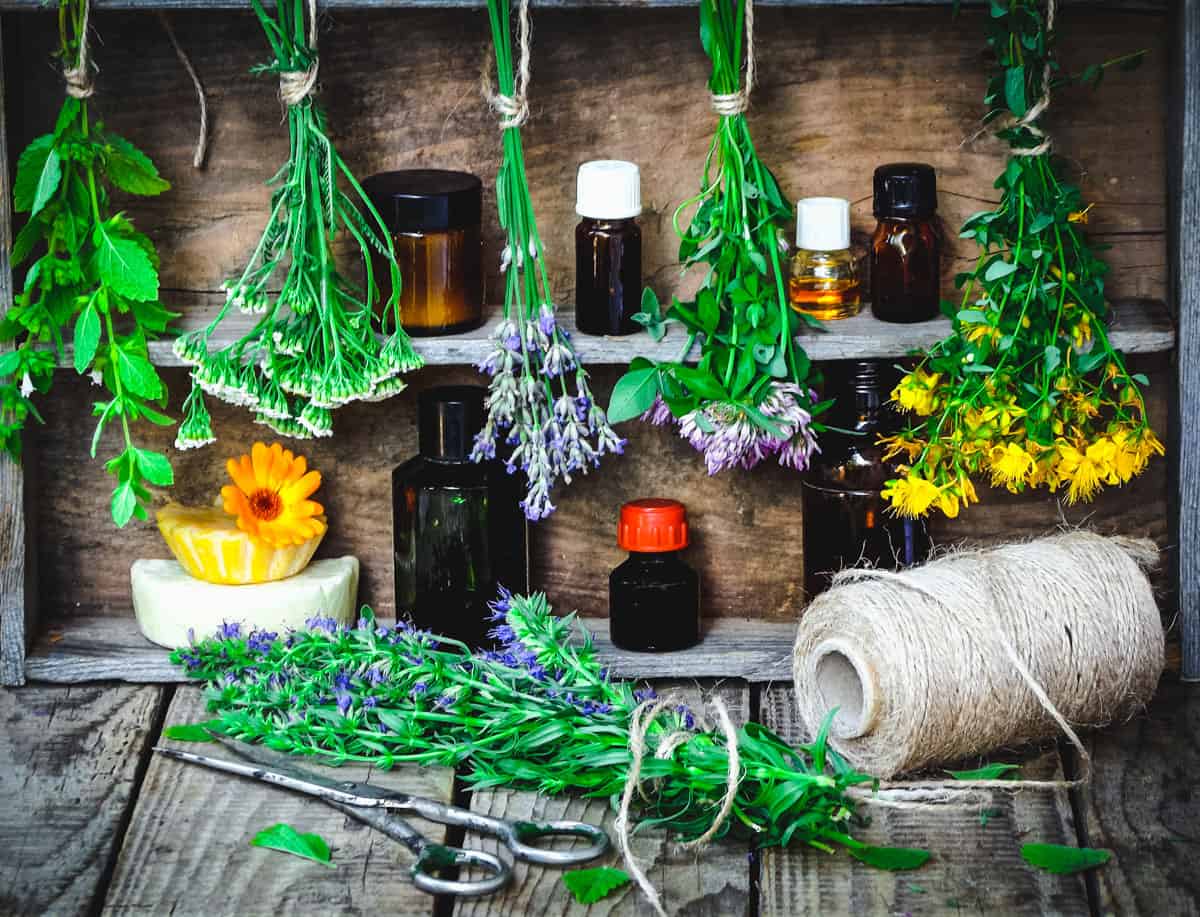
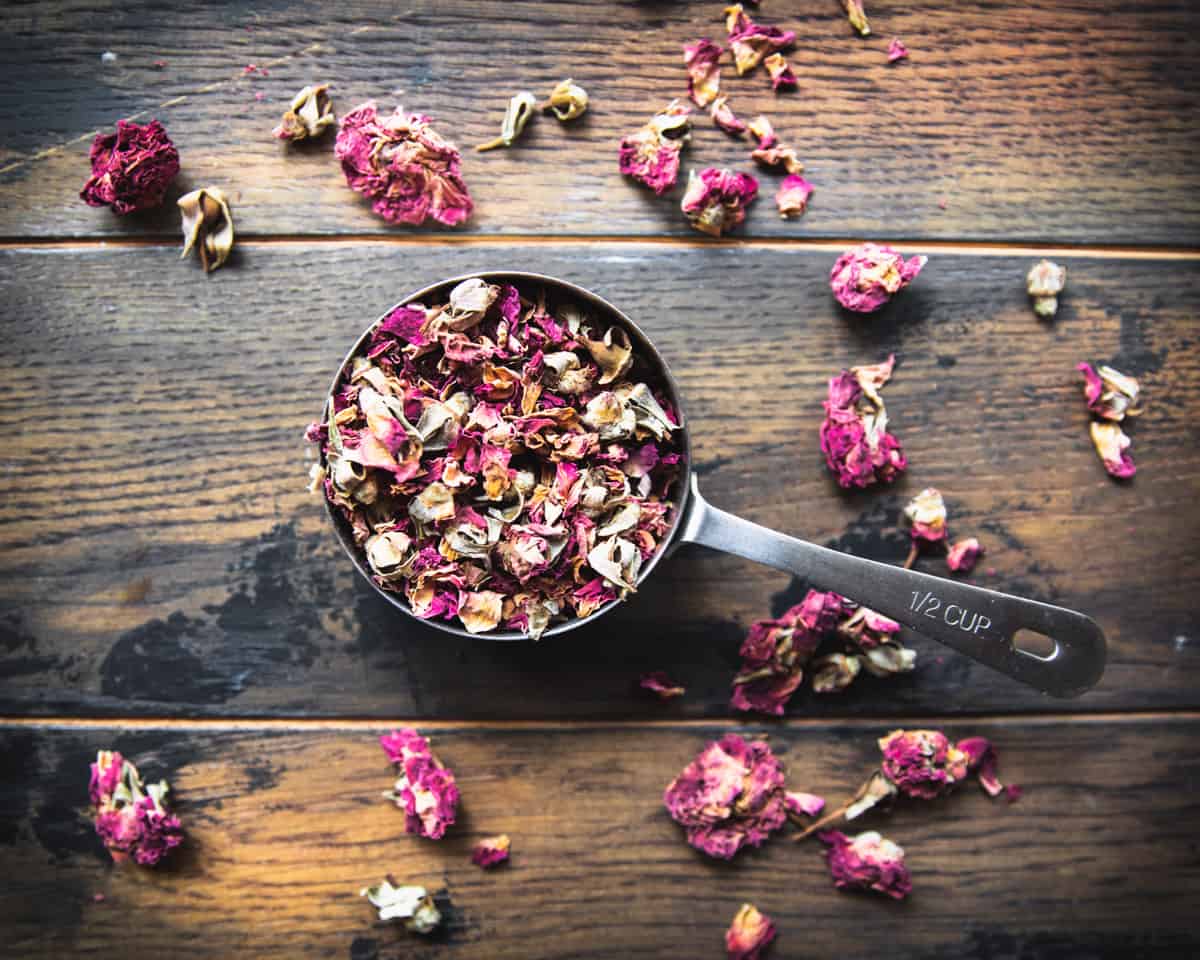
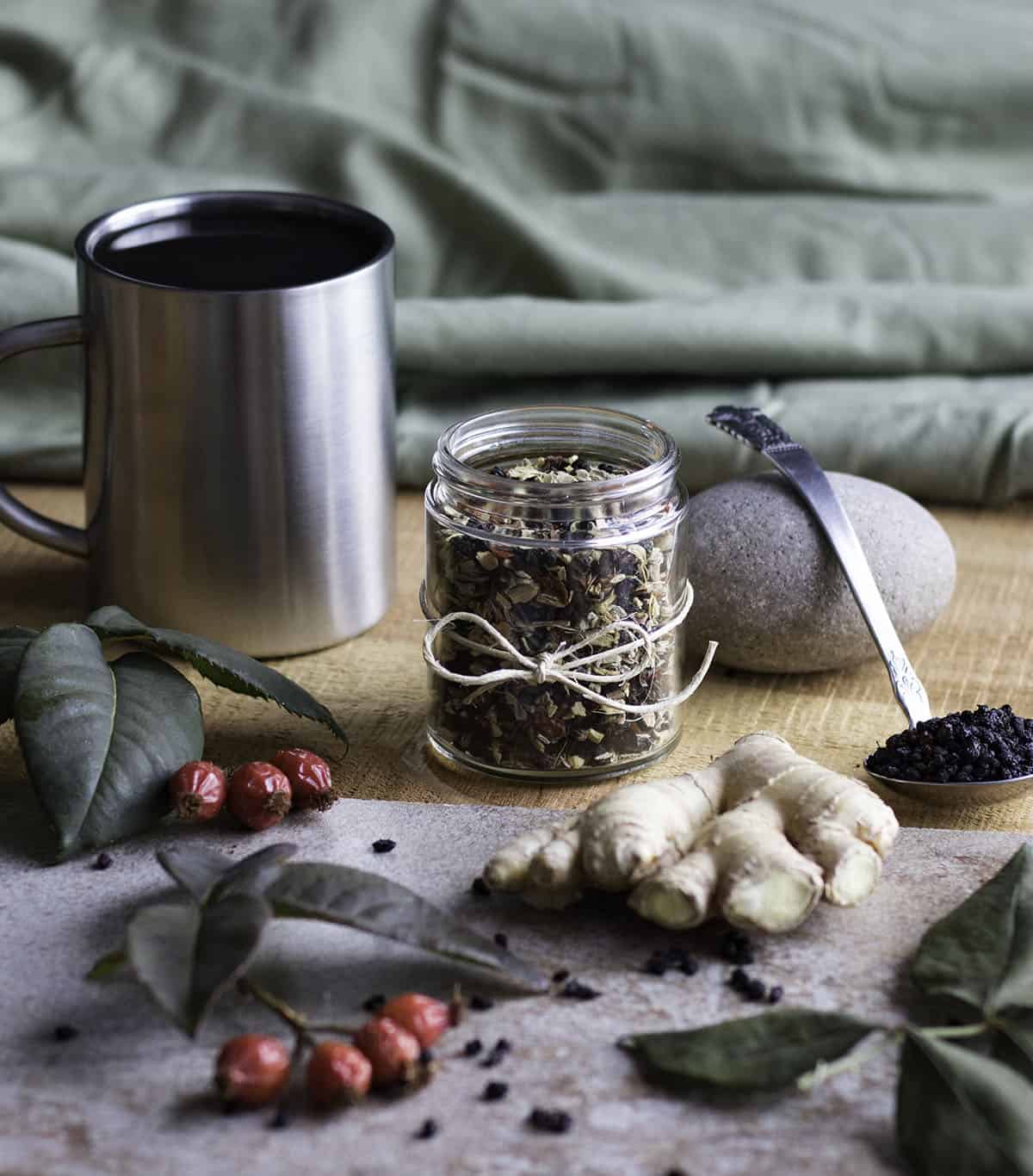
Popular botanicals that serve as the "workhorses" of the home apothecary include elderberries (Sambucus nigra), known for their antiviral properties and use in winter syrups; calendula flowers (Calendula officinalis), prized for their skin-soothing vulnerabilities; and stinging nettle (Urtica dioica), a nutrient-dense herb used in nourishing infusions. Other staples include rose petals for nervous system support, lavender for relaxation, and peppermint for digestive health. For the gift-giver, creating "themed kits" focused on specific wellness goals—such as immune support, digestive health, or stress management—offers a curated approach to botanical gifting.
The Infrastructure of Extraction and Storage
A functional herbal workspace requires specialized hardware designed for the maceration, filtration, and preservation of botanical compounds. Unlike standard kitchenware, herbal equipment must often be non-reactive to ensure that the chemical profile of the plant remains untainted.
Precision Glassware and Storage
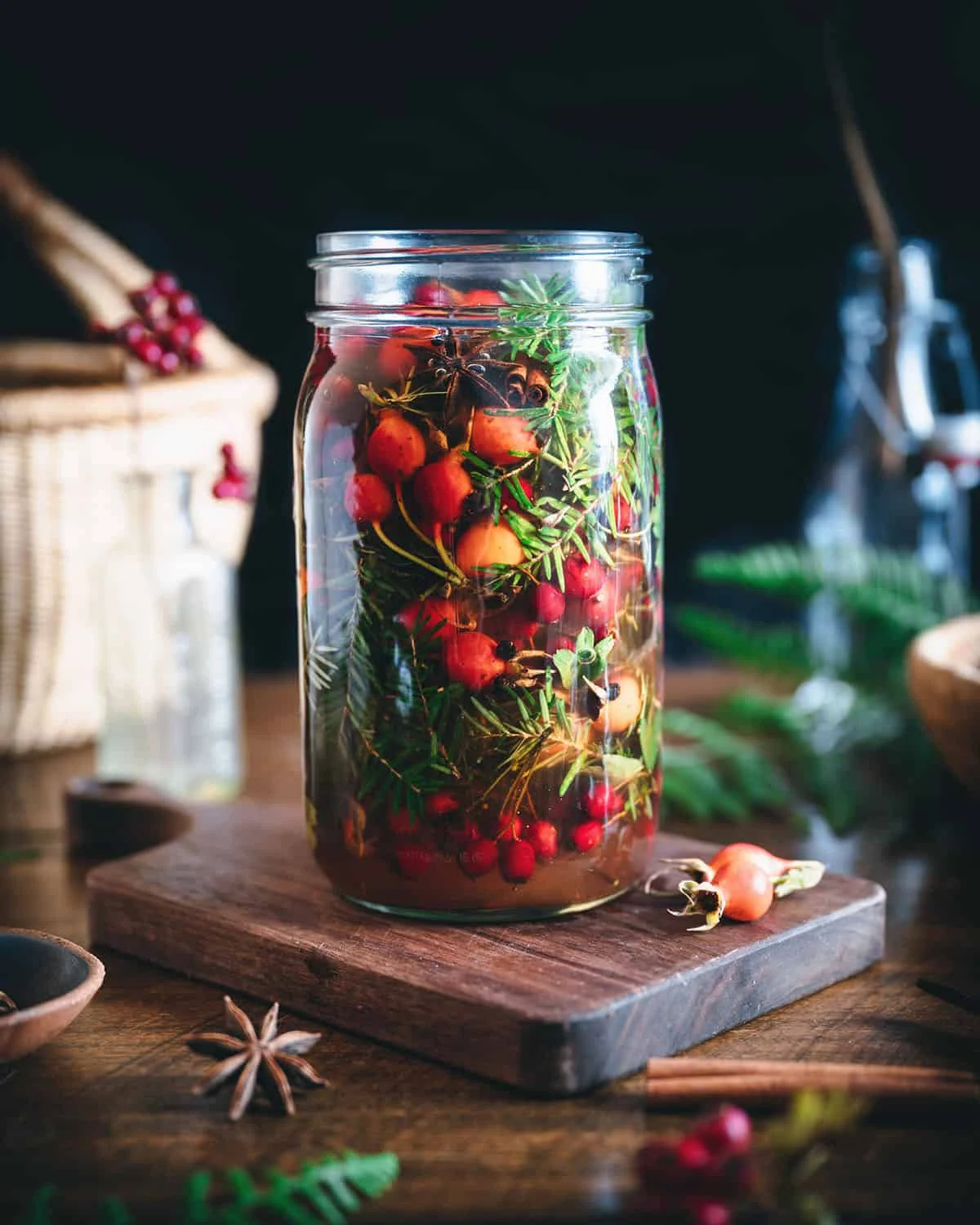
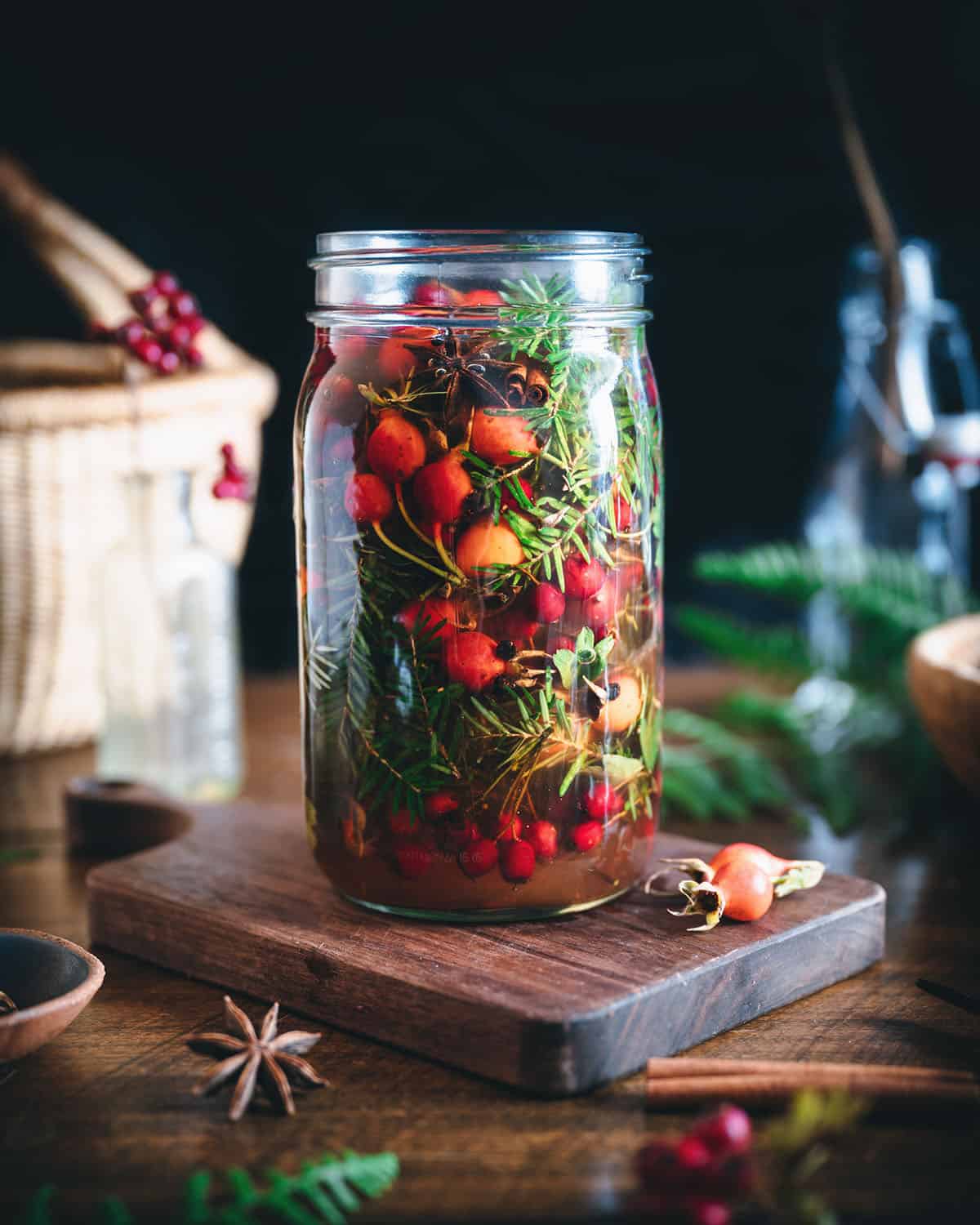
Mason jars remain the industry standard for the maceration of tinctures, infused oils, and herbal honeys. However, the modern practitioner often requires upgrades such as leak-proof storage lids, which allow for the regular agitation of infusions without the risk of oxidation or spills. For finished products, ultraviolet (UV) glass or amber Boston Round bottles are essential for protecting light-sensitive compounds from degradation.
Filtration and Measurement
The transition from a raw infusion to a shelf-stable remedy requires precise filtration. Stainless steel fine-mesh strainers and funnels of various diameters are indispensable tools. For professional-grade results, many herbalists utilize small-scale tincture presses or reusable cloth bags to ensure every drop of the solvent—whether alcohol, vinegar, or oil—is recovered from the marc (the spent plant material).
Rituals of Infusion: Tea and Ceremony
Tea remains the most accessible and widely practiced form of herbal medicine. The hardware associated with brewing loose-leaf tea has evolved to blend functionality with aesthetic appeal. Glass teapots allow the practitioner to observe the "agony of the leaf"—the unfolding of dried botanicals as they hydrate—while cast iron teapots (tetsubin) provide superior heat retention for long-steeped medicinal decoctions.
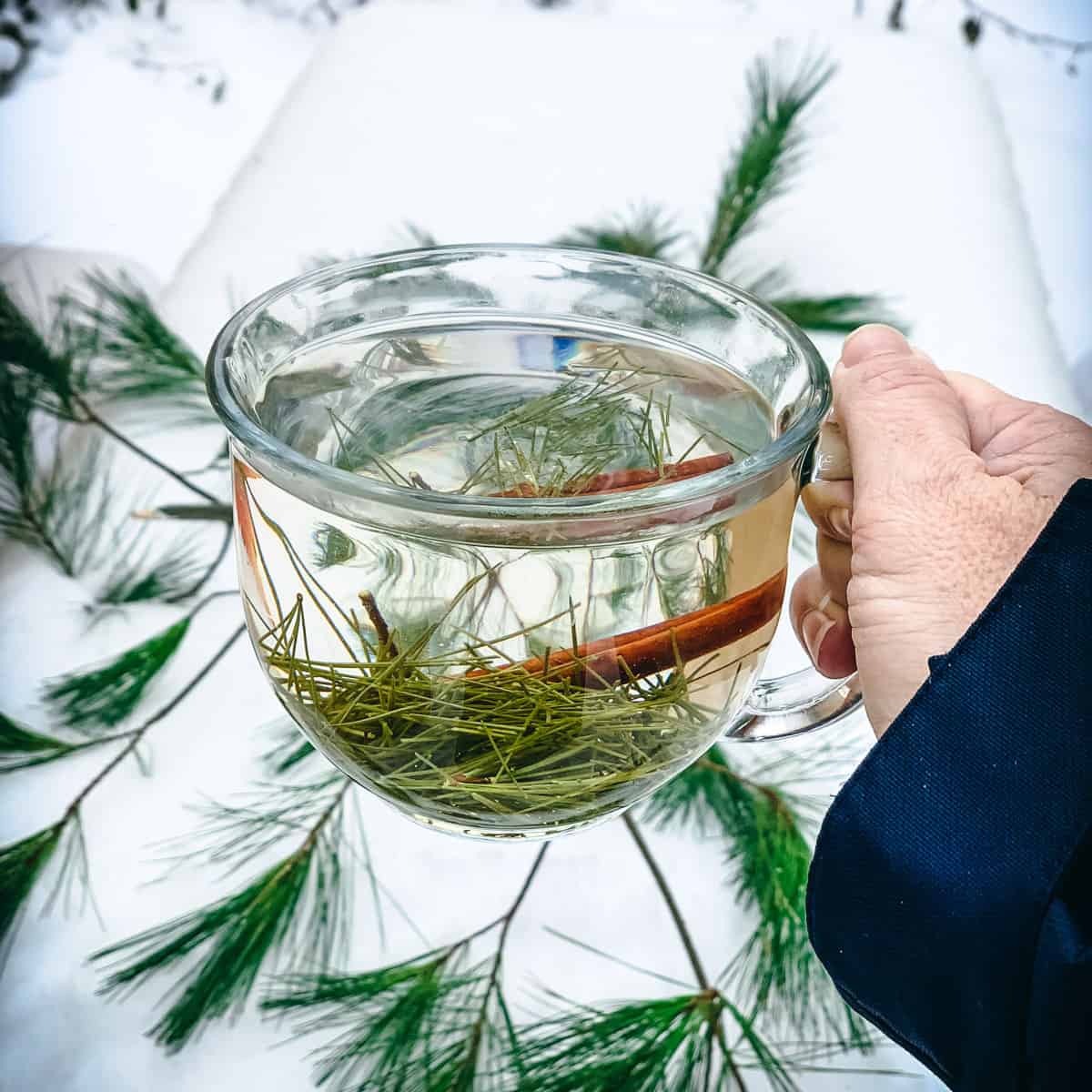
For individual use, ceramic infuser mugs and stainless steel strainers featuring celestial or botanical motifs have become popular gift items. These tools facilitate the daily "nourishing infusion" practice popularized by herbalists like Susun Weed, which involves steeping high-mineral herbs for four to eight hours to extract maximum nutritional content.
Topical Applications and the Chemistry of Skincare
Herbalism extends beyond internal consumption into the realm of topical therapy. Crafting salves, balms, and lotions requires a specific set of raw ingredients that act as carriers for herbal properties.
- Carrier Oils and Butters: High-quality jojoba, sweet almond, and apricot kernel oils serve as the base for infusions. Shea and cocoa butters provide the structural integrity for salves.
- Beeswax: Often sourced in small pellets or "pastilles," beeswax is the primary thickening agent in herbal salves and lip balms.
- Essential Oils: While distinct from herbalism, aromatherapy often complements botanical practices. Pure essential oils are used in minute quantities to enhance the therapeutic profile and scent of topical products.
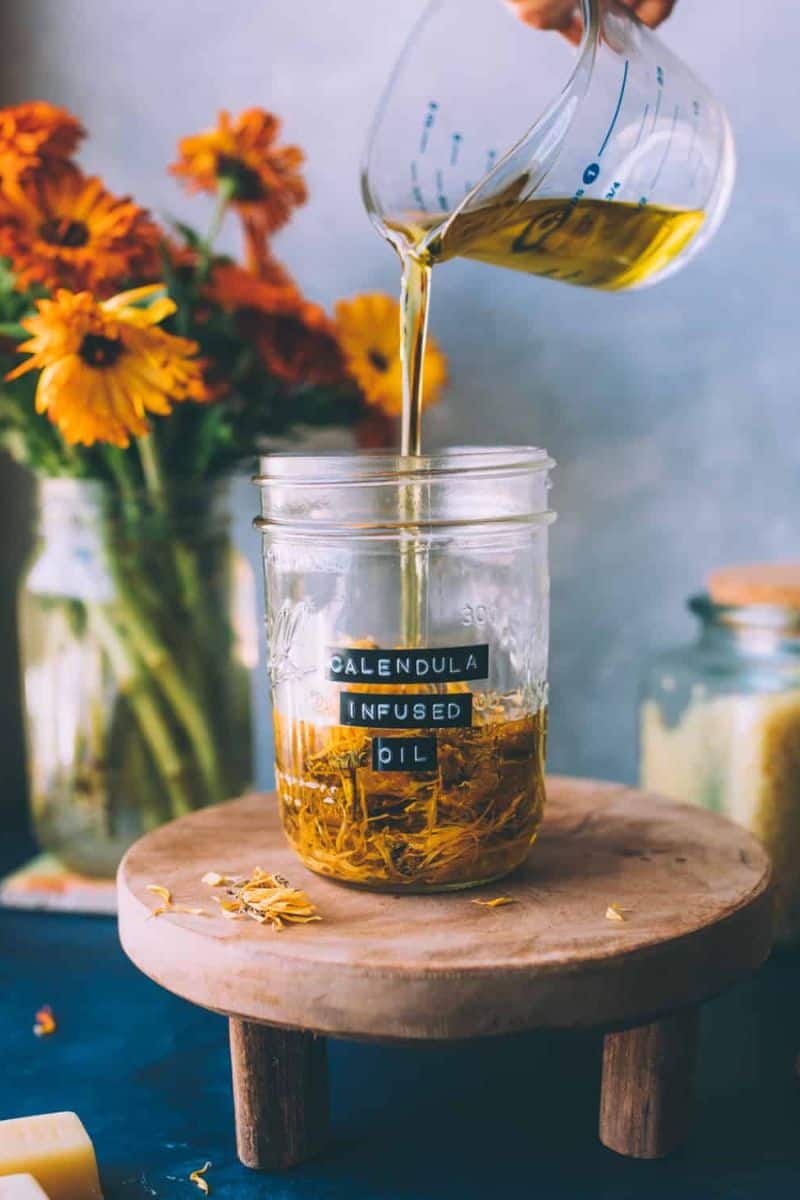
For those who prefer to purchase finished products, the market for "small-batch" herbal skincare has expanded. Artisanal producers who focus on "slow-infused" oils—where herbs are steeped in oil for six weeks rather than heated rapidly—are particularly respected within the community.
Professional Education and the Botanical Library
As the field of herbalism becomes more sophisticated, the demand for rigorous education has increased. Gifting an enrollment in an online herbal course provides the recipient with a structured pathway toward clinical or community-based practice. The Herbal Academy is a primary example of a modern institution offering tiered programs, from introductory courses to advanced clinical studies.
Furthermore, a robust reference library is essential for the safe and effective use of plants. Key texts frequently recommended by professionals include:
- The Herbal Medicine-Maker’s Handbook by James Green: A foundational text on the technical aspects of extraction.
- Medical Herbalism by David Hoffmann: A comprehensive clinical guide to the principles and practice of herbal medicine.
- Healing Herbal Infusions by Colleen Codekas: A practical guide focusing on accessible, home-based remedies.
- Botanical Skin Care Recipe Book: A specialized resource for formulating high-quality topical treatments.
Market Analysis and Economic Implications
The surge in holiday spending on herbal supplies has a significant impact on small-scale organic farmers and specialized retailers. Companies like Mountain Rose Herbs have reported consistent growth, reflecting a consumer base that is increasingly willing to pay a premium for certified organic and "Salmon-Safe" botanicals. This economic shift supports biodiversity and sustainable agricultural practices, as many medicinal herbs are grown in polyculture systems that benefit the local ecosystem.
Furthermore, the "DIY" nature of herbalism encourages a circular economy. A gift of raw beeswax and dried calendula allows the recipient to produce dozens of tins of salve, which are often then distributed as gifts themselves, further propagating the craft and its associated values.
Future Implications for the Herbal Industry
As we look toward the future, the integration of herbalism into mainstream wellness appears inevitable. The "gift guide" for herbalists is more than a list of products; it is a catalog of the tools required for a demographic seeking to reclaim agency over their health. The continued investment in high-quality supplies, education, and sustainable sourcing indicates that herbalism will remain a vital component of the global health landscape.

In conclusion, the ideal gift for an herbalist is one that respects the tradition of the craft while providing the precision required for modern application. Whether through the provision of raw organic botanicals, the hardware of extraction, or the gift of knowledge through literature and courses, these contributions support a practice that is as much about environmental stewardship as it is about human health. As the holiday season approaches, the focus on botanical gifting serves as a reminder of the enduring relationship between humanity and the plant kingdom.


