The intersection of domestic food security and ecological stewardship has driven a significant resurgence in backyard gardening, particularly within the framework of permaculture. As the holiday season approaches, consumer demand for high-durability tools and educational resources has reached a five-year peak, reflecting a broader societal shift toward self-sufficiency. This comprehensive guide outlines the essential acquisitions for the modern gardener, ranging from precision-engineered implements to foundational literature on regenerative agriculture. Market analysis suggests that the "Grow-Your-Own" (GYO) movement, which saw a massive influx of participants during the 2020-2022 period, has matured into a sustained hobbyist sector where quality and sustainability are prioritized over disposable consumer goods.
The Economic and Cultural Shift in Modern Gardening
According to data from the National Gardening Association, the United States saw an addition of over 18 million new gardeners during the early 2020s. This demographic shift has fundamentally altered the retail landscape for gardening supplies. While traditional landscaping focused on aesthetic maintenance, the contemporary gardener is increasingly interested in permaculture—a design system based on ethical principles that mimic natural ecosystems. This shift has created a niche market for specialized tools that facilitate "food forests" and "swale planting beds," techniques designed to maximize water retention and soil health in small urban or suburban spaces.
The transition from seasonal hobbyism to year-round ecosystem management has prompted a demand for professional-grade equipment. Analysts note that today’s gardeners view their toolsets as long-term investments rather than annual purchases. This trend is particularly evident in the selection of high-carbon steel implements and non-toxic irrigation systems that promise longevity and minimal environmental impact.
Precision Engineering: Essential Small Garden Tools
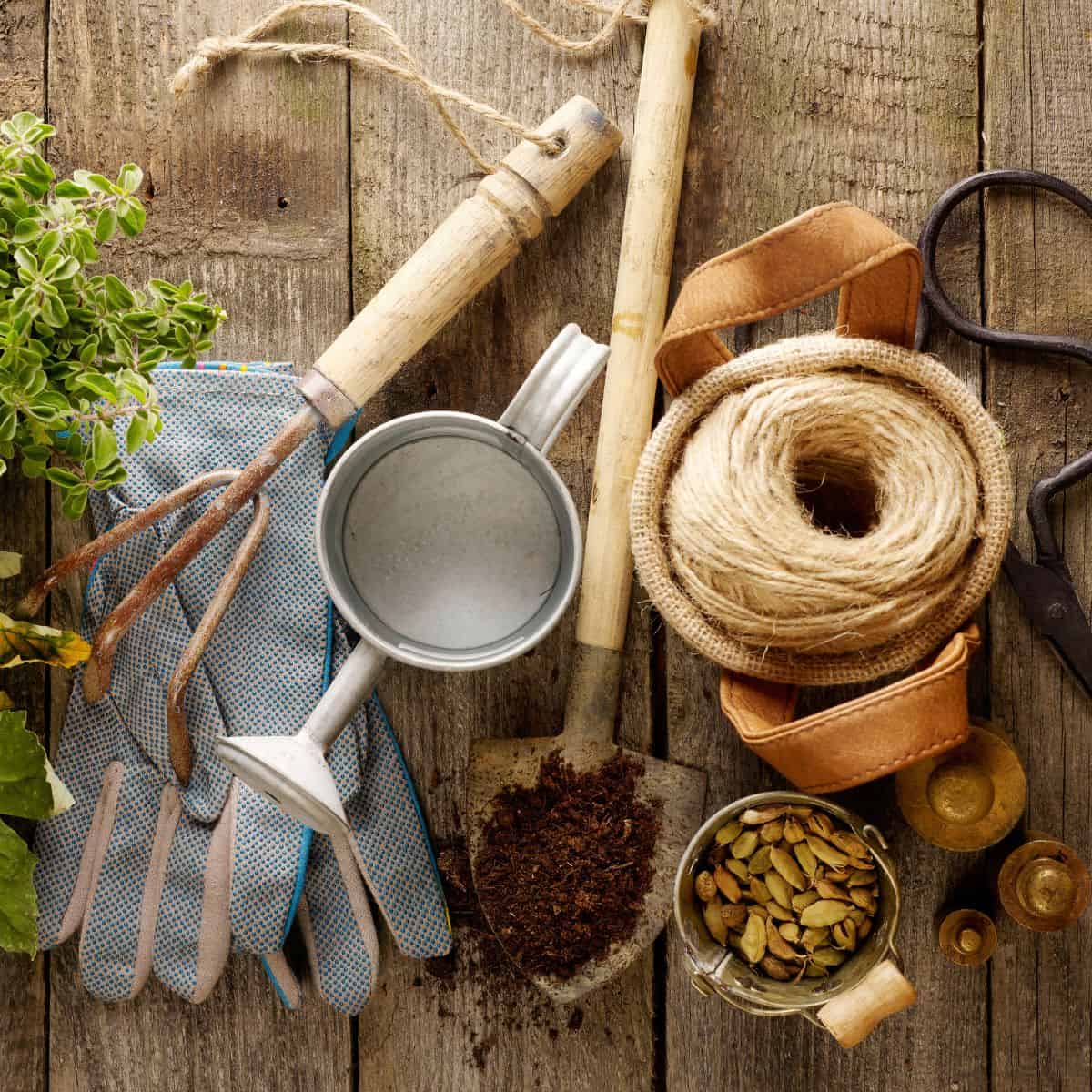
The foundational element of any gardening kit is the hand tool. In the realm of permaculture, where soil disturbance is often minimized, the Hori Hori garden knife has emerged as a primary implement. Originating from Japanese horticulture, the Hori Hori is a multi-functional tool featuring a serrated edge for cutting roots and a sharp point for weeding and transplanting. Its versatility makes it indispensable for gardeners managing complex, multi-layered planting schemes.
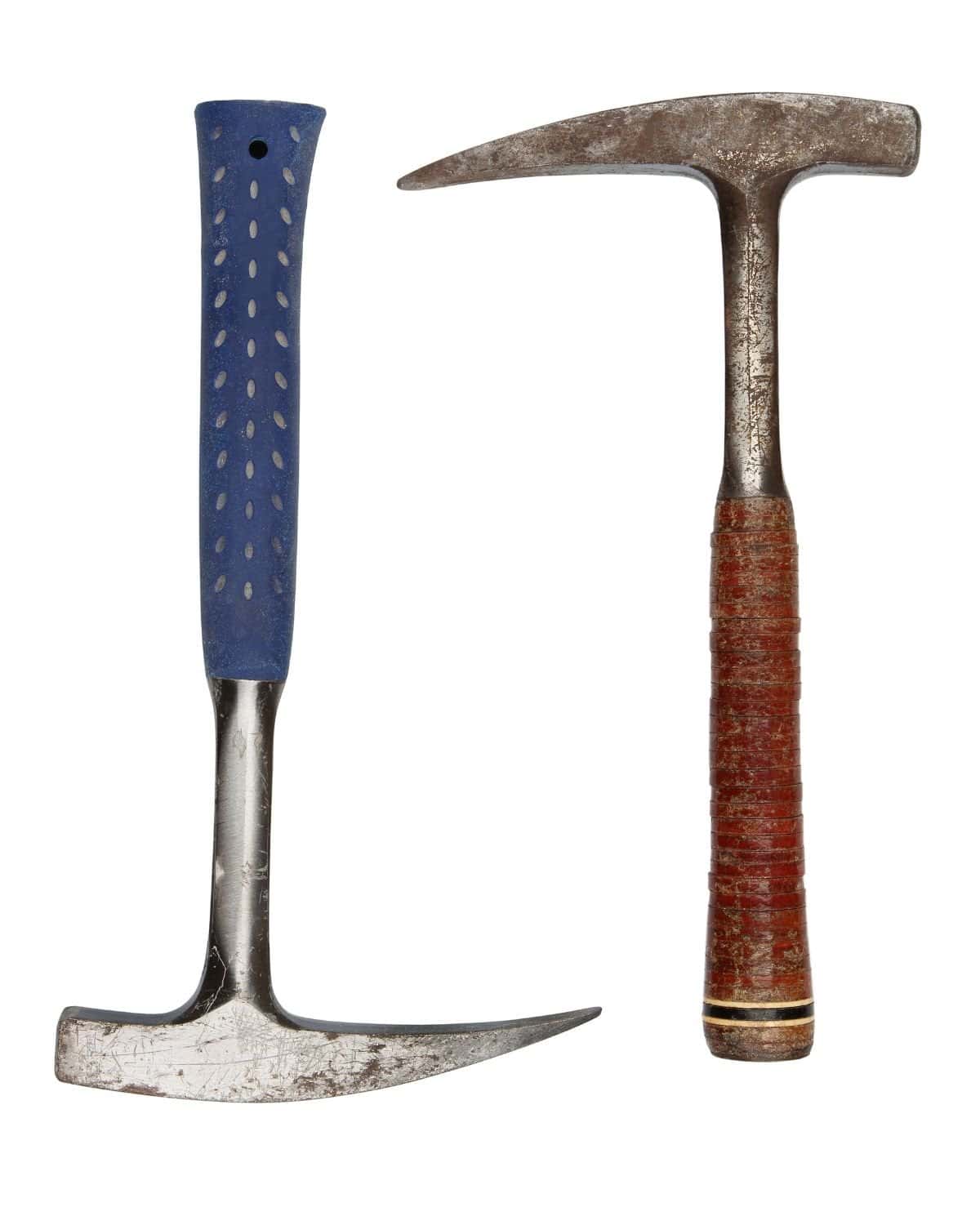
Complementing the Hori Hori is the CobraHead weeder and cultivator. This tool is designed with a unique "steel fingernail" shape that allows for precise weed removal without disrupting the surrounding mycelial networks of the soil. For those working in rocky terrain or establishing new permaculture swales, the inclusion of an Estwing Rock Pick—a tool traditionally associated with geology—has become a standard recommendation for its durability and leverage in breaking compacted earth.

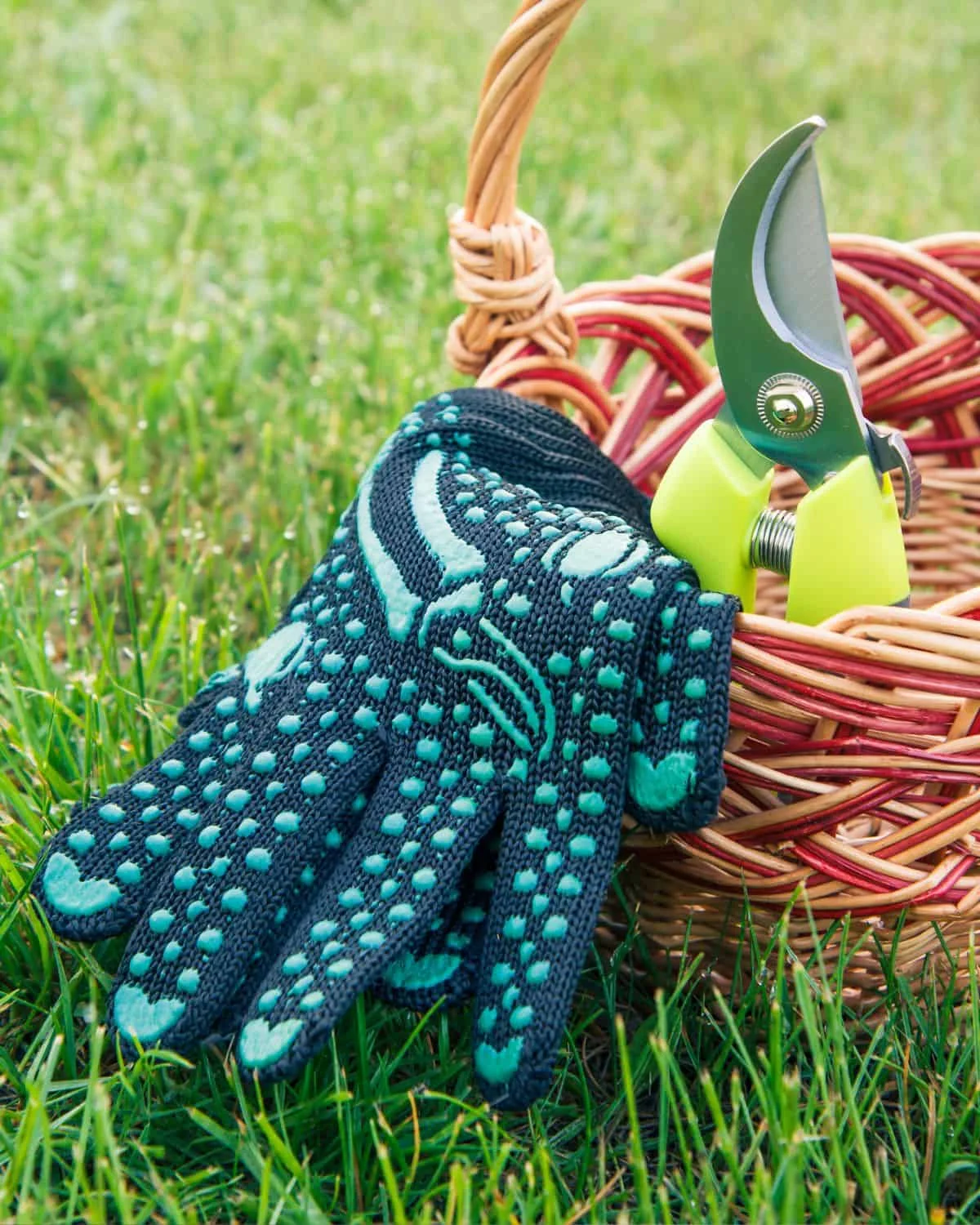
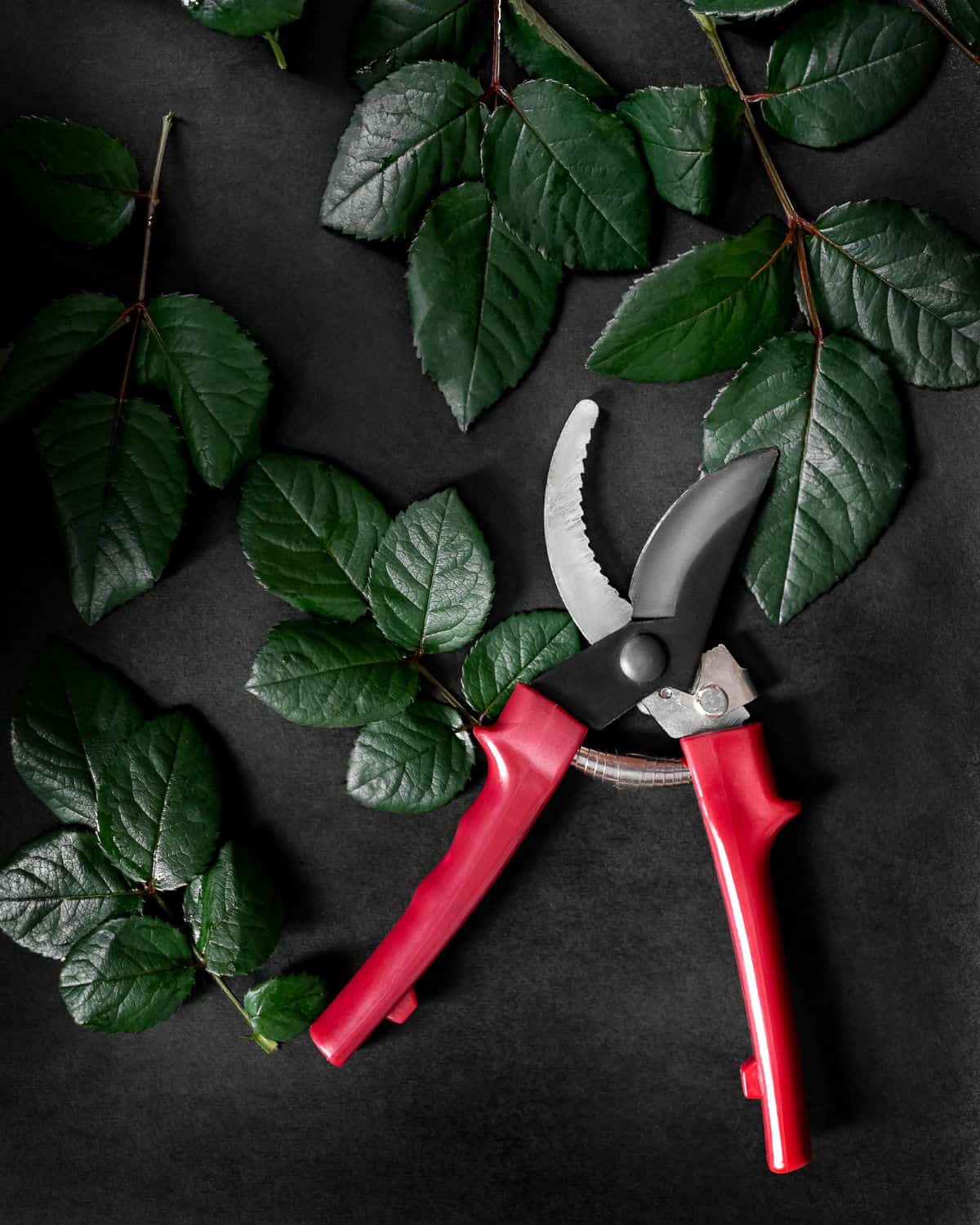
In the category of pruning and maintenance, the industry standard remains the Felco pruner. Manufactured in Switzerland, these tools are recognized for their replaceable parts and ergonomic design, which reduces hand fatigue during extensive harvesting or dormant pruning. For consumers seeking a more budget-friendly alternative without sacrificing significant utility, Corona pruners and shears offer a high-performance option for harvesting greens, lavender, and other herbaceous perennials. Furthermore, the Laplander folding saw has become a staple for backyard forest gardeners who require a portable, high-tension blade for managing fruit trees and woody shrubs.
Advanced Irrigation and Protective Gear
Effective water management is the cornerstone of any successful permaculture project. While automated drip systems are efficient, the traditional galvanized metal watering can remains a preferred choice for targeted hydration of delicate seedlings and potted herbs. Metal cans provide a durable, UV-resistant alternative to plastic variants, which often degrade and leach microplastics into the garden environment over time.
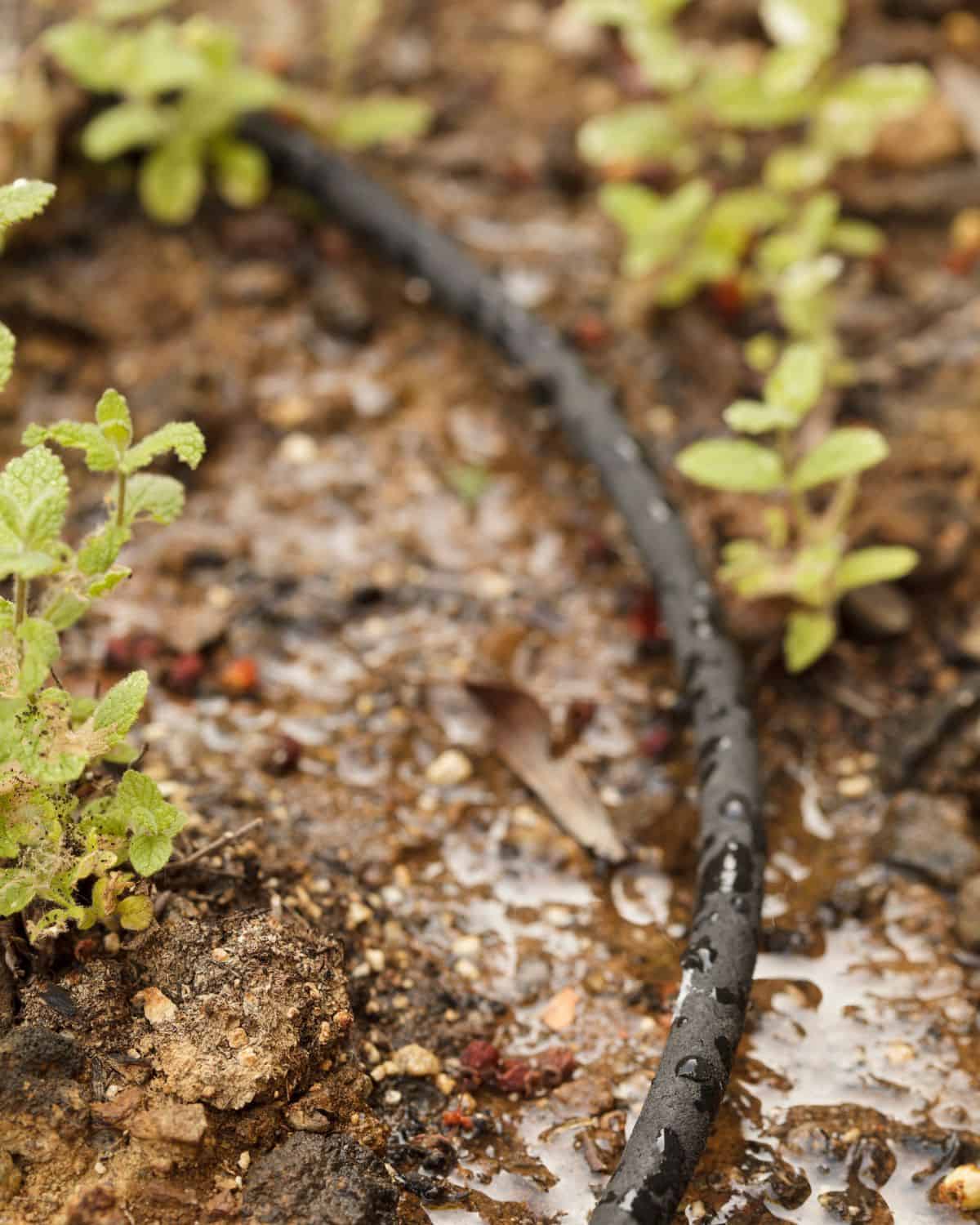
For larger-scale irrigation, the focus has shifted toward "drinking water safe" hoses. Traditional garden hoses often contain lead, phthalates, and BPA, which can contaminate edible crops. Products such as Water Right hoses use medical-grade polyurethane, ensuring that the water delivered to the roots is free from toxic chemicals. Additionally, the use of soaker hoses allows for deep, slow-release irrigation that reduces evaporation and promotes the development of deep root systems, a key goal in resilient garden design.
Personal protection for the gardener has also seen innovation. Bamboo gardening gloves are increasingly popular due to their breathability and sustainable material origin. For the younger generation of gardeners, specialized child-sized gloves and non-toxic watering sets, such as those produced by Green Toys, facilitate early education in environmental stewardship. Industry experts suggest that involving children in the gardening process fosters a long-term commitment to sustainability and healthy eating habits.
The Science of Propagation: Seed Starting and Season Extension
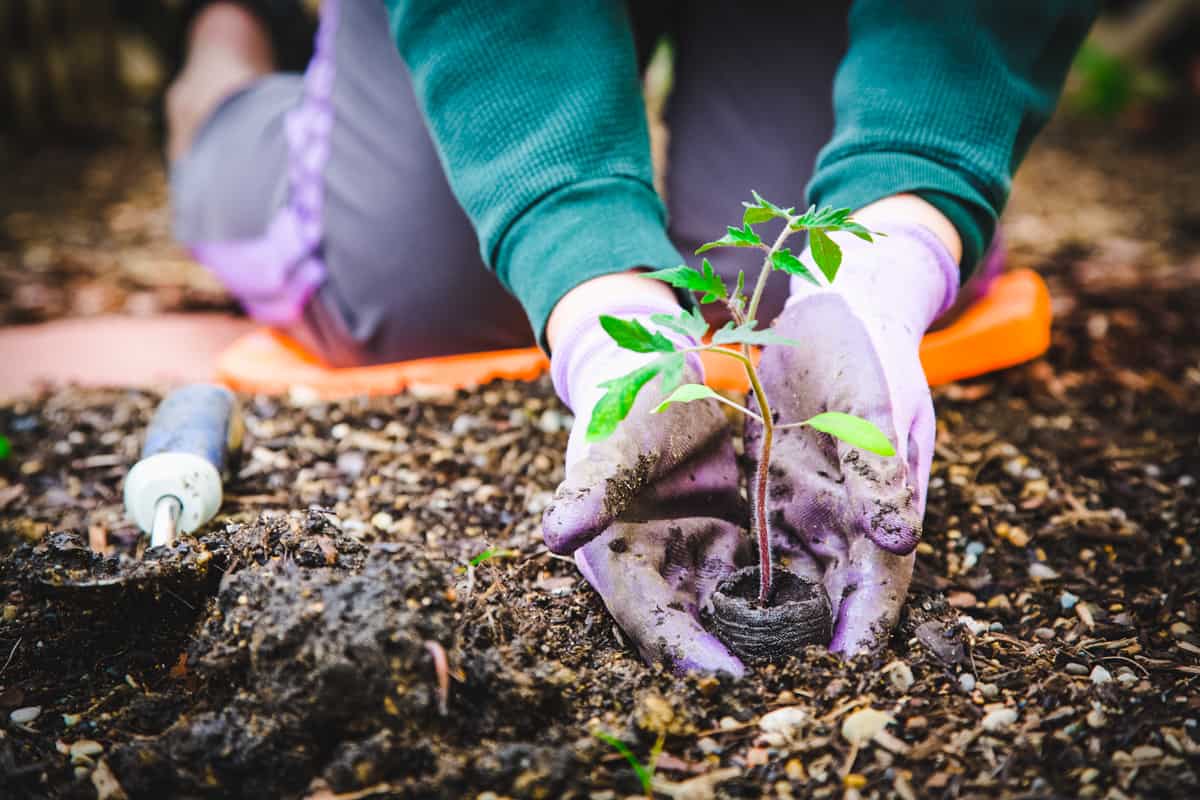
The initial phase of the gardening cycle—seed starting—requires precision and the right environmental controls. Soil block makers have gained traction among DIY enthusiasts as an alternative to plastic seed trays. By compressing soil into self-standing blocks, gardeners can prevent "root-bound" seedlings and eliminate the need for disposable plastic containers. This technique aligns with the zero-waste principles of permaculture.
For those focusing on culinary and medicinal utility, organic herb and vegetable seed kits provide a curated entry point. High-quality seed "vaults" from reputable suppliers are designed for long-term storage and high germination rates, offering a safeguard for domestic food security. To extend the growing season into the colder months, mini-greenhouses and microgreens kits allow for year-round production of nutrient-dense greens. These tools are particularly effective for urban gardeners with limited outdoor space, enabling them to maintain a "living pantry" regardless of the external climate.

Foundational Literature and Educational Resources
The intellectual component of gardening is as critical as the physical tools. The current literature market reflects a deep interest in "micro-farming" and high-yield, low-space techniques. "The Suburban Micro-Farm" by Amy Stross provides a blueprint for converting standard residential lots into productive ecosystems, while Ruth Stout’s "Gardening Without Work" remains a seminal text on the "no-till" method, which emphasizes heavy mulching to suppress weeds and build soil fertility.
For gardeners focused on maximizing output, "Square Foot Gardening" by Mel Bartholomew and John Jeavons’ "How to Grow More Vegetables" offer data-driven methodologies for intensive planting. These books provide the mathematical frameworks necessary to achieve self-sufficiency on small plots of land.

At the more advanced level, permaculture enthusiasts often turn to Toby Hemenway’s "Gaia’s Garden," which introduces the concept of ecological "guilds"—groups of plants that support each other through nutrient cycling and pest management. For a more comprehensive, systems-based approach, Ben Falk’s "The Resilient Farm and Homestead" details the integration of water systems, energy, and perennial agriculture into a cohesive, survivalist framework. Additionally, specialized digital resources, such as "The Backyard Forest Garden" eBook, offer modern step-by-step instructions for designing "food forests" that utilize vertical space through a combination of canopy trees, shrubs, and groundcovers.
Analysis of Broader Impact and Implications
The proliferation of these tools and resources indicates a significant shift in the American domestic economy. The move toward backyard permaculture is not merely a hobby; it is a decentralized response to global supply chain vulnerabilities and environmental degradation. By investing in high-quality, long-lasting gardening infrastructure, individuals are effectively building localized "resilience hubs."

Data from the USDA suggests that localized food production can significantly reduce the carbon footprint associated with the "last mile" of food delivery. Furthermore, the adoption of permaculture practices in residential areas contributes to urban biodiversity, providing habitats for pollinators that are currently under threat from industrial agriculture.
From a sociological perspective, the rise of the backyard gardener represents a reclamation of traditional knowledge. The holiday season provides a unique opportunity for this knowledge to be shared through the gifting of educational materials and durable implements. As more households adopt these practices, the cumulative effect on soil health, water conservation, and community food security is expected to be substantial.
In conclusion, the modern gardener’s needs have evolved beyond the basic trowel and rake. Today’s market demands tools that are as resilient as the ecosystems they help create. Whether through the precision of a Swiss-made pruner or the systemic insights of a permaculture manual, the items highlighted in this guide represent the vanguard of a more sustainable and self-reliant future. As we move into the next planting season, the continued growth of this sector remains a key indicator of a society prioritizing ecological health and domestic stability.