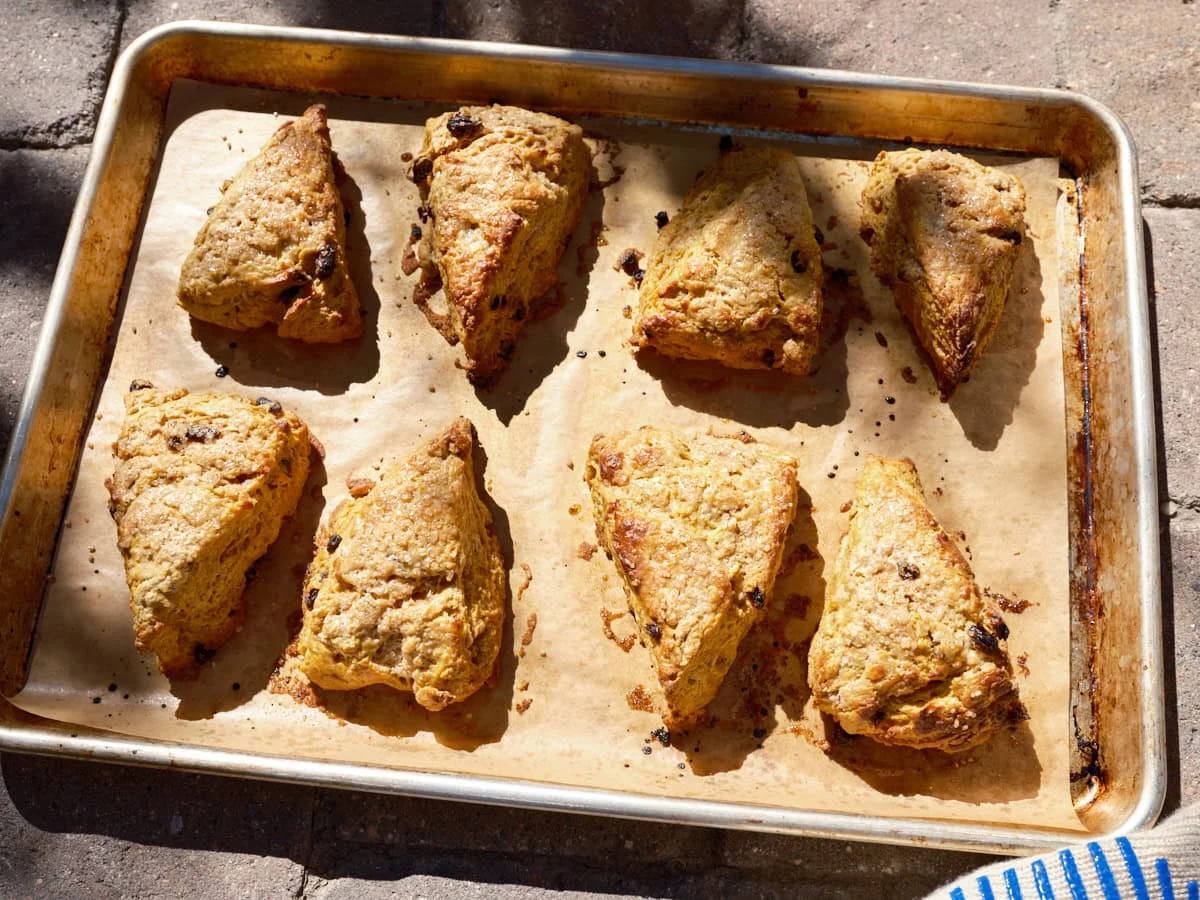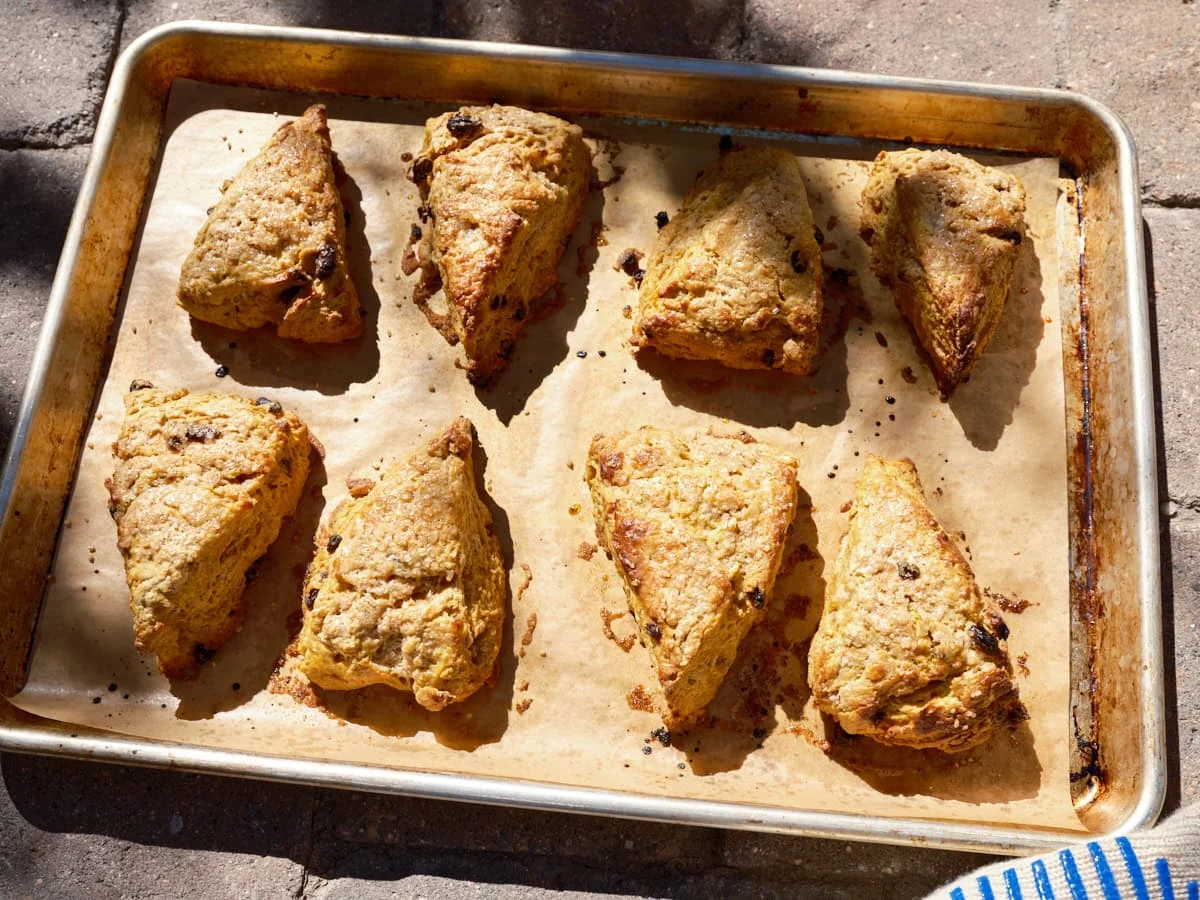
The culinary landscape continually evolves, and a recent development in artisanal baking presents a sophisticated take on a classic seasonal favorite: sourdough pumpkin scones. These innovative creations distinguish themselves with a remarkably soft interior juxtaposed against a sturdy, craggy crust, delivering a textural experience often described as the best of both worlds in the realm of baked goods. Eschewing the traditional dry, dense scone, these iterations leverage sourdough discard and precise baking techniques to achieve an elevated profile that blurs the lines between scone and biscuit, ultimately leaning sweet and firmly establishing their identity within the scone category. This evolution in scone production, particularly notable for its emphasis on height and tender crumb, reflects a growing trend towards refined home baking, incorporating advanced methods and nuanced ingredient choices.
The Quest for the Perfect Rise: Mastering High-Altitude Baking and Convection
Achieving a significant vertical rise in baked goods, particularly scones, has long been a pursuit for bakers, and a refined methodology has emerged to counter common challenges, especially those encountered at high altitudes. In environments such as high deserts, where atmospheric pressure is significantly lower, doughs tend to rise more quickly and then collapse, leading to flatter, wider products. This phenomenon necessitates specific adjustments to baking protocols to ensure structural integrity and desired height. Through diligent experimentation, several critical techniques have been identified that promote a super-tall rise, yielding scones that are cleanly cut, straight-sided, and impressively upright, a stark contrast to their flatter counterparts.
One pivotal discovery in this quest is the strategic application of convection baking. Convection ovens, which circulate hot air uniformly throughout the baking chamber, provide an intense and even heat distribution that profoundly impacts the initial stages of baking. The immediate and consistent heat facilitates the rapid formation of a crust on the outer edges of the scone dough within the first few minutes of baking. This swift crust development acts as a scaffold, effectively "setting" the dough’s structure and preventing lateral spread. By inhibiting horizontal expansion, the dough is compelled to rise vertically, resulting in a taller, more robust scone. This mechanism is particularly beneficial in high-altitude conditions, where the reduced external pressure otherwise encourages doughs to spread prematurely. For ovens lacking a dedicated convection setting, a partial emulation of this effect can be achieved by increasing the baking temperature by approximately 25 degrees Fahrenheit for the initial segment of the baking cycle, thereby providing a more intense heat shock to set the dough quickly. This methodological precision underscores a broader understanding of how environmental factors and equipment capabilities can be harmonized to optimize baking outcomes, transforming potentially flat products into proud, lofty examples of the baker’s art.
Einkorn Flour: A Return to Ancient Grains for Rustic Flavor
The selection of flour plays a crucial role in both the texture and flavor profile of baked goods, and these particular sourdough pumpkin scones benefit significantly from the inclusion of whole-grain einkorn flour. Einkorn, Triticum monococcum, stands as one of the oldest cultivated wheat varieties, tracing its origins back thousands of years to the Fertile Crescent. Its re-emergence in modern baking reflects a broader movement towards ancient grains, valued for their unique nutritional compositions and distinct flavor characteristics. Unlike modern hybrid wheat varieties, einkorn possesses a simpler genetic structure, often containing higher levels of protein, fiber, and trace minerals such as zinc, iron, and magnesium.
From a textural perspective, einkorn’s gluten structure is notably more delicate and less elastic than that of common bread wheat. This inherent fragility, while sometimes challenging in traditional yeast-leavened bread making, proves advantageous in scones, contributing to a tender crumb that complements the soft interior. The whole-grain nature of einkorn imparts an earthy, nutty flavor that provides a rustic counterbalance to the inherent sweetness of pumpkin and the warm spices typically associated with autumn baking. This pairing creates a harmonious flavor profile that is both comforting and sophisticated.
For bakers who may not have access to whole-grain einkorn, the recipe offers flexible alternatives. Other whole wheat flours, such as Red Fife, Butler’s Gold, or Marquis, are recommended as suitable substitutions. Red Fife, a heritage wheat from Canada, is celebrated for its robust, complex flavor and good baking qualities. Butler’s Gold, another specialty wheat, offers a nuanced, sweet, and nutty taste. Marquis, a foundational hard red spring wheat, is known for its strong gluten and balanced flavor. Each of these whole-grain options brings its own earthy notes, ensuring that the final product retains the desired rustic depth that so effectively complements the sweet pumpkin and fermented tang of the sourdough discard, thereby maintaining the intended balance of flavors even with ingredient variations.
Buttermilk’s Role: Acidity for Flakiness and Flavor
Beyond the choice of flour, the liquid component in scone recipes is a critical determinant of texture and flavor. In the case of these sourdough pumpkin scones, buttermilk is a cornerstone ingredient, valued not for its fat content—which is significantly lower than heavy cream (typically 1-2% compared to 36%)—but for its pronounced acidity. Buttermilk is a fermented dairy product, traditionally the liquid left over after churning butter, though commercially produced buttermilk is usually cultured skim milk. Its low pH, primarily due to lactic acid, plays a pivotal role in the biochemical interactions within the scone dough.
The acidity of buttermilk interacts with the gluten proteins in the flour, particularly beneficial for the delicate structure of whole-grain einkorn. The lactic acid helps to relax and extend the gluten network, resulting in a more tender and flaky crumb. This effect is distinct from the mechanism by which heavy cream contributes to tenderness; heavy cream, with its high fat content, works by coating flour particles, inhibiting gluten development, and creating distinct layers when the cold fat melts during baking. While both methods lead to tender textures, buttermilk offers a unique path, particularly when combined with sourdough discard. The combined acidity from both the buttermilk and the sourdough starter further enhances gluten relaxation and contributes a complex, tangy flavor that beautifully marries with the earthy sweetness of pumpkin. This layered tanginess from fermented ingredients elevates the scone beyond a simple sweet pastry, adding depth and character.
Recognizing that buttermilk may not be a pantry staple for all, practical alternatives are provided. A common substitute involves adding a teaspoon (approximately 5 grams) of white vinegar or lemon juice to 70 grams of whole milk and allowing it to sit for about five minutes until it visibly curdles. This acidifies the milk, mimicking the properties of true buttermilk. Another excellent one-for-one swap is kefir, another fermented dairy product with a similar tangy profile and acidic properties, offering a convenient alternative for those who regularly keep it on hand. The intentional use of buttermilk underscores a sophisticated understanding of ingredient functionality, demonstrating how specific components can be leveraged to achieve desired textural and flavor outcomes in baking.
Beyond Pumpkin: Versatility and Ingredient Substitutions
The foundation of these sourdough pumpkin scones is robust enough to accommodate a range of ingredient substitutions, offering bakers significant flexibility without compromising the core integrity of the recipe. This adaptability allows for customization based on seasonal availability, personal preference, or dietary considerations, underscoring the recipe’s inherent versatility.
For instance, while pumpkin puree is central to the autumn theme, alternative purees can be seamlessly incorporated. Sweet potato puree or butternut squash puree can be used at the same weight, providing similar moisture content and a complementary earthy sweetness. For those seeking a slightly different flavor profile or increased sweetness, applesauce or mashed banana can be substituted, though a slight adjustment in quantity to 100 grams is recommended due to their potentially higher moisture and sugar content. These substitutions maintain the moist interior while introducing subtle shifts in flavor, allowing the scone to adapt to various palates and pantry inventories.
Similarly, the inclusion of dried fruits like raisins, which contribute bursts of concentrated sweetness and chewiness, can also be varied. Dried cranberries are a popular alternative, offering a tart counterpoint to the sweet pumpkin and providing a festive color. Dried currants, smaller and often more intensely flavored than raisins, also make an excellent substitute. For a fresh twist, the recipe suggests fresh or frozen blueberries, which would introduce a juicy texture and a brighter, fruitier note, transforming the scone into a different, yet equally appealing, experience. This emphasis on adaptable ingredients not only extends the utility of the recipe beyond a specific season but also empowers bakers to experiment and personalize their creations, fostering culinary exploration and creativity.
Sourdough Discard: Sustainable Baking and Flavor Enhancement
A defining characteristic of these scones is the incorporation of sourdough discard, a byproduct of maintaining an active sourdough starter. Sourdough discard refers to the portion of the starter that is removed before a feeding to keep the culture healthy and manageable. Far from being mere waste, this discard is a valuable ingredient in its own right, offering both practical and flavorful advantages. Its inclusion in these scones aligns with a growing movement towards sustainable baking practices, minimizing food waste while simultaneously enhancing the complexity of the final product.
The sourdough discard, while not typically active enough to provide significant leavening on its own in these scones (baking powder and soda often provide the primary lift), contributes a distinct tangy, fermented note that deepens the overall flavor profile. This subtle acidity harmonizes beautifully with the sweet pumpkin and warm spices, adding a layer of sophistication that distinguishes these scones from those made with conventional leavening. The slight sourness from the fermentation process balances the sweetness, creating a more rounded and intriguing taste experience.
The integration of sourdough discard also reflects a broader trend within the baking community, where home bakers are increasingly seeking ways to utilize all components of their sourdough process. This approach not only reduces waste but also infuses everyday bakes with the unique characteristics of sourdough, expanding its application beyond traditional loaves of bread. The popularity of recipes utilizing discard, from pancakes and waffles to crackers and now scones, highlights a collective ingenuity in maximizing culinary resources and enriching flavors through fermentation. This sustainable practice, combined with the nuanced flavor it imparts, positions sourdough discard as a key ingredient in modern, mindful baking.
The Broader Culinary Landscape: Pumpkin in Seasonal Baking
The introduction of these sourdough pumpkin scones is situated within a rich and enduring culinary tradition of seasonal baking, particularly the widespread embrace of pumpkin in autumn. Pumpkin, a member of the gourd family, has been a staple in North American cuisine for centuries, dating back to indigenous peoples who cultivated and utilized it extensively. Its cultural significance, especially around harvest festivals and holidays like Thanksgiving, has cemented its place as an iconic autumnal ingredient.
Over time, pumpkin has transitioned from a basic food source to a celebrated flavor in a diverse array of sweet and savory dishes. The "pumpkin spice" phenomenon, which gained significant traction in the early 21st century, further underscored its omnipresence in seasonal consumer products, from lattes to desserts. This sustained popularity is driven by both nostalgic associations with fall and the inherent versatility of pumpkin puree, which lends moisture, subtle sweetness, and a distinct earthy flavor to baked goods.
The development of these sourdough pumpkin scones represents an evolution within this tradition, integrating contemporary baking techniques and ingredient considerations into a beloved seasonal theme. It reflects a culinary trend where classic recipes are reimagined through the lens of artisanal craftsmanship and scientific understanding, pushing the boundaries of what familiar flavors can achieve. The implications extend beyond individual recipes, influencing home bakers to explore more complex flavor pairings and sophisticated textural contrasts in their seasonal creations. Moreover, the mentioned possibility of using leftover pumpkin puree in other sourdough applications, such as Pumpkin Cinnamon Sourdough bread or pumpkin pancakes, demonstrates the interconnectedness of seasonal ingredients within a broader baking repertoire, encouraging a holistic approach to culinary planning and ingredient utilization.
In conclusion, these sourdough pumpkin scones stand as a testament to innovative baking, marrying the ancient grain einkorn with the distinct tang of sourdough discard, the textural benefits of buttermilk, and the precision of convection baking. This comprehensive approach results in a scone that is not only visually appealing with its tall, craggy form but also delivers a complex and satisfying sensory experience. The detailed methodology and adaptable ingredient list empower bakers to achieve professional-grade results, even at challenging altitudes, further cementing the role of scientific understanding and meticulous technique in elevating the art of home baking.