
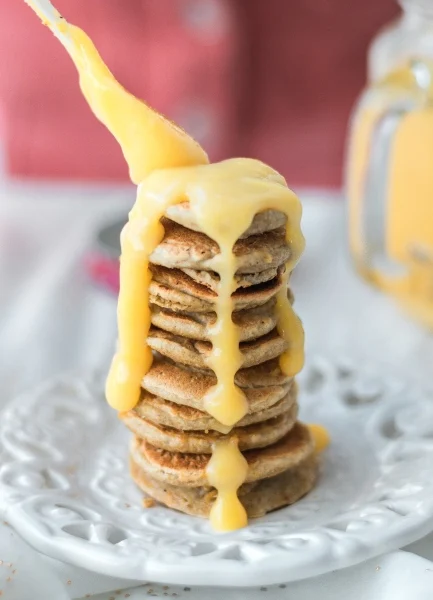
For generations, the image of pancakes has been synonymous with a sweet breakfast indulgence, typically adorned with fruit, whipped cream, and a generous drizzle of maple syrup. This culinary tradition, deeply ingrained in many Western cultures, provides a comforting start to the day for those with a penchant for sweetness. However, a significant shift is underway in breakfast preferences, driven by evolving dietary awareness and a burgeoning appetite for diverse flavor profiles. This movement challenges the conventional sweet pancake paradigm, advocating for savory alternatives, with cheese emerging as a frontrunner in transforming this beloved breakfast staple into a more nutritious and gastronomically adventurous meal. The integration of cheese into pancakes offers a compelling alternative for individuals seeking to reduce sugar intake, enhance protein and calcium consumption, and explore a broader spectrum of flavors beyond the saccharine.
The Historical Trajectory of Pancakes: A Global Tapestry
To fully appreciate the contemporary shift towards savory pancakes, it is essential to contextualize the dish within its rich and varied global history. Pancakes, in their simplest form as flat cakes cooked on a hot surface, predate recorded history, with archaeological evidence suggesting their consumption as far back as the Stone Age. Ancient Greeks and Romans enjoyed versions made from wheat flour, olive oil, honey, and curdled milk. Across different civilizations, pancakes evolved to reflect local ingredients and culinary traditions.
In France, the delicate crêpe can be served both sweet and savory, often filled with ham, cheese, and béchamel sauce. Russia boasts blini, thin yeast-risen pancakes frequently accompanied by sour cream, smoked salmon, or caviar. India’s diverse culinary landscape offers dosas and uttapams, savory rice and lentil pancakes served with chutneys and sambar. The Dutch pannenkoeken are larger and thinner than their American counterparts and can be topped with bacon and cheese as readily as with fruit and syrup. Even in parts of Eastern Europe, cheese-filled pancakes, often with cottage cheese, are a traditional dish.
Despite this global diversity, American and Canadian pancake culture largely solidified around the sweet iteration, particularly with the widespread availability of maple syrup. This historical trajectory set a strong precedent, making the current trend towards savory options, especially those incorporating cheese, a notable departure from a deeply established norm in these regions. The reintroduction or emphasis on savory elements, therefore, is not entirely novel in a global sense but represents a significant re-evaluation within specific cultural contexts.
The Nutritional Imperative: Ditching Sugar for Sustenance
One of the primary drivers behind the burgeoning popularity of savory cheese pancakes is the undeniable health advantage they offer over their syrup-laden counterparts. A typical serving of conventional pancake syrup can contain upwards of 50 grams of sugar, predominantly sucrose, which contributes significantly to daily caloric intake without providing substantial nutritional value. Excessive consumption of added sugars has been linked to a range of adverse health outcomes, including an increased risk of type 2 diabetes, cardiovascular disease, obesity, and dental issues.
In stark contrast, cheese is a powerhouse of essential nutrients. It is an excellent source of protein, crucial for muscle repair, satiety, and overall cellular function. Protein-rich breakfasts have been scientifically shown to enhance feelings of fullness, potentially leading to reduced calorie intake later in the day and better weight management. Furthermore, cheese is a leading dietary source of calcium, vital for bone health, nerve function, and blood clotting. Many cheeses also provide significant amounts of vitamin B12, zinc, and phosphorus.
Leading nutrition experts frequently advocate for a reduction in added sugars in daily diets. Dr. Elena Rodriguez, a prominent dietitian, notes, "Incorporating cheese into breakfast items like pancakes is an intelligent way to boost protein and calcium intake, promoting sustained energy levels and reducing the glycemic load compared to a sugar-heavy meal. It helps stabilize blood sugar, which is critical for preventing energy crashes and cravings." This perspective underscores the nutritional superiority of cheese over high-sugar toppings.
For those monitoring their fat and sodium intake, there are healthier cheese alternatives. While beloved varieties like Parmesan, blue cheese, and Gruyère offer rich flavors, options such as feta, cottage cheese, and Swiss cheese provide similar nutritional benefits with potentially lower fat or sodium content. Cottage cheese, in particular, is celebrated for its high protein content and versatility, making it an excellent addition to pancake batter or as a topping. Moreover, the inclusion of cheese in pancakes often encourages the addition of other nutrient-dense ingredients like fruits (e.g., apples, pears), vegetables (e.g., spinach, chives), or whole grains (e.g., oatmeal to the batter), further enhancing fiber intake and micronutrient profiles.
Elevating Flavor: The Art and Science of Cheesy Pancakes
Beyond the health benefits, the introduction of cheese unlocks an entirely new dimension of flavor and culinary creativity for pancakes. The savory notes of cheese provide a sophisticated counterpoint to the blandness of plain batter, creating a more complex and satisfying taste experience. The diversity of cheese types available allows for an almost infinite array of flavor combinations.
Culinary professionals often highlight the transformative power of cheese in cooking. Chef Marcus Thorne, known for his innovative breakfast menus, comments, "Cheese introduces umami, a fundamental taste that adds depth and richness to any dish. In pancakes, it creates a more gourmet experience, moving them beyond a simple sweet treat to a substantial and flavorful meal. The way different cheeses melt and caramelize can profoundly impact the texture and aroma."
Consider the sharp tang of aged cheddar melting into a fluffy buttermilk pancake, perhaps paired with a sprinkle of chives or a slice of crispy bacon. Or envision the creamy, slightly salty notes of feta crumbled over a spinach-infused pancake. The mild, nutty flavor of Swiss cheese can be a delightful addition, especially when combined with sautéed mushrooms or caramelized onions. Even the more robust blue cheeses, when used judiciously, can offer a sophisticated savory kick.
Food bloggers and online culinary communities have been instrumental in disseminating these innovative recipes, showcasing the vast potential of cheese in pancakes. Platforms are replete with suggestions ranging from simple shredded cheddar stirred into the batter to more elaborate creations featuring goat cheese and roasted red peppers, or ricotta pancakes with lemon zest and herbs. This collaborative culinary exploration has empowered home cooks to experiment and discover their preferred savory pancake combinations, moving beyond traditional recipes.
Beyond the Batter: Versatility in Preparation and Pairing
The integration of cheese into pancakes is not limited to simply mixing it into the batter. Its versatility extends to various preparation methods and pairing possibilities, significantly expanding the culinary landscape of the dish.
- Incorporation into Batter: Shredded or crumbled cheese can be directly folded into the pancake batter before cooking, ensuring that every bite carries a burst of savory flavor. This method is particularly effective with cheeses that melt well, such as cheddar, Monterey Jack, or Gruyère, resulting in pockets of gooey deliciousness.
- Topping and Filling: Cheese can also be used as a topping, added during the cooking process to allow it to melt and form a savory crust, or sprinkled on after cooking. For thinner pancakes or crêpes, cheese can serve as a central filling, often combined with other ingredients like ham, eggs, or vegetables.
- Grilling and Caramelization: Some chefs recommend frying pancakes in butter and then adding cheese to allow it to melt and slightly caramelize on the surface, creating a grilled cheese-like effect. This process, leveraging the Maillard reaction, enhances the savory notes and adds a desirable textural contrast.
- Creative Combinations: The beauty of savory cheese pancakes lies in their adaptability. An extra egg whisked into the batter with a dollop of sour cream can yield an even richer, more custardy texture. The classic pairing of cheese with cured meats, such as smoked bacon or thinly sliced ham, elevates the meal to a hearty and satisfying experience, often eliminating the need to serve these components separately.
Furthermore, cheese demonstrates remarkable compatibility with fruits, creating intriguing sweet and savory fusions that tantalize the palate. While traditionally a sweet topping, fruits can be thoughtfully paired with specific cheeses to achieve balanced flavors. Examples include:
- Watermelon cubes and feta: A refreshing, salty-sweet combination often found in salads, equally delightful on a pancake.
- Pear slices and brie: The creamy, mild brie complements the subtle sweetness and crunch of pear.
- Apple and shredded cheddar: A classic American pairing that works wonderfully baked into a pancake or served alongside.
- Mango and goat cheese: The tropical sweetness of mango cuts through the tangy creaminess of goat cheese.
These combinations demonstrate that the sweet and savory divide is increasingly permeable, allowing for innovative culinary expressions that cater to a broader range of palates.
The Rise of a Trend: Consumer Demand and Market Dynamics
The shift towards savory pancakes, particularly those featuring cheese, is not an isolated culinary quirk but reflects broader trends in consumer behavior and market dynamics. Food industry analysts report a consistent increase in demand for protein-rich breakfast options and a general consumer desire for healthier alternatives to traditional sugary fare.
"The breakfast category is undergoing a significant transformation," observes Sarah Jenkins, a market research analyst specializing in food trends. "Consumers are increasingly health-conscious, seeking meals that offer sustained energy and nutritional benefits. The savory pancake, especially with cheese, perfectly aligns with these demands, providing satiety and flavor without the sugar overload. This trend opens up new avenues for product development in both foodservice and retail sectors."
Social media platforms, particularly Instagram and TikTok, have played a pivotal role in accelerating this trend. Food influencers and home cooks regularly share visually appealing and easy-to-follow recipes for savory pancakes, inspiring countless others to experiment in their own kitchens. The visual appeal of melted cheese, often combined with vibrant herbs or crispy bacon, is highly shareable and contributes to the rapid diffusion of these culinary innovations. This digital word-of-mouth has transformed what might have once been a niche preference into a mainstream culinary movement.
Implications for the Modern Breakfast Table
The embrace of savory cheese pancakes carries several significant implications for modern dietary habits and the broader culinary landscape.
- Combatting Sugar Overload: By providing a delicious and satisfying alternative, savory pancakes offer a practical strategy for reducing the pervasive issue of excessive sugar consumption in breakfast meals. This contributes to better public health outcomes, especially in regions where sweet breakfasts are the norm.
- Promoting Balanced Nutrition: The increased protein and calcium intake from cheese, coupled with the potential for adding vegetables and whole grains, promotes a more balanced and nutrient-dense start to the day. This can lead to improved satiety, better energy levels, and a reduced likelihood of unhealthy snacking later on.
- Fostering Culinary Creativity: This trend encourages both professional chefs and home cooks to think outside the box, experimenting with ingredients and flavor combinations that might traditionally be unexpected for breakfast. It highlights the versatility of simple dishes and the endless possibilities for culinary innovation.
- Economic Impact: The growing demand for savory breakfast components could stimulate increased production and consumption of certain cheese varieties, potentially benefiting dairy farmers and cheese producers. It also creates opportunities for food manufacturers to develop new savory pancake mixes or ready-to-eat breakfast items.
In conclusion, the notion that pancakes are incomplete without cheese is gaining considerable traction, challenging centuries of sweet-centric breakfast traditions. This culinary evolution is not merely a matter of taste but is deeply rooted in a desire for healthier, more satisfying, and nutritionally robust meals. By integrating cheese, pancakes transcend their status as a simple sweet treat, transforming into a versatile, flavorful, and protein-packed foundation for endless culinary exploration. Whether opting for healthier cheeses, pairing them with fruits, or incorporating them into a hearty bacon-and-egg ensemble, the savory cheese pancake represents a significant step forward in redefining the modern breakfast experience, offering a delicious and intelligent alternative to conventional sugary fare. The American diner experience, and indeed breakfast tables globally, are poised for a flavorful revolution, one cheesy pancake at a time.


