
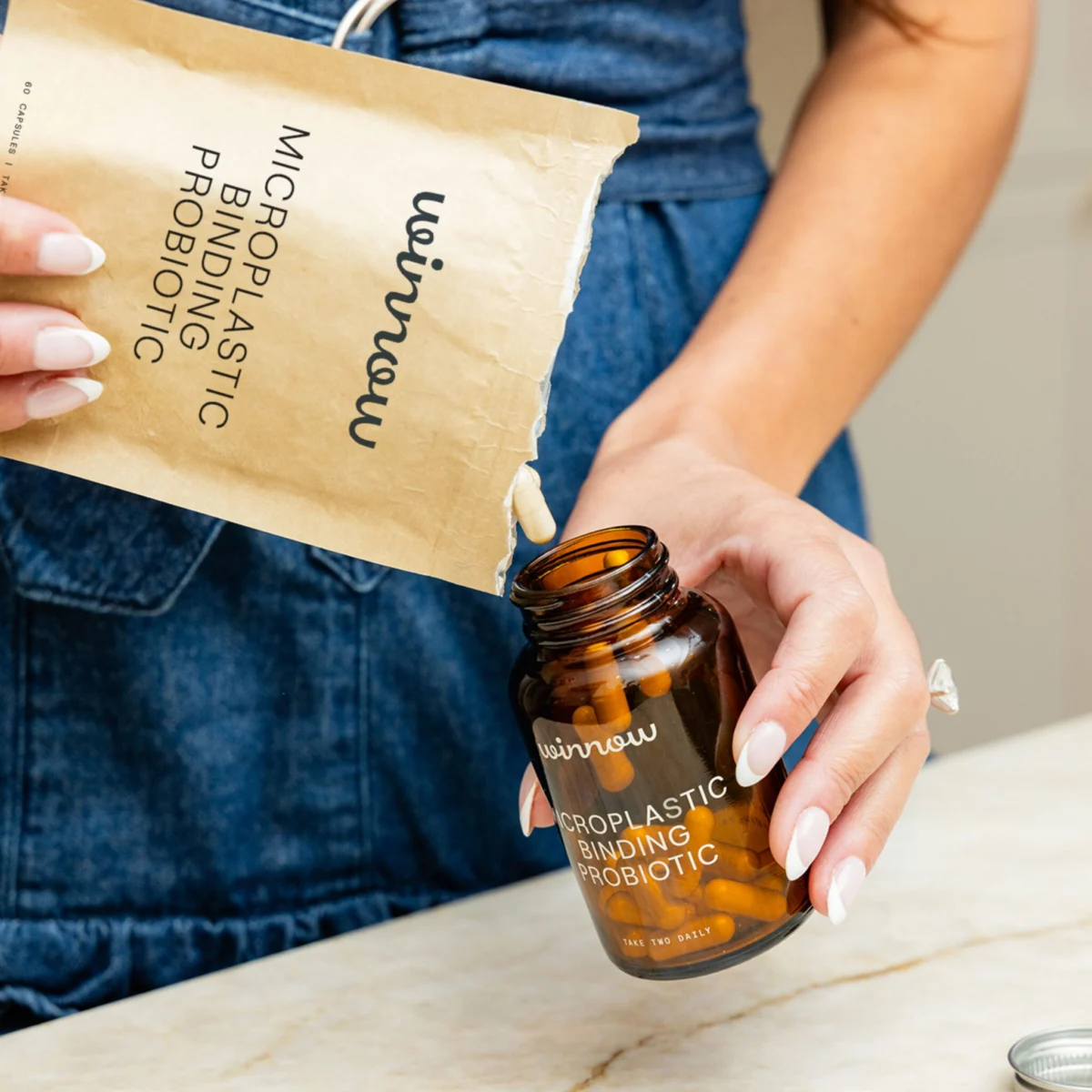
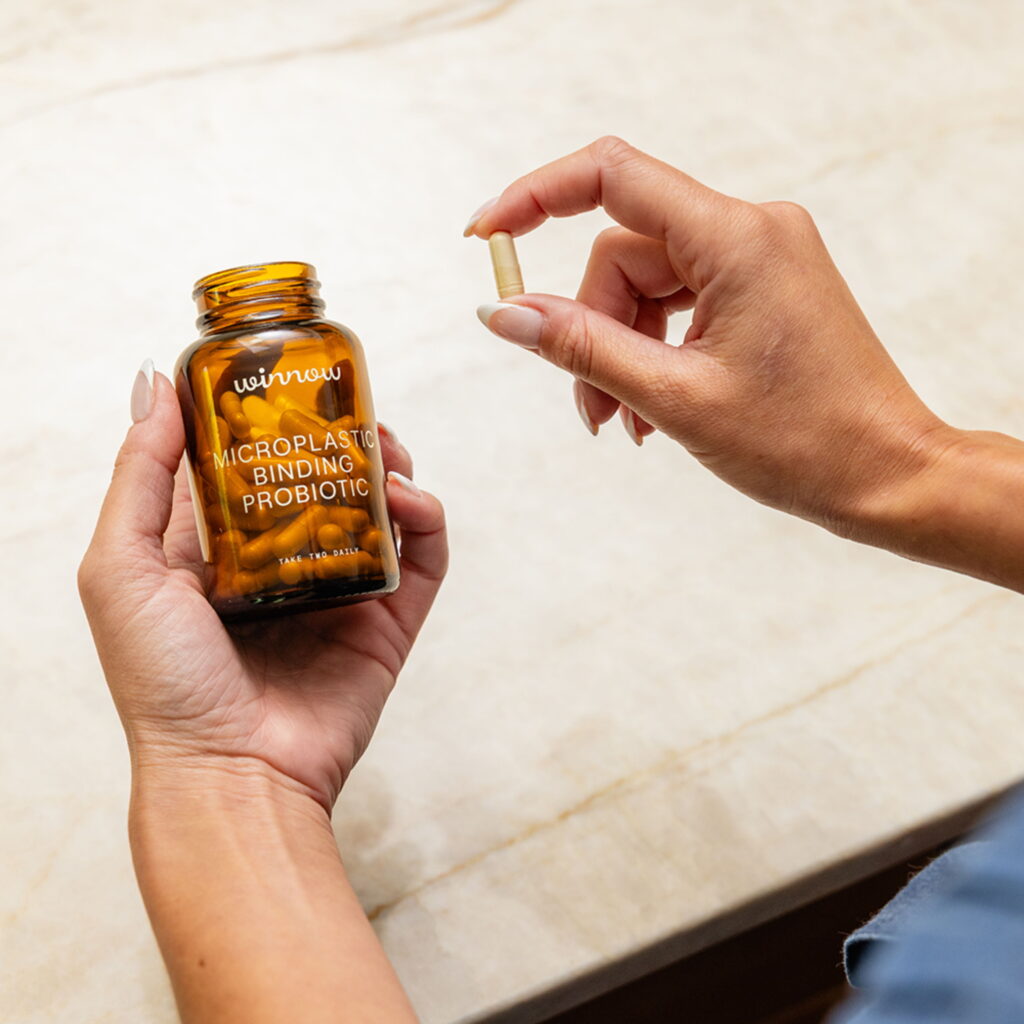
The ubiquity of microplastics has transitioned from an environmental concern to a direct human health crisis as recent scientific findings confirm the presence of these synthetic particles in human blood, lung tissue, and even the placentas of newborn babies. As the global community grapples with the realization that microplastics—defined as plastic fragments smaller than five millimeters—are now a permanent fixture in the air, water, and food supply, the focus of the scientific community has shifted toward mitigation strategies. One emerging field of research explores the potential of specific probiotic strains to serve as a biological defense mechanism. Winnow, a biotechnology-focused wellness company, has recently introduced a daily probiotic designed not only for traditional digestive support but also to facilitate the binding and excretion of ingested microplastics. This development marks a significant intersection between microbiology and environmental toxicology, offering a proactive, albeit supplementary, tool for individuals living in a plastic-saturated world.
The Global Proliferation of Microplastics and Human Exposure
The crisis of microplastic ingestion is a byproduct of the massive escalation in global plastic production, which has surged from 2 million tons in 1950 to over 450 million tons annually today. These materials do not biodegrade; instead, they fragment into smaller particles through mechanical wear and ultraviolet radiation. Common sources of human exposure include the shedding of synthetic fibers from clothing, the degradation of food packaging, and the leaching of particles from bottled water. Recent studies suggest that the average person may ingest thousands of microplastic particles annually, with some estimates suggesting a mass equivalent to a credit card every week, though exact figures remain a subject of intense scientific debate.
Once ingested, microplastics can interact with the gastrointestinal tract in several ways. They may cause physical irritation to the intestinal lining, potentially contributing to inflammation or "leaky gut" syndrome. Furthermore, microplastics often act as vectors for other toxins, such as heavy metals and persistent organic pollutants (POPs), which adhere to the plastic surface and are transported into the body. The cumulative effect of this exposure on long-term human health—specifically regarding endocrine disruption and metabolic disorders—is currently the subject of large-scale longitudinal studies.
The Chronology of Microplastic-Binding Research
The concept of using bacteria to remediate environmental toxins is not new; bioremediation has long been used to clean oil spills and heavy metal contamination in soil. However, applying this principle to the human microbiome is a relatively recent innovation.
In the early 2020s, researchers began identifying specific bacterial species capable of surviving in plastic-heavy environments. By 2024, laboratory screenings shifted toward human-grade probiotics. A pivotal moment occurred in early 2025 when a comprehensive peer-reviewed study screened 784 different bacterial strains to determine their "adsorption" potential—the ability of the bacteria’s surface to attract and hold microplastic particles. This study, along with internal research conducted by firms like Winnow, identified that certain strains of Lactobacillus and Bifidobacterium possessed unique surface structures that allowed them to act as biological magnets for common polymers like polyethylene (PE) and polypropylene (PP).
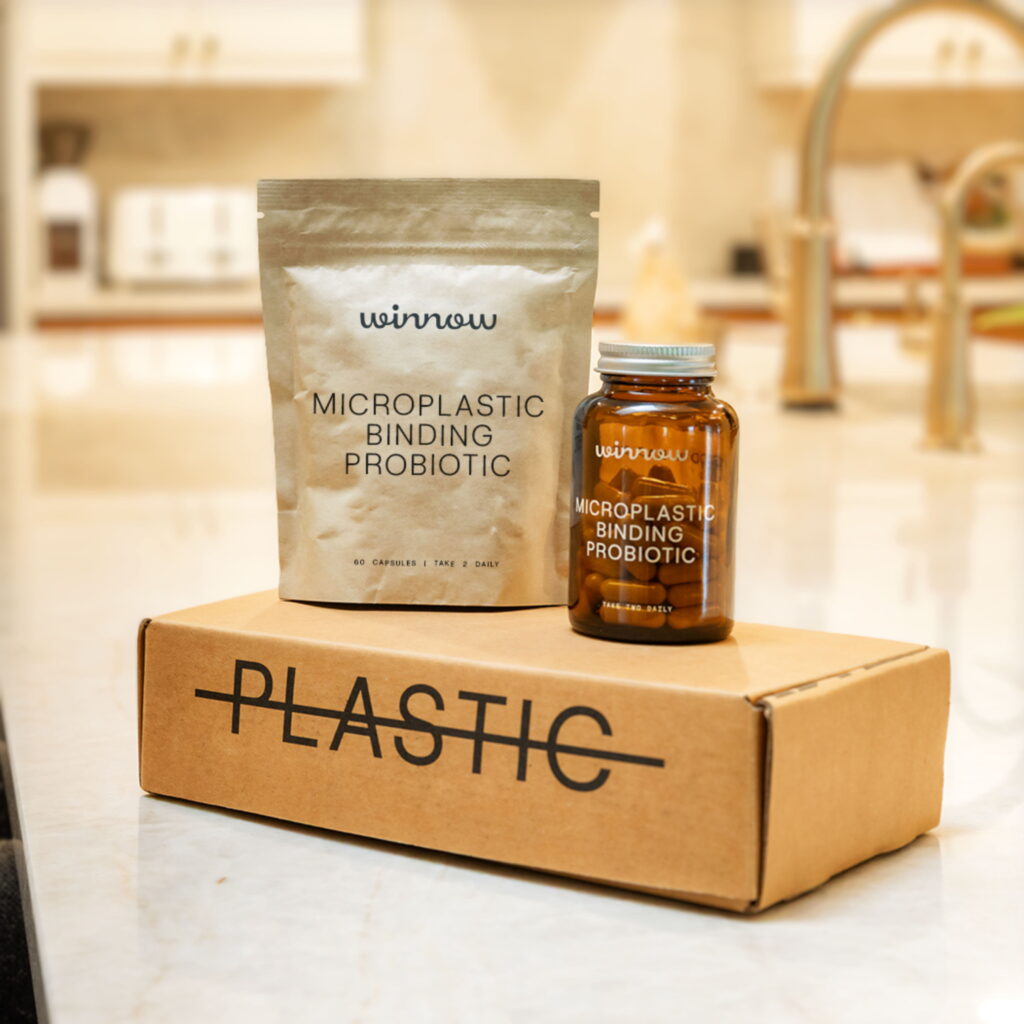
Winnow’s entry into the market follows years of preclinical testing designed to bridge the gap between traditional gut health and environmental detoxification. The company’s formula is built upon a "dual-layer" scientific approach: utilizing strains with established human clinical data for digestive regularity and immune support, while incorporating strains specifically selected for their performance in microplastic-binding assays.
The Mechanism of Action: Surface Adsorption and Exopolysaccharides
The primary mechanism by which probiotics interact with microplastics is known as surface adsorption. Unlike absorption, where a substance is taken into the body of another, adsorption involves the physical adherence of particles to the exterior surface of the bacteria.
Winnow’s research highlights two critical components of the bacterial cell wall that facilitate this process:
- Exopolysaccharides (EPS): These are sugar-based polymers secreted by the bacteria that create a sticky, biofilm-like layer. This layer can trap microplastic fragments as they move through the digestive tract.
- S-layer Proteins: These are structured protein arrays on the outermost envelope of certain bacteria. They provide a high-affinity surface that can bind to the hydrophobic surfaces of plastic polymers.
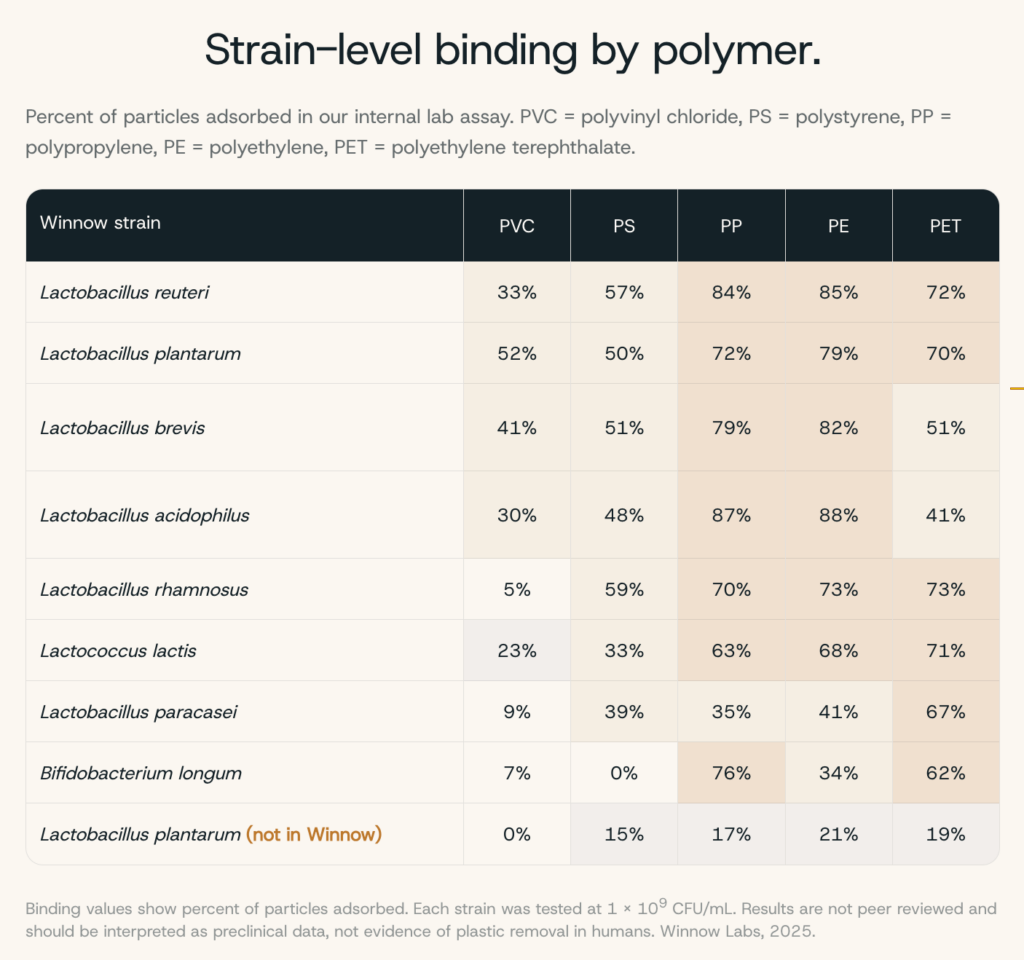
By binding these particles, the probiotics prevent them from lingering in the intestinal folds or potentially crossing the gut barrier into the bloodstream. Instead, the microplastics remain tethered to the bacteria and are excreted through the body’s natural waste processes. Internal laboratory data from Winnow suggests that their multi-strain formula is 1.8 times more effective at binding a blend of common plastics—including Polyethylene (PE), Polypropylene (PP), Polystyrene (PS), and Polyvinyl Chloride (PVC)—than any single probiotic strain used in isolation.
Scientific Data and Formula Composition
The efficacy of a probiotic is dictated entirely by its specific strains rather than its genus or species alone. Winnow’s formulation relies on a "clinical backbone" of three well-documented strains:
- L. rhamnosus ATCC 53103: One of the most studied strains in the world, known for its ability to support the gut barrier and enhance immune response.
- L. reuteri DSM 17938: Frequently used to address digestive discomfort and promote regularity.
- L. acidophilus ATCC SD5212: A staple for maintaining a balanced microbiome and supporting intestinal health.
While these strains provide the foundation for general wellness, the "binding" capability was verified through internal testing against various plastic types. The data published by the company indicates that binding efficiency varies significantly depending on the polymer. For instance, some strains showed a high affinity for PET (commonly used in beverage bottles), while others were more effective at capturing PVC. By combining these strains, the formula aims to provide a broad-spectrum defense against the diverse "plastic soup" found in modern diets.
Broader Implications and Official Responses
The emergence of microplastic-binding supplements has sparked a dialogue among toxicologists and environmental health advocates. While the science of adsorption is viewed as a promising "last-mile" defense, health officials emphasize that supplements cannot be a panacea for the systemic issue of plastic pollution.
In statements regarding environmental health, regulatory bodies often stress the "precautionary principle." While the strains used in Winnow are Generally Recognized as Safe (GRAS) by the FDA for digestive health, the specific claim of reducing the "body burden" of microplastics is a frontier that will require further human clinical trials to move beyond its current preclinical status.
Environmental advocates also warn against "techno-optimism"—the belief that a pill can replace the need for aggressive plastic reduction. "We cannot supplement our way out of a global pollution crisis," noted one environmental policy analyst. "Tools like Winnow are valuable for individual protection, but they must exist alongside a global treaty to limit plastic production and a shift toward truly circular economies."
Mitigation Strategies Beyond Supplementation
While innovations like Winnow provide a biological tool for managing ingested plastics, experts recommend a multi-faceted approach to reducing exposure. Scientific consensus points toward several high-impact lifestyle changes:
- Water Filtration: Utilizing high-quality carbon or reverse osmosis filters can significantly reduce the microplastic count in tap water.
- Material Swaps: Transitioning from plastic cutting boards—which can shed thousands of particles per use—to wood or stainless steel is a primary recommendation.
- Food Storage: Avoiding the heating of plastic containers in microwaves, as heat accelerates the leaching of both microplastics and chemical additives like phthalates and BPA.
- Dust Management: Since household dust is a major source of inhaled microplastics (largely from synthetic carpets and clothing), frequent vacuuming with HEPA filters is advised.
Conclusion: The Future of Preventive Health
The introduction of Winnow represents a shift in the philosophy of preventive medicine. As the environment changes, the definition of "gut health" is expanding to include the management of synthetic environmental stressors. The company’s commitment to plastic-free packaging—utilizing glass, aluminum, and compostable materials—further aligns the product with the values of the zero-waste movement.
Ultimately, the development of microplastic-binding probiotics is a testament to human ingenuity in the face of self-created ecological challenges. As research continues to evolve from animal models and laboratory assays to human clinical outcomes, the role of the microbiome in environmental detoxification is likely to become a cornerstone of 21st-century healthcare. For now, such innovations offer a pragmatic layer of defense for a population that can no longer avoid the presence of plastic, but may be able to influence its journey through the human body.


