
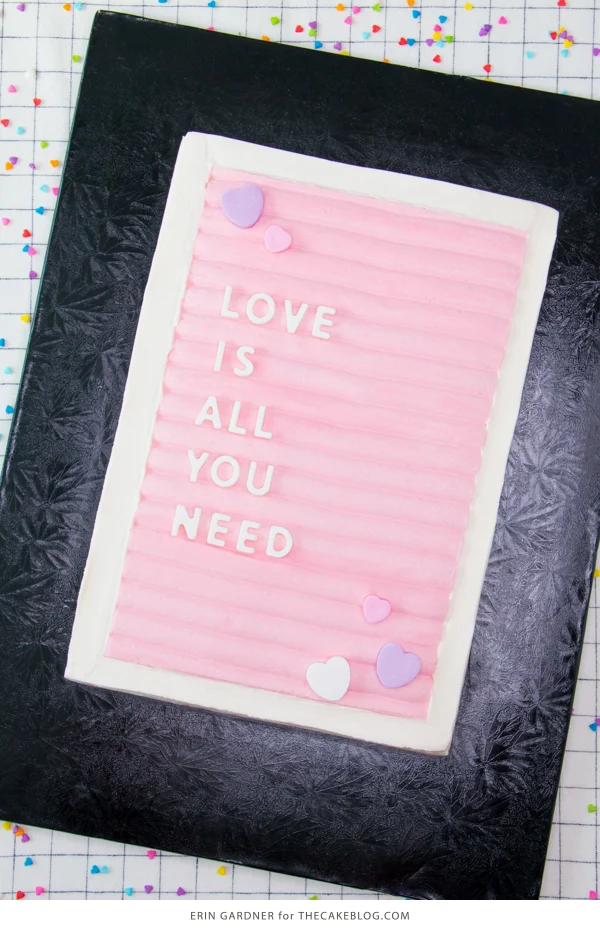
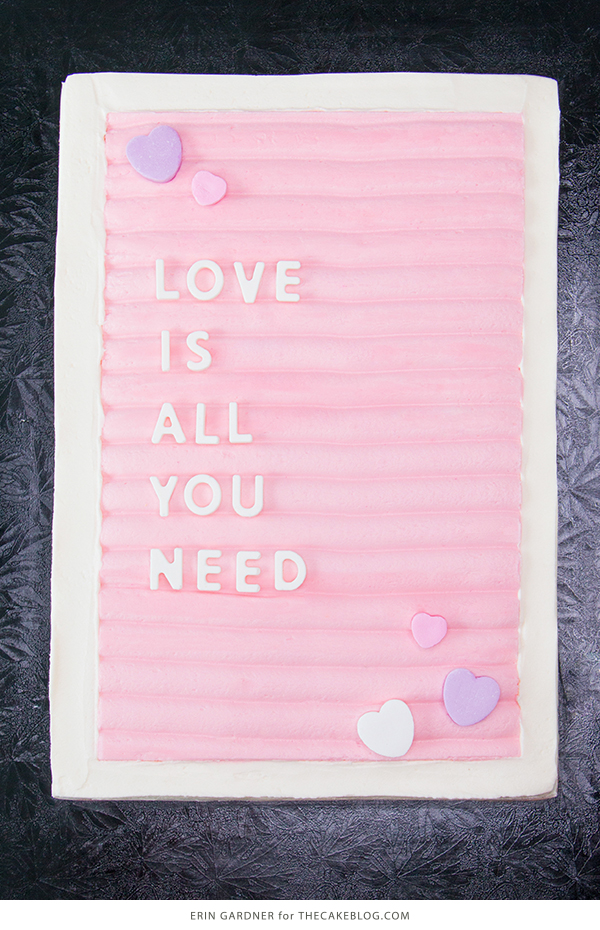
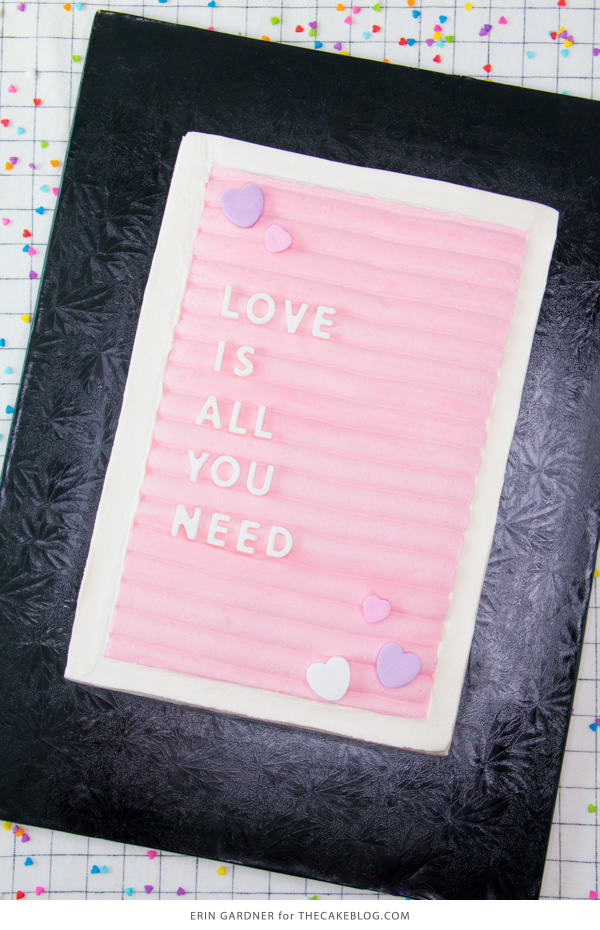
In a delightful fusion of culinary artistry and nostalgic communication, cake decorator Erin Gardner has unveiled a unique "Message Board Sheet Cake" tutorial, offering a creative way to express sentiments through edible art. This innovative design, shared on TheCakeBlog.com, transforms a standard sheet cake into a personalized message board, reminiscent of classic diner chalkboards or community announcement displays. The tutorial provides detailed, step-by-step instructions, catering to both novice and experienced decorators, and emphasizes adaptability for various skill levels and available tools.
Gardner’s approach is rooted in the belief that cake decorating should be accessible and adaptable. "I’m a big fan of cake designs that offer many paths to the destination!" she states in the tutorial. This philosophy is evident in the design’s flexibility; whether one possesses specialized tools like a scalloped cake comb and small letter molds or not, the core elements of the message board and its accompanying letters can be achieved with readily available kitchen items. This inclusivity is a cornerstone of the tutorial’s appeal, demystifying intricate cake decoration and empowering individuals to create visually stunning and personally meaningful desserts.
The Rise of Personalized Edible Art
The trend of highly personalized and themed cakes has seen significant growth in recent years. Driven by social media platforms like Instagram and Pinterest, where visually appealing food creations are widely shared, bakers and home decorators are increasingly seeking unique and customizable dessert options. The "Message Board Sheet Cake" taps into this trend by offering a versatile canvas for a wide array of messages and occasions. From heartfelt declarations of love for Valentine’s Day to announcements for baby showers, gender reveals, birthdays, or even simple "get well soon" wishes, the cake serves as a dynamic and edible communication tool.
The tutorial highlights the design’s adaptability to various color schemes and font styles, allowing for seamless integration into any event’s theme. This versatility not only broadens the cake’s applicability but also encourages creative experimentation. For instance, a wedding shower might feature soft pastels and elegant script, while a child’s birthday could boast vibrant colors and playful lettering. This level of customization transforms a cake from a mere dessert into a centerpiece that directly reflects the spirit and purpose of the gathering.
Crafting the Message Board: A Step-by-Step Guide
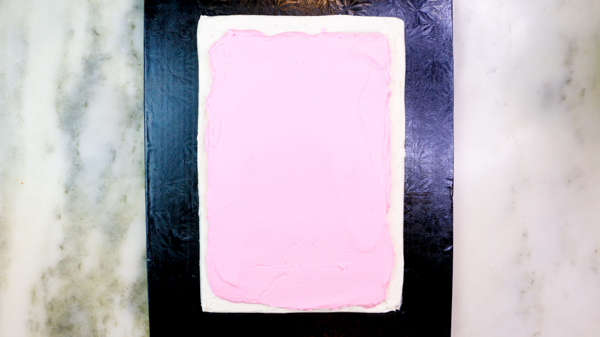
The core of Gardner’s tutorial lies in its meticulous breakdown of the cake’s construction. The process begins with a meticulously applied layer of pink buttercream, serving as the foundational "message surface." The tutorial emphasizes achieving a level layer of frosting, a crucial step for ensuring clean lines and a professional finish.
Creating the Message Board Texture
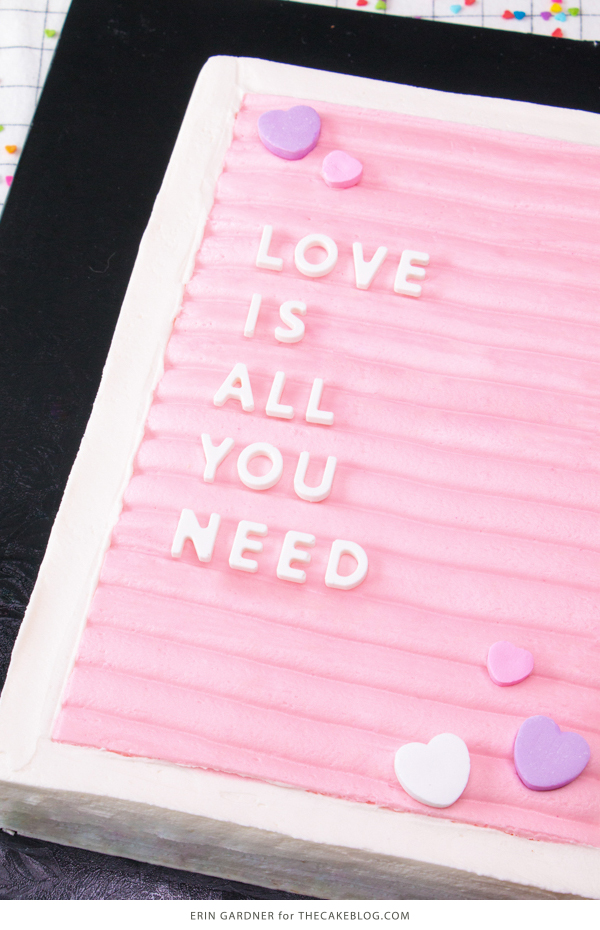
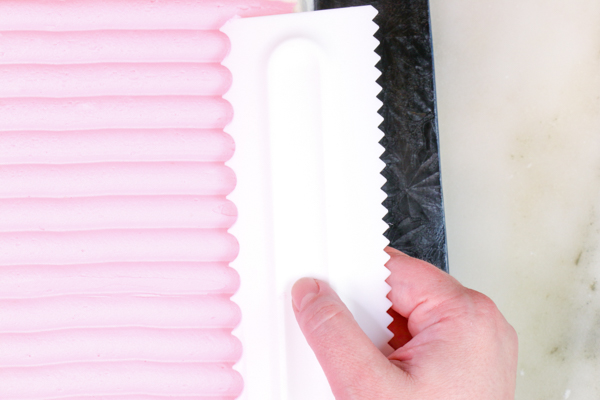
To mimic the textured look of a traditional message board, Gardner suggests two primary methods. The first involves using a scalloped cake comb. This tool is dragged through the buttercream, creating parallel lines that evoke the grooves of a message board. Overlapping the comb with each pass ensures a consistent and visually appealing pattern. The cake is then chilled until the buttercream is firm, setting the textured base.
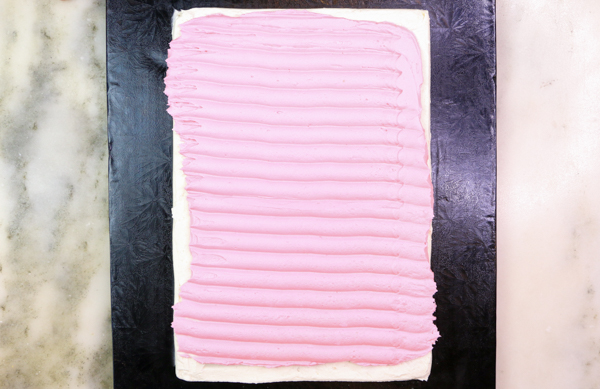
For those without specialized tools, an alternative method is provided: using a piping bag fitted with a large round tip to pipe straight lines across the cake. While this method is effective, the tutorial notes that it will likely require approximately twice the amount of buttercream. This detail is a practical consideration for bakers managing ingredient quantities and costs.
Defining the Edges
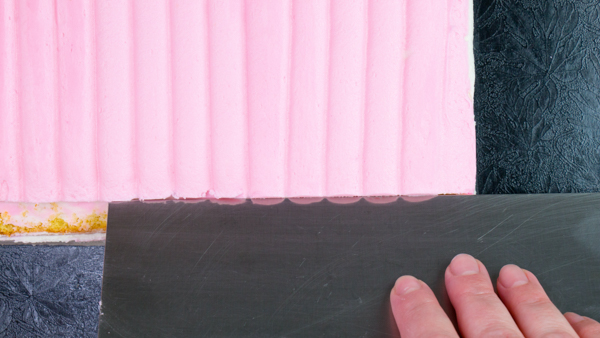
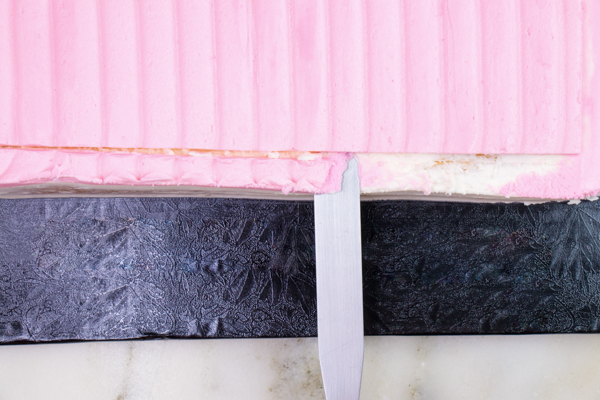
Once the textured buttercream is set, the next step involves creating a defined border. This is achieved by using a bench scraper dipped in warm water. The long edge of the scraper is used to cut approximately one inch in from each edge of the cake, creating a clean perimeter. An icing spatula is then used to carefully lift away the excess frosting, leaving a neat frame around the message area.
Adding the Basketweave Border
To further enhance the message board aesthetic, a basketweave border is applied. This is accomplished by filling a piping bag fitted with a basketweave tip with plain buttercream. The bag is held with the smooth side of the tip facing upwards, and the buttercream is piped to fill the cake’s border. A small icing spatula is then used to flatten the piped edges, creating a smooth and polished finish that frames the textured message area.
The Art of Edible Typography: Crafting Chocolate Letters
The personalized messages are brought to life through meticulously crafted chocolate letters. The tutorial details how to melt white chocolate and load it into a small piping bag or paper cone. This allows for precise application into letter molds.
Techniques for Flawless Letters
When filling letter molds, Gardner advises filling only a few at a time. To ensure the chocolate fills every crevice and to eliminate air bubbles, the mold is shaken and tapped against the work surface. Excess chocolate is then scraped away with a small knife or icing spatula. The chocolate letters are then allowed to firm up at room temperature or can be quickly set by refrigerating the mold.
For decorators who do not have letter molds, an ingenious alternative is presented. A message can be printed or handwritten on a piece of paper. This paper is then covered with parchment paper, taped down securely, and the letters are traced with the piped white chocolate. This method, while requiring a steady hand, offers a creative solution for achieving custom lettering without specialized equipment.
Assembling the Masterpiece: Bringing the Message to Life
The final stage of the tutorial focuses on the assembly and finishing touches of the Message Board Sheet Cake. Once the chocolate letters are unmolded or carefully lifted from the parchment paper, they are ready to be arranged.
Strategic Placement for Perfect Proportions
Before applying the letters to the cake, Gardner recommends arranging them on a separate piece of parchment paper. This allows for visualization and planning of the message layout. A key piece of advice for placement is to count the number of ridges on the cake’s surface. This helps in centering the message and ensuring adequate space. The letters are then applied starting from the center and working outwards. This methodical approach prevents running out of room or needing to reposition letters once they are placed.
Design Flexibility and Corrections
The tutorial acknowledges that design adjustments might be necessary. If a decorator wishes to change the message or layout, the cake can be briefly chilled to firm up the buttercream. This allows for the careful removal of letters with the tip of a small knife, enabling a fresh start without damaging the cake’s surface.
The Finishing Flourish
To complete the dessert’s aesthetic, Gardner suggests adding a few heart-shaped candies. This simple addition provides a touch of whimsy and can further tie the cake’s theme to specific occasions, such as Valentine’s Day. The choice of candies can also be customized to match the overall color scheme and mood of the celebration.
Broader Implications and Future Trends
The "Message Board Sheet Cake" exemplifies a broader trend in the food industry towards personalization and interactive experiences. As consumers increasingly seek unique ways to celebrate milestones and express emotions, edible creations that offer a canvas for personal messages are likely to gain further traction. This trend aligns with the growing demand for "experience-driven" products, where the creation and sharing of the food are as important as its consumption.
The accessibility of Gardner’s tutorial, with its emphasis on adaptable techniques, also points to a democratization of advanced cake decorating. Platforms like TheCakeBlog.com play a crucial role in disseminating such knowledge, empowering a wider audience to engage in creative baking. This could lead to a proliferation of personalized cakes at various events, moving beyond traditional bakeries and into home kitchens.
The implications extend to the event planning industry as well. Caterers and event planners may increasingly incorporate custom-designed cakes as a key element of their offerings, leveraging their ability to convey personalized messages and enhance thematic coherence. The "Message Board Sheet Cake" serves as a tangible example of how culinary arts can intersect with communication and personal expression, creating memorable and delicious experiences. As technology and creativity continue to merge, the future of cake decoration promises even more innovative and engaging designs.


