
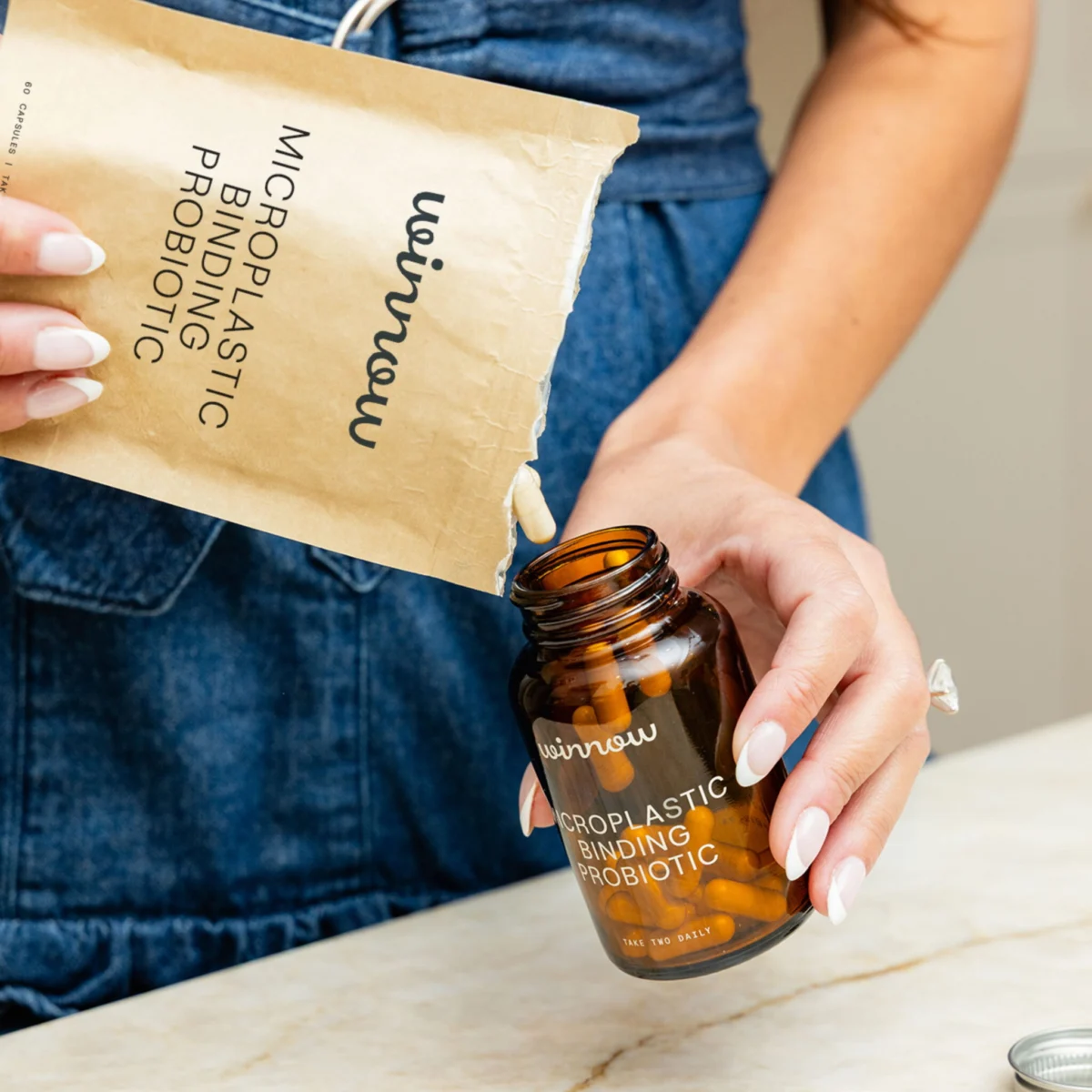
The pervasive nature of microplastics has transitioned from an environmental concern to a critical public health issue as researchers continue to identify these synthetic particles in the human bloodstream, lung tissue, and even the placentas of newborn babies. As the scientific community grapples with the long-term health implications of plastic ingestion, a new frontier in biotechnology is emerging: the use of targeted probiotics to sequester and remove microplastics from the human digestive tract. Central to this development is Winnow, a specialized daily probiotic designed not only for gut health but also to bind ingested microplastics through a process known as surface adsorption. While environmental advocates maintain that systemic reduction of plastic production remains the primary solution, the emergence of biological mitigation tools represents a pragmatic response to a world where plastic exposure has become virtually unavoidable.
The Scope of the Microplastic Crisis: A Global Context
Microplastics, defined as plastic particles smaller than five millimeters, are the byproduct of the degradation of larger plastic waste and the intentional manufacture of microbeads. Recent environmental data suggests that the average person may ingest approximately five grams of plastic every week—equivalent to the weight of a credit card. These particles enter the human body through various pathways, including the inhalation of household dust, the consumption of bottled water, and the ingestion of food stored in synthetic packaging.
The sources of exposure are ubiquitous. Synthetic clothing fibers shed during laundering enter the water supply, while mechanical wear on car tires releases microparticles into the air. In domestic settings, common items such as plastic cutting boards, takeout containers, and heated food packaging contribute significantly to the daily "plastic load" processed by the human body. As these particles accumulate, concerns regarding inflammation, endocrine disruption, and the transport of heavy metals or pathogens via plastic surfaces have intensified, prompting a surge in research dedicated to internal detoxification methods.
The Development of Microplastic-Binding Probiotics
The concept of using beneficial bacteria to address environmental toxins is not entirely new, but its application to microplastics represents a significant shift in nutritional science. The development of Winnow followed extensive screening of probiotic strains to identify those with specific physical properties capable of interacting with synthetic polymers.
The primary mechanism employed is surface adsorption. Unlike chemical degradation, which seeks to break down the plastic, adsorption involves the physical adherence of plastic particles to the surface of the probiotic bacteria. This adherence is facilitated by bacterial surface structures, specifically exopolysaccharides (EPS) and S-layer proteins. These naturally occurring coatings on certain bacterial strains act as a biological "velcro," trapping microplastic particles as the bacteria move through the gastrointestinal tract. Once bound, the particles are theoretically sequestered within the fecal bolus and excreted, preventing them from interacting with the intestinal lining or translocating into the bloodstream.
Chronology of Scientific Advancements and Preclinical Testing
The timeline for this technology has accelerated over the last five years. In 2024 and early 2025, several key studies provided the foundation for the current commercial applications of microplastic-binding probiotics.
- Strain Screening: Researchers initially screened hundreds of bacterial strains—over 780 in one peer-reviewed study—to evaluate their "stickiness" in relation to common polymers.
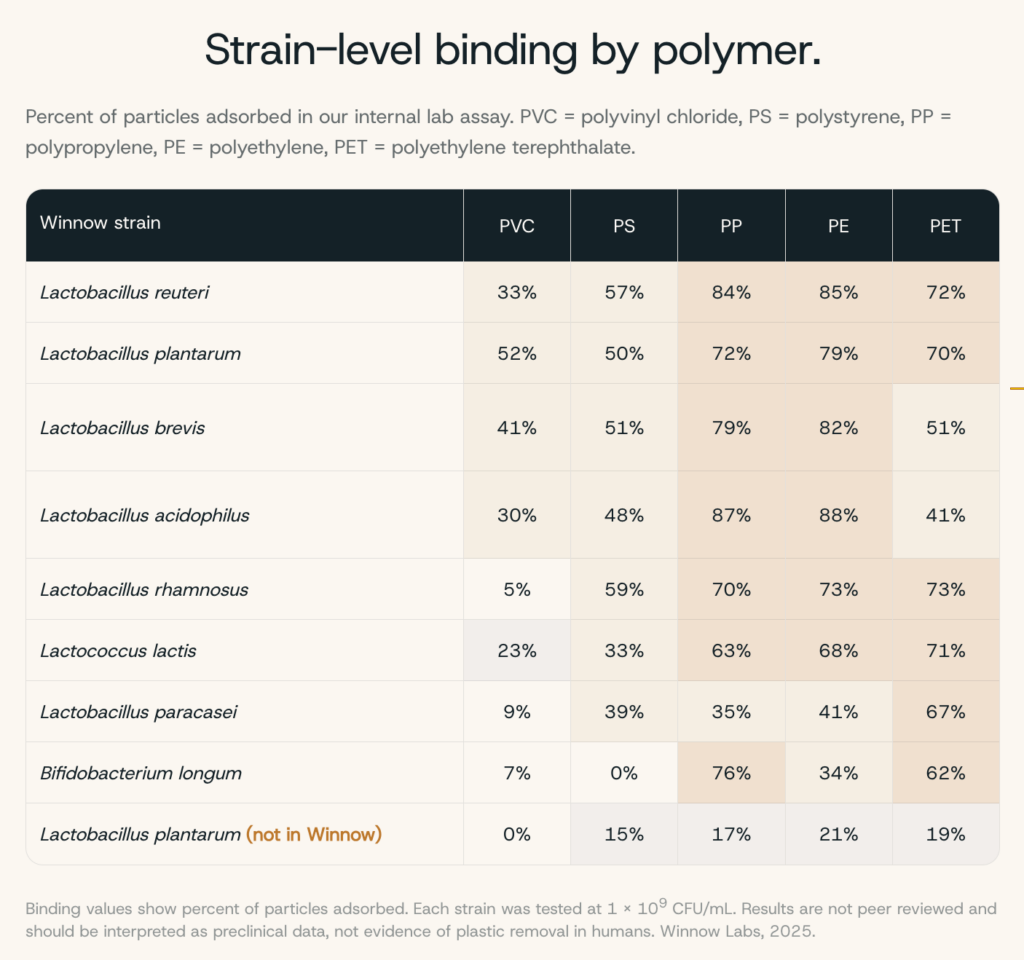
- Polymer Testing: Testing was conducted across a spectrum of common plastics, including Polyethylene (PE), Polypropylene (PP), Polystyrene (PS), Polyethylene Terephthalate (PET), and Polyvinyl Chloride (PVC).
- Synergistic Formulations: Internal data from Winnow labs indicated that while single strains showed promise, a multi-strain formula was significantly more effective. Their findings suggested that a blended approach could bind up to 1.8 times more of a mixed-plastic composition than any individual strain could achieve in isolation.
- Animal Modeling: A 2025 peer-reviewed study demonstrated that in animal models, the administration of specific probiotic strains led to a measurable increase in microplastic excretion and a corresponding reduction in the accumulation of plastic particles within intestinal tissues.
While these preclinical results are promising, the scientific community emphasizes that human clinical trials specifically focused on microplastic excretion are the next necessary step to confirm the efficacy observed in laboratory and animal settings.
Technical Specifications of the Winnow Formula
The Winnow protocol utilizes a "dual-layer" approach to formulation. The first layer consists of clinically studied probiotic strains focused on traditional digestive health metrics, such as regularity, immune support, and gut barrier integrity. These include well-documented strains such as L. rhamnosus ATCC 53103, L. reuteri DSM 17938, and L. acidophilus ATCC SD5212.
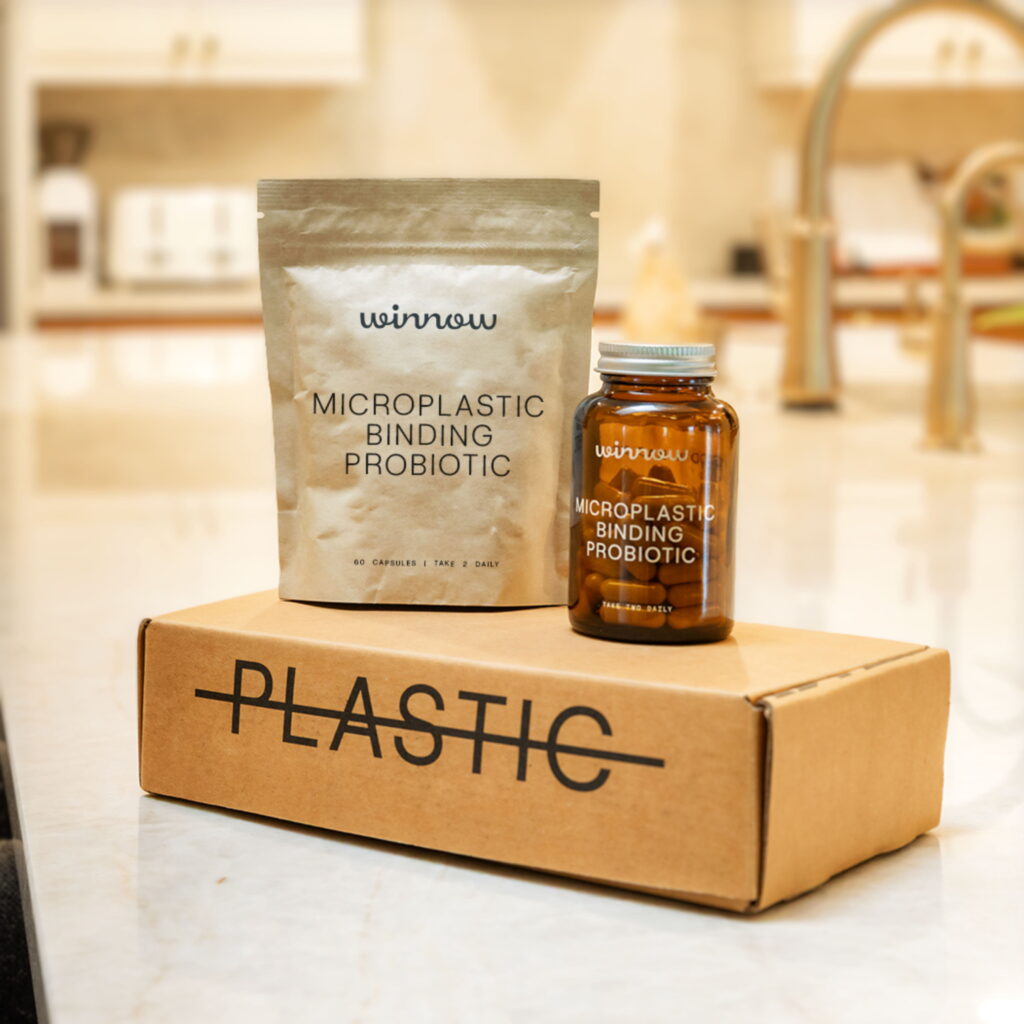
The second layer involves the integration of strains selected for their adsorption potential. By combining these two categories, the product aims to serve as a comprehensive gut health supplement that addresses the modern reality of plastic ingestion. Furthermore, to align with the environmental values of its target demographic, the product is distributed in entirely plastic-free packaging, utilizing glass, metal, and compostable materials to ensure the solution does not contribute to the problem it seeks to mitigate.
Expert Analysis and Public Reaction
The introduction of microplastic-binding supplements has met with a mixture of cautious optimism and a call for broader systemic change. Environmental health experts acknowledge the utility of such tools but warn against "techno-optimism"—the belief that a pill can solve a crisis of global industrial production.
"Biotechnological interventions like Winnow are a fascinating and likely necessary tool for individual health management in the 21st century," noted one environmental scientist during a recent public health forum. "However, we must be careful not to let these solutions replace the urgent need for stricter regulations on plastic manufacturing and the holding of corporations accountable for the lifecycle of their products."
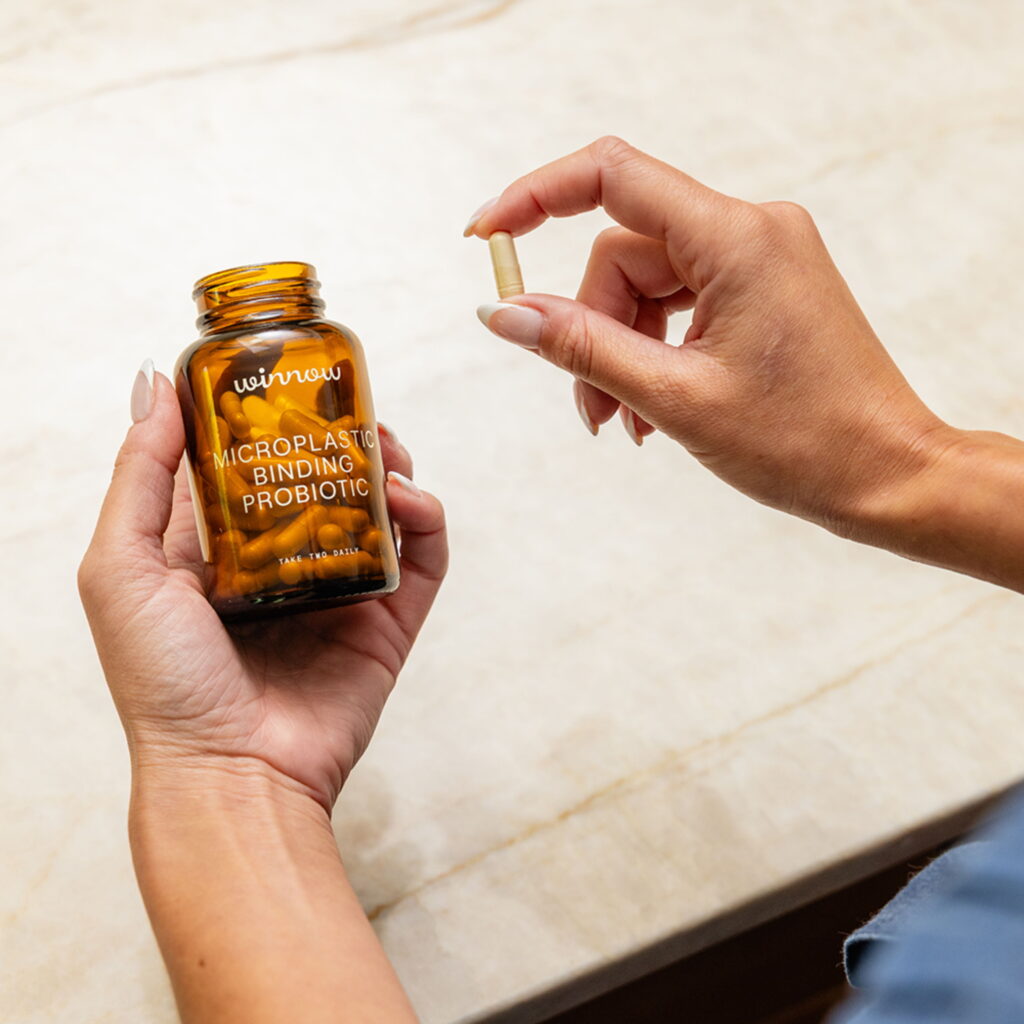
Consumer response has been robust, particularly among the "zero-waste" and "clean-living" communities. For individuals who have already taken significant steps to reduce their plastic footprint—such as using glass storage containers and filtering their tap water—the addition of a microplastic-binding probiotic is viewed as a "final mile" intervention to address the exposure that remains outside of their direct control.
Broader Implications for Public Health and Policy
The emergence of Winnow and similar biotechnological innovations carries significant implications for future public health policy. If probiotics are proven to effectively reduce the internal "plastic load," they may eventually be recommended as part of standard nutritional guidelines, particularly for populations in highly industrialized areas or those with high seafood consumption (a major source of dietary microplastics).
Furthermore, this research may influence the way water treatment facilities and food processing plants approach filtration. If bacterial strains can be engineered or selected to bind plastics effectively, they could potentially be used in large-scale bio-filtration systems to remove microplastics from the environment before they ever reach the human body.
Practical Strategies for Exposure Reduction
While supplements like Winnow offer a biological defense, health experts continue to advocate for a multi-faceted approach to minimizing microplastic accumulation. Current recommendations include:
- Heat Awareness: Avoiding the use of plastic containers in microwaves or dishwashers, as heat accelerates the leaching of microplastics and chemical additives.
- Material Swaps: Prioritizing glass, stainless steel, and ceramic for food storage and preparation.
- Water Filtration: Utilizing high-quality water filters certified to remove sub-micron particles.
- Domestic Hygiene: Regular vacuuming and dusting with HEPA-filter equipped devices to reduce the inhalation of plastic fibers from synthetic carpets and furniture.
- Dietary Choices: Minimizing the consumption of highly processed foods, which often undergo multiple stages of contact with plastic machinery and packaging.
Conclusion: A New Paradigm in Health Maintenance
The development of microplastic-binding probiotics represents a pivotal moment in the evolution of the wellness industry. It marks a shift from general health support to targeted environmental defense. As the scientific understanding of the "plastisphere"—the ecosystem of plastic and the organisms that interact with it—deepens, tools like Winnow will likely become more specialized.
While no supplement can serve as a magic solution to the global plastic crisis, the integration of clinical probiotic science with environmental detoxification research provides a necessary bridge. For the modern consumer, navigating a world saturated with synthetic polymers, these biological interventions offer a tangible method of support, combining traditional gut health with the emerging requirements of environmental resilience. As further research moves from preclinical stages to human trials, the role of the microbiome in defending the body against the "plastic age" will undoubtedly remain at the forefront of biotechnological innovation.


