
The global landscape of consumer retail is undergoing a significant transformation as environmental concerns and economic pressures converge, forcing a reevaluation of traditional grocery shopping habits. Current data indicates that plastic food packaging accounts for approximately 40% of all plastic waste generated globally, with the United States, Europe, and China identified as the primary contributors to this mounting environmental crisis. As the international community grapples with the dual challenges of pollution and food insecurity, the movement toward zero-waste grocery shopping has evolved from a niche lifestyle choice into a critical strategy for sustainable living and fiscal responsibility.
The Global Scale of Packaging and Food Waste
The environmental impact of the modern grocery store is most visible in its reliance on single-use plastics. From pre-cut fruits housed in polycarbonate clamshells to cucumbers encased in polyethylene film, plastic has become the industry standard for preservation and convenience. However, the lifecycle of this packaging often ends in landfills or oceans, where it persists for centuries. According to research from Our World in Data, the packaging sector is the single largest generator of plastic waste, a trend that shows little sign of abating without systemic intervention.
Beyond the issue of inorganic waste, food loss represents a secondary, equally devastating crisis. In the United States alone, approximately 40% of the food supply is wasted. This occurs across the entire value chain, from the farm to the retail floor and eventually the consumer’s kitchen. Retailers frequently discard produce that fails to meet arbitrary "beauty standards" regarding size, shape, or minor surface blemishes. Simultaneously, consumers contribute to the problem through improper storage techniques and over-purchasing, leading to billions of pounds of organic matter decomposing in landfills, where it releases methane—a greenhouse gas significantly more potent than carbon dioxide.
Economic Pressures and the 2026 Outlook
The urgency of adopting zero-waste habits is further underscored by a tightening economic environment. The United States Department of Agriculture (USDA) has projected a continued upward trajectory for food costs. By 2026, prices for all food categories are predicted to increase by at least 3.6 percent. This forecast suggests that the financial margin for error in household management is narrowing; consumers can no longer afford the literal and figurative cost of waste.
Financial analysts suggest that the intersection of inflation and environmental degradation is creating a new class of "conscientious savers." For these individuals, reducing waste is not merely an ethical imperative but a necessary component of a functional household budget. The adoption of zero-waste practices—such as buying in bulk and optimizing food preservation—is increasingly viewed as a hedge against rising retail prices.
The Chronology of the Zero-Waste Movement
The transition toward zero-waste retail is not a new phenomenon but rather a return to historical procurement methods enhanced by modern logistics.
- Pre-1950s: The "General Store" model dominated, where goods were sold from barrels and sacks into consumer-provided containers.
- 1960s-1990s: The rise of the supermarket and the "Convenience Era" introduced mass-produced plastic packaging and the standardization of produce aesthetics.
- Early 2000s: The emergence of the modern zero-waste movement, sparked by environmental advocates calling for a "circular economy."
- 2015-Present: The proliferation of specialized "refilleries" and the reintegration of bulk sections into mainstream grocery chains.
- 2024 and Beyond: The integration of digital tools, such as the Refill Collective directory, to help consumers locate plastic-free options and the implementation of Extended Producer Responsibility (EPR) laws in various jurisdictions.
Strategic Procurement: Navigating the Modern Grocery Store
Transitioning to a zero-waste shopping model requires a shift in procurement strategy, focusing on three primary pillars: packaging reduction, "ugly" produce acceptance, and bulk utilization.
Eliminating Single-Use Plastics
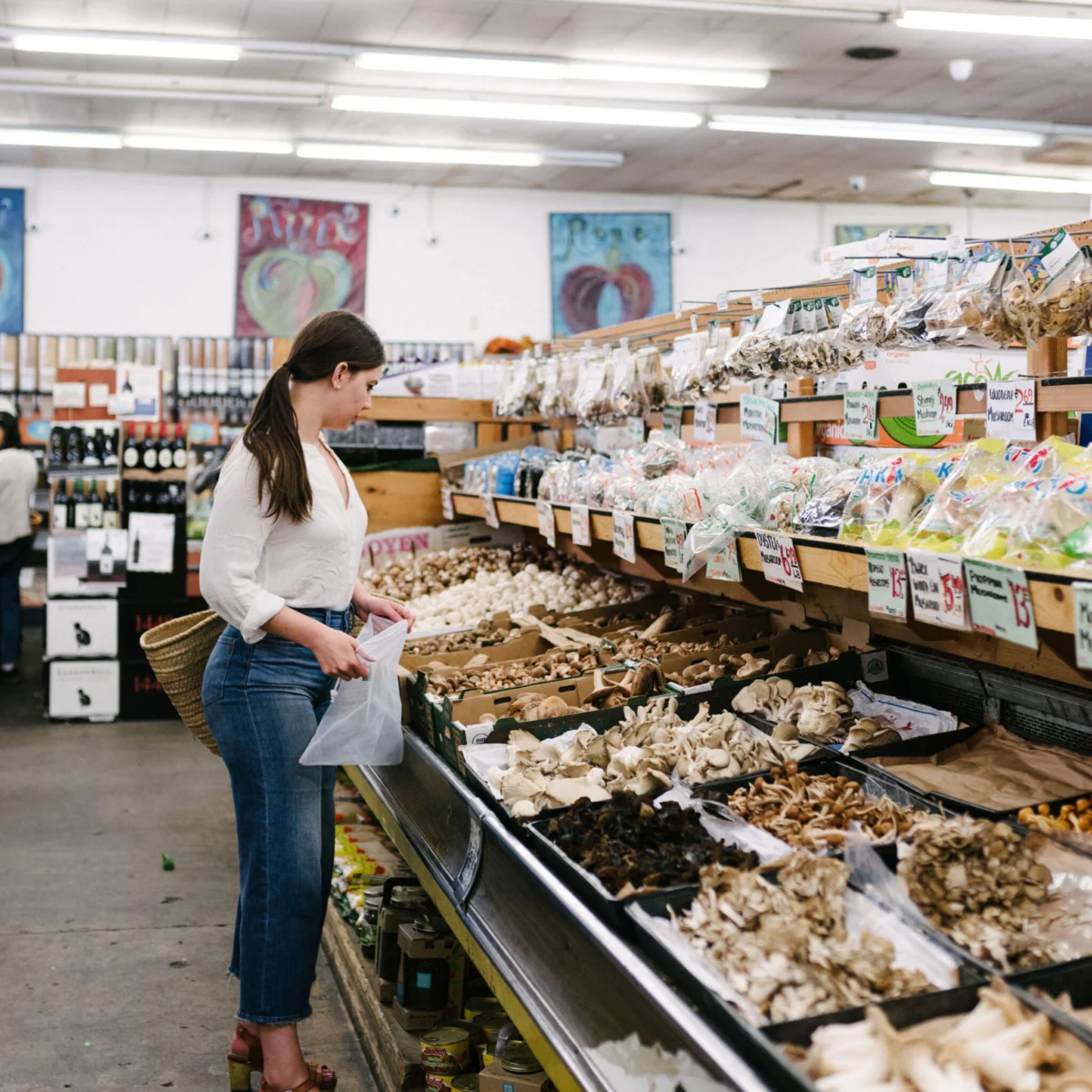
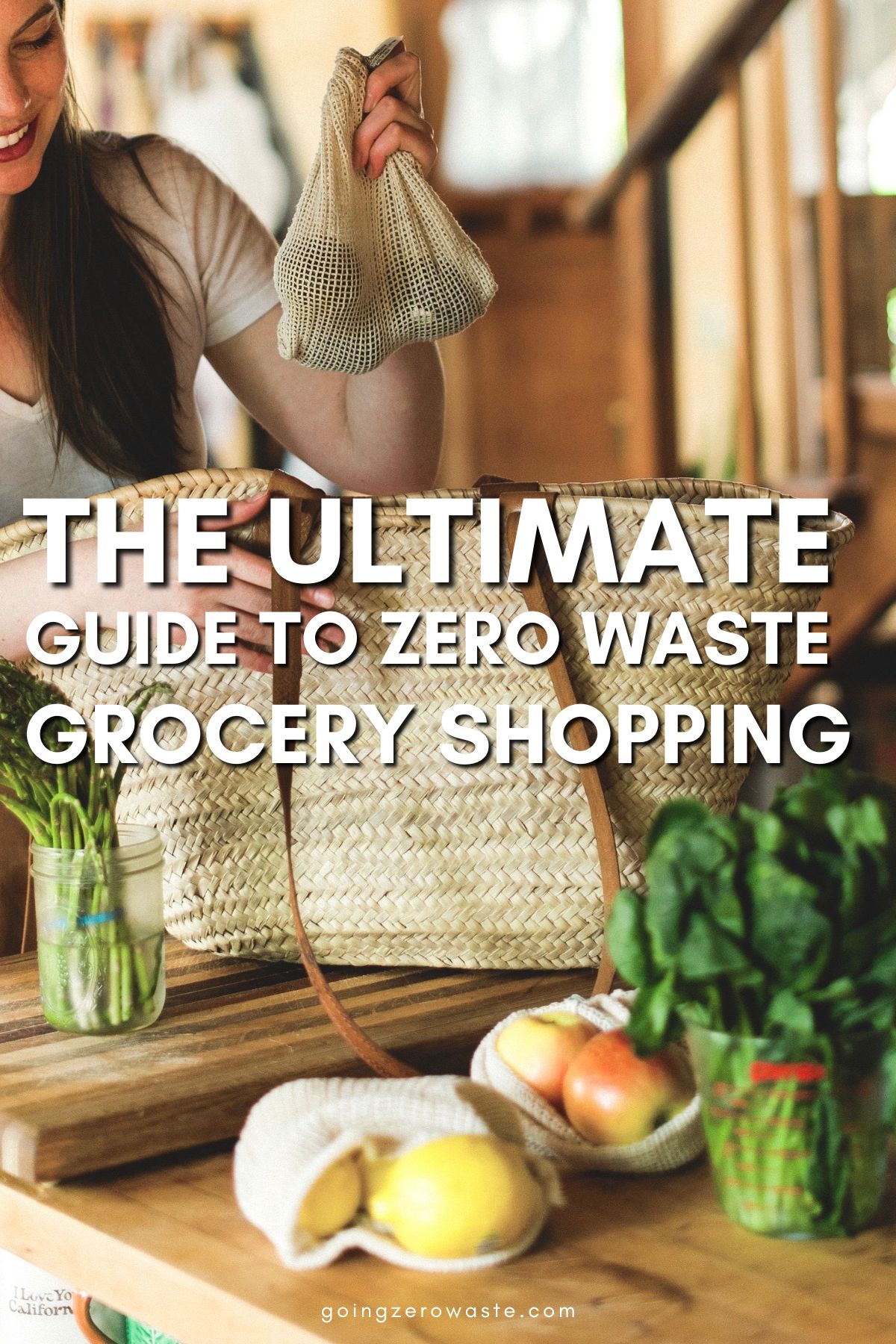
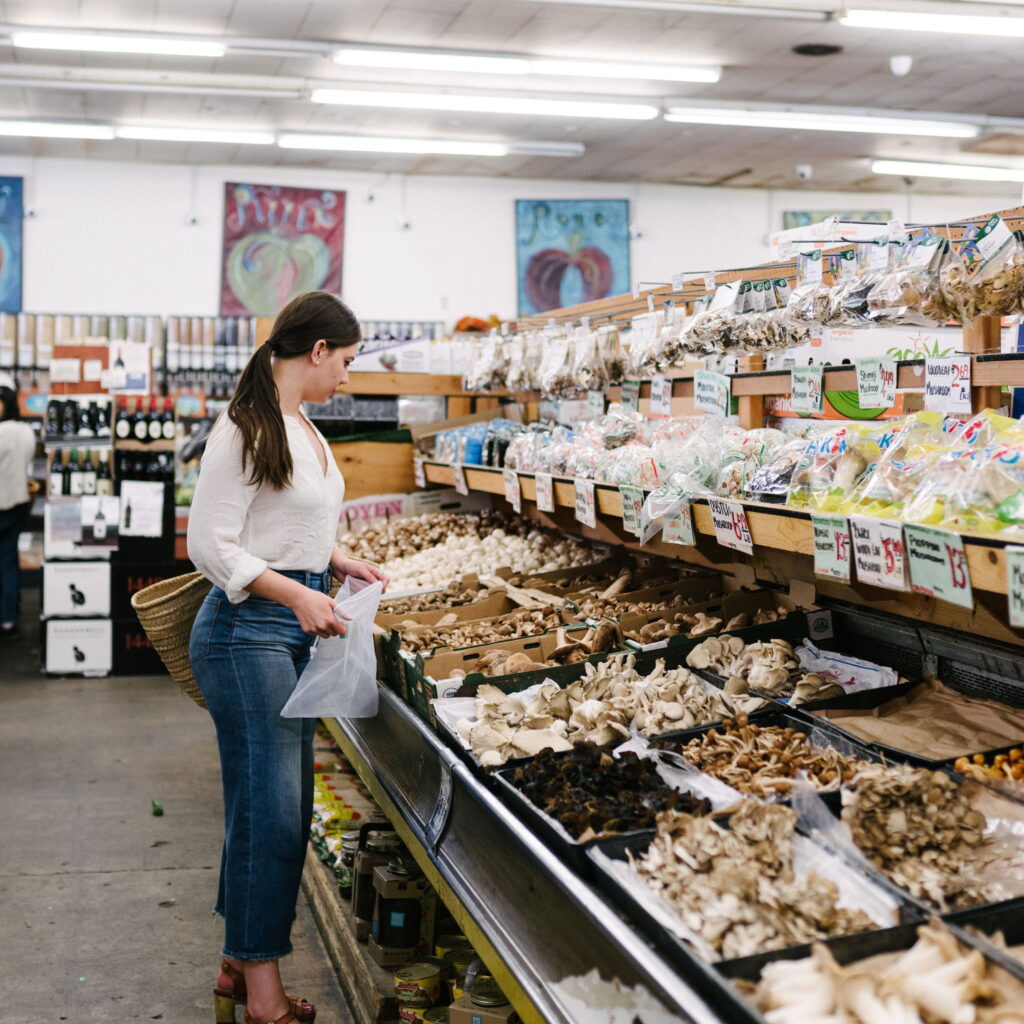
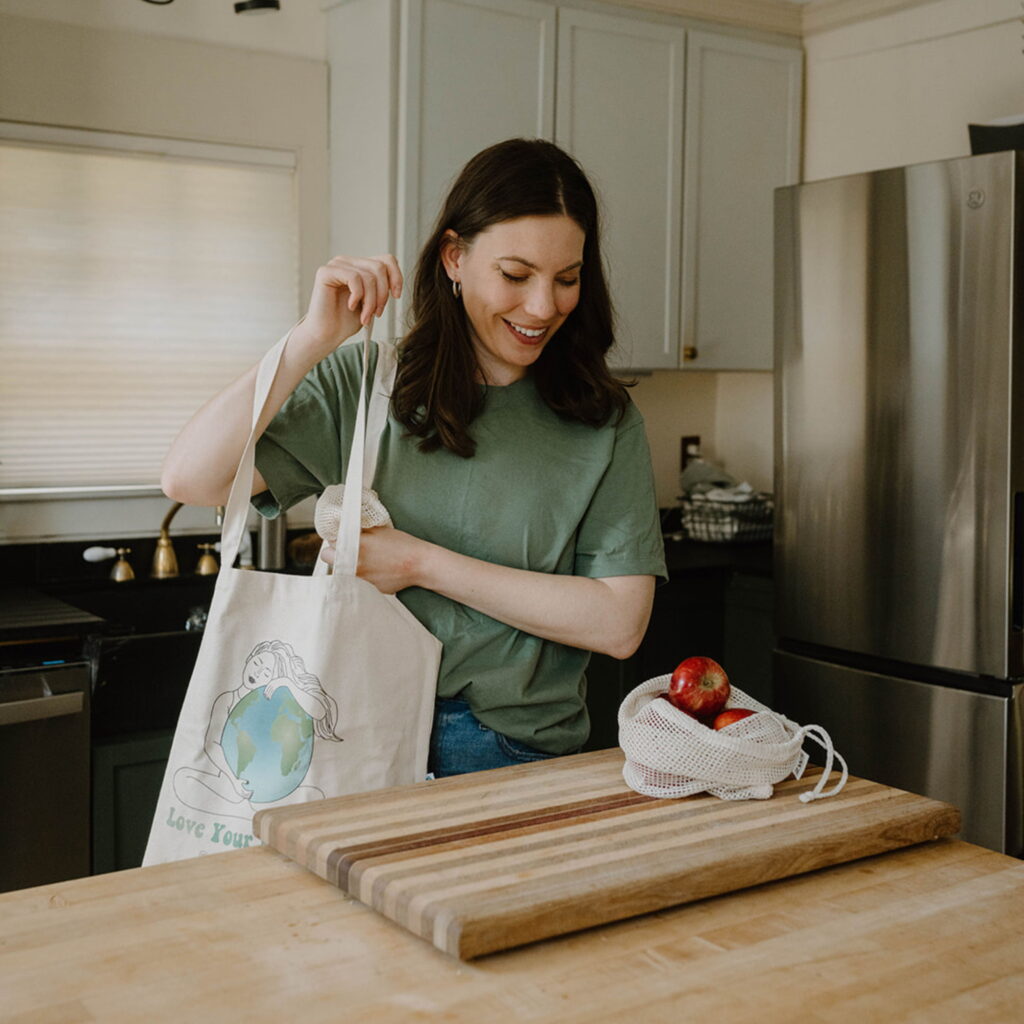
The most immediate step for consumers is the rejection of pre-packaged produce. Selecting "naked" or loose fruits and vegetables allows shoppers to purchase only what they need, reducing both potential food waste and plastic consumption. The use of reusable mesh cotton bags for leafy greens and solid cloth bags for grains has become a standard recommendation for minimizing the environmental footprint of a grocery run.
Embracing Imperfect Produce
The retail industry’s adherence to aesthetic perfection is a major driver of agricultural waste. Environmental groups have long advocated for the purchase of "lonely bananas"—those separated from their bunches—and "wonky" produce. Some retailers have begun to formalize this process, offering discounted "misfit" produce sections, which provides a dual benefit: reducing retail waste and offering cost savings to the consumer.
The Rise of Refilleries and Bulk Bins
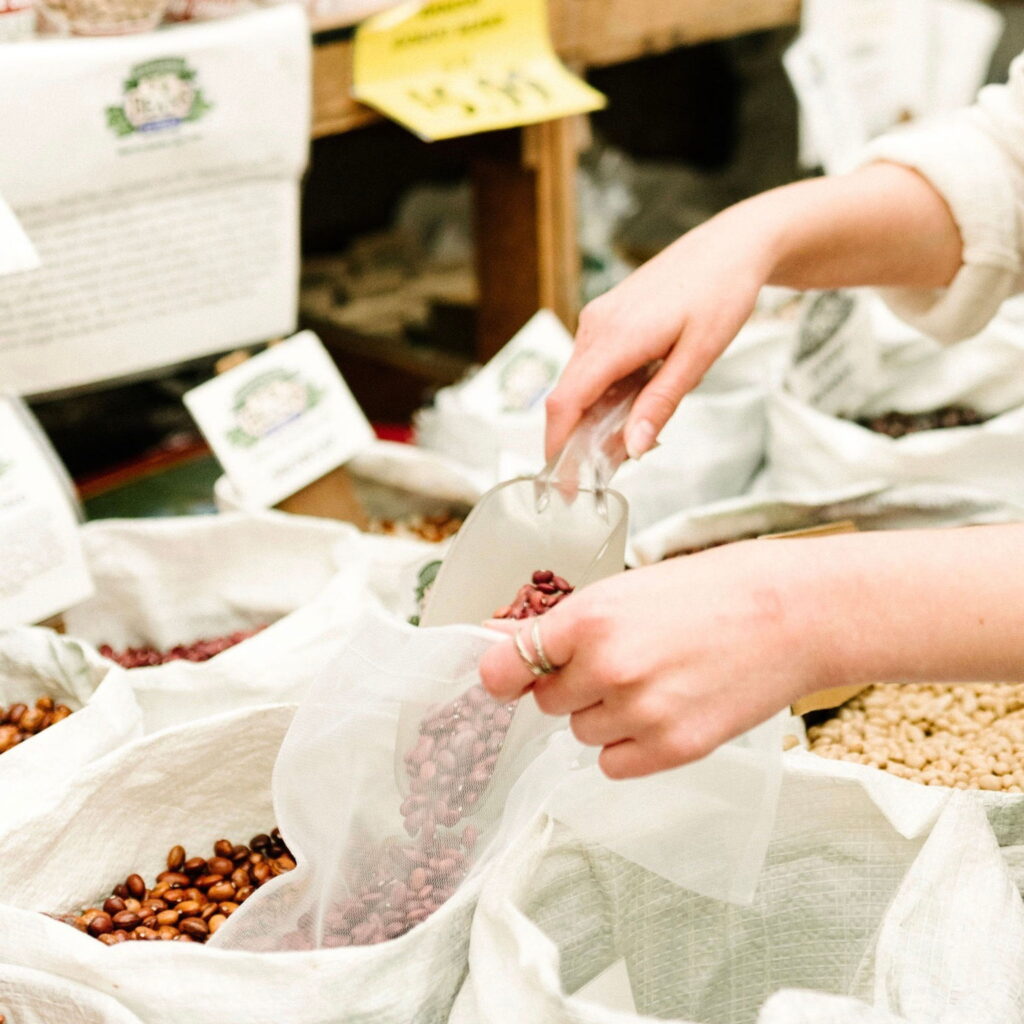
Bulk bins, or refilleries, represent the cornerstone of the zero-waste system. By allowing consumers to fill their own glass jars or stainless steel containers with dry goods—such as beans, spices, and flours—these sections eliminate the need for branded plastic packaging. Furthermore, bulk shopping allows for precise quantity control, ensuring that consumers do not purchase excess amounts that might spoil before use.
Farmers Markets and Localized Supply Chains
Farmers markets play a vital role in the zero-waste ecosystem. These venues typically operate with significantly less packaging than traditional supermarkets. Produce is often sold without stickers, and berries are frequently packaged in compostable paper cartons rather than plastic clamshells. By shortening the supply chain, farmers markets also reduce the carbon emissions associated with food transportation and provide consumers with fresher products that have a longer shelf life.
Household Management: Meal Planning and Storage Science
The zero-waste philosophy extends beyond the point of purchase into the home. Effective household management is essential for ensuring that the resources procured are fully utilized.
The Ingredient-Based Planning Model
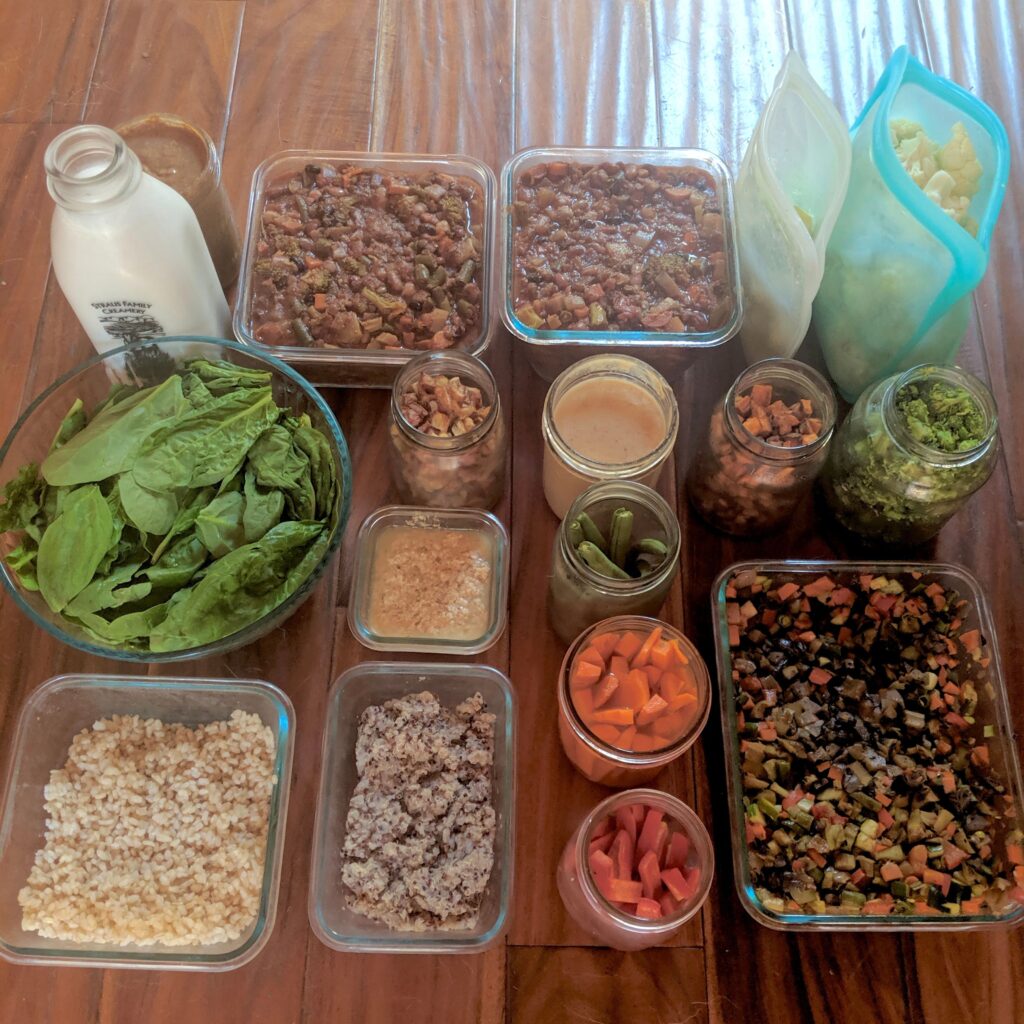
Professional organizers and sustainability experts recommend planning meals around available ingredients rather than specific recipes. This "master list" approach allows for greater flexibility and prevents the impulse purchases that often lead to waste. Before visiting a store, consumers are encouraged to perform a "fridge audit" to identify items that require immediate use.
Scientific Food Preservation
Understanding the biology of food spoilage is critical for waste reduction. For instance, storing carrots in a container of water in the refrigerator can maintain their turgidity for weeks. Conversely, berries should remain unwashed and dry in airtight containers until the moment of consumption to prevent mold growth.
Proper refrigerator organization also impacts food longevity. The door of the refrigerator is the warmest zone and should be reserved for shelf-stable condiments, while the crisper drawers should be used to manage humidity levels for sensitive produce. High-humidity drawers are ideal for leafy greens, while low-humidity settings are better for ethylene-emitting fruits like apples and pears.
Creative Utilization of "Scraps"
A key tenet of the zero-waste kitchen is the reimagining of food scraps as culinary assets. Many parts of vegetables that are traditionally discarded are not only edible but nutrient-dense.
- Carrot and Beet Tops: These can be processed into pestos or used as herbs in salads.
- Strawberry Tops: When added to smoothies, they provide additional fiber and vitamins without altering the flavor profile.
- Vegetable Peels: Potato and parsnip peels can be seasoned and roasted into chips, or simmered with onion ends to create homemade vegetable stock.
These practices represent a significant shift in culinary culture, moving away from a "disposable" mindset toward one of total ingredient utilization.

Composting: The Final Tier of the Circular Economy
When food items can no longer be repurposed for consumption, composting serves as the final mechanism for keeping organic matter out of landfills. For urban dwellers, countertop compost pails equipped with charcoal filters can manage odors until the waste is transferred to a curbside collection bin or a community garden. For those with outdoor space, methods such as backyard tumbling, trench composting, or the Bokashi fermentation system allow for the creation of nutrient-rich soil amendments.
Experts emphasize that while composting is a vital tool, it should remain the "last resort" in the zero-waste hierarchy, following reduction and reuse.
Broader Impact and Policy Implications
The shift toward zero-waste grocery shopping is not occurring in a vacuum. It is part of a broader global movement toward a circular economy. Governments are increasingly considering "Plastic Taxes" and bans on specific single-use items, while corporations are facing pressure to redesign their packaging for recyclability or reusability.
The implications of this movement are far-reaching. On a macro level, a widespread reduction in food and packaging waste would lead to a decrease in municipal waste management costs and a significant reduction in national carbon footprints. On a micro level, it empowers consumers to regain control over their spending and their environmental impact.
As the 2026 economic projections approach, the transition to a zero-waste grocery system appears less like a lifestyle trend and more like an essential adaptation to a resource-constrained world. Through strategic planning, informed procurement, and diligent household management, the modern consumer can navigate the grocery store in a way that preserves both the planet and the pocketbook.


