
The global effort to mitigate climate change has found an unconventional but highly effective battleground: the retail food sector. As food waste continues to account for an estimated 10% of all global greenhouse gas emissions, a new wave of technological solutions is bridging the gap between surplus inventory and consumer demand. Central to this movement is Too Good To Go, a social impact company that operates a mobile marketplace for surplus food. By connecting local restaurants, bakeries, and grocery stores with consumers, the platform aims to ensure that perfectly edible food is consumed rather than discarded. Recent data suggests that redirecting surplus food not only reduces the carbon footprint of the retail sector but also offers a viable model for sustainable hosting and domestic food management.

The Mechanics of Surplus Food Redistribution
The operational model of surplus redistribution platforms relies on a "surprise bag" system, which addresses the unpredictable nature of retail inventory. Because businesses cannot always predict which specific items will remain unsold at the end of a business day, the surprise bag allows for flexibility. In a recent demonstration of this model’s efficacy, consumers engaged with both a gourmet grocery outlet and a specialized juice boutique to procure high-quality ingredients at approximately one-third of their original retail price.
The process is inherently data-driven. Retailers list their available surplus on the app during the final hours of operation. Consumers then reserve a bag and collect it during a designated window. This system effectively minimizes the labor costs associated with traditional inventory liquidations while providing a financial return on items that would otherwise represent a total loss. For the consumer, the economic incentive is clear: access to premium, often artisanal, products at a fraction of the cost, provided they are willing to embrace the "surprise" element of the contents.

From Surplus to Celebration: A Case Study in Sustainable Hosting
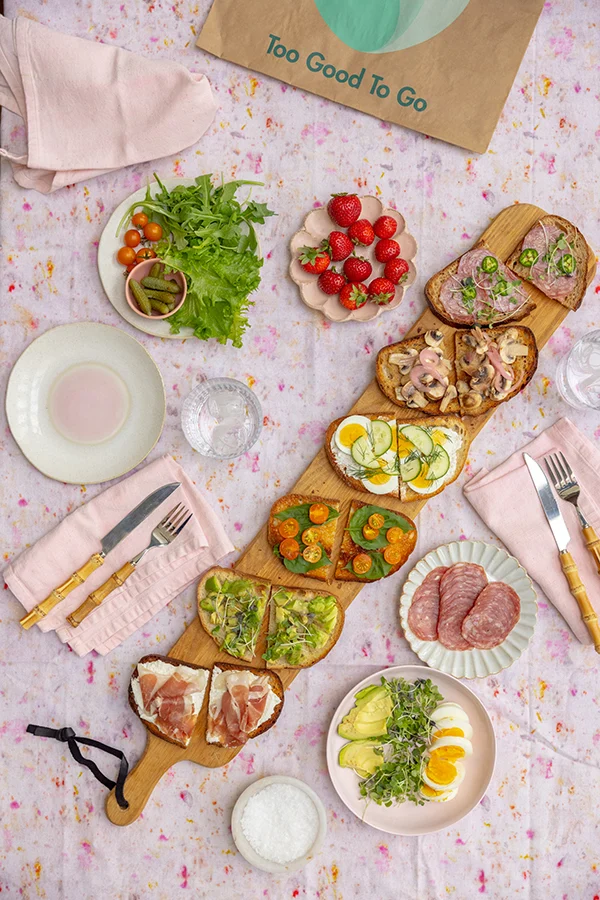
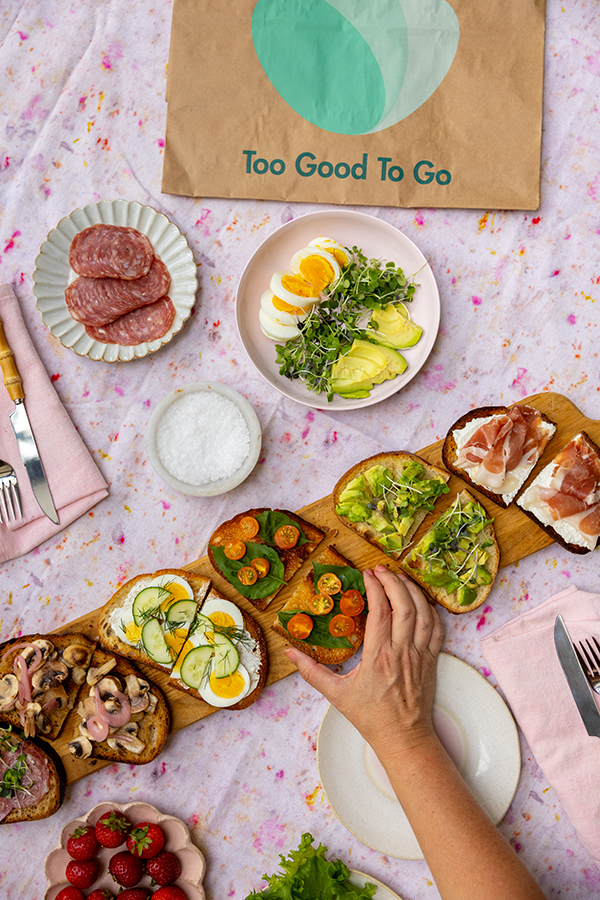
The utility of redirected food surplus extends beyond individual consumption, offering a framework for "zero-waste" social gatherings. In a practical application of this concept, a selection of surplus items—including artisanal breads and fresh produce—was utilized to host a gourmet gathering centered on the concept of versatile tartines, or open-faced sandwiches.
By utilizing a "batch-toasting" method, hosts can prepare a large volume of surplus bread simultaneously, transforming slightly older loaves into crisp bases for various toppings. This approach encourages culinary creativity and reduces the pressure to purchase new, specialized catering platters. The integration of "fridge-clearing" ingredients, such as basil and tomatoes harvested from home gardens, further enhances the sustainability of the event.

The following culinary combinations have been identified as effective ways to utilize surplus pantry and garden items:
- Ricotta and Prosciutto: Enhanced with "hot honey" to balance creamy, salty, and spicy profiles.
- Avocado and Sprouts: A nutrient-dense option utilizing lemon and sea salt to preserve the color and flavor of the fruit.
- Classic Caprese: Utilizing garden-fresh tomatoes and basil with high-quality olive oil.
- Danish-Style Smørrebrød: A combination of mayonnaise, sliced hard-boiled eggs, cucumbers, and fresh dill.
- Savory Mushroom: Melted cheese paired with sautéed mushrooms, ideal for utilizing various fungi varieties.
- Spicy Charcuterie: Featuring soppressata and jalapeños for a bold flavor profile.
By setting up a "build-your-own" station, hosts can empower guests to create their own combinations, ensuring that all components of the surplus bag are utilized according to individual preference, thereby further reducing post-event plate waste.
The Environmental Stakes: Understanding the 10% Figure
The statistic that food waste contributes to 10% of global greenhouse gas emissions is a critical driver for both corporate and consumer behavior. According to the United Nations Environment Programme (UNEP) Food Waste Index, hundreds of millions of tonnes of food are wasted annually at the retail and consumer levels. When food is sent to landfills, it decomposes anaerobically, releasing methane—a greenhouse gas that is significantly more potent than carbon dioxide in the short term.
Furthermore, the environmental cost of food waste includes the "embedded" resources required for production. This includes the water used for irrigation, the fuel for agricultural machinery and transport, and the land use that often contributes to deforestation. When a single loaf of bread or a bottle of cold-pressed juice is discarded, the entirety of that resource chain is effectively invalidated. Redistributing surplus food ensures that the environmental "investment" made during the production phase results in human caloric intake rather than atmospheric pollution.

Economic Impact and Merchant Participation
For small business owners and gourmet retailers, participation in the surplus economy is becoming a strategic necessity. The traditional "shrinkage" or "spoilage" rate in the food industry has long been accepted as a cost of doing business. However, as inflation drives up the cost of raw ingredients and labor, retailers are seeking ways to recover value from every item in their inventory.
Market analysts note that platforms like Too Good To Go provide a secondary benefit: customer acquisition. Many consumers who pick up a surplus bag from a gourmet grocery store or a juice bar are visiting that establishment for the first time. The low-cost entry point allows them to sample the quality of the merchant’s offerings, often leading to full-price purchases in the future. This "sampling effect" transforms waste management into a marketing tool, creating a symbiotic relationship between the merchant’s sustainability goals and their bottom line.

Strategic Guidelines for Zero-Waste Gatherings
To maximize the impact of sustainable food practices, event planners and home hosts are encouraged to adopt a structured approach to inventory management. Professional organizers suggest the following timeline and methodology for hosting a zero-waste gathering:
- Inventory Audit: Forty-eight hours prior to an event, hosts should audit their existing refrigerator and pantry contents to identify items that need to be used.
- Surplus Procurement: Utilize redistribution apps 24 hours in advance to supplement existing ingredients with high-quality breads, cheeses, or produce.
- The "Toast" Strategy: Focus on versatile bases, like toasted bread, which can accommodate a wide variety of toppings, reducing the need for multiple specialized dishes.
- Guest Engagement: Inform guests of the "zero-waste" theme. This often leads to increased awareness and more mindful consumption during the event.
- Post-Event Planning: Have reusable containers ready to send leftovers home with guests, ensuring that the cycle of consumption continues beyond the party.
Official Responses and the Global Policy Landscape
The shift toward surplus redistribution is also gaining traction at the policy level. The United Nations Sustainable Development Goal 12.3 specifically aims to halve per capita global food waste at the retail and consumer levels by 2030. In response, several European nations have introduced legislation prohibiting supermarkets from discarding unsold food, requiring them instead to donate it to charities or sell it through surplus platforms.
In the United States, the response has been largely market-driven, though the USDA and EPA have set similar national goals for food loss and waste reduction. Industry leaders have reacted positively to these shifts. Statements from retail associations suggest that technology-based solutions are preferred over heavy-handed regulation, as they allow for real-time inventory adjustments and maintain the quality standards expected by consumers.
Broader Implications for the Future of Consumption
The rise of platforms like Too Good To Go signals a broader shift in consumer psychology. The "surprise bag" concept suggests that modern consumers are becoming more flexible and value-conscious, prioritizing sustainability over the ability to choose a specific item at any time. This reflects a move toward a "circular economy," where waste is designed out of the system and products are kept in use for as long as possible.

As more retailers join the surplus network, the data generated will provide even deeper insights into supply chain inefficiencies. By analyzing what consistently ends up in surprise bags, producers and retailers can adjust their ordering and manufacturing processes to prevent surplus from occurring in the first place. In the interim, the redistribution of high-quality, gourmet food remains one of the most effective tools in the global effort to lower greenhouse gas emissions while making premium nutrition more accessible to the general public.
The integration of surplus food into the social fabric of hosting and entertaining is more than a trend; it is a necessary evolution in response to the climate crisis. By reimagining the value of "leftovers" and "surplus," society can move closer to a future where the 10% of emissions currently attributed to food waste is drastically reduced, one surprise bag at a time.


