
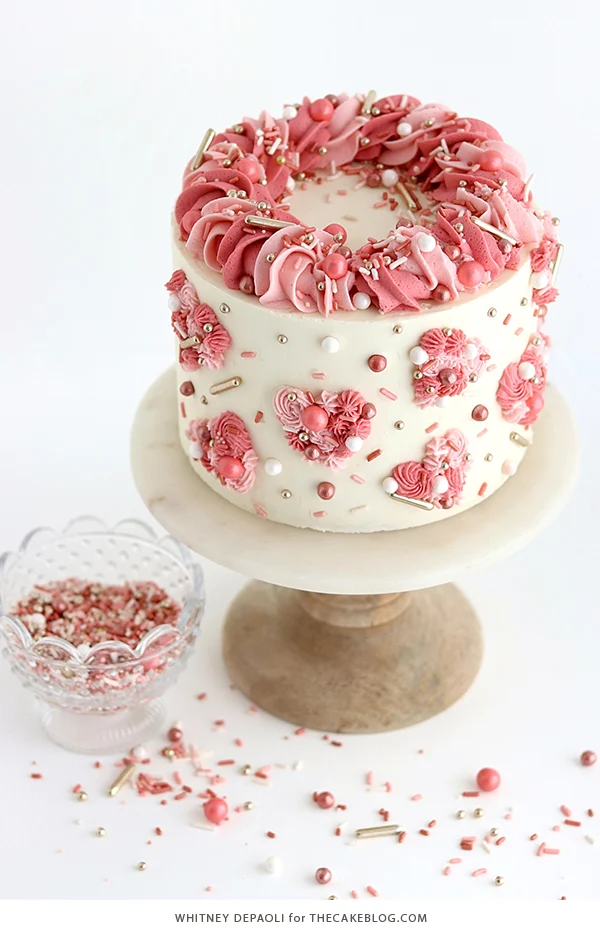
Valentine’s Day, a time-honored celebration of love and affection, often sees a predictable array of traditional motifs in its culinary expressions. Hearts, and the ubiquitous blush of pink, have long dominated the aesthetic of holiday treats. However, a recent tutorial by contributor Whitney DePaoli for TheCakeBlog.com introduces a fresh and contemporary perspective on Valentine’s Day cake decorating, showcasing a nuanced piping technique that infuses classic Valentine’s imagery with texture and vibrant color. This innovative method, inspired by the intricate designs of Instagram baker @frostedfujicakes, offers a sophisticated alternative for those seeking to elevate their celebratory confections.
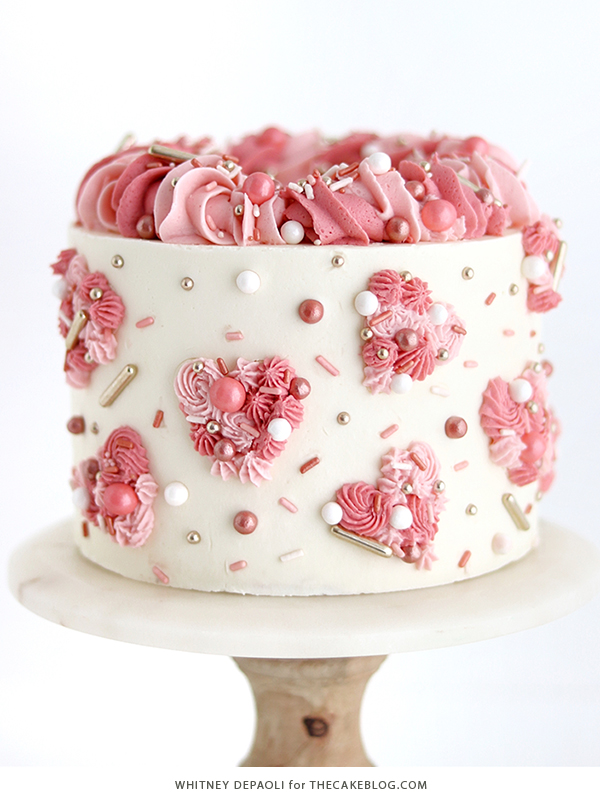
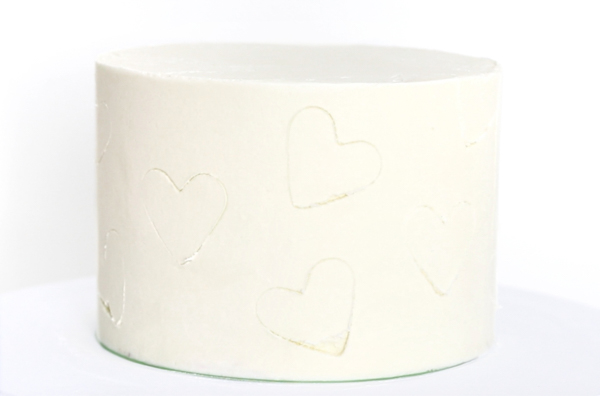
The technique centers on the artful imprinting of shapes, specifically hearts, onto a frosted cake surface. These imprinted outlines then serve as canvases for detailed buttercream piping, creating miniature works of art. The addition of carefully selected sprinkles further enhances the visual appeal, adding layers of texture and dimension that move beyond conventional Valentine’s Day décor. This approach allows for a high degree of personalization, moving beyond the traditional color palette and encouraging bakers to explore a spectrum of hues.
A Closer Look at the Technique and its Appeal
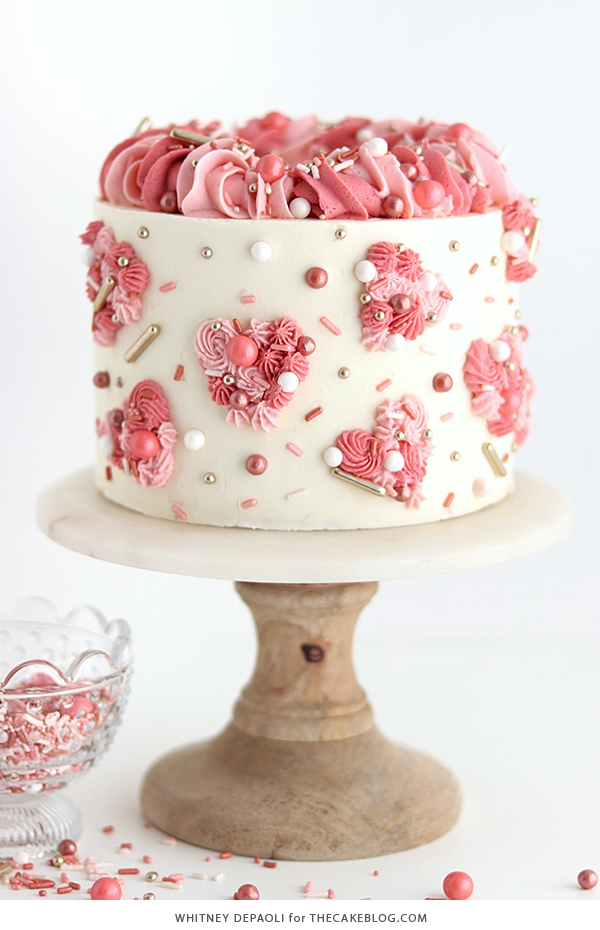
DePaoli’s tutorial details a methodical process that, while requiring some precision, is presented as accessible to bakers of varying skill levels. The core of the technique involves preparing a buttercream that is both tintable and pipeable, with American buttercream being the featured medium. The process begins with dividing the buttercream into distinct batches, which are then tinted to achieve the desired color palette. In DePaoli’s demonstration, a rose gold theme is meticulously crafted using the color Americolor Dusty Rose, creating a sophisticated and modern aesthetic. This deliberate color choice underscores the technique’s potential for contemporary design, moving away from overly saccharine interpretations of the holiday.
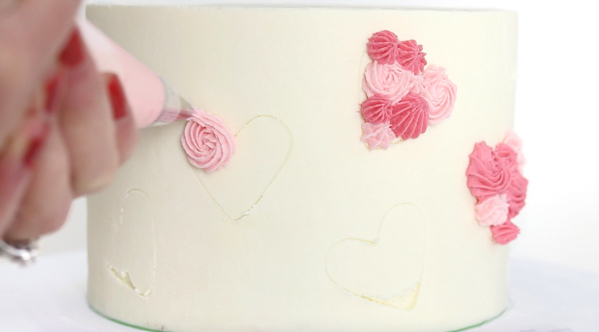
The tutorial outlines specific piping bag preparations, equipping them with various tips such as the 1M, 199, and 21. This strategic selection of tips allows for the creation of diverse textural elements within each piped heart, ranging from delicate rosettes to more structured stars. The imprinted heart shapes, created using a heart-shaped cookie cutter on a chilled and frosted cake, provide a defined framework for these piped embellishments. DePaoli emphasizes the importance of spacing these imprints to avoid a crowded appearance, suggesting a minimum of two inches apart.
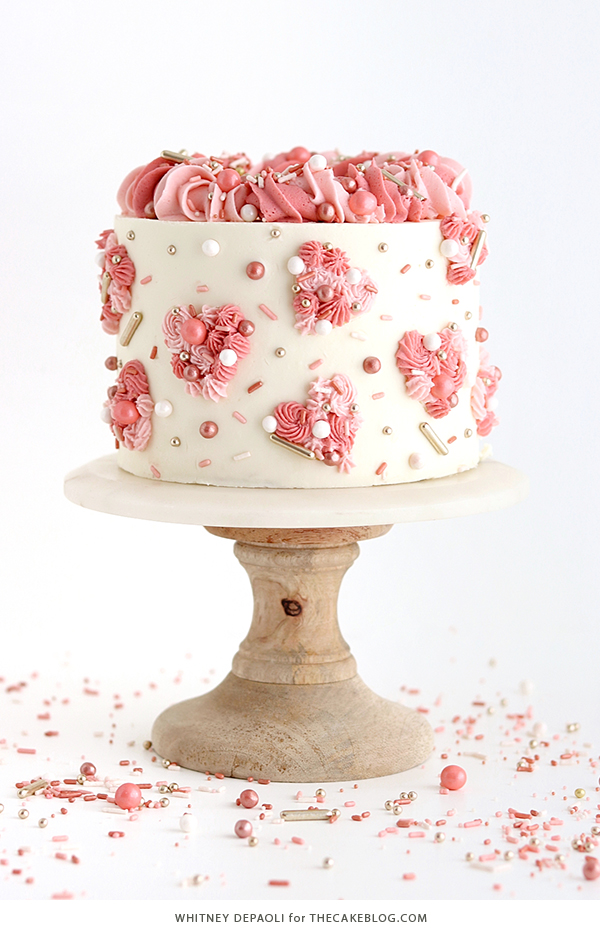
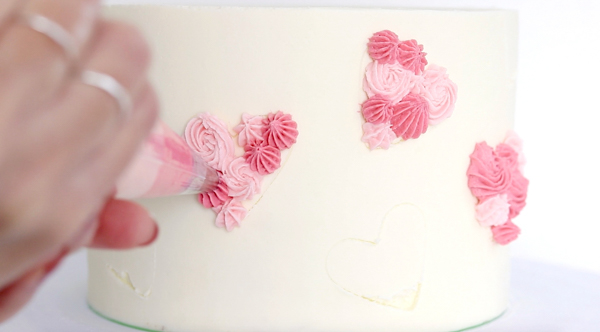
The subsequent filling of these imprinted hearts with buttercream piping is a crucial step. Bakers are encouraged to fill the shapes as much as possible, creating a sense of depth and volume. While the initial piped designs may not perfectly resemble hearts, the tutorial reassures that the final application of sprinkles will unify the composition and refine the overall aesthetic. This understanding of how different elements work in synergy is a hallmark of advanced cake decorating.
Expanding the Creative Horizon: Color and Customization
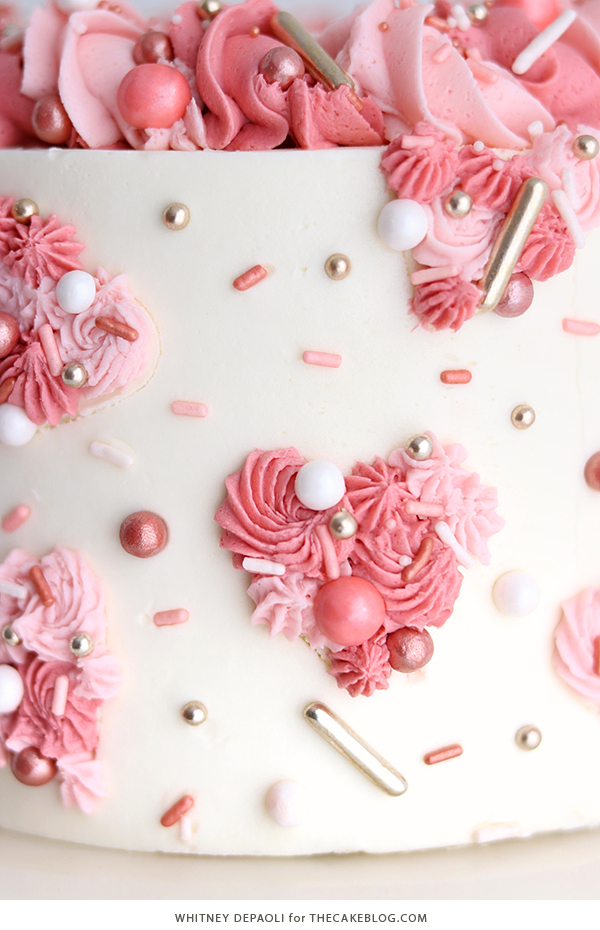
A significant aspect of this technique is its inherent flexibility regarding color. While DePaoli’s example showcases a chic rose gold palette, the tutorial explicitly encourages bakers to deviate from traditional Valentine’s Day colors. This opens the door for a vast array of creative interpretations, from bold, contrasting hues to subtle, monochromatic schemes. The potential for personalization is immense, allowing individuals to tailor their creations to specific tastes or themes beyond romantic love, such as celebrating friendships or Galentine’s Day.
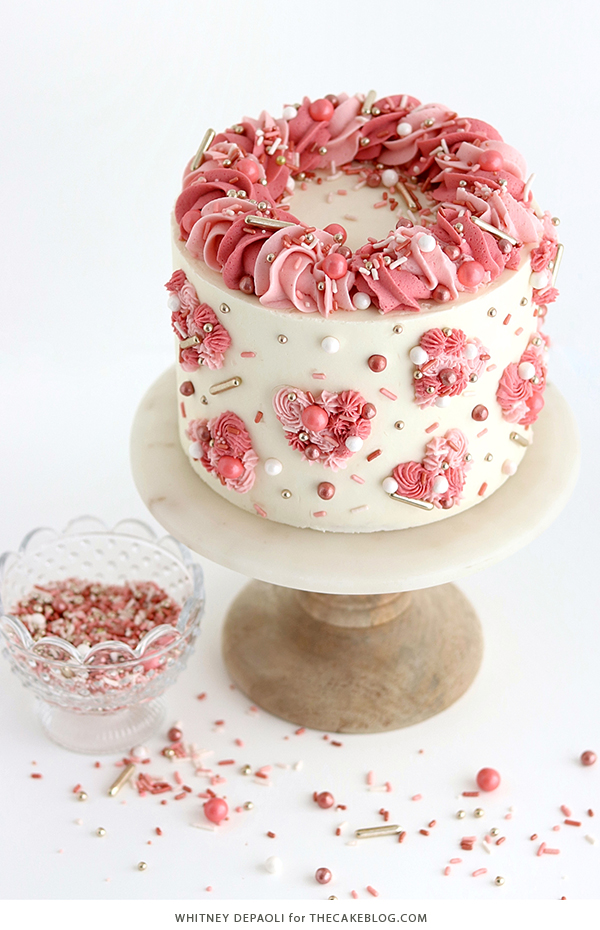
The choice of sprinkles plays a vital role in enhancing the visual appeal and texture. DePaoli highlights how sprinkles can amplify the buttercream colors and add an extra layer of visual interest. The process of applying sprinkles is presented with practical tips, such as using a damp paper towel to aid in precise placement, or alternatively, employing tweezers for more delicate work. This attention to detail in application is indicative of the professional finish achievable with this method.
The Significance of Sprinkles in Modern Cake Design
The use of sprinkles in contemporary cake decorating has evolved significantly. Once relegated to simpler, child-oriented treats, sprinkles are now recognized as sophisticated design elements capable of adding intricate detail and vibrant pops of color. The variety of sprinkle types available today – from metallic dragees to fine jimmies and unique shaped sprinkles – offers bakers an extensive palette for textural and visual expression. In this tutorial, the sprinkles are not merely an afterthought but an integral component that binds the piped elements together, creating a cohesive and visually stunning effect.
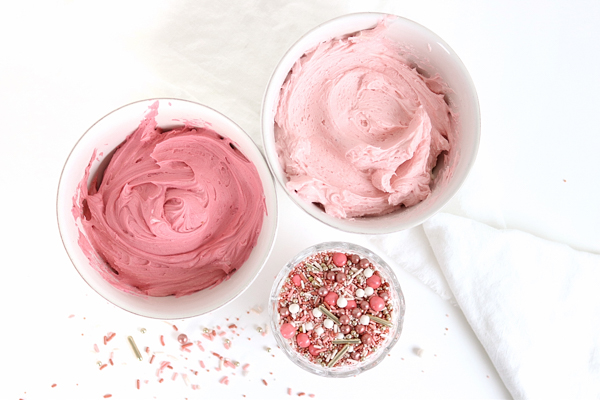
A notable detail within the tutorial concerns the use of gold and silver dragees. While aesthetically appealing, the note that these particular dragees have not been FDA approved for consumption serves as a responsible disclosure, advising guests to avoid eating them. This highlights the growing awareness within the baking community regarding food safety and ingredient transparency, particularly for decorative elements that may not be intended for ingestion.
Building on Tradition: The Rosette Rope Border
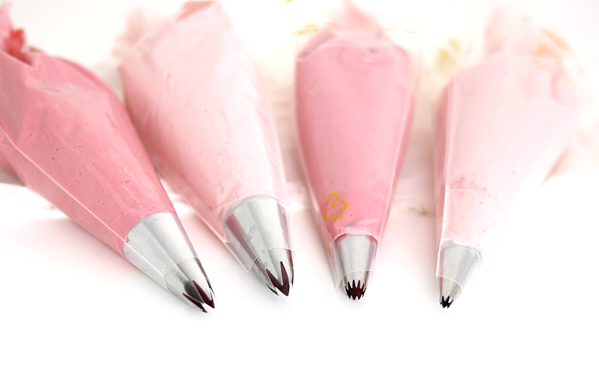
The tutorial culminates in the creation of a "rosette rope border," a sophisticated finishing touch that frames the heart-adorned cake. This involves using a piping bag fitted with a 1M tip to pipe rosettes along the cake’s edge. The technique calls for holding the tip at a 45-degree angle and piping counter-clockwise, alternating colors to create a dynamic and visually appealing border. This element not only adds a professional flourish but also harmonizes the overall design by incorporating the chosen color palette and textural elements from the main body of the cake.
The addition of sprinkles to the rosette border further unifies the design, creating a seamless transition between the different decorative components. This meticulous attention to detail, from the imprinted hearts to the final sprinkle application, transforms a simple cake into a showstopper, suitable for any Valentine’s Day celebration.
Broader Implications for Festive Baking
The "Piped Hearts Valentine’s Cake" tutorial by Whitney DePaoli represents a significant development in contemporary cake decorating trends. It demonstrates how established holiday themes can be reinterpreted through innovative techniques, appealing to a broader audience seeking both tradition and modern aesthetics. The emphasis on personalization and creative expression empowers bakers to move beyond conventional expectations and infuse their creations with individual style.
The accessibility of the technique, coupled with its striking visual results, suggests a wider adoption of such methods in home baking and professional settings alike. As consumers increasingly seek unique and visually appealing culinary experiences, techniques that offer both artistry and a degree of DIY feasibility are likely to gain prominence. This trend aligns with a broader cultural shift towards personalized experiences and handcrafted goods, even within the context of mass-produced celebrations like Valentine’s Day.
Furthermore, the tutorial’s inspiration from social media influencers like @frostedfujicakes highlights the powerful role of online platforms in disseminating and popularizing new decorating techniques. Instagram, in particular, has become a vital hub for cake artists to share their work, exchange ideas, and influence trends, democratizing access to sophisticated decorating knowledge and inspiring a new generation of bakers.
The "Piped Hearts Valentine’s Cake" is more than just a decorative technique; it is a testament to the evolving landscape of culinary art, where tradition meets innovation, and creativity knows no bounds. It offers a delightful and achievable pathway for anyone looking to craft a memorable and visually stunning centerpiece for their Valentine’s Day celebrations, proving that even familiar symbols can be reimagined with fresh perspective and artistic flair. The success of this approach lies in its ability to blend timeless romantic motifs with contemporary design sensibilities, creating a confection that is both heartfelt and fashion-forward.


